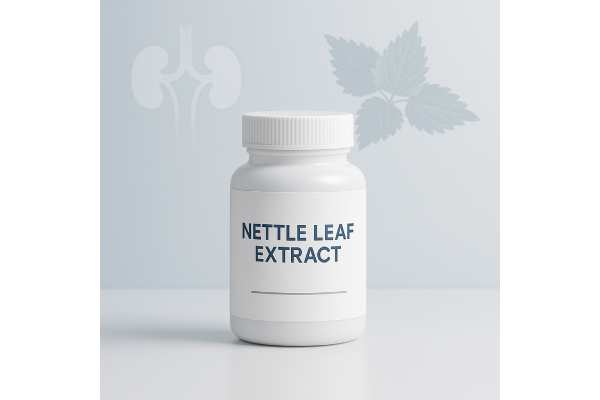
Nettle leaf extract comes from the leaves of the stinging nettle plant (Urtica dioica), a herb long used in European and traditional folk medicine for joints, urinary function, and general vitality. Today it appears in capsules, tinctures, teas, and complex herbal formulas marketed for allergies, prostate comfort, kidney support, and inflammation. Modern analysis shows that the leaves are rich in flavonoids, phenolic acids, carotenoids, vitamins, minerals, and chlorophyll, along with unique compounds that influence inflammatory pathways and fluid balance.
This guide explains what nettle leaf extract is, how it may support health, how it works at a cellular level, and how to use it sensibly. You will also find dosage ranges based on traditional and regulatory monographs, detailed safety information, and a plain-language overview of the current scientific evidence so you can discuss nettle leaf with your healthcare professional in an informed way.
Quick Overview
- Nettle leaf extract is a nutrient-dense herbal preparation with antioxidant, anti-inflammatory, and mild diuretic properties that may support joints and urinary comfort.
- Bioactive compounds in the leaves can modulate inflammatory mediators and oxidative stress, which may help with musculoskeletal symptoms and seasonal complaints in some people.
- Typical adult doses range from 300–1200 mg per day of standardized dry leaf extract, or 2–4 g dried leaf as tea up to 3–4 times daily, depending on the product and indication.
- Common side effects are usually mild (digestive upset, increased urination), but blood pressure or blood sugar may shift and fluid balance can change in sensitive individuals.
- People who are pregnant or breastfeeding, have kidney or heart disease, take blood thinners, diuretics, or diabetes medications, or have a history of severe allergies should avoid unsupervised nettle leaf use.
Table of Contents
- What is nettle leaf extract?
- Nettle leaf extract benefits and uses
- How nettle leaf extract works in the body
- How to take nettle leaf extract day to day
- Side effects, risks, and who should avoid nettle leaf extract
- Research evidence on nettle leaf extract
What is nettle leaf extract?
Stinging nettle (Urtica dioica) is a perennial herb native to Europe, Asia, and parts of Africa, now naturalized in many temperate regions. It is easily recognized by its serrated, opposite leaves and fine hairs that can cause a brief stinging sensation when touched. Traditionally, different parts of the plant have been used for different purposes: the leaf mainly for joints, skin, and urinary issues, and the root for prostate and urinary tract symptoms in older men.
Nettle leaf extract usually refers to preparations made from the dried leaves using water, ethanol, or a mixture of solvents. These extracts concentrate a range of compounds, including flavonoids (such as quercetin and kaempferol), phenolic acids (such as caffeic and chlorogenic acids), carotenoids, vitamins (notably vitamin C and some B vitamins), minerals (including iron, calcium, and magnesium), and chlorophyll.
Manufacturers often standardize nettle leaf extracts to a certain herb-to-extract ratio (for example 5–10:1) rather than to a single marker compound. This means that 150 mg of a 5–10:1 dry extract may correspond to around 750–1500 mg of the original dried leaves. Regulatory monographs in Europe describe a variety of approved extract strengths for uses such as osteoarthritis and to increase urine output.
Nettle leaf can also be used in less concentrated forms: as a loose dried herb or tea-bag infusion, as fresh tops cooked like leafy greens, or as part of powdered “green” blends. Compared with the root, leaf products tend to emphasize nutrient density, antioxidant activity, and generalized anti-inflammatory support.
Finally, it is important to distinguish leaf extract from whole-plant or root-based formulas marketed for prostate support. While all come from Urtica dioica, they are not interchangeable: the active constituents, evidence base, and typical dosing differ by plant part and preparation. When reviewing labels and research, always check whether the product is specifically nettle leaf, nettle root, or a mixture.
Nettle leaf extract benefits and uses
People most often turn to nettle leaf extract for three main reasons: support for joints and musculoskeletal comfort, urinary and kidney support, and seasonal or allergic-type symptoms. Underlying these uses is the leaf’s combination of anti-inflammatory, antioxidant, and mild diuretic actions.
1. Joint and musculoskeletal support
Nettle leaf has a long history of use in folk medicine for joint stiffness, rheumatic pain, and osteoarthritis. Modern preparations use standardized dry extracts or topical remedies such as creams and gels. Some small clinical trials and observational studies in people with osteoarthritis or chronic joint pain report reduced pain scores and improved function when nettle leaf preparations are used alongside standard care or non-steroidal anti-inflammatory drugs.
Proposed benefits include:
- Reduced inflammatory signaling in joint tissues
- Decreased production of cartilage-degrading enzymes
- Possible synergy when combined with other botanicals like rosehip or willow bark
Evidence remains limited and varied, but nettle leaf is commonly included in European over-the-counter products for osteoarthritis.
2. Urinary and kidney support
Traditional and regulatory sources describe nettle leaf as a “flushing” herb used to increase urine volume. Products based on cut leaves or aqueous extracts are used to support urinary tract function and to help flush the kidneys and lower urinary tract in mild conditions where increased fluid intake is appropriate.
People may use nettle leaf:
- During mild, uncomplicated urinary tract discomfort (in combination with medical care)
- To encourage urination in situations of fluid retention not caused by serious disease
- As part of herbal blends for kidney support
Nettle leaf is not a substitute for antibiotics or medical evaluation in suspected infections, kidney disease, or significant swelling.
3. Seasonal and allergic-type symptoms
Extracts prepared from nettle aerial parts, including leaves, show antihistamine-like and anti-inflammatory effects in laboratory and some human studies. In one older randomized trial, freeze-dried nettle modestly improved allergic rhinitis symptoms compared with placebo, though the overall evidence remains preliminary.
People sometimes use nettle leaf as a complementary option for:
- Nasal congestion and sneezing related to pollen exposure
- Histamine-related skin discomfort or itchiness
- General inflammatory responses driven by mast cells
4. General antioxidant and nutrient support
Dried nettle leaves are unusually rich in minerals, vitamins, and polyphenols. Regular intake as tea or food may contribute to overall micronutrient intake, particularly of iron, calcium, and vitamin C, and may help bolster antioxidant defenses.
These benefits do not make nettle leaf a cure for any specific disease, but they help explain why many traditional systems regard it as a “tonic” plant for overall vitality.
How nettle leaf extract works in the body
Nettle leaf extract contains a complex mixture of bioactive compounds. Rather than one active constituent, its effects arise from multiple mechanisms acting together on inflammation, oxidative stress, and fluid regulation.
Anti-inflammatory pathways
In vitro and animal studies suggest that nettle leaf extracts can dampen key inflammatory signaling cascades such as NF-κB and AP-1, which regulate the expression of many pro-inflammatory genes. When these pathways are less active, downstream production of cytokines, chemokines, and enzymes (including COX-2 and matrix metalloproteinases) tends to decrease.
In joint tissue models, leaf extracts have:
- Reduced production of cartilage-degrading enzymes
- Lowered nitric oxide and prostaglandin levels
- Limited breakdown of collagen and other extracellular matrix components
These effects provide a plausible explanation for reported improvements in osteoarthritis symptoms in some human studies.
Antioxidant and cytoprotective actions
Nettle leaves are rich in polyphenols (flavonoids and phenolic acids), carotenoids, and vitamin C, all of which contribute to antioxidant capacity. Extracts can scavenge free radicals, improve total antioxidant status, and protect lipids and DNA from oxidative damage in cell and animal models.
By reducing oxidative stress, nettle leaf may indirectly:
- Support vascular health
- Protect joint tissues
- Modulate inflammatory responses
- Help maintain normal cellular signaling
Effects on fluid balance and kidneys
Traditionally nettle leaf is described as a mild diuretic. Experimental studies show increased urine output and excretion of sodium and chloride following administration of aqueous extracts in animals. Proposed mechanisms include effects on renal blood flow, tubular transport processes, and local inflammatory mediators.
This “flushing” action underlies its use in urinary discomfort and mild water retention. However, it also means that people with unstable blood pressure, kidney disease, or on diuretic drugs need to use nettle cautiously, if at all.
Immune and allergic modulation
Nettle leaf preparations demonstrate several effects relevant to allergies and immune activity:
- Modulation of histamine H1 receptors
- Inhibition of enzymes like COX-1, COX-2, and prostaglandin D2 synthase that are involved in allergic inflammation
- Reduced mast cell degranulation in laboratory models
These findings align with anecdotal and early clinical reports of symptom relief in allergic rhinitis and other histamine-related conditions, though robust trials are still limited.
Metabolic effects
Some animal and small human studies with nettle leaf preparations suggest:
- Improved glucose tolerance and insulin secretion
- Mild reductions in blood lipids or blood pressure in certain contexts
These metabolic effects appear modest and are not a substitute for standard care, but they highlight the need for monitoring in people on diabetes or blood pressure medications.
Overall, nettle leaf extract acts as a multi-target herbal medicine rather than a single-pathway drug. This broad activity may be advantageous for complex, chronic complaints, but it also makes responses variable and underscores the importance of individualized medical guidance.
How to take nettle leaf extract day to day
Because nettle leaf comes in many forms, the way you take it depends on the preparation and your goals. The following ranges reflect traditional use and regulatory monographs; individual products may differ, so label directions and professional advice should always take priority.
Dried leaf tea (infusion)
For general wellness, mild urinary support, or a nutrient-rich beverage:
- Dried leaf dose: 2–4 g per cup (about 1–2 teaspoons of cut herb)
- Preparation: pour 150–250 mL of hot water over the leaves, steep 10–15 minutes, then strain
- Frequency: 3–4 times daily, typically not exceeding 8–12 g of dried leaf per day over extended periods
Teas provide a gentler, more food-like exposure to nettle constituents and are often well tolerated.
Standardized dry leaf extracts (capsules or tablets)
For osteoarthritis, musculoskeletal discomfort, or more targeted effects, products often use dry extracts with herb-to-extract ratios roughly between 4.7–10:1. Common adult regimens include:
- 150–375 mg dry extract, 2–3 times daily
- 300–600 mg dry extract, 1–2 times daily
This translates to a typical total daily dose of about 300–1200 mg of dry extract, depending on strength and indication. Higher ranges are usually reserved for short-term use in symptomatic conditions under medical supervision.
Liquid extracts and tinctures
Traditional formulas may use alcoholic liquid extracts of nettle leaf. A common general guideline is:
- Strength: 1:5 tincture (one part herb by weight to five parts solvent)
- Dose: about 2–4 mL, up to 3 times daily (approximately 40–120 drops, depending on the dropper)
Because tinctures contain alcohol, they may not be suitable for children, pregnant people, or individuals avoiding alcohol.
Combination formulas
Nettle leaf often appears alongside other herbs (such as dandelion, goldenrod, or willow bark) in blends for:
- Joint and musculoskeletal support
- Seasonal wellness
- Urinary “flush” teas
When using a combination product, consider the total herb load and potential overlapping effects, especially diuretic or blood-thinning actions.
Practical usage tips
- Start at the lower end of the dosage range for the first week to gauge tolerance.
- Take capsules or tinctures with food to reduce gastrointestinal discomfort.
- Maintain adequate fluid intake because nettle leaf can increase urine output, unless your clinician has restricted fluids.
- For chronic issues like osteoarthritis, nettle leaf is often used for several weeks to months with periodic reassessment. For seasonal allergies, use may begin shortly before expected pollen exposure and continue through the season.
- Anyone with chronic health conditions or on prescription medications should have their regimen reviewed by a qualified clinician before adding nettle.
Side effects, risks, and who should avoid nettle leaf extract
Nettle leaf is generally regarded as safe when used at traditional doses for limited periods. However, like any biologically active substance, it can cause side effects and interact with medications. Large doses or long-term unsupervised use are not risk-free.
Common, usually mild side effects
- Gastrointestinal upset (nausea, stomach discomfort, loose stools)
- Headache or feelings of light-headedness
- Increased frequency of urination
- Mild skin reactions in people handling fresh plants
These effects often resolve when the dose is reduced or the product is discontinued.
Fluid balance and blood pressure
Because nettle leaf can increase urine output, it may slightly reduce blood pressure in some users. This can be problematic for people who:
- Already have low blood pressure
- Take antihypertensive medications
- Are on prescription diuretics
Symptoms such as dizziness on standing, fatigue, or excessive thirst may indicate that the dose is too high or that the combination with existing medications is not appropriate.
Blood sugar and metabolic interactions
Some data suggest nettle preparations may modestly lower blood glucose. People with diabetes or those on glucose-lowering drugs (including insulin and oral agents) should be monitored for potential hypoglycemia if nettle is introduced. Adjustments to medications should only be made by a healthcare professional.
Allergy and hypersensitivity
Although nettle is used for allergic conditions, some individuals may be allergic or highly sensitive to it. Potential reactions include:
- Itching, rash, or hives
- Swelling of the lips, face, or throat
- Breathing difficulty
Any signs of an acute allergic reaction require immediate medical attention. People with known allergies to Urticaceae plants should avoid nettle products.
Who should avoid nettle leaf without medical supervision
- Pregnant people, due to insufficient safety data and theoretical uterine effects
- Breastfeeding people, because information on excretion into milk and infant effects is limited
- People with significant kidney or heart disease, due to potential impacts on fluid and electrolyte balance
- People on anticoagulants or antiplatelet drugs, given possible effects on coagulation or platelets
- People on lithium or other drugs with narrow therapeutic windows, as diuretic effects can alter drug levels
Overdose and long-term use
High doses well above traditional ranges may intensify diuretic effects and increase the risk of electrolyte disturbances, hypotension, or kidney stress. Long-term continuous use has not been thoroughly studied; periodic breaks and medical monitoring are prudent for anyone using nettle leaf for more than a few months at a time.
As with all herbal supplements, quality and purity vary between manufacturers. Choosing standardized products from reputable companies with third-party testing reduces the risk of contamination, such as heavy metals or adulterants.
Research evidence on nettle leaf extract
Research on nettle leaf extract spans basic chemistry, laboratory experiments, animal models, and human studies. The overall picture is promising but incomplete, with stronger evidence for some uses than for others.
Chemical and nutritional profile
Recent reviews describe nettle leaves as nutrient-dense and rich in bioactive compounds. Analyses consistently show high levels of:
- Polyphenols (flavonoids and phenolic acids)
- Carotenoids and chlorophyll
- Vitamins (especially vitamin C and some B vitamins)
- Minerals like calcium, magnesium, iron, and potassium
These components underlie much of the antioxidant and anti-inflammatory activity seen in experimental work.
In vitro and animal studies
Laboratory and preclinical studies have found that nettle leaf extracts:
- Reduce markers of oxidative stress and protect cells from free-radical damage
- Inhibit inflammatory pathways and reduce cytokine production
- Lower levels of cartilage-degrading enzymes in joint cells
- Increase urine output and support kidney excretory function
- Influence glucose metabolism, lipid profiles, and vascular tone in certain models
While these findings support traditional uses, they cannot be directly translated into clinical outcomes in humans without more data.
Human clinical data
Human trials using nettle leaf (or aerial parts that include leaves) are fewer than those using root extracts for prostate symptoms. Still, several areas have some evidence:
- Musculoskeletal pain and osteoarthritis: Small randomized and observational studies report reductions in pain and improved function with nettle leaf extract or topical preparations, often as add-ons to usual care.
- Allergic rhinitis: One randomized trial using freeze-dried nettle aerial parts found modest improvement in symptoms compared with placebo, though the sample size was limited and methods older by current standards.
- Metabolic parameters: Early trials suggest potential improvements in blood glucose or lipid levels in people with metabolic disturbances when nettle preparations are used alongside standard treatment, but results are inconsistent and need confirmation.
A recent systematic review and meta-analysis focused on musculoskeletal disorders concluded that nettle preparations may reduce pain and improve quality of life in some contexts, but highlighted heterogeneity in study design, preparations, and outcome measures, as well as a general need for larger, higher-quality trials.
Limitations of the current evidence
- Many studies are small, short-term, and use different extract types and doses.
- Leaf and root are sometimes lumped together under “Urtica dioica,” making it hard to attribute effects to one part.
- Publication bias is possible, with positive findings more likely to be reported.
- Safety data for long-term use, pregnancy, and complex comorbid conditions remain sparse.
In practical terms, this means nettle leaf extract should be viewed as a potentially useful adjunct for certain indications—especially mild joint discomfort and urinary support—rather than as a stand-alone treatment or replacement for evidence-based conventional care. Working with a clinician knowledgeable in herbal medicine is the best way to integrate nettle leaf into an overall treatment plan.
References
- Stinging Nettle (Urtica dioica L.): Nutritional Composition, Bioactive Compounds, and Food Functional Properties 2022 (Systematic Review)
- Nutritional and pharmacological importance of stinging nettle (Urtica dioica L.): A review 2022 (Systematic Review)
- Urtica dioica Aqueous Leaf Extract: Chemical Composition and In Vitro Evaluation of Biological Activities 2025 (Experimental Study)
- Assessment report on Urtica dioica L., Urtica urens L., folium 2010 (Regulatory Monograph)
- THE EFFECTIVENESS AND APPLICATION OF URTICA DIOICA (STINGING NETTLE) FOR MUSCULOSKELETAL DISORDERS: A SYSTEMATIC REVIEW AND META-ANALYSIS 2023 (Systematic Review and Meta-analysis)
Disclaimer
The information in this article is for general educational purposes only and is not intended to provide medical advice, diagnose illness, or replace individualized care from a qualified healthcare professional. Nettle leaf extract can interact with medications and underlying health conditions, and responses vary between individuals. Always consult your doctor, pharmacist, or a licensed practitioner trained in herbal medicine before starting, stopping, or changing any supplement, especially if you are pregnant, breastfeeding, have chronic health problems, or take prescription or over-the-counter medications. Never delay or disregard professional medical advice because of something you have read here.
If you found this guide helpful, you are welcome to share it on Facebook, X (formerly Twitter), or any platform you prefer, and to follow our work on social media. Your thoughtful sharing helps support our team in continuing to create careful, evidence-informed resources like this one.