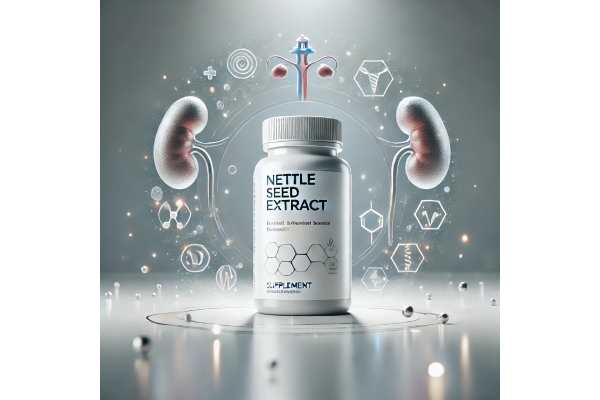
Nettle seed extract comes from the tiny seeds of Urtica dioica, the common stinging nettle. While the leaves and roots are better known, the seeds have a long history in herbal practice as a tonic for energy, resilience, and especially kidney function. Modern analyses show that nettle seeds are rich in oil, essential fatty acids, sterols, and vitamin E–type compounds, giving them potential as a functional food and nutraceutical ingredient.
Today, nettle seed extract is sold in capsules, tinctures, and oils for people looking to support kidney and liver health, cardiovascular markers, and overall vitality. At the same time, clinical research in humans is still limited, and most evidence comes from animal studies and traditional use. This guide walks you through what nettle seed extract is, how it may work, its potential benefits and drawbacks, how it is usually taken, and who should avoid it, so you can discuss it more confidently with a qualified health professional.
Key Insights for Nettle Seed Extract
- Nettle seed extract is a concentrated source of essential fatty acids, sterols, and antioxidants that may support kidney and cardiovascular health.
- Most of the evidence for nettle seed extract comes from traditional use and animal studies, with very limited human research so far.
- Common supplemental ranges are about 500–1,500 mg nettle seed extract per day or 1–4 g whole seeds daily, divided with meals.
- People with kidney disease, transplant patients on immunosuppressants, pregnant or breastfeeding women, and those on many medications should only use nettle seed extract under medical supervision.
Table of Contents
- What is nettle seed extract?
- Nettle seed benefits and common uses
- How nettle seed extract works in the body
- How to take nettle seed extract and typical dosage
- Side effects, risks, and who should avoid nettle seed extract
- What the research really says about nettle seed extract
What is nettle seed extract?
Stinging nettle (Urtica dioica) is a perennial plant found widely across Europe, Asia, and North America. Many people know it for its painful sting and for traditional uses of the leaf and root. The seeds, however, have their own profile and are increasingly used as a specialized supplement.
Nettle seeds are small, dry fruits that contain a surprisingly rich oil fraction, protein, and a high amount of dietary fiber. Analyses of nettle seeds from different regions show roughly one-third oil, about one-fifth protein, and close to one-third fiber, making them a dense, nutrient-rich food ingredient. The seed oil is dominated by polyunsaturated fatty acids such as linoleic acid, with smaller amounts of oleic and palmitic acids, as well as a notable content of vitamin E–type compounds (tocopherols) and plant sterols. These components are often associated with cardiovascular and antioxidant benefits.
“Nettle seed extract” usually refers to one of two things:
- Ethanolic or hydroalcoholic extracts of the whole seed – these are common in research and tincture products.
- Lipid-rich seed oil extracts – obtained by cold pressing or solvent extraction, then encapsulated or bottled as oil.
In herbal traditions, particularly European phytotherapy, nettle seed (often called Urtica semen) has been described as a “trophorestorative” for the kidneys and adrenals. Practitioners historically used it in people with low energy, chronic fatigue, or reduced kidney function. Modern supplements build on this tradition but are sold for broader “kidney and vitality support.”
It is important to distinguish nettle seed extract from nettle leaf or root extracts, which have different dominant compounds and different primary uses (for example, urinary comfort, seasonal allergies, or prostate health). A product label should clearly state “seed” or “semen” to avoid confusion.
Nettle seed benefits and common uses
Nettle seed extract is marketed for several potential benefits, most of which stem from its nutrient profile and long-standing traditional use. However, the strength of evidence varies, and most claims should be viewed as preliminary.
1. Kidney support and nephroprotection
Herbalists frequently use nettle seed extract for people with reduced kidney function, often alongside conventional care. Small clinical case reports have described improved creatinine and urea values when nettle seed preparations were added to existing treatment in chronic kidney disease, but these observations are not from large, controlled trials. In animal studies, nettle seed extract has helped protect kidney tissue against damage from ionizing radiation, industrial chemicals, and certain drugs by improving antioxidant defenses and reducing markers of oxidative stress and lipid peroxidation.
2. General vitality and energy
Traditional texts portray nettle seed as a gentle stimulant and tonic, particularly for people who feel depleted after long-term stress or illness. Modern users often report subtle improvements in energy and resilience, possibly linked to better sleep, mood, or overall nutritional status. Because seeds provide essential fatty acids and micronutrients, regular intake may support cell membrane health, hormonal balance, and nervous system function, all of which can indirectly influence how energetic you feel.
3. Cardiovascular and metabolic support
The seed oil’s high proportion of polyunsaturated fatty acids, especially linoleic acid, combined with plant sterols and tocopherols, has led researchers to explore its potential for cardiovascular health. Laboratory work suggests that the fatty acid profile and sterol content may help maintain healthy blood lipid patterns and support a favorable ratio of “good” to “bad” cholesterol when used as part of a balanced diet. This is still a theoretical benefit; human outcome studies specifically on nettle seed oil are not yet available.
4. Skin, hair, and aging support
Because nettle seed oil is rich in essential fatty acids and antioxidants, it is now appearing in cosmetic formulations and anti-aging blends. These compounds may help maintain skin barrier function and protect lipids in cell membranes from oxidation. Some traditional sources also associate nettle seed with stronger hair and nails, though this is based on historical use rather than modern trials.
5. Adjunctive use in liver and toxin exposure models
Animal studies examining methotrexate-induced damage or carcinogen exposure have suggested protective roles for nettle seed extracts and seed oil at the level of liver and kidney tissues. These findings are promising, but they are preclinical and cannot be directly translated into recommendations for humans undergoing chemotherapy or other drug treatments.
In practice, people reach for nettle seed extract when they want to support kidney health, long-term vitality, or heart and metabolic wellness, often in combination with medical care and a nutrient-dense diet. It should never be used as a stand-alone replacement for prescribed treatments, especially in serious kidney or cardiovascular conditions.
How nettle seed extract works in the body
Nettle seed extract contains several groups of compounds that act through overlapping mechanisms. While many pathways are still being mapped, current data highlight a few key actions.
1. Antioxidant defense and oxidative stress reduction
Experiments in rats show that nettle seed extract can increase levels of antioxidant enzymes in kidney tissues, such as superoxide dismutase, catalase, and glutathione peroxidase, while lowering malondialdehyde (a marker of lipid peroxidation). In models of radiation or chemical injury, this shift in oxidant–antioxidant balance is associated with less structural damage in kidney tissue. The seed’s tocopherols (vitamin E–like molecules) help quench lipid peroxy radicals, stabilizing cell membranes and slowing oxidative damage.
2. Modulation of membrane proteins and cell signaling
Recent animal studies found that nettle seed extract influences the expression of aquaporins (AQP-1 and AQP-7), which are water and glycerol channels in kidney tubule cells. When kidneys are exposed to certain toxins, aquaporin levels and localization can change, contributing to impaired filtration and fluid balance. In these models, nettle seed extract appeared to normalize aquaporin expression and improve tissue appearance under the microscope. This suggests a protective effect on membrane channels and cellular signaling pathways that regulate fluid handling and apoptosis (programmed cell death).
3. Lipid and sterol effects
The seed oil’s fatty acid profile is strongly skewed toward polyunsaturated linoleic acid, with smaller amounts of oleic and minimal saturated fats. In addition, the oil contains phytosterols such as β-sitosterol and a complex mixture of other sterols. Together, these may support healthier lipid profiles when consumed regularly as part of a balanced diet. Phytosterols can compete with cholesterol for absorption in the gut, potentially reducing circulating cholesterol levels. High polyunsaturated-to-saturated fat ratios tend to correlate with more flexible cell membranes and a lower risk of atherosclerotic plaque development.
4. Potential anti-inflammatory pathways
While research specifically on nettle seed is limited, broader studies on nettle extracts suggest that flavonoids, phenolic acids, and other phytochemicals can dampen inflammatory pathways and cytokine production. To the extent that these compounds are present in seed extracts, they may contribute to reduced inflammatory signaling in tissues exposed to toxic insults, such as kidneys under drug or radiation stress.
5. Nutritional support for cellular health
Beyond discrete pharmacological effects, nettle seed provides micronutrients, essential fatty acids, and antioxidants that support everyday cell maintenance. Tissues with high metabolic demand and blood flow, such as the kidneys and liver, are particularly sensitive to oxidative damage and membrane disruption; supplying them with high-quality lipids and antioxidants may improve their resilience over time.
It is important to emphasize that most mechanistic insights come from cell and animal work. Human kidneys and cardiovascular systems are more complex, and real-world outcomes depend on genetics, diet, medications, and underlying disease. Nettle seed extract should therefore be viewed as a potential adjunctive tool rather than a guaranteed organ-protective remedy.
How to take nettle seed extract and typical dosage
Because nettle seed extract is not a standardized pharmaceutical product, dosing guidelines are based on traditional use, typical supplement formulations, and the limited available research. There is no universally accepted “ideal” dose, and individual needs can vary significantly.
Common forms
- Capsules or tablets – contain dried seed extract or powdered seeds, usually 250–600 mg per capsule.
- Liquid extracts and tinctures – hydroalcoholic preparations, often labeled at 1:2 to 1:5 (herb to solvent) ratios.
- Cold-pressed seed oil – bottled or encapsulated; primarily used for its fatty acid and sterol content.
- Whole seeds – used as a food ingredient, sprinkled on cereals, smoothies, or baked goods.
Typical supplemental ranges (adults)
These are general ranges seen in commercial products and herbal practice, not strict recommendations:
- Standardized extract capsules:
- 250–500 mg nettle seed extract, taken two or three times daily.
- This yields a daily total around 500–1,500 mg.
- Whole seeds as food:
- About 1–2 teaspoons (roughly 2–4 g) of seeds once or twice daily.
- Usually taken with food, mixed into yogurt, smoothies, or porridge.
- Liquid extract / tincture:
- Common practitioner ranges are about 1–4 mL, up to three times per day, diluted in water or juice.
- Exact dosing depends on extract strength; always follow the label or a practitioner’s instructions.
- Seed oil:
- 1–2 g of oil daily, often in capsule form, taken with meals containing fat to aid absorption.
Practical tips for use
- Start low and go slow. Begin with the lower end of the range for a week or two to assess tolerance.
- Take with food. This can reduce digestive discomfort and improve absorption of fat-soluble components.
- Cycle and reassess. For long-term use, many practitioners suggest periodic breaks (for example, 5 days on, 2 days off; or 3 months on, followed by a review with a clinician).
- Combine with lifestyle measures. No supplement can replace kidney-friendly habits such as adequate hydration, blood pressure and blood sugar control, and avoiding unnecessary nephrotoxic medications or contrast dyes.
Special populations
- Children: There is not enough data to recommend nettle seed extract dosing for children. Use only under pediatric specialist supervision.
- Pregnant or breastfeeding women: Safety data are lacking; most guidelines recommend avoiding nettle seed extracts altogether in these groups.
- People with kidney disease: Because nettle seed is often used in this context, dosing must be individualized and supervised by a nephrologist or healthcare professional familiar with both the disease and the herb.
Always read the specific product label and treat any suggested dose as a maximum, not a challenge. When in doubt, consult a knowledgeable clinician or clinical herbalist before starting or changing a regimen.
Side effects, risks, and who should avoid nettle seed extract
Nettle seed extract is generally considered well-tolerated when used at typical supplemental doses in healthy adults. However, “natural” does not mean risk-free, and there are several important caveats, especially for people with existing medical conditions.
Common, usually mild side effects
Some users report:
- Digestive upset (nausea, loose stools, or stomach discomfort), particularly with higher doses or use on an empty stomach.
- Mild headaches or a sense of stimulation, which may reflect individual sensitivity.
- Changes in urination patterns, such as slightly increased urine output.
These effects often improve by lowering the dose, taking the supplement with food, or dividing the daily amount into smaller doses.
Less common or theoretical risks
Because nettle seed extracts influence oxidative stress, membrane proteins, and fluid balance in animal models, there is a theoretical risk of interactions with medications or conditions that also affect these pathways. For example:
- Kidney disease and dialysis: Some practitioners use nettle seed with the goal of supporting kidney function, but dosing must be carefully tailored. An unsupervised regimen could complicate fluid or electrolyte management.
- Immunosuppressive therapy and transplants: People who have received kidney or other organ transplants often take immunosuppressant drugs with narrow therapeutic windows. Adding herbs that may alter kidney handling of drugs or immune activity can be risky without specialist oversight.
- Antihypertensive and diuretic medications: Nettle preparations (from leaf or other parts) can have mild diuretic properties. Combining them with prescription diuretics or blood pressure drugs may, in rare cases, contribute to low blood pressure, electrolyte changes, or dehydration.
Allergic and hypersensitivity reactions
Allergies to nettle seed are rare but possible, especially in individuals with known plant allergies. Symptoms could include rash, itching, or, very rarely, more serious reactions. Anyone who develops signs of allergy should stop the supplement and seek medical care.
Who should avoid nettle seed extract or use it only under medical supervision
- People with moderate to severe kidney disease or a history of kidney transplant.
- Individuals on multiple medications, particularly diuretics, blood pressure drugs, anticoagulants, or immunosuppressants.
- Pregnant or breastfeeding women, due to insufficient safety data.
- People with a known allergy to nettle or related plants.
- Anyone with complex chronic illnesses (autoimmune disease, cancer, advanced heart failure) unless their treating team explicitly approves use.
If you experience worsening fatigue, swelling, shortness of breath, changes in urine volume or color, new bruising, or other unexplained symptoms after starting nettle seed extract, stop taking it and contact a healthcare professional promptly.
What the research really says about nettle seed extract
Compared with nettle leaf and root, nettle seed extract has a much smaller research base. Still, a few important threads have emerged in recent years that help frame its potential and its limitations.
1. Composition and nutritional profile
Detailed analyses of nettle seeds and seed oils have confirmed that they are rich in:
- Oil (around 30–35% of seed mass), dominated by linoleic acid with smaller amounts of oleic and palmitic acids.
- Protein (about 20–22%).
- Dietary fiber (close to 30%).
- Phytosterols, particularly β-sitosterol, making up about 1% of the oil fraction.
- Tocopherols (vitamin E–type antioxidants), with total levels in the hundreds of milligrams per kilogram of oil.
These studies suggest that nettle seed oil has a very favorable polyunsaturated-to-saturated fat ratio and low atherogenic and thrombogenic indices, supporting its classification as a potentially heart-friendly functional oil when used in moderation within a balanced diet.
2. Kidney protection in animal models
Several preclinical studies have evaluated nettle seed extract (or seed oil) in animal models of kidney injury:
- In rats exposed to ionizing radiation, nettle seed extract helped normalize antioxidant enzymes and reduce markers of lipid peroxidation in kidney tissue, with corresponding improvements in histological appearance.
- In chemically induced kidney damage (for example, with diethylnitrosamine), seed extract has been shown to modulate aquaporin levels, reduce oxidative stress markers, and improve tissue structure compared with untreated animals.
- Early work on methotrexate-induced hepatorenal damage suggests that seed oil may lessen biochemical and structural damage, although these findings are preliminary and species-specific.
These models are encouraging but do not automatically translate into proven benefit for humans. Doses used in animals are often much higher (on a mg/kg basis) than typical human supplement intakes, and the controlled settings do not reflect the complexity of real-world disease.
3. Human data and traditional clinical experience
Published human research specifically on nettle seed extract is extremely limited. The best-known clinical report involves a series of patients with chronic kidney impairment who received nettle seed preparations alongside usual care and showed improvements in serum creatinine. However, this work was not a randomized controlled trial, had small numbers, and used pragmatic herbal protocols rather than standardized dosing.
More recently, kidney-focused reviews and herbal overviews continue to cite nettle seed as a promising nephroprotective agent but emphasize the lack of robust clinical trials. For now, the human evidence remains at the level of case reports, practitioner experience, and extrapolation from preclinical models.
4. Safety and knowledge gaps
Short-term animal studies have not revealed major toxicity at doses commonly used in experiments, and the compositional data suggest that seed oil fits comfortably within the range of edible plant oils used in food and supplements. However, there are major gaps:
- No large, long-term human safety trials.
- Limited information on interactions with common drugs, especially those processed by the kidneys.
- Minimal data in special populations such as children, pregnant women, or people with advanced kidney failure.
Because of these limitations, most experts recommend a cautious, individualized approach: treat nettle seed extract as a potentially useful adjunct, not a proven therapy; use conservative doses; and involve healthcare professionals in decisions, especially when kidney function is already compromised.
References
- Insights into the bioactive compounds and physico-chemical characteristics of the extracted oils from Urtica dioica and Urtica pilulifera 2020 (Research Article)
- Biologically active components and health benefits of nettle seed oil 2020 (Research Article)
- The Effect of Nettle Seed Extract on Malondialdehyde, Cupper, Zinc and Superoxide Dismutase Levels in Kidney Tissue of Rats Exposed To Ionising Radiation 2020 (Experimental Study)
- Effect of Urtica dioica Seed Extract on Aquaporin 1 and 7, Caspase-3 and Oxidant/Antioxidant Status in Diethylnitrosamine-induced Kidney Damage in Rats 2024 (Experimental Study)
- Urtica dioica-Derived Phytochemicals for Pharmacological and Therapeutic Applications 2022 (Review Article)
Disclaimer
The information in this article is for educational purposes only and is not intended to replace professional medical advice, diagnosis, or treatment. Nettle seed extract can influence important organs such as the kidneys and liver, and its effects may interact with prescription medications or underlying health conditions. Always consult a qualified healthcare professional before starting, stopping, or changing any supplement, especially if you have kidney disease, cardiovascular disease, autoimmune conditions, are pregnant or breastfeeding, or are taking prescribed drugs. Never delay seeking or disregard medical advice because of something you have read here.
If you found this guide helpful, you are warmly invited to share it with others on Facebook, X (formerly Twitter), or any platform you prefer, and to follow our work on social media. Your thoughtful support by sharing our content helps us continue creating clear, evidence-informed resources for the community.