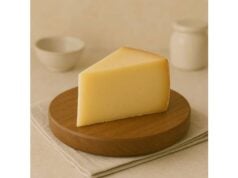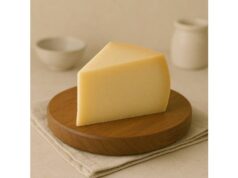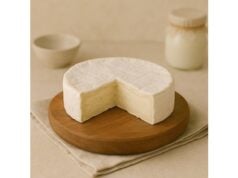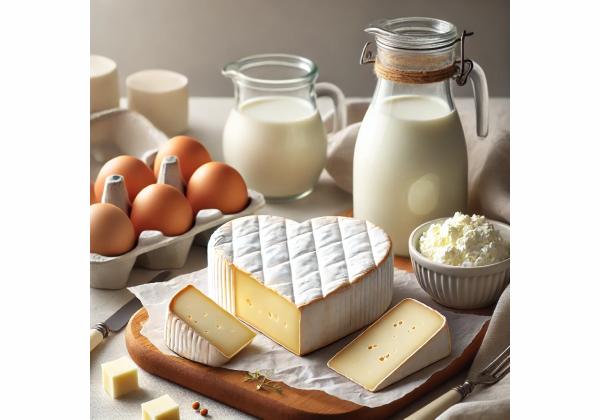
Neufchâtel is an old-world soft cheese with two personalities on today’s shelves. From Normandy, French AOP Neufchâtel is a delicate, bloomy-rind cheese (often heart-shaped) with a thin white rind and a supple, mushroomy interior. In North America, American Neufchâtel is a soft, spreadable cheese made similarly to cream cheese but with about one-third less fat. Both are mild, creamy, and versatile: French Neufchâtel elevates boards, salads, and warm tarts; American Neufchâtel lightens cheesecakes, dips, and bagel spreads without losing richness. Nutritionally, Neufchâtel provides high-quality dairy protein, calcium, phosphorus, and vitamin B12 with little carbohydrate. The main trade-offs are saturated fat and sodium, which vary by style and brand. For safety, choose pasteurized versions if you’re pregnant, older, or immunocompromised; keep cold; and use opened packages within a few days for best quality. This guide explains how Neufchâtel is made, what to expect from labels and nutrition numbers, where it fits in health-conscious eating patterns, how to shop and store it, and the smartest ways to prep and cook it so you keep flavor high and waste low.
Key Takeaways
- Per 100 g, French Neufchâtel typically offers ~18–21 g protein and ~300–330 kcal; American Neufchâtel is ~240–270 kcal with ~8–10 g protein.
- Typical serving: 28 g (1 oz) for French styles or 30 g (2 tbsp) for American; enjoy several times weekly within saturated-fat and sodium goals.
- Safety note: choose pasteurized soft cheeses; avoid raw-milk versions and deli-sliced cheeses unless heated until steaming if you are pregnant or immunocompromised.
- People who should limit or avoid: those with milk allergy, individuals on MAOIs sensitive to tyramine (for ripened rinds), and anyone on strict low-sodium plans.
Table of Contents
- Neufchâtel overview and types
- Neufchâtel nutrition profile
- Evidence-based benefits of Neufchâtel
- Risks, allergies and interactions
- Selecting quality, sustainability and storage
- Preparation, cooking and nutrient retention
- Portions, comparisons and FAQs
Neufchâtel overview and types
Neufchâtel has centuries of tradition in Normandy, where farmstead producers shaped the cheese into hearts, cylinders, or bricks and matured it with a fine white rind. That bloomy rind—formed by ripening cultures on the surface—gently breaks down proteins and fats, making the paste tender and spreadable with aromas of mushrooms, cream, and fresh dough. Properly matured French Neufchâtel slices clean when young, then becomes lusher and more spoonable at peak ripeness. On a board, it fits between a young Brie and a rustic Camembert in intensity.
American Neufchâtel is a different, but equally useful, cheese. It’s a soft, unripened style similar to cream cheese but made with more moisture and less fat. The result: milky, lightly tangy flavor and a spreadable texture that beats cream cheese for lightened dips, frostings, and cheesecakes. Because it’s not rind-ripened, its aroma stays mild and consistent. You’ll find it in blocks or tubs near cream cheese in the dairy case.
How they’re made, in brief.
- French AOP: Pasteurized or raw cow’s milk is inoculated with cultures and rennet. The soft curd is ladled into molds to preserve moisture, salted, then ripened 8–10 days (often longer) to develop the thin, edible rind.
- American: Pasteurized milk and cream are cultured, set, and gently drained. Stabilizers (like locust bean gum or xanthan) may be added for texture and freeze-thaw stability; the cheese is not rind-ripened.
Culinary behavior.
- French: Best on boards, warm salads, and low, gentle melts (tarts, crostini, gratins). The rind is edible; trim only if you prefer a milder bite.
- American: Best as a spread or in cooking/baking where cream cheese is used—cheesecakes, no-bake pies, frostings, stuffed chicken, creamy pasta sauces.
Taste and pairing notes.
- French Neufchâtel pairs beautifully with apples or pears, toasted hazelnuts, rye crackers, and a touch of honey or black pepper.
- American Neufchâtel works with roasted peppers, chives, lemon zest, dill, smoked fish, and fresh berries.
Who it suits. Both styles are low-carbohydrate and protein-containing, with calcium and B12 for bone and blood health. The considerations are saturated fat and sodium; control portions and build plates around vegetables, legumes, whole grains, and unsaturated fats.
Neufchâtel nutrition profile
Values below are per 100 g. Actual numbers vary by producer, moisture, and ripening. Use labels for precise data. %DV uses adult Daily Values for a 2,000-kcal diet (Protein 50 g; Total Fat 78 g; Saturated Fat 20 g; Carbohydrate 275 g; Sodium 2,300 mg; Potassium 4,700 mg; Calcium 1,300 mg; Phosphorus 1,250 mg; Zinc 11 mg; Selenium 55 µg; Vitamin A 900 µg RAE; Vitamin B12 2.4 µg; Vitamin D 20 µg).
Macros and electrolytes (per 100 g)
| Nutrient | French Neufchâtel (bloomy rind) | %DV | American Neufchâtel (⅓ less fat) | %DV |
|---|---|---|---|---|
| Energy | ~300–330 kcal | — | ~240–270 kcal | — |
| Protein | ~18.0–21.0 g | 36–42% | ~8.0–10.0 g | 16–20% |
| Total Fat | ~24.0–27.0 g | 31–35% | ~20.0–23.0 g | 26–29% |
| Saturated Fat | ~15.0–17.0 g | 75–85% | ~12.0–15.0 g | 60–75% |
| Carbohydrate (total) | ~0.5–2.0 g | 0–1% | ~4.0–7.0 g | 1–3% |
| Total Sugars (mostly lactose) | ~0.5–1.5 g | — | ~3.0–5.5 g | — |
| Dietary Fiber | 0 g | 0% | 0 g | 0% |
| Sodium | ~550–800 mg | 24–35% | ~300–420 mg | 13–18% |
| Potassium | ~120–180 mg | 2–4% | ~120–170 mg | 2–4% |
| Cholesterol | ~70–90 mg | 23–30% | ~55–75 mg | 18–25% |
| Water | ~48–55 g | — | ~55–60 g | — |
Vitamins (per 100 g)
| Vitamin | French | %DV | American | %DV |
|---|---|---|---|---|
| Vitamin A (RAE) | ~220–300 µg | 24–33% | ~180–240 µg | 20–27% |
| Vitamin B12 | ~1.0–1.5 µg | 42–63% | ~0.5–0.8 µg | 21–33% |
| Riboflavin (B2) | ~0.30–0.45 mg | 23–35% | ~0.20–0.35 mg | 15–27% |
| Vitamin D | trace–0.5 µg | 0–3% | trace–0.4 µg | 0–2% |
| Folate (DFE) | ~12–20 µg | 3–5% | ~10–20 µg | 3–5% |
Minerals (per 100 g)
| Mineral | French | %DV | American | %DV |
|---|---|---|---|---|
| Calcium | ~300–420 mg | 23–32% | ~90–150 mg | 7–12% |
| Phosphorus | ~300–380 mg | 24–30% | ~150–220 mg | 12–18% |
| Zinc | ~2.0–2.8 mg | 18–25% | ~0.8–1.5 mg | 7–14% |
| Selenium | ~12–20 µg | 22–36% | ~8–14 µg | 15–25% |
| Iodine | variable | — | variable | — |
Fats and fatty acids (per 100 g, typical ranges)
| Component | French | American |
|---|---|---|
| Saturated fatty acids | ~15–17 g | ~12–15 g |
| Monounsaturated fatty acids | ~7–9 g | ~6–8 g |
| Polyunsaturated fatty acids | ~0.6–1.0 g | ~0.5–0.9 g |
| Ruminant trans fats (natural) | <1 g | <1 g |
Protein and amino acids
Both styles provide complete dairy protein. French Neufchâtel, being more concentrated, delivers roughly double the protein per 100 g compared with American Neufchâtel.
Carbohydrates
Low overall; American Neufchâtel contains slightly more residual lactose due to higher moisture and formulation.
Allergens and intolerance markers
- Milk proteins (casein and whey) are present; avoid if milk-allergic.
- Lactose is low to moderate (typically lower in French, higher in American); tolerance varies.
- Biogenic amines (histamine/tyramine) remain low in unripened American styles; can be modest in bloomy-rind French styles as they ripen.
Additives and fortification
- American Neufchâtel commonly includes stabilizers (locust bean gum, xanthan, guar; sometimes carrageenan) for spreadability; fortification is uncommon.
- French AOP Neufchâtel is traditional: milk, cultures, rennet, and salt.
Glycemic and acid–base metrics
- Minimal glycemic impact due to low carbohydrate.
- Acid-forming in PRAL scoring; balance with vegetables and fruits.
Evidence-based benefits of Neufchâtel
1) Protein and satiety in small portions
Neufchâtel—especially the French AOP style—concentrates complete protein. Even a modest 28 g portion of French Neufchâtel can supply ~5–6 g protein; American Neufchâtel offers ~2–3 g per 30 g (2 tbsp). Protein increases fullness and supports muscle maintenance. Using cheese to replace low-protein spreads or to anchor a vegetable-heavy plate can improve meal satisfaction without oversized servings.
2) Calcium, phosphorus, and vitamin B12 for bone and blood health
French Neufchâtel provides ~23–32% DV calcium and ~24–30% DV phosphorus per 100 g; American provides smaller but meaningful amounts. Both supply vitamin B12—often 40–60% DV per 100 g in French styles—supporting red blood cell formation and neurological function. For people who don’t drink much milk, cheese can help close micronutrient gaps when portions are measured.
3) The dairy matrix and heart health context
Cheese’s health impact depends on more than saturated fat grams. The dairy matrix—how fat, protein, calcium, and fermentation structure the food—can modulate lipid responses. Across randomized trials and reviews, cheese frequently shows neutral to modestly favorable effects on LDL cholesterol when compared with butter at similar fat intakes. Substituting cheese for refined starches may also support cardiometabolic profiles within balanced eating patterns. This does not mean unrestricted intake; it supports the idea that cheese can fit within heart-conscious diets when portions are moderate and the overall meal emphasizes plants and unsaturated fats.
4) Low carbohydrate and flexible fit
Both Neufchâtel styles are low in carbs, making them easy to incorporate into low-glycemic patterns. For those with lactose intolerance, small portions—especially of French Neufchâtel—are often better tolerated than milk due to fermentation and lower lactose, though individual responses vary.
5) Culinary advantages that help healthy meals stick
- Spreadability without excess cream: American Neufchâtel blends smoothly into sauces and dips; its lighter fat profile lets you keep creaminess with fewer total calories in recipes that would otherwise rely on cream cheese.
- Flavor density at lower doses: French Neufchâtel’s rind-ripened character brings mushroomy depth, meaning you can use less yet still taste it.
- Vegetable synergy: Both styles shine with tomatoes, leafy greens, roasted peppers, and whole grains, turning high-volume, fiber-rich plates into satisfying meals.
Putting it into practice
- Swap 2 tbsp American Neufchâtel for cream cheese in a dip; thin with Greek yogurt and lemon to stretch flavor and lighten calories.
- Add 28 g French Neufchâtel to a warm lentil salad with roasted carrots and herbs; serve with a grain for balance.
- Top a whole-grain tart with thin slices of French Neufchâtel at the end of baking; the carryover heat softens it without oiling off.
Risks, allergies and interactions
Milk allergy vs lactose intolerance
- Milk allergy is an immune reaction to casein or whey and can be severe. People with confirmed milk allergy should avoid all Neufchâtel.
- Lactose intolerance is an enzyme issue. Neufchâtel is lower in lactose than milk, especially the French style, but not lactose-free. Start with small servings (14–28 g), take with meals, and monitor symptoms.
Food safety and higher-risk groups
Soft cheeses made from raw (unpasteurized) milk carry higher risk for Listeria contamination. People who are pregnant, 65+, or immunocompromised should choose pasteurized products, keep them at 1–4 °C, and use within a few days of opening. Deli-sliced cheeses can be riskier due to cross-contamination; heating until steaming hot reduces risk when in doubt.
Biogenic amines and medications
Rind-ripened cheeses can accumulate histamine and tyramine as they mature, though bloomy-rind styles like Neufchâtel are generally lower than long-aged cheeses. Individuals on monoamine oxidase inhibitors (MAOIs) or those sensitive to amines (e.g., some migraine sufferers) should use caution and discuss thresholds with their clinician.
Saturated fat and sodium budgeting
French Neufchâtel can deliver 15–17 g saturated fat per 100 g, American about 12–15 g. Typical portions are much smaller, but it’s still wise to track saturated fat across the day. Sodium varies widely; French wheels may run 550–800 mg per 100 g, American about 300–420 mg. If you have hypertension, budget cheese servings and pair with low-sodium foods.
Additives and sensitivities
American Neufchâtel may include stabilizers (locust bean gum, guar, xanthan; sometimes carrageenan). These are widely used and safe for most people, but if you prefer cleaner labels—or are sensitive—select brands with fewer stabilizers.
Rind considerations
The bloomy rind on French Neufchâtel is edible and contributes flavor. People with mold sensitivities may prefer trimming the rind. Note that mold species used in cheesemaking and antibiotic “penicillin” are not the same product, though people with severe mold allergies should consult their clinician.
Who should limit or avoid
- Anyone with milk allergy.
- People on MAOIs or with known amine sensitivity (use caution, prefer American style, or keep portions very small).
- Pregnant, older, or immunocompromised individuals (choose pasteurized cheeses and follow strict cold-chain handling).
- Anyone on low-sodium or low-saturated-fat therapeutic diets (keep portions small; choose American Neufchâtel or lower-sodium brands).
Selecting quality, sustainability and storage
How to choose the right Neufchâtel
- For boards and warm salads: Choose French AOP Neufchâtel. Look for a thin, even white rind (not thick or fuzzy), a slight give when pressed, and a clean, champignon-like aroma. Young cheeses taste milky; riper cheeses are more savory and creamy.
- For baking and spreads: Pick American Neufchâtel. It should taste clean and tangy, with a short ingredient list. If you want fewer additives, look for brands using only milk/cream, cultures, salt, and minimal gum.
Label points that matter
- Pasteurized vs raw: Select pasteurized if you’re pregnant or immunocompromised.
- Sodium per serving: Fresh blocks can range widely; compare labels.
- Stabilizers: Locust bean gum and xanthan improve texture in American styles; select according to preference.
- Date codes: Buy with a comfortable window before “best by” and plan a menu to use it up.
Sustainability and animal welfare
- Buy regional when possible to reduce transport emissions and support responsible dairies.
- Look for producer transparency about grazing, animal welfare, and milk sourcing. Cooperative or farmstead makers often share details about feed and pasture.
Smart storage
- French Neufchâtel: Keep in its original wrap or cheese paper at 1–4 °C. After cutting, rewrap to allow the rind to breathe (parchment or cheese paper first, then a loose outer bag or box). Enjoy within 3–5 days of opening; aroma intensifies over time.
- American Neufchâtel: Keep tightly sealed and cold; use within 5–7 days of opening for best flavor.
- Freezing: American Neufchâtel can be frozen for cooked applications (texture softens; whisk after thaw). French Neufchâtel is not a good candidate for freezing; the rind/paste balance suffers.
Food safety cues
- Discard if you notice ammonia-like sharpness, pink or green spotting on the paste, slimy surfaces, or excess gas in sealed tubs.
- For bloomy-rind cheeses, a thin, white rind is normal; thick, fuzzy, or multicolored growth is not.
Reducing waste
- Plan “use-it-up” recipes—savory tarts, stuffed chicken, dips—during the week you open a package.
- Transform rinds (if clean and not overripe) into flavor boosters by simmering in a vegetable soup, then discarding before serving.
Preparation, cooking and nutrient retention
Serving at the right temperature
- French Neufchâtel is best slightly cool of room temperature (about 10–13 °C). Too cold and it tastes muted; too warm and it can run and smell stronger than it tastes.
- American Neufchâtel spreads best at room temperature (15–20 minutes out of the fridge).
Melting and baking tips
- For crostini or tarts, add thin slices of French Neufchâtel in the final minutes of baking; residual heat will soften it without splitting the fat.
- For sauces and dips with American Neufchâtel, temper a portion with a bit of hot liquid, then whisk it back into the pot off heat. A teaspoon of starch per cup of cheese stabilizes the emulsion and prevents graininess.
Cheesecake and baking swaps
- American Neufchâtel works well as a 1:1 cream cheese substitute in many recipes but contains more water. For baked cheesecakes, bake a touch longer at a slightly lower temperature or add a tablespoon of starch to the batter to maintain structure.
- For no-bake fillings, add a little more gelatin or reduce other liquids.
Flavor building with less cheese
- Acidity (lemon, vinegar), fresh herbs (chives, dill, parsley), and aromatics (roasted garlic, scallions) brighten Neufchâtel so smaller amounts feel satisfying.
- Pair with high-volume vegetables—roasted peppers, zucchini ribbons, spinach—to boost plate size without relying on extra cheese.
Nutrient retention
- Minerals (calcium, phosphorus, zinc) are heat-stable; losses are minimal.
- Vitamin B12 holds up well in quick melts; prolonged high heat can reduce it, so add cheese toward the end when practical.
- The main risk during cooking is fat separation; avoid boiling after cheese is added, and use gentle heat.
Kitchen safety
- Keep cheese cold until prep time; avoid leaving spreads at room temperature for more than 2 hours.
- Use separate knives/boards for raw meats and cheese to avoid cross-contamination.
- Reheat casseroles to 74 °C (165 °F).
Five balanced ideas
- Warm beet and lentil salad with thin slices of French Neufchâtel, walnuts, and herbs.
- Roasted pepper dip blending American Neufchâtel with yogurt, lemon, and smoked paprika.
- Stuffed chicken breast with American Neufchâtel, spinach, and sun-dried tomatoes.
- Tartine of rye toast, French Neufchâtel, sliced pear, and cracked pepper.
- Vegetable gratin finished with a few coins of French Neufchâtel for gloss and savor.
Portions, comparisons and FAQs
Portions and frequency
- French Neufchâtel: Start with 28 g (1 oz)—about a couple of small slices on a board or warm salad.
- American Neufchâtel: 30 g (2 tbsp) is a practical spread portion.
- Frequency: Several times per week can fit many balanced diets when saturated fat and sodium are budgeted elsewhere.
How Neufchâtel compares (per typical serving)
- French Neufchâtel (28 g): ~85–95 kcal, ~5–6 g protein, ~7–8 g fat (4–5 g saturated), ~160–220 mg sodium, minimal carbs.
- American Neufchâtel (30 g): ~70–85 kcal, ~2–3 g protein, ~6–7 g fat (3–4 g saturated), ~90–130 mg sodium, ~1–2 g carbs.
- Cream cheese (30 g): ~95–105 kcal, ~1.7–2.3 g protein, ~9–10 g fat (5–6 g saturated), ~95–130 mg sodium, ~1–2 g carbs.
- Brie (28 g): ~95–100 kcal, ~5–6 g protein, ~8–9 g fat (5–6 g saturated), ~150–180 mg sodium.
- Goat cheese, fresh (28 g): ~75–80 kcal, ~5–6 g protein, ~6 g fat (4 g saturated), ~120–150 mg sodium.
FAQs
Is the rind on French Neufchâtel edible?
Yes. It’s part of the experience, bringing aroma and complexity. Trim for a milder flavor if you prefer.
Does American Neufchâtel always have gums?
Most brands include small amounts for texture and stability. If you want fewer additives, look for minimal-ingredient brands or use French Neufchâtel for boards and salads.
Is Neufchâtel low lactose?
Lower than milk, especially for French styles. Still, it’s not lactose-free; individuals vary in tolerance.
Is it safe during pregnancy?
Yes—if pasteurized and handled cold. Avoid raw-milk soft cheeses and deli-sliced cheeses unless reheated until steaming.
Can I freeze it?
Freeze American Neufchâtel for cooking applications (texture softens); avoid freezing French Neufchâtel.
How do I lower sodium or saturated fat while enjoying it?
Use smaller portions, emphasize vegetables and whole grains, and rely on herbs, citrus, and roasted flavors to carry the dish.
References
- Harnessing the Magic of the Dairy Matrix for Next-Level Nutrition: A Scoping Review 2023 (Review)
- Impact of low-fat and full-fat dairy foods on fasting lipid profile and cardiovascular risk factors: a systematic review and meta-analysis of randomized controlled trials 2021 (Systematic Review and Meta-analysis)
- A review of biogenic amines in fermented foods 2024 (Review)
- Consumption of Dairy Foods and Cardiovascular Disease 2022 (Review)
- Preventing Listeria Infection | Listeria Infection | CDC 2025 (Guidance)
Disclaimer
This article is for general education and is not a substitute for personalized medical advice, diagnosis, or treatment. Nutrition needs and tolerances vary, especially for people with food allergies, lactose intolerance, hypertension, hyperlipidemia, pregnancy, or immunocompromised status. Consult a qualified healthcare professional or registered dietitian for guidance tailored to your health, medications, and goals.
If you found this guide helpful, please consider sharing it on Facebook, X (formerly Twitter), or any platform you prefer. Your support helps us keep producing practical, evidence-informed resources for readers like you.