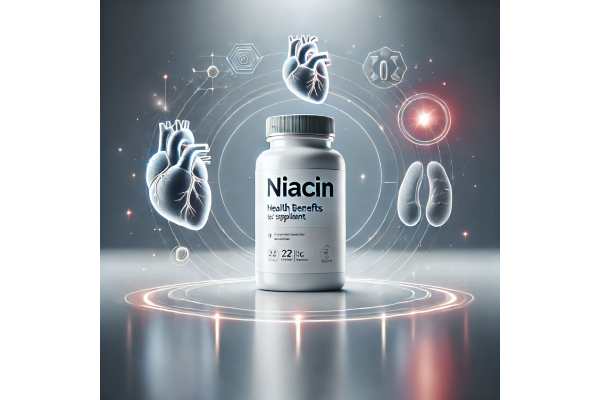
Niacin, also known as vitamin B3, is one of the most versatile B-vitamins. It supports hundreds of enzyme reactions involved in energy production, DNA repair, cholesterol metabolism, and cellular protection. In everyday life, niacin comes from foods such as poultry, meat, fish, grains, and fortified products, but it is also available in supplements ranging from low-dose multivitamins to high-dose therapeutic preparations. People are often interested in niacin for cholesterol management, brain and nerve health, skin health, and overall energy support. At the same time, high-dose niacin can cause flushing, liver stress, and changes in blood sugar, so it is not a benign supplement at pharmacologic doses. This guide explains what niacin is, how it works, the evidence behind its benefits, how to use it wisely, and which side effects and risks you need to understand before considering higher doses.
Key Insights on Niacin
- Niacin (vitamin B3) supports energy metabolism, DNA repair, and healthy skin, nerves, and digestion.
- High-dose niacin can improve cholesterol patterns but has not consistently reduced cardiovascular events in modern trials.
- Typical daily intakes for adults are 14–16 mg niacin equivalents from food, with 35 mg/day as the general upper limit from supplements for most adults.
- High-dose niacin (1,000–3,000 mg/day) should only be used under medical supervision due to risks such as flushing, liver injury, and changes in blood sugar.
- People with active liver disease, significant alcohol misuse, uncontrolled gout, or complicated diabetes should generally avoid high-dose niacin unless a specialist directs it.
Table of Contents
- What is niacin and how does it work?
- What are the main benefits of niacin?
- How much niacin per day is safe?
- Who might need niacin supplements?
- Niacin side effects and who should avoid it
- What current research says about niacin
What is niacin and how does it work?
Niacin is the generic name for a family of related compounds: nicotinic acid, nicotinamide (also called niacinamide), and several newer derivatives. Inside the body, these compounds are converted to coenzymes called NAD (nicotinamide adenine dinucleotide) and NADP. These coenzymes are central to redox reactions, which are the chemical exchanges that let cells convert food into usable energy and build or repair important molecules. They are involved in more than four hundred enzyme reactions, which is more than any other vitamin-derived cofactor.
NAD and NADP act like molecular “currency” that carry electrons and hydrogen atoms in metabolic pathways. NAD is mostly involved in breaking down carbohydrates, fats, and proteins to generate ATP, the main cellular energy molecule. NADP is more involved in building up molecules, including cholesterol, fatty acids, and certain hormones, and in maintaining antioxidant defenses within cells. When niacin intake is low, NAD and NADP levels fall, which disrupts these reactions and can eventually lead to deficiency symptoms.
Your body obtains niacin in three main ways. First, you absorb it directly from foods such as poultry, meat, fish, nuts, seeds, legumes, and fortified grains. Second, many enriched breads and cereals contain added niacin in a free, easily absorbed form. Third, your body can convert the amino acid tryptophan into niacin, so high-protein diets can compensate to some degree for lower direct niacin intake. This conversion is not perfectly efficient and varies among individuals.
Different supplemental forms behave differently. Nicotinic acid is the form that can significantly alter blood lipids at high doses but is also most likely to cause flushing and blood pressure changes. Nicotinamide does not cause flushing and is used more for deficiency, skin, and cell-energy–related uses, but it does not meaningfully improve cholesterol. “Flush-free” forms such as inositol hexanicotinate may release nicotinic acid very slowly and do not reliably reproduce the lipid effects seen with prescription niacin. Understanding these distinctions is critical before using niacin for specific health goals.
What are the main benefits of niacin?
Niacin’s best-established benefit is the prevention and treatment of pellagra, the classical deficiency disease. Pellagra is characterized by dermatitis (sun-exposed skin rash), diarrhea, and dementia, and can be fatal if untreated. It is uncommon in high-income countries thanks to food fortification and higher protein intake, but it still appears in settings of severe malnutrition, alcoholism, malabsorptive conditions, or certain rare metabolic disorders. In such cases, restoring adequate niacin intake quickly improves symptoms.
Beyond deficiency, niacin plays a broad supportive role in normal physiology. Adequate niacin status supports healthy nervous system function, normal digestion, and skin integrity. Many enzymes that repair DNA or protect against oxidative damage depend on NAD. This connection has prompted research into niacin and related compounds in areas like brain aging, neurodegenerative disorders, and metabolic health, although much of this work is still early stage.
Niacin’s role in cardiovascular health is more nuanced. In the past, high-dose nicotinic acid was widely used to treat dyslipidemia because it can lower triglycerides, reduce LDL cholesterol, and raise HDL cholesterol. Modern large clinical trials in people already treated with statins, however, have not shown consistent reductions in heart attacks or strokes when high-dose niacin is added. At the same time, these trials have reported more side effects, including flushing, gastrointestinal bleeding, new-onset diabetes, and liver problems. As a result, most current guidelines do not recommend routine use of high-dose niacin for cardiovascular prevention in statin-treated patients.
Niacin and nicotinamide also have emerging roles in dermatology. Nicotinamide has been studied for non-melanoma skin cancer prevention in people with a history of multiple skin cancers, and for inflammatory skin conditions such as acne and rosacea, mostly in oral or topical forms. Research suggests that nicotinamide may enhance DNA repair and reduce ultraviolet-induced immune suppression in the skin, but optimal dosing, duration, and long-term safety for broad use still require clarification.
In short, robust benefits are clear for deficiency correction and for maintaining normal metabolism and skin and nerve health. Therapeutic, high-dose uses beyond these, particularly for cardiovascular outcomes, are more controversial and must be individualized with careful risk–benefit analysis.
How much niacin per day is safe?
For healthy adults, niacin requirements are usually expressed as niacin equivalents (NE) to account for both preformed niacin and niacin derived from tryptophan. One NE equals 1 mg of niacin or 60 mg of tryptophan. Recommended intakes for adults are about 16 mg NE per day for men and 14 mg NE per day for women, with slightly higher values during pregnancy and lactation. Most people who eat a varied diet that includes animal protein, fortified grains, nuts, and legumes easily meet these levels through food alone.
Food sources are safe even at relatively high intakes because niacin from whole foods is limited and accompanied by other nutrients that promote balance. Typical servings of chicken, turkey, tuna, salmon, or beef may provide 8–15 mg of niacin, while enriched breads and breakfast cereals often contribute another 2–4 mg per serving. Because some tryptophan is also converted to niacin, total niacin equivalents from an adequate diet usually exceed the minimum requirement.
Supplements change the picture. Authorities in several regions have set a tolerable upper intake level of 35 mg per day for adults from supplements and fortified foods. This upper level is intended to minimize the risk of uncomfortable flushing and other early adverse effects in the general population and does not apply to medically supervised treatment. Many multivitamins provide 10–20 mg, which is within this range.
High-dose niacin used for therapeutic purposes, such as lipid lowering or pellagra treatment, can range from 300 mg per day to 3,000 mg per day or more. At these doses, niacin behaves more like a drug than a simple nutrient. Typical regimens for dyslipidemia use extended-release or immediate-release nicotinic acid, starting as low as 250–500 mg at bedtime and slowly increasing, often targeting 1,000–2,000 mg per day. Such dosing clearly exceeds the general upper intake level and must only be undertaken with regular medical monitoring of liver enzymes, blood glucose, uric acid, and overall tolerance.
Nicotinamide-based regimens for specific conditions, such as certain skin indications, often use doses like 500 mg twice daily. These do not cause flushing but still add to total niacin exposure and may affect liver function or metabolic markers in susceptible people. Because different forms of niacin have different risk profiles, product labels and professional guidance should be interpreted carefully.
In practice, most healthy adults only need dietary niacin plus a modest supplement if their intake is low. Doses up to the upper level from supplements are usually sufficient for general wellness. Intakes far above that range should be considered pharmacologic, not nutritional, and reserved for situations where benefits outweigh clearly explained risks.
Who might need niacin supplements?
Although outright niacin deficiency is uncommon in many countries, certain groups are at higher risk of inadequate status and may benefit from careful supplementation. People with diets that are low in both animal protein and fortified grains, such as those living with food insecurity or following severely restricted diets, can have low niacin intakes and limited tryptophan for conversion. In regions where untreated maize is a staple, pellagra historically occurred because the niacin in corn is poorly available unless processed with alkaline treatment.
Chronic alcohol misuse is a major risk factor for low niacin. Alcohol interferes with nutrient absorption, damages the intestinal lining, and displaces nutrient-dense foods. It also increases urinary loss of several B vitamins. Individuals with long-standing alcoholism may develop multiple deficiencies, including niacin, and often require supervised repletion.
Certain medical conditions also increase niacin needs. Malabsorptive disorders such as Crohn’s disease, celiac disease, or chronic diarrhea can reduce uptake of niacin and other water-soluble vitamins. People with carcinoid syndrome, where tryptophan is diverted to serotonin production, may have less tryptophan available for niacin synthesis and develop deficiency despite adequate intake. Patients on long-term parenteral or very restrictive enteral nutrition require carefully formulated solutions that include niacin.
Supplementation is standard in the treatment of pellagra or clear deficiency symptoms, usually with nicotinamide or nicotinic acid at doses ranging from a few hundred milligrams per day, tapered as the patient recovers. Medical teams often pair niacin with other B vitamins and nutritional rehabilitation, because deficiencies rarely occur in isolation.
Beyond deficiency, some people may consider niacin supplements for targeted purposes. Examples include:
- Individuals with limited dietary diversity who cannot easily increase intake through food.
- People with specific skin conditions for which nicotinamide has supportive evidence, under dermatologic guidance.
- Individuals with documented low niacin status or marginal intakes, confirmed by a dietitian or clinician.
High-dose nicotinic acid for cholesterol management is more controversial today. Given the lack of clear cardiovascular outcome benefits when added to modern statin therapy and the documented risks, most major guidelines now reserve its use for highly selected patients who cannot reach lipid targets with other agents and who fully understand the side effect profile.
Overall, supplemental niacin is best targeted rather than routine at high doses. For many people, focusing on niacin-rich foods and a standard multivitamin that provides close to the daily requirement is a safer and more sustainable approach.
Niacin side effects and who should avoid it
Niacin’s side effects depend strongly on dose and form. At dietary levels, niacin from food is considered very safe and does not cause noticeable adverse effects in healthy people. Problems arise mainly with supplemental or pharmacologic doses, especially nicotinic acid.
The most familiar reaction is the “niacin flush.” This is a transient warmth, redness, and itching, typically on the face, neck, and upper chest, appearing 15–30 minutes after taking immediate-release nicotinic acid. It occurs because niacin triggers prostaglandin-mediated dilation of small blood vessels in the skin. Although flushing is not dangerous by itself, it can be very uncomfortable and may limit adherence. Extended-release products somewhat smooth the peak but can still cause flushing, particularly at higher doses.
More serious risks become relevant when doses reach the hundreds or thousands of milligrams per day. High-dose niacin can stress the liver, leading to elevations in liver enzymes, hepatitis, or, very rarely, severe liver injury. Sustained-release or “time-release” preparations have been particularly associated with hepatotoxicity when used inappropriately. High-dose niacin can also worsen blood sugar control, increase insulin resistance, and raise uric acid levels, triggering or worsening gout in susceptible individuals.
Gastrointestinal side effects include nausea, indigestion, abdominal discomfort, and diarrhea. Some people experience headache, dizziness, or low blood pressure, especially when combining niacin with alcohol or blood-pressure–lowering medications. Eye complications such as blurred vision or macular edema have been reported in rare cases with very high doses. Niacin can interact with certain drugs, including statins, increasing the risk of muscle-related side effects.
Because of these risks, several groups should generally avoid high-dose niacin unless there is a compelling medical reason and close monitoring:
- People with active liver disease or unexplained elevated liver enzymes
- Those with significant or poorly controlled alcohol misuse
- Individuals with uncontrolled gout or very high baseline uric acid
- People with poorly controlled diabetes or metabolic syndrome, especially if other options are available
- Patients with active peptic ulcer disease or a history of severe gastrointestinal bleeding
- Individuals with known hypersensitivity to niacin products
Pregnancy and breastfeeding also warrant caution. While meeting normal dietary requirements is important in these life stages, pharmacologic doses used for dyslipidemia have not been proven safe and may pose risks. Children should not receive high-dose niacin except under specialist supervision for clearly defined indications.
Anyone experiencing persistent abdominal pain, jaundice, dark urine, unusual fatigue, significant mood changes, visual changes, or severe skin reactions while taking niacin should stop the supplement and seek medical evaluation promptly. In the context of appropriate dosing and regular monitoring, many side effects are reversible, but early recognition is essential.
What current research says about niacin
Modern research on niacin paints a mixed picture, reflecting both its essential biological roles and the limitations of high-dose therapy in certain settings. On the basic science side, there is strong and growing interest in NAD metabolism, sirtuin enzymes, and how niacin-related pathways influence aging, DNA repair, and mitochondrial function. These lines of research have helped explain why niacin deficiency is so damaging and why adequate intake supports cellular resilience.
Clinically, the story is more complex. Earlier studies from the pre-statin era suggested that high-dose nicotinic acid could reduce cardiovascular events in people with dyslipidemia. However, more recent large randomized trials in statin-treated patients, such as extended-release niacin studies in high-risk cardiovascular populations, did not show additional reductions in heart attacks, strokes, or mortality despite favorable changes in HDL and triglycerides. At the same time, they revealed more adverse events, including disturbances in glucose metabolism, gastrointestinal complications, and infections. These findings influenced regulatory decisions that withdrew support for routine niacin–statin combinations in cardiovascular prevention.
In dermatology and oncology, nicotinamide has attracted attention as a potential chemopreventive agent against non-melanoma skin cancers in high-risk individuals. Clinical trials have explored doses such as 500 mg twice daily over periods of one year or longer. Some studies have suggested meaningful reductions in new actinic keratoses and non-melanoma skin cancers, while systematic reviews have highlighted the need for more data and careful evaluation of long-term safety, especially outside very high-risk groups. Because nicotinamide does not cause flushing and has a somewhat different safety profile from nicotinic acid, these findings cannot simply be extended to other niacin forms.
Researchers are also examining niacin and nicotinamide in neurodegenerative diseases, mood disorders, and metabolic conditions, often focusing on NAD-related pathways or inflammation. Much of this work remains preliminary, with small sample sizes or surrogate outcomes. At this stage, it is premature to recommend high-dose niacin or nicotinamide broadly for brain or longevity purposes, particularly given the known risks at high doses.
Public health research continues to support the importance of maintaining adequate, but not excessive, niacin intake through diet and standard supplementation. Food fortification with niacin played a major role in eliminating pellagra in many countries, and ensuring that vulnerable populations have access to niacin-rich foods remains a priority. For most people, a balanced diet and routine multivitamin provide all the niacin needed to support normal physiology.
Overall, current evidence suggests a “U-shaped” relationship: too little niacin leads to deficiency and serious disease, while very high doses offer limited additional benefit for major outcomes and increase the risk of adverse effects. The most evidence-based strategy is to secure adequate intake from diet, use modest supplements when indicated, and reserve high-dose regimens for carefully selected situations under experienced medical supervision.
References
- Niacin – Health Professional Fact Sheet 2024 (Guideline)
- Niacin – Vitamin B3 • The Nutrition Source 2023 (Overview)
- Niacin – StatPearls – NCBI Bookshelf 2025 (Review)
- HPS2-THRIVE randomized placebo-controlled trial in 25,673 high-risk patients of ER niacin/laropiprant: trial design, pre-specified muscle and liver outcomes, and reasons for stopping study treatment 2014 (RCT)
- The Role of Nicotinamide as Chemo-Preventive Agent in NMSCs: A Systematic Review and Meta-Analysis 2024 (Systematic Review)
Disclaimer
The information in this article is for general educational purposes only and is not intended to replace personalized medical advice, diagnosis, or treatment. Niacin can interact with medications and may cause significant side effects at higher doses. Never start, stop, or change any supplement or medication, especially high-dose niacin products, without consulting a qualified healthcare professional who knows your medical history and current treatments. If you have symptoms of deficiency, liver disease, gout, diabetes, cardiovascular disease, pregnancy, or any chronic condition, seek medical guidance before using niacin supplements.
If you found this article useful, you are warmly invited to share it with others on Facebook, X (formerly Twitter), or any platform you prefer, and to follow our work on social media. Your thoughtful support by sharing our content helps our team continue creating balanced, evidence-informed health articles.