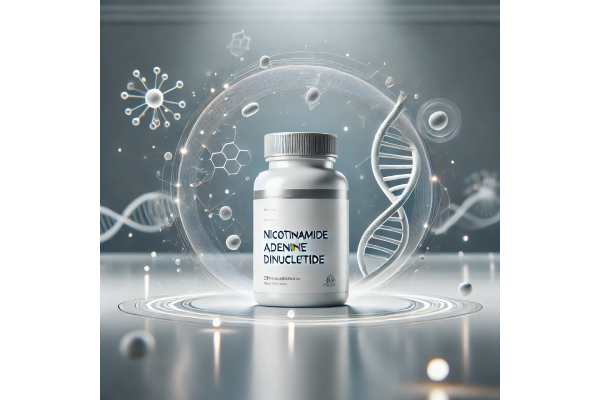
Nicotinamide adenine dinucleotide (NAD) is a small molecule with a very large job. Present in every living cell, it helps turn food into energy, supports DNA repair, and powers enzymes that influence how cells respond to stress and aging. As people get older, NAD levels generally fall, and this decline has been linked to reduced metabolic resilience, impaired muscle function, and an increased burden of age-related disease. Because of this, “NAD boosters” such as nicotinamide riboside (NR), nicotinamide mononucleotide (NMN), NADH, and related compounds have become popular supplements.
This guide explains what NAD is, how NAD-related supplements may work, and what human research actually shows so far. You will learn about potential benefits, realistic expectations, dosage ranges studied in clinical trials, and important safety considerations, including who should avoid these products or use them only with medical supervision.
Key Insights
- NAD is an essential coenzyme for energy production, DNA repair, and cellular stress responses, and its levels tend to decline with age.
- Human trials of NAD precursors show reliable increases in blood NAD levels but only modest and mixed benefits for metabolism, cardiovascular health, and physical function.
- Common studied oral doses are 250–1,000 mg/day for nicotinamide riboside, 250–600 mg/day for nicotinamide mononucleotide, and 5–20 mg/day for NADH, usually divided.
- Side effects are usually mild (nausea, digestive upset, flushing, headache), but higher doses may affect liver enzymes, blood lipids, or glucose control in some people.
- People who are pregnant or breastfeeding, under 18, living with active cancer, or treated for serious liver, kidney, or autoimmune disease should avoid NAD-boosting supplements unless a specialist explicitly recommends them.
Table of Contents
- What is nicotinamide adenine dinucleotide?
- How nicotinamide adenine dinucleotide supports health
- Forms of nicotinamide adenine dinucleotide supplements
- Nicotinamide adenine dinucleotide dosage and how to use it
- Side effects of nicotinamide adenine dinucleotide and who should avoid it
- What the research says about nicotinamide adenine dinucleotide
What is nicotinamide adenine dinucleotide?
Nicotinamide adenine dinucleotide (NAD) is a coenzyme derived from vitamin B3 (niacin). It exists mainly in two interconvertible forms: NAD⁺ (oxidized) and NADH (reduced). In practice, you can think of NAD as a molecular “shuttle” that moves electrons around during metabolic reactions. When your cells burn carbohydrates, fats, and proteins to produce ATP, NAD⁺ accepts electrons to become NADH, and NADH then donates those electrons to the mitochondrial respiratory chain to help generate energy.
NAD also has important roles beyond energy metabolism. It serves as a raw material for specialized enzymes that control DNA repair, gene expression, and cell survival, including sirtuins, poly(ADP-ribose) polymerases (PARPs), and CD38. These enzymes consume NAD⁺ as they work, breaking it apart and releasing nicotinamide. The body must continuously recycle or resynthesize NAD to keep up with this demand.
Your body can make NAD from several sources:
- Dietary niacin (nicotinic acid and nicotinamide, sometimes called niacinamide).
- Tryptophan, an amino acid found in protein-rich foods.
- Pre-formed intermediates, such as nicotinamide riboside (NR) and nicotinamide mononucleotide (NMN), which are present in small amounts in foods and can also be taken as supplements.
In youth, the balance between NAD synthesis and consumption is usually favorable. With age and chronic stress, this balance often shifts. Enzymes that break down NAD, such as CD38 and PARPs, can become more active due to inflammation, genomic damage, and metabolic stress, while some synthetic pathways slow down. Studies in animals and humans have documented NAD⁺ declines of roughly 10–50 percent in several tissues with aging, although the exact magnitude varies by organ and method of measurement.
It is important to distinguish between NAD as a molecule in your cells and NAD-related supplements on the market. Most oral supplements do not deliver large amounts of NAD⁺ itself, because NAD is unstable in the gut and poorly transported intact into many tissues. Instead, they provide precursors (NR, NMN, niacin, nicotinamide) or small amounts of reduced NAD (NADH) that your body can potentially convert into NAD.
Finally, NAD is not nicotine, and it is not the same as NADP⁺ or FAD, which are related but distinct cofactors. When you read about “NAD boosters,” the focus is almost always on NAD⁺ and its immediate precursors.
How nicotinamide adenine dinucleotide supports health
Because NAD is involved in hundreds of reactions, its influence on health is broad rather than narrow. Most proposed benefits of NAD-boosting supplements stem from a few key biological roles.
1. Energy metabolism and fatigue
NAD⁺ and NADH are critical in glycolysis, the tricarboxylic acid (TCA) cycle, and mitochondrial respiration. When NAD⁺ levels fall, these pathways may operate less efficiently, especially under stress. Animal studies show that boosting NAD⁺ can improve mitochondrial function and exercise capacity in some settings. Human trials with NR and NMN have shown reliable increases in blood NAD-related metabolites, but effects on energy levels and performance are modest and inconsistent. Some studies report small improvements in submaximal aerobic capacity or gait speed, while others show no clear benefit.
2. DNA repair and cellular stress responses
PARP enzymes use NAD⁺ to help repair DNA damage. Sirtuins, another family of NAD-dependent enzymes, regulate gene expression, inflammation, and stress resistance. In models of aging, obesity, and neurodegeneration, raising NAD⁺ often improves markers of DNA repair, reduces oxidative stress, and normalizes some stress-response pathways. This has led to the idea that NAD support could promote “healthspan” by helping cells cope with day-to-day damage more effectively.
3. Metabolic and cardiovascular health
In rodents, NAD precursors can improve insulin sensitivity, reduce fatty liver, and protect against diet-induced obesity. Human data are more cautious. Clinical trials with NR or NMN in overweight or older adults have largely failed to show major improvements in insulin sensitivity, fasting glucose, or body weight. Some studies suggest minor benefits in blood pressure, arterial stiffness, or lipid profiles, but these findings are not consistent across trials and often appear only in subgroups.
4. Brain and nerve function
NAD is important for neuronal energy metabolism, axon integrity, and responses to injury. Animal experiments suggest that increasing NAD⁺ can protect neurons in models of neurodegeneration and nerve trauma. Early human work with NR has shown increased NAD-related metabolites in the brain and small changes in inflammatory markers and functional scores in conditions such as Parkinson’s disease, but sample sizes are small and designs often exploratory. At present, NAD-boosting supplements cannot be considered proven neuroprotective therapies.
5. Immune function and inflammation
Several human trials report that NR or NMN supplementation lowers certain inflammatory cytokines in blood or cerebrospinal fluid, especially in older adults or people with chronic disease. It is not yet clear whether these changes translate to meaningful clinical outcomes, but modulation of low-grade chronic inflammation (“inflammaging”) is one of the more plausible mechanisms by which NAD support might influence long-term health.
Overall, the best-supported effect in humans is raising blood NAD⁺ and related metabolites. Benefits on symptoms or disease outcomes are more subtle and variable, and most evidence comes from short-term studies. NAD-boosting supplements should be viewed as experimental metabolic modulators rather than established anti-aging treatments.
Forms of nicotinamide adenine dinucleotide supplements
NAD-related products differ in chemistry, dosing, and the amount of research behind them. Understanding these distinctions helps you interpret labels and choose more rationally, together with your clinician.
1. Classical vitamin B3 forms: niacin and nicotinamide
- Nicotinic acid (niacin) has long been used at prescription doses (often 1,000–3,000 mg/day) for cholesterol management. It raises NAD⁺ indirectly but is more famous for its “niacin flush” (intense warmth and redness) and, at high doses, potential liver toxicity and effects on glucose and uric acid.
- Nicotinamide (niacinamide) is a non-flushing form that supports NAD⁺ synthesis through the salvage pathway. At modest doses (for example 100–500 mg/day as part of multivitamins or skin health regimens), it appears generally safe. At higher daily intakes over time, there is concern about liver strain, interactions with methylation, and inhibition of sirtuins, since nicotinamide is both a precursor and a feedback inhibitor of these enzymes.
These forms are widely available and well characterized as vitamins, but they are not tailored NAD “boosters” in the modern longevity sense.
2. Nicotinamide riboside (NR)
NR is a newer B3 derivative that has received significant research attention. It is converted to NMN and then to NAD⁺ via specific kinases. Human trials show that oral NR reliably increases blood NAD⁺ and several NAD-related metabolites over doses from about 100 to 2,000 mg/day. Safety data up to 2,000 mg/day for several weeks or months are generally reassuring, with most side effects being mild gastrointestinal symptoms or flushing-like sensations.
Because NR is better tolerated than high-dose niacin and may avoid some of nicotinamide’s inhibitory effects on sirtuins at typical doses, it is a common choice among NAD-focused supplements. However, the clinical benefits beyond NAD⁺ elevation remain modest and inconsistent.
3. Nicotinamide mononucleotide (NMN)
NMN is a direct intermediate in NAD⁺ synthesis. It can be formed from nicotinamide or NR and then converted into NAD⁺. Interest in NMN has grown rapidly, and multiple human trials now show that oral doses from 100 to 1,200 mg/day can increase blood NAD⁺ levels and appear safe over periods of 4–12 weeks in selected populations.
Because NMN sits closer to NAD⁺ in the pathway, some marketers claim it is a superior NAD booster. Current data suggest that NMN and NR both raise NAD⁺, though the pattern and tissue distribution of metabolites may differ. Recently, regulatory authorities in some regions, including the United States, have clarified that NMN can be lawfully sold as a dietary ingredient, but rules may still vary by country. It is important to check local regulations and choose reputable products that test for purity and potency.
4. NADH and NAD⁺ formulations
A few supplements contain NADH (the reduced form) in small doses (often 5–20 mg/day), sometimes marketed for fatigue or cognitive support. Evidence is limited and mixed, though safety at these low doses appears acceptable for most healthy adults. Direct NAD⁺ capsules or intravenous NAD infusions are also promoted by some clinics. Oral NAD⁺ is likely broken down in the gut, and intravenous infusions should be considered medical procedures, not wellness treatments, and only undertaken with appropriate medical oversight and clear indications.
5. Combination products
Several commercial products combine NR or NMN with other compounds such as pterostilbene, resveratrol, quercetin, or mitochondrial nutrients. The idea is to support multiple aging-related pathways at once. A few trials have tested NR combined with pterostilbene, with some signals for improvements in selected functional measures and liver markers, but the evidence base is still small. Combination formulas may also make it more difficult to attribute benefits or side effects to a specific ingredient.
In practice, most of the human research that exists centers on single-ingredient NR or NMN. If you and your clinician decide to try an NAD-related supplement, starting with a single well-characterized precursor can make monitoring and adjustment simpler.
Nicotinamide adenine dinucleotide dosage and how to use it
There is no official recommended daily allowance for NAD⁺ itself, and regulatory bodies typically frame requirements in terms of total niacin (vitamin B3). NAD-focused supplements are therefore guided by clinical trial experience rather than formal nutrient targets. The ranges below are general research-based reference points, not personal medical advice.
1. Nicotinamide riboside (NR)
Human trials have tested NR in doses from 100 mg/day up to 2,000 mg/day, usually over 3–20 weeks. Findings include:
- 100–300 mg/day: Increases blood NAD⁺ modestly; often used in general wellness products.
- 300–1,000 mg/day: Frequently used in studies of midlife and older adults, with clear dose-dependent increases in NAD⁺.
- Up to 2,000 mg/day: Used in some safety and metabolic trials without major safety signals, but with more frequent mild side effects (nausea, digestive discomfort, headache).
For many adults exploring NR with medical oversight, a typical studied range is 250–500 mg once or twice daily, taken with food or as directed. Higher doses should be considered only under professional supervision, especially if you have any liver, kidney, or cardiovascular conditions or take multiple medications.
2. Nicotinamide mononucleotide (NMN)
Clinical trials have used NMN in various designs:
- Single escalating doses (100, 250, 500 mg) to assess acute safety.
- Daily doses of 250–300 mg/day for 10–12 weeks in older or metabolic-risk cohorts.
- Doses of 300–1,200 mg/day over 4–12 weeks in generally healthy adults, runners, or midlife adults, with good tolerability and rises in blood NAD⁺.
From these studies, a pragmatic evidence-based range is 250–600 mg/day, usually taken once daily or divided into two doses. Some protocols use up to 900–1,200 mg/day, but data at these higher doses remain more limited, and long-term safety is not fully known.
3. NADH and classical niacin forms
- NADH: Typical supplemental doses are 5–20 mg/day, sometimes used in small trials for fatigue or cognitive conditions. Evidence is not strong, but this range appears tolerable for most adults without major comorbidities.
- Nicotinamide (niacinamide): Frequently used at 100–500 mg/day for skin and general health in dermatology and nutrition settings. Long-term intakes above roughly 1,000–1,500 mg/day can stress the liver or disrupt methylation in some individuals.
- Nicotinic acid (niacin): High-dose use (1,000–3,000 mg/day) for lipid management should remain a supervised medical therapy due to flushing, liver toxicity risk, and metabolic effects.
4. Practical usage guidelines
If you and your clinician decide that a trial of an NAD-boosting supplement is appropriate, consider the following steps:
- Start low, go slow. Begin at the lower end of a studied range, such as 250 mg/day for NR or NMN, and maintain this for several weeks before considering any increase.
- Take with food. Many people find NR or NMN more comfortable when taken with breakfast or the main meal, which may reduce nausea or heartburn.
- Monitor response and labs. For higher doses or longer-term use, periodic checks of liver enzymes, kidney function, fasting glucose, and lipids are prudent, especially in older adults or those with pre-existing conditions.
- Avoid “megadoses” and stacking. Combining high-dose NR, NMN, niacin, and multiple other longevity products increases uncertainty and may raise the risk of interactions or metabolic imbalances.
- Set realistic goals and time frames. Most trials run 4–12 weeks. If no clear benefit appears and you remain well, discuss with your clinician whether to stop, continue, or adjust, rather than assuming that more is always better.
Because individual responses vary and many outcomes are subtle, NAD-related supplements should be viewed as one possible tool within a broader lifestyle strategy emphasizing nutrition, physical activity, sleep, and management of blood pressure, lipids, and glucose.
Side effects of nicotinamide adenine dinucleotide and who should avoid it
In controlled studies, NAD precursors such as NR and NMN have generally shown good short-term safety in carefully selected adults. However, “generally safe in trials” does not mean “risk free for everyone,” and real-world use often involves older adults with complex medical histories.
Commonly reported side effects
At typical doses, side effects are usually mild and often resolve with dose reduction or taking the supplement with food. They can include:
- Nausea, indigestion, or abdominal discomfort.
- Loose stools or diarrhea.
- Headache or a feeling of pressure.
- Flushing or warmth, especially with niacin or higher doses of NAD-related compounds.
- Sleep changes (some people feel more alert, others more wired or restless).
Many trials report similar rates of mild side effects in placebo and active groups, but individual sensitivity varies.
Potential laboratory and metabolic changes
Some NAD-precursor studies have detected subtle laboratory changes:
- Liver enzymes: Mild, usually clinically insignificant changes have been reported in some studies, though overt liver injury is rare at studied doses.
- Lipids: A few trials with NR or combination products have observed increases in LDL cholesterol or triglycerides, while others show neutral or modestly favorable changes.
- Glucose and insulin: Most trials show neutral effects on fasting glucose and insulin; some report small improvements, others slight worsening.
- Uric acid and methylation markers: Very high intakes of nicotinamide or related metabolites may influence uric acid or methylation-related markers in some individuals.
These findings highlight the value of periodic blood tests during long-term or higher-dose use.
Who should avoid NAD-boosting supplements or use them only under specialist care
NAD-related supplements are not appropriate for everyone. Extra caution is warranted in the following situations:
- Pregnancy and breastfeeding: There is insufficient safety data for high-dose NAD precursors in pregnant or lactating women. Routine supplementation beyond standard prenatal vitamins should be avoided unless a specialist clearly indicates otherwise.
- Children and adolescents: Developing bodies have different metabolic needs and sensitivities. NAD precursors at pharmacologic doses have not been adequately tested in this group; they should be used only in the context of a clinical trial or specialist-directed therapy.
- Active cancer or recent history of cancer: Many tumors rely heavily on NAD-dependent pathways for growth and DNA repair. Although it is not proven that NAD boosters accelerate cancer, theoretical concerns exist, and oncologists often advise against unsupervised use in people with active malignancy or in those undergoing chemotherapy, radiotherapy, or targeted treatments.
- Significant liver or kidney disease: Because NAD metabolites are processed and eliminated through the liver and kidneys, people with moderate to severe impairment should avoid high-dose NAD precursors unless managed within a specialist setting with close monitoring.
- Autoimmune disease or immunotherapy: NAD-related pathways can modulate immune responses. Until more is known, people on potent immune-modifying drugs (such as biologic agents or checkpoint inhibitors) should not add NAD boosters without explicit guidance from their treating physician.
- Multiple medications with narrow therapeutic windows: Complex polypharmacy, especially involving anticoagulants, antiarrhythmics, or strong enzyme inducers/inhibitors, increases the need for review by a pharmacist or physician before adding any new high-dose supplement.
Even in apparently healthy adults, it is wise to treat NAD boosters as active interventions, not neutral “vitamins.” A thoughtful discussion with a qualified professional should cover your goals, personal and family medical history, current medications, and the possible need for baseline and follow-up blood tests.
If you experience persistent symptoms such as severe fatigue, chest pain, new palpitations, jaundice (yellowing of the skin or eyes), dark urine, severe abdominal pain, or neurological changes after starting an NAD-related product, stop the product and seek medical evaluation promptly.
What the research says about nicotinamide adenine dinucleotide
Over the last decade, NAD biology has moved from a niche topic to a major focus of aging and metabolism research. The key messages from current evidence can be summarized as follows.
1. NAD levels decline with age and in many diseases
Multiple studies in animals and humans show that NAD⁺ levels decrease in several tissues with aging and in conditions such as obesity, neurodegeneration, and heart failure. This decline appears to result from a combination of increased consumption by enzymes involved in DNA repair and inflammation, reduced synthesis from dietary precursors, and changes in mitochondrial function and tissue composition.
2. NAD precursors reliably raise blood NAD, but tissue responses vary
Both NR and NMN have been shown to:
- Increase NAD⁺ and related metabolites in blood and, in some studies, in peripheral blood mononuclear cells and certain tissues.
- Do so in a dose-dependent manner over a range of 100–2,000 mg/day for NR and 250–1,200 mg/day for NMN.
However, increases in NAD⁺ within specific organs like skeletal muscle, liver, or brain are less consistent. Some trials detect robust changes in those tissues, while others find little or no difference despite clear changes in blood markers. This suggests that the distribution and utilization of NAD precursors is complex and may differ between individuals and organs.
3. Clinical benefits in humans are modest and selective so far
Rodent models show striking improvements in metabolic health, endurance, and disease markers when NAD is boosted. In humans, the picture is more restrained:
- Metabolic outcomes: Several well-designed randomized controlled trials in overweight or insulin-resistant adults have found that NR or NMN raised NAD⁺ but did not significantly improve insulin sensitivity, body weight, or resting energy expenditure. A few studies have observed small favorable changes in fat mass, HDL cholesterol, or hemoglobin A1c in specific subgroups, but these findings are not universal.
- Cardiovascular markers: Some research suggests that NR can modestly reduce blood pressure or arterial stiffness in midlife and older adults with elevated baseline values, while others show no effect. The overall conclusion is that any cardiovascular benefit is likely modest and may apply only to certain phenotypes.
- Physical function: Trials using NMN in healthy middle-aged or older adults and recreational runners have reported improvements in certain measures, such as walking distance in a six-minute walk test or aspects of aerobic capacity, particularly at doses around 600–900 mg/day. Not all studies replicate these outcomes.
- Neurological and inflammatory measures: Studies in Parkinson’s disease and other conditions show reductions in some inflammatory cytokines and changes in gene expression related to mitochondrial and lysosomal function with NR supplementation, but clinical improvements are small and require confirmation in larger, longer trials.
Overall, the evidence suggests that NAD-boosting therapy is biologically active and generally safe in the short to medium term, but its clinical benefits for otherwise healthy people are modest, uncertain, and not yet strong enough to justify claims of broad anti-aging or disease-reversing effects.
4. Outstanding questions and future directions
Key areas where more research is needed include:
- Long-term safety and outcomes: Most trials last 1–6 months. We have very limited data on multi-year use, especially in people with chronic illnesses.
- Optimal dosing and timing: It is not yet clear whether lower continuous doses, higher intermittent doses, or cycling strategies offer the best balance of efficacy and safety.
- Target populations: NAD-boosting supplements may be more beneficial for individuals with specific deficiencies or diseases (for example, certain mitochondrial disorders, neurodegenerative conditions, or severe inflammatory states) than for broadly healthy adults.
- Interactions with other interventions: How NAD precursors interact with calorie restriction, exercise, other supplements, or medications remains under investigation.
- Cancer and cell proliferation: Given NAD’s importance for rapidly dividing cells, more data are needed to understand how chronic NAD boosting might affect cancer risk, progression, or therapeutic responses.
For now, NAD-related supplements are best regarded as promising but still experimental tools for modulating cellular metabolism and stress responses. They should complement, not replace, established health practices such as active living, high-quality nutrition, sleep, and evidence-based management of blood pressure, cholesterol, and blood sugar.
References
- Nicotinamide Adenine Dinucleotide in Aging Biology: Potential Applications and Many Unknowns 2023 (Systematic Review)
- Age-related NAD+ decline 2020 (Review)
- Dietary Supplementation With NAD+-Boosting Compounds in Humans: Current Knowledge and Future Directions 2023 (Systematic Review)
- What is really known about the effects of nicotinamide riboside supplementation in humans 2023 (Systematic Review)
- Oral Administration of Nicotinamide Mononucleotide Is Safe and Efficiently Increases Blood Nicotinamide Adenine Dinucleotide Levels in Healthy Subjects 2022 (RCT)
Disclaimer
The information in this article is for general educational purposes only and is not intended to provide medical advice, diagnosis, or treatment. Nicotinamide adenine dinucleotide and its precursors can affect metabolism and interact with health conditions and medications. Always speak with a qualified healthcare professional before starting, changing, or stopping any supplement, including nicotinamide riboside, nicotinamide mononucleotide, NADH, niacin, or related products. Never disregard professional medical advice or delay seeking it because of something you have read here. If you have symptoms or health concerns, consult your doctor or another licensed clinician promptly.
If you found this guide helpful, you are warmly invited to share it with others on Facebook, X (formerly Twitter), or any platform you prefer, and to follow our work on social media. Your thoughtful support by sharing our articles helps our team continue to research and publish clear, evidence-informed health content.