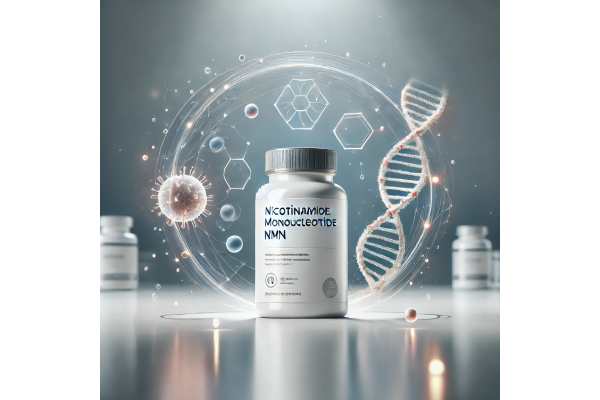
Nicotinamide mononucleotide (NMN) has become one of the most talked-about “longevity” supplements because it is a direct precursor to nicotinamide adenine dinucleotide (NAD), a coenzyme central to energy production, DNA repair, and cellular stress responses. As people age, NAD levels generally decline, and this drop is linked with reduced metabolic resilience, muscle weakness, and greater vulnerability to age-related disease. NMN aims to counter this decline by supplying a building block your cells can convert into NAD.
Human clinical trials show that oral NMN can safely raise blood NAD levels and may modestly improve physical performance and certain health markers in middle-aged and older adults at doses up to about 900–1,200 mg/day over several weeks to months. At the same time, results for glucose, lipids, and body weight are mixed, and long-term safety data are still limited. This guide explains how NMN works, what current research actually shows, typical dosage ranges used in trials, and who should approach this supplement with particular caution.
Essential Insights for NMN
- NMN is a vitamin B3–derived precursor that reliably increases blood NAD levels in humans at daily doses of 250–900 mg.
- Randomized trials report modest improvements in walking distance, muscle function, or arterial stiffness in selected middle-aged and older adults, but metabolic benefits are inconsistent.
- Common studied oral doses range from 250–600 mg/day, with some trials using up to 900–1,200 mg/day for 6–12 weeks under clinical supervision.
- Short-term side effects are usually mild (digestive upset, headache, flushing), but long-term effects on liver, lipids, and glucose are not fully understood.
- People who are pregnant or breastfeeding, under 18, living with active cancer, or managing serious liver, kidney, or autoimmune disease should avoid NMN unless a specialist clearly advises otherwise.
Table of Contents
- What is nicotinamide mononucleotide?
- How nicotinamide mononucleotide may support health
- Nicotinamide mononucleotide supplement forms and quality
- How much nicotinamide mononucleotide per day?
- Side effects of nicotinamide mononucleotide and who should avoid it
- What current research says about nicotinamide mononucleotide
What is nicotinamide mononucleotide?
Nicotinamide mononucleotide (NMN) is a nucleotide made from nicotinamide (a form of vitamin B3) linked to a sugar phosphate. Inside your cells, NMN sits just one step away from nicotinamide adenine dinucleotide (NAD), an essential coenzyme involved in hundreds of biochemical reactions. NAD cycles between oxidized (NAD⁺) and reduced (NADH) forms to move electrons through pathways that convert food into ATP, the main energy currency of the cell.
Your body can make NMN in several ways: from dietary niacin, from tryptophan (an amino acid in protein), or from nicotinamide riboside (NR), another popular NAD precursor. Enzymes such as nicotinamide phosphoribosyltransferase (NAMPT) and NMN adenylyltransferases convert these inputs into NMN and then into NAD⁺. In youthful, healthy cells, these pathways generally keep NAD⁺ levels high enough to support energy production, DNA repair, and stress responses.
As people age or experience chronic metabolic and inflammatory stress, NAD⁺ levels often decline. Enzymes that consume NAD⁺, including poly(ADP-ribose) polymerases (PARPs), sirtuins, and CD38, may become more active, while synthetic pathways may not keep pace. This imbalance is one reason interest has grown in supplying extra precursors such as NMN to restore NAD⁺ availability.
When taken orally, NMN appears to be absorbed and processed by the liver and other tissues into NAD⁺ and related metabolites. Early pharmacokinetic work with single doses in healthy volunteers showed that amounts between 100 and 500 mg were well tolerated and produced dose-dependent changes in NAD-related breakdown products, indicating active metabolism. Later trials using repeated daily dosing confirmed that 250–900 mg/day of NMN for 8–12 weeks increases whole-blood NAD⁺ and related metabolites without major safety signals in carefully selected adults.
It is important to distinguish NMN from other vitamin B3 forms:
- Niacin (nicotinic acid) is a classical cholesterol-lowering drug at high doses and causes flushing.
- Nicotinamide (niacinamide) does not cause flushing and is widely used in skin and multivitamin formulas.
- NR (nicotinamide riboside) is a different NAD precursor that has also been studied in human trials.
All of these can support NAD synthesis, but they differ in chemistry, dosing, and side-effect profiles. NMN’s appeal rests on being a direct NAD⁺ precursor with a growing body of human clinical data.
How nicotinamide mononucleotide may support health
Most proposed benefits of NMN come from its ability to raise NAD⁺ and influence NAD-dependent enzymes. Human trials are still relatively small and short, but several themes are emerging.
Energy metabolism and physical performance
NAD⁺ and NADH sit at the heart of mitochondrial energy production. By boosting NAD⁺, NMN might help cells produce ATP more efficiently during stress or aging. In a 12-week trial in healthy older men, daily 250 mg NMN raised blood NAD⁺ metabolites and produced nominal improvements in walking speed and grip strength, suggesting better muscle function, although body composition did not change. A separate 60-day multicenter trial in middle-aged adults using 300, 600, or 900 mg/day showed dose-dependent increases in blood NAD, along with longer distances in a six-minute walk test, with the largest gains at 600–900 mg/day.
Systematic reviews that focus on physical performance now conclude that NMN supplementation, across doses up to about 1,200 mg/day, is generally safe and can improve certain performance parameters (such as walking distance or lower-limb function) in older or less fit individuals. Effects are modest rather than dramatic, but they appear consistent enough to be meaningful for some people.
Metabolic and cardiovascular markers
In animal models, NMN can improve insulin sensitivity, reduce fatty liver, and normalize some aspects of lipid metabolism. Human results are more restrained. A randomized trial in women with prediabetes found that NMN increased muscle insulin sensitivity but had limited impact on whole-body glucose control. Other trials in generally healthy or middle-aged adults show small or neutral effects on fasting glucose, insulin, and lipid profiles, without clear, large changes in body weight.
Cardiovascular markers such as arterial stiffness and blood pressure are under active investigation. One 12-week study suggested that 250 mg/day of NMN might help alleviate age-related arterial stiffness in middle-aged adults with elevated baseline values, but these results still need replication in larger, more diverse populations.
Cellular stress, inflammation, and aging biology
At the cellular level, NAD⁺ fuels sirtuins and other enzymes that influence DNA repair, oxidative stress, and inflammatory signaling. Preclinical work indicates that NMN can improve mitochondrial function, reduce markers of oxidative damage, and enhance resilience in tissues such as liver, brain, and muscle. Human trials increasingly measure biomarkers of inflammation, oxidative stress, or “biological age,” but findings are still preliminary. For example, the multicenter dose-dependent trial in middle-aged adults found that biological age estimates increased in the placebo group but remained stable in all NMN groups over 60 days, hinting at a protective effect over that short window.
Overall, current evidence supports the idea that NMN is a biologically active way to raise NAD⁺ in humans and may modestly improve physical performance and certain vascular or metabolic markers, especially in older adults or those with lower baseline function. It is not yet a proven treatment for specific diseases, nor a guarantee of slower aging.
Nicotinamide mononucleotide supplement forms and quality
With NMN’s popularity, the marketplace has filled with powders, capsules, “sublingual” tablets, and combination formulas. Understanding the differences can help you evaluate products more critically and discuss options with a healthcare professional.
Common supplement formats
- Capsules and tablets: The most common forms, typically providing 125–500 mg per capsule or tablet. These are convenient for standardized dosing and often combined with other ingredients.
- Powders: Sometimes marketed for flexible dosing or cost savings. Powders require accurate measurement (preferably with a milligram scale) and careful storage to protect from moisture and heat.
- Sublingual formulations: Designed to dissolve under the tongue with the idea of bypassing the gut and liver. Evidence that sublingual NMN leads to superior NAD⁺ increases in humans is limited; most clinical trials to date have used standard oral capsules.
- Combination products: Many brands mix NMN with compounds such as resveratrol, quercetin, pterostilbene, coenzyme Q10, or mitochondrial nutrients. These blends aim to target multiple aging pathways at once, but they also make it harder to know which ingredient is doing what and can complicate safety monitoring.
Stability and purity considerations
NMN is more fragile than some vitamins and can degrade with prolonged exposure to moisture, heat, or poor manufacturing conditions. Independent analyses have found that not all NMN products contain their labeled dose or are free from impurities. A high-quality product should ideally:
- Be manufactured according to good manufacturing practices (GMP).
- Provide a certificate of analysis from an independent laboratory confirming identity, purity, and absence of heavy metals, microbes, and common contaminants.
- Clearly state the NMN content per capsule or serving (and whether it is β-NMN, the biologically relevant isomer).
- Include clear storage instructions, such as keeping the product in a cool, dry place.
Because NMN interacts with core cellular processes, using products from reputable companies with transparent testing is especially important.
Regulatory status
Regulation varies by country. In the United States, NMN has gone through a complex regulatory path. After initial questions about whether NMN could be sold as a dietary supplement, the Food and Drug Administration concluded in 2025 that NMN is lawful for use in dietary supplements, partly because it had been marketed as such before certain drug investigations began. Even so, NMN is treated as a new dietary ingredient, meaning manufacturers are expected to submit safety notifications, and products must still comply with general supplement regulations. Other jurisdictions, including regions in Asia and the European Union, maintain their own rules, which can change over time.
For consumers, regulatory recognition does not guarantee that every product is safe or effective. It simply defines whether NMN can legally be used in supplements. Product quality, dosing, and suitability for a specific person still require careful consideration and, ideally, medical input.
How much nicotinamide mononucleotide per day?
There is no official daily requirement for NMN. Instead, dosage guidance comes from clinical trials that tested specific amounts for safety and biological effects. These ranges are general reference points and should not replace personalized advice from a qualified clinician who knows your medical history.
Dose ranges used in human studies
- Single-dose safety trials: Early work in healthy men used one-time oral doses of 100, 250, and 500 mg NMN. These doses were well tolerated and showed dose-related changes in NAD-related metabolites, suggesting efficient metabolism.
- Low to moderate daily dosing (about 250 mg/day): Several 8–12 week trials in healthy or middle-aged adults used 250 mg/day and found that this dose reliably increased whole-blood NAD⁺ and appeared safe, with modest improvements in muscle function or arterial stiffness in some studies.
- Moderate to higher dosing (300–900 mg/day): A randomized, multicenter trial in 80 middle-aged adults compared placebo with 300, 600, and 900 mg/day of NMN for 60 days. All NMN doses increased blood NAD significantly and were well tolerated, with the strongest gains in NAD and six-minute walk distance at 600–900 mg/day.
- Upper ranges (up to 1,200 mg/day): Reviews of randomized controlled trials report that NMN has been used safely in humans at doses up to 1,200 mg/day over several weeks, particularly in studies assessing physical performance.
From these data, a pragmatic evidence-aligned range for many adults under medical supervision is roughly 250–600 mg/day, with some protocols exploring up to 900–1,200 mg/day in research settings.
Practical usage patterns
If you and your clinician decide to try NMN, a cautious, structured approach is wise:
- Start at the low end. Many protocols begin at 250 mg once daily with breakfast. Maintaining this for 4–8 weeks allows time to observe tolerance and any subjective changes.
- Consider dividing higher doses. If moving above 300 mg/day, splitting the dose (for example, 300 mg in the morning, 300 mg early afternoon) may reduce digestive discomfort for some people.
- Monitor health markers. For medium- or higher-dose use over months, your clinician may recommend checking liver enzymes, kidney function, fasting glucose, hemoglobin A1c, and lipids at baseline and periodically, especially if you already have metabolic or cardiovascular risk factors.
- Think in “trials,” not forever. Most studies last 6–12 weeks. It is reasonable to view NMN as a structured trial over a similar timeframe, followed by reassessment rather than assuming indefinite continual use is necessary or beneficial.
- Avoid stacking high doses of multiple NAD boosters. Taking high doses of NMN alongside high doses of NR, niacin, and other related compounds increases uncertainty and could strain metabolic pathways.
Because responses vary, any dosage plan should be individualized, especially for people with chronic diseases or those taking several medications.
Side effects of nicotinamide mononucleotide and who should avoid it
Short-term NMN supplementation in clinical trials has generally been well tolerated, but it is not free of side effects, and long-term safety remains incompletely understood.
Commonly reported side effects
In randomized controlled trials, the most frequently reported side effects at doses up to around 900–1,200 mg/day include:
- Mild gastrointestinal symptoms such as nausea, abdominal discomfort, indigestion, or diarrhea.
- Headache or a sense of head pressure.
- Transient flushing or warmth, similar to but usually milder than high-dose niacin.
- Changes in sleep pattern; some participants report feeling more alert, others more restless.
In many studies, these symptoms occur at similar rates in placebo and NMN groups, but individual sensitivity varies.
Laboratory and metabolic findings
Across published human trials:
- Liver and kidney function: Routine lab tests (such as liver enzymes and creatinine) have generally remained within normal ranges during NMN supplementation at studied doses, with no clear evidence of clinically significant organ toxicity in the short to medium term.
- Glucose and lipids: Results are mixed. Some studies show small improvements in insulin sensitivity or triglycerides, others show neutral effects, and a few suggest minor unfavorable shifts. Overall, reviews conclude there is no consistent, large impact on glucose or lipid metabolism.
- Other markers: A handful of trials have explored inflammatory cytokines, oxidative stress markers, or “biological age” algorithms. While there are hints of improvement, these findings are exploratory and not yet strong enough to guide clinical decisions.
These data suggest that NMN, at doses tested so far, is unlikely to cause major organ toxicity in otherwise healthy adults, but they do not guarantee safety for all populations or with multi-year use.
Who should avoid NMN or use it only under specialist care
Because NMN influences fundamental metabolic pathways, extra caution is warranted in several groups:
- Pregnant or breastfeeding individuals: There is virtually no human safety data for high-dose NMN in pregnancy or lactation. Supplementation beyond standard prenatal vitamins should be avoided unless a specialist clearly recommends it.
- Children and adolescents: NMN trials have focused on adults, often middle-aged or older. Developing bodies may respond differently, and routine NMN use in people under 18 is not advised outside of clinical research.
- People with active cancer or recent cancer treatment: Many tumors depend on NAD⁺ for growth and DNA repair. Although it is not proven that NMN accelerates cancer, there is a theoretical concern that boosting NAD⁺ could support malignant cell survival or interfere with cancer therapies. Oncologists often advise against unsupervised NAD-boosting supplementation in patients with active cancer or those receiving chemotherapy, radiotherapy, or targeted immunotherapies.
- Individuals with moderate to severe liver or kidney disease: These organs are heavily involved in processing NAD metabolites. Higher-dose NMN should be avoided unless a specialist with access to close monitoring believes there is a compelling reason to use it.
- Autoimmune or inflammatory conditions on potent immunotherapy: Because NAD-related pathways can modulate immune responses, adding NMN on top of biologic agents or immune checkpoint inhibitors should only be considered with explicit guidance from the treating team.
- People on complex medication regimens: Those taking multiple drugs with narrow therapeutic windows (such as anticoagulants or antiarrhythmics) should have any new supplement, including NMN, reviewed by a physician or pharmacist for potential interactions and monitoring needs.
For anyone starting NMN, warning signs that warrant prompt medical attention include new or worsening jaundice (yellowing of skin or eyes), dark urine, severe abdominal pain, unexplained bruising or bleeding, chest pain, marked palpitations, or significant changes in mood or cognition.
What current research says about nicotinamide mononucleotide
Research on NMN has expanded rapidly, moving from basic biology and animal models into human studies of aging, metabolism, and physical performance. While the evidence base is still evolving, several key points can be drawn from current data.
Summary of human clinical data
Several randomized controlled trials now provide a clearer picture:
- Short-term safety: Across trials using 250–1,200 mg/day for up to about 12 weeks, NMN has been consistently well tolerated in adults without severe comorbidities, with side effects similar to placebo and no major laboratory abnormalities.
- NAD⁺ restoration: Virtually all trials measuring NAD metabolites show that NMN supplementation increases whole-blood NAD⁺ and related compounds in a dose-dependent manner.
- Physical performance: Trials in middle-aged adults and older men have reported improvements in walking distance, chair-stand performance, grip strength, or lower-limb function in NMN groups compared with placebo, particularly at doses around 250–900 mg/day.
- Metabolic and cardiovascular markers: Effects on glucose metabolism, insulin resistance, lipids, and body weight remain modest and inconsistent, with some positive signals but many neutral findings.
Reviews and overviews generally conclude that NMN is a promising NAD⁺ precursor that can improve certain physical performance outcomes and may modestly influence age-related physiological changes, while emphasizing that evidence is still preliminary and long-term effects are unknown.
Ongoing and emerging research directions
Current and planned studies are exploring questions such as:
- Whether NMN improves exercise tolerance and recovery in older adults and athletes.
- How NMN affects arterial stiffness, endothelial function, and other cardiovascular risk markers over longer periods.
- The impact of NMN on cognitive function, mood, and brain imaging markers in aging or neurodegenerative conditions.
- The role of NMN in specific patient populations, such as people with type 2 diabetes, fatty liver disease, or sarcopenia.
- The long-term safety profile of continuous versus intermittent NMN use over years rather than months.
How to interpret the current evidence
For now, several balanced conclusions are reasonable:
- NMN is not a magic anti-aging solution, but it is a biologically meaningful way to raise NAD⁺ with a growing human safety record.
- Benefits are most clearly seen in biochemical markers (NAD⁺ levels) and modest improvements in physical performance, particularly walking capacity and muscle function in older or less fit individuals.
- Claims about dramatic changes in lifespan, disease reversal, or universal metabolic improvements go beyond what current human data support.
- The most responsible use of NMN is within a broader program that prioritizes proven pillars of healthy aging: nutrition, physical activity, sleep, stress management, and evidence-based care for blood pressure, cholesterol, and glucose control.
As new trials report results and longer-term follow-up accumulates, guidance on who benefits most, which doses are optimal, and how NMN combines with other interventions will become clearer. Until then, NMN should be approached with curiosity, caution, and realistic expectations.
References
- Oral Administration of Nicotinamide Mononucleotide Is Safe and Efficiently Increases Blood Nicotinamide Adenine Dinucleotide Levels in Healthy Subjects 2022 (RCT)
- Chronic nicotinamide mononucleotide supplementation elevates blood nicotinamide adenine dinucleotide levels and alters muscle function in healthy older men 2022 (RCT)
- The Efficacy and Safety of Β-Nicotinamide Mononucleotide (NMN) Supplementation in Healthy Middle-Aged Adults: A Randomized, Multicenter, Double-Blind, Placebo-Controlled, Parallel-Group, Dose-Dependent Clinical Trial 2023 (RCT)
- The Safety and Antiaging Effects of Nicotinamide Mononucleotide in Human Clinical Trials: an Update 2023 (Systematic Review)
- Improved Physical Performance Parameters in Patients Taking Nicotinamide Mononucleotide (NMN): A Systematic Review of Randomized Control Trials 2024 (Systematic Review)
Disclaimer
This article is for general informational purposes only and does not provide medical advice, diagnosis, or treatment. Nicotinamide mononucleotide can influence core metabolic pathways and may interact with existing health conditions or medications. Always consult a licensed healthcare professional before starting, changing, or stopping any supplement, including NMN or other NAD-boosting products. Never disregard professional medical advice or delay seeking it because of something you have read here. If you have symptoms or health concerns, seek personalized evaluation from your doctor or another qualified clinician.
If you found this guide useful, you are kindly invited to share it on Facebook, X (formerly Twitter), or any platform you prefer, and to follow our work on social media. Your thoughtful support by sharing our articles helps our team continue to research and produce clear, evidence-informed health content.