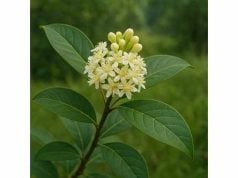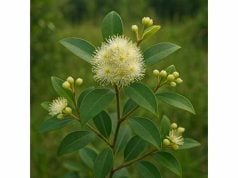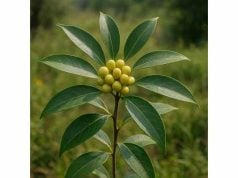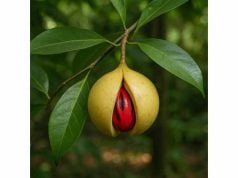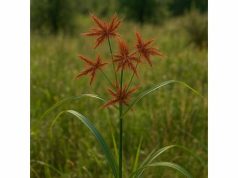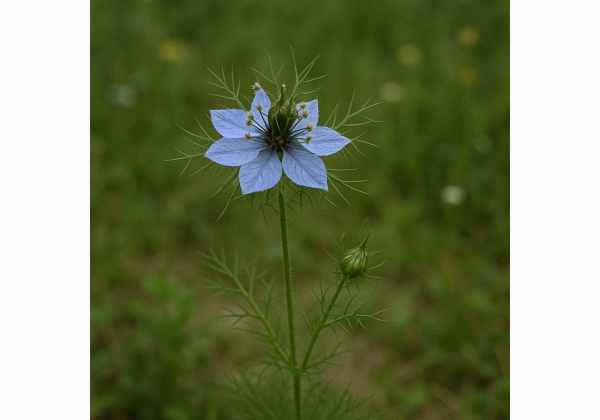
Nigella, better known as Nigella sativa, black seed, or black cumin, sits in a rare category of plants that are both culinary and medicinal. Its peppery, slightly bitter seeds have flavored breads, pickles, and savory dishes for centuries, yet modern research has focused just as much on its possible effects on blood sugar, blood lipids, inflammation, and respiratory health. That growing interest is largely tied to thymoquinone, the seed’s best-known active compound, along with a wider mix of volatile oils, alkaloids, and fixed fatty acids.
Even so, Nigella is not a miracle cure. The strongest clinical signals point toward modest support for metabolic health, especially glycemic control and lipid balance, while respiratory and inflammatory uses remain promising but less certain. Product type, dose, and duration clearly matter, and study quality is uneven across the literature. The most useful way to approach Nigella today is as a practical adjunct herb with real potential, but not as a replacement for medication, diagnosis, or good nutrition. Used thoughtfully, it can be a worthwhile part of a broader evidence-aware self-care plan.
Top Highlights
- Nigella may modestly improve fasting blood sugar and HbA1c in some adults, especially when used alongside standard care.
- It may also support healthier triglyceride, LDL, and total cholesterol levels, though effects on blood pressure and weight are less consistent.
- Common study ranges are about 500 mg to 2 g per day of seed powder or capsules, with some trials using oil in the 2.5 to 5 mL per day range.
- People who are pregnant, preparing for surgery, or taking diabetes, blood pressure, anticoagulant, or multiple prescription medicines should avoid unsupervised medicinal use.
Table of Contents
- What Nigella Is and Why People Use It
- Nigella Health Benefits and What the Research Really Shows
- Key Ingredients in Nigella sativa
- How Nigella Is Used in Food, Oil, and Supplement Form
- Dosage, Timing, and How to Set Realistic Expectations
- Safety, Side Effects, and Who Should Avoid It
- When Nigella Makes Sense and When It Does Not
What Nigella Is and Why People Use It
Nigella sativa is an annual flowering plant in the Ranunculaceae family. Its small matte-black seeds are the part used in food and medicine. Depending on the region, the plant is called nigella, black seed, black cumin, kalonji, or habbat al-barakah. That variety of names can be confusing, especially because “black cumin” may also refer to other spices in trade. In practical terms, the seed of Nigella sativa is what matters for supplements, oils, and most clinical research.
People use nigella for two main reasons. The first is culinary. The seeds add a savory, slightly onion-like, slightly peppery note to breads, flatbreads, vegetable dishes, lentils, and pickles. The second is medicinal. Traditional systems have used nigella for digestion, respiratory complaints, general vitality, skin problems, and a wide range of chronic conditions. Modern research has narrowed that broad reputation into a smaller set of more realistic questions: can it help metabolic markers, does it support asthma or allergy management, and how safe is regular use?
That shift matters. Nigella is one of those herbs that attracts very large claims because it has a long history and strong cultural prestige. But history alone does not tell us which uses work best today. The modern evidence is strongest in cardiometabolic settings, especially for fasting blood sugar, HbA1c, triglycerides, LDL cholesterol, and total cholesterol. It is weaker, though still interesting, for asthma, allergic rhinitis, weight, blood pressure, and inflammatory conditions.
A few features make nigella especially distinctive:
- It works as both a spice and a supplement.
- Its main active compound, thymoquinone, has become a major research focus.
- It is used in many forms, including whole seeds, ground seed, oil, softgels, capsules, tea-like infusions, and topical products.
- It has a better clinical footprint than many traditional herbs, but the evidence is still mixed in quality.
The “mixed in quality” part is important. Nigella is not a fringe plant with no human research, but it is also not a fully standardized evidence-based therapy. That middle position is why people benefit from a balanced guide. Readers looking for another example of a kitchen herb whose compounds have clearer day-to-day self-care evidence may find ginger’s better-characterized active compounds a useful comparison point.
The best way to think about nigella is this: it is a promising adjunct herb with legitimate metabolic and anti-inflammatory interest, plus a long tradition of use, but it should still be matched carefully to the goal. It is most useful when expectations are focused and realistic.
Nigella Health Benefits and What the Research Really Shows
Nigella has been studied for many outcomes, but the evidence is not equally strong across all of them. The clearest modern signal is in metabolic health. Recent systematic reviews and meta-analyses suggest that nigella supplementation can improve fasting blood sugar, HbA1c, triglycerides, LDL cholesterol, and total cholesterol in some adults, especially in people with metabolic syndrome, insulin resistance, or type 2 diabetes. These results are not universal, and the effect size varies, but they are consistent enough to take seriously.
That said, the results become less convincing when people expect nigella to solve everything at once. Evidence for blood pressure, weight, and anthropometric measures is more uneven. Some trials report modest improvement, while others show little change. This pattern suggests that nigella may be more reliable for biochemical markers than for large visible body-composition shifts.
Respiratory uses are also worth discussing. Small trials and meta-analytic work suggest nigella may improve asthma control scores and some lung-function measures. There is also emerging evidence for allergic rhinitis symptom relief. But these findings rest on fewer studies, smaller samples, and less mature evidence than the metabolic research. So respiratory benefits are promising, not settled.
A realistic benefits map looks like this:
- Most plausible
- fasting blood sugar
- HbA1c
- triglycerides
- LDL cholesterol
- total cholesterol
- Possible but less consistent
- blood pressure
- weight and waist measures
- inflammatory markers
- oxidative stress markers
- Promising but still limited
- asthma control
- allergic rhinitis symptoms
- selected skin or inflammatory conditions
One of the most important findings from higher-level evidence reviews is not just that nigella may help, but that the quality of evidence is uneven. Many systematic reviews have pointed to poor methodology, inconsistent trial design, short intervention periods, and wide variability in preparation type and dose. That means the herb looks promising, but the confidence behind each claim is not equally strong.
This nuance matters because nigella often gets marketed as if it has fully settled evidence for every traditional use. It does not. A good comparison is berberine’s stronger metabolic evidence, where the supplement has a more defined modern role for glucose and lipid management. Nigella may still be helpful, but the evidence base is broader and looser rather than sharper and more standardized.
So what should readers take from the research? Nigella is best treated as an adjunct, not a primary therapy. It may make sense alongside diet, exercise, prescribed treatment, and medical monitoring for metabolic issues. It may also have a place in selected respiratory or inflammatory self-care plans. But it is not strong enough, or standardized enough, to replace conventional care. Its best value is moderate, targeted, and context-dependent.
Key Ingredients in Nigella sativa
Nigella’s reputation is closely tied to its chemistry. The best-known compound is thymoquinone, but it is not the only one that matters. In practice, nigella works more like a chemically layered seed than a single-compound remedy. That complexity helps explain why food use, oil use, and capsule use can feel similar in theme yet different in intensity.
The most important ingredients include:
- Thymoquinone
This is nigella’s headline compound. It is widely studied for antioxidant, anti-inflammatory, and cell-signaling effects. Much of nigella’s modern pharmacology revolves around it. - Thymohydroquinone and dithymoquinone
These related quinones add to the seed’s redox and bioactive profile and are often discussed alongside thymoquinone in mechanistic research. - p-Cymene, thymol, and carvacrol
These volatile constituents contribute to aroma, antimicrobial interest, and some of nigella’s pungent medicinal character. - Alpha-hederin
This saponin-like constituent appears in discussions of immune modulation and possible cytotoxic or signaling effects. - Nigellidine and nigellicine
These alkaloid-type compounds are less famous than thymoquinone but still part of nigella’s broader phytochemical fingerprint. - Fixed oils and fatty acids
Nigella seed oil contains unsaturated fatty acids, which help explain why the oil form differs from dry seed powder in texture, absorption, and possibly effect profile.
A practical way to understand nigella is to divide its chemistry into three layers.
Volatile layer:
This gives the seed its aroma and much of its culinary identity. It includes compounds like p-cymene, thymol, and carvacrol.
Quinone layer:
This is where thymoquinone sits, and it is the main reason nigella is studied for inflammation, oxidative stress, and metabolic signaling.
Lipid layer:
This shapes the behavior of nigella oil, including its mouthfeel, topical use potential, and the way the seed integrates into food.
This layered chemistry matters because form affects outcome. Whole seeds in bread are not the same as ground seed powder in capsules. A pressed oil is not the same as a standardized extract. A tea-like infusion is not the same as swallowing a softgel. The chemistry delivered in each case overlaps, but not perfectly.
That is why thymoquinone alone should not become the whole story. People often reduce nigella to a “thymoquinone supplement,” yet the seed’s real-life use depends on a broader matrix of compounds. Readers who want a good example of another herb where multiple active compounds shape the final effect may find ginger’s compound profile and practical uses helpful by comparison.
The most useful conclusion is that nigella’s medicinal properties are plausible because its chemistry is rich and active. But that same complexity is also why product choice matters so much. The plant is pharmacologically interesting, yet the exact form determines whether a person is mainly using a spice, a nutritive seed, or a more concentrated medicinal product.
How Nigella Is Used in Food, Oil, and Supplement Form
Nigella is unusually versatile. It can be used as a food ingredient, a traditional oil, a powdered seed capsule, or a more modern supplement. This flexibility is one reason it remains popular. The challenge is that people often assume all forms are interchangeable. They are not.
Whole seeds are the gentlest and most food-like option. They are commonly sprinkled on flatbreads, naan, crackers, lentil dishes, roasted vegetables, and savory pastries. In this form, nigella behaves more like a culinary spice with possible long-term functional benefits than like a targeted supplement. This is often the best place to start for people who want familiarity without committing to medicinal dosing.
Ground seed powder is more concentrated and often easier to use in capsules or measured blends. Many clinical trials use powdered seeds, often in the range of several hundred milligrams up to a few grams per day. This form is practical when the goal is metabolic support, because the dose can be tracked more precisely.
Nigella seed oil is one of the most common medicinal preparations. It may be taken by spoon, in softgels, or used topically in some settings. The oil form tends to be more concentrated and can be easier for people who dislike chewing seeds or taking powders. It is also the form most associated with mild adverse effects such as bloating, burning, nausea, or occasional topical skin reactions.
Infusions and teas exist, but nigella is not best understood as a classic tea herb. Its seeds are aromatic, yet the best-studied forms are usually seed powder or oil rather than simple infusions. A home preparation can still be part of traditional use, but it is less standardized than capsules or oils.
Topical products such as ointments, creams, and oils appear in small studies and folk practice for selected skin conditions. These are interesting, but the evidence is far less mature than the internal metabolic literature.
A simple matching guide helps:
- Use whole seeds for culinary support and long-term food integration.
- Use powdered capsules when you want more consistent oral measurement.
- Use oil when the product is standardized and the goal is more medicinal than culinary.
- Use topicals cautiously and only when the product is well formulated.
This is also where common mistakes begin. People may take nigella oil as if it were a neutral food oil, or use powdered seed in very high amounts because it is “just a spice.” That is the wrong mindset. Nigella is gentler than many potent medicinal plants, but it still has enough activity to justify measured use.
Where digestive symptoms are the main target, some people may actually do better with peppermint for spasm-heavy digestive discomfort, while nigella makes more sense when the goal is broader metabolic or inflammatory support. Matching the form to the goal is the real skill. Nigella works best when it is used intentionally rather than vaguely.
Dosage, Timing, and How to Set Realistic Expectations
Nigella does not have one universal dose. Studies have used seeds, powder, oil, extracts, teas, and topicals, which makes exact comparisons difficult. Still, some practical ranges show up often enough to guide expectations.
A reasonable summary of common oral study patterns looks like this:
- Seed powder or capsules: about 500 mg to 2 g per day is common, though some trials go to 3 g per day
- Oil: often around 2.5 to 5 mL per day
- By body weight: some studies use weight-based approaches, especially in smaller or pediatric research settings
- Duration: many interventions last 4 to 12 weeks, though some extend longer
These are common study ranges, not guaranteed best doses. They should not be treated as prescriptions. Product quality, seed freshness, oil standardization, and the actual health goal all change the practical meaning of the number.
Timing depends on the reason for use. For metabolic goals, nigella is usually taken daily, not only as needed. Benefits, when they appear, tend to emerge over weeks rather than after a single dose. For digestive comfort from culinary use, whole seeds or small food-based amounts can be used with meals. Oil and capsules are more likely to be taken in a structured daily routine.
A realistic dosing strategy often looks like this:
- Start with the lowest effective form for the goal.
- Choose one form only at the beginning rather than stacking seeds, oil, and capsules together.
- Use it for a defined period, such as 8 weeks, instead of taking it indefinitely without review.
- Track the outcome that actually matters, such as fasting glucose, lipids, symptoms, or medication tolerance.
People often make three avoidable mistakes with nigella.
Mistake one: using too many forms at once
A person sprinkles seeds on food, drinks the oil, and adds capsules. This makes it hard to judge benefit or side effects.
Mistake two: expecting a quick cure
Nigella is more likely to produce gradual metabolic shifts than immediate dramatic effects.
Mistake three: ignoring the base treatment plan
Nigella seems most useful when added to diet, exercise, and appropriate care rather than used as a substitute.
It is also worth saying that bigger doses are not automatically better. Some respiratory and metabolic trials suggest useful effects within moderate ranges, not only at the highest dose tested. More is not a substitute for better product quality or a better health plan.
If the goal is blood sugar or lipid support, a more established supplement model like berberine for glucose and lipid management may provide a clearer dosing framework. Nigella can still be worthwhile, but it is better seen as supportive rather than dominant.
The best expectation is steady rather than dramatic. Nigella may help, but it tends to work like a measured adjunct, not a rescue therapy.
Safety, Side Effects, and Who Should Avoid It
Nigella is often described as generally well tolerated, and that is broadly fair. Still, “generally safe” is not the same as consequence-free. Mild side effects and meaningful interactions are both possible, especially with oils, concentrated products, and higher oral doses.
The most commonly reported adverse effects are relatively ordinary:
- nausea
- bloating
- a burning or گرم sensation in the stomach or upper abdomen
- mild digestive discomfort
- occasional epigastric pain
Topical products can also cause allergic contact dermatitis in some people. That is an especially important point with black seed oil, which is often marketed as if it were universally gentle.
The next safety layer is interactions. Nigella may influence blood sugar, lipids, blood pressure, liver enzymes, and drug-metabolizing enzymes. Some evidence suggests interaction potential through CYP2D6 and CYP3A4 pathways. That does not mean every user will have a clinically important interaction, but it does mean caution is justified when someone takes multiple medications.
The main groups that should avoid unsupervised medicinal use include:
- people using diabetes medications
- people using antihypertensive medications
- people taking anticoagulants or antiplatelet drugs
- people with significant liver or kidney disease
- people with a history of allergic skin reactions to oils or herbal topicals
- people preparing for surgery
- pregnant or breastfeeding people using concentrated products
Pregnancy and breastfeeding deserve special mention. Culinary use in ordinary food amounts is not the same as medicinal use. Concentrated oils, capsules, and extracts have less reassuring safety data. The most careful approach is to avoid self-prescribed medicinal doses during pregnancy and lactation unless a qualified clinician specifically advises otherwise.
There is also a practical difference between whole seeds and strong products. Culinary amounts of whole seeds are usually the lowest-risk way to include nigella. Medicinal oils and extracts deserve much more care. Someone who wants a gentler model for how herb safety is usually framed may find a milder herb safety profile helpful by comparison, because nigella sits in the middle ground: more active than a simple food herb, but not in the same risk class as truly toxic plants.
A good rule is this: if you are taking nigella for a medical outcome, treat it like a supplement with real effects, not like a harmless seasoning. That means dose awareness, medication awareness, and a willingness to stop if side effects appear.
When Nigella Makes Sense and When It Does Not
Nigella makes the most sense when the goal is modest, long-view support, especially in people trying to improve cardiometabolic markers alongside standard care. It is also reasonable when someone wants to incorporate a traditional seed into food in a practical, low-intensity way. In both cases, the herb is being used within its strengths: gradual support, culinary compatibility, and a plausible research base.
Good situations for nigella may include:
- someone with borderline metabolic issues who is already improving diet and exercise
- a person with type 2 diabetes or dyslipidemia who wants a clinician-aware adjunct, not a replacement
- someone interested in adding whole nigella seeds to meals as a traditional functional food
- selected respiratory self-care plans where a clinician already agrees that adjunct support is reasonable
Nigella makes much less sense when people want it to do a job it is not built for.
Poor uses include:
- replacing diabetes medication with black seed oil
- taking high doses without a defined goal
- combining several nigella products plus other metabolic supplements at the same time
- using it during pregnancy or before surgery without guidance
- assuming a “natural” oil cannot interact with prescriptions
The plant also makes less sense when the person has no system for measuring benefit. If the goal is metabolic improvement, look at fasting glucose, HbA1c, lipids, weight trend, or blood pressure rather than vague feelings alone. Nigella works best when the outcome is trackable.
One of the most useful broader lessons from nigella is that herbal medicine often works best in layers. A person can use food quality, sleep, movement, medical care, and a targeted adjunct together. Nigella fits that layered model well. It does not fit the fantasy model of one seed solving every chronic problem.
For many readers, the right next step is not “take more nigella,” but “use nigella more intelligently.” That might mean using culinary seeds regularly, choosing one well-made capsule instead of multiple mixed products, or deciding not to use it at all because the medication picture is too complex.
The balanced final view is favorable but restrained. Nigella is one of the more interesting traditional seeds in modern complementary medicine. It has better evidence than many herbs, especially for metabolic markers, and it has a credible phytochemical basis. But the evidence is still mixed in quality, the ideal dose is not fully standardized, and the safety picture depends strongly on product type and personal context. Used thoughtfully, it may be worthwhile. Used casually, it is easy to overestimate.
References
- Systematic Review of Randomized Controlled Trials in Uses of Nigella Sativa (Black Seed) in Metabolic Syndrome 2024 (Systematic Review)
- The effect of Nigella sativa supplementation on glycemic status in adults: An updated systematic review and meta-analysis of randomized controlled trials 2024 (Systematic Review and Meta-analysis)
- Nigella sativa and health outcomes: An overview of systematic reviews and meta-analyses 2023 (Overview of Reviews)
- Review on Clinical Trials of Black Seed (Nigella sativa ) and Its Active Constituent, Thymoquinone 2017 (Clinical Review)
- Nigella sativa (black seed) safety: an overview 2020 (Safety Review)
Disclaimer
This article is for educational purposes only and does not replace medical advice, diagnosis, or treatment. Nigella may affect blood sugar, blood lipids, digestion, and drug metabolism, so medicinal use deserves the same caution you would give any active supplement. Do not use it to replace prescribed therapy for diabetes, asthma, high cholesterol, or any chronic condition. If you are pregnant, breastfeeding, taking regular medications, living with liver or kidney disease, or preparing for surgery, speak with a qualified healthcare professional before using nigella in concentrated medicinal forms.
If this article was helpful, please share it on Facebook, X, or any platform you prefer.