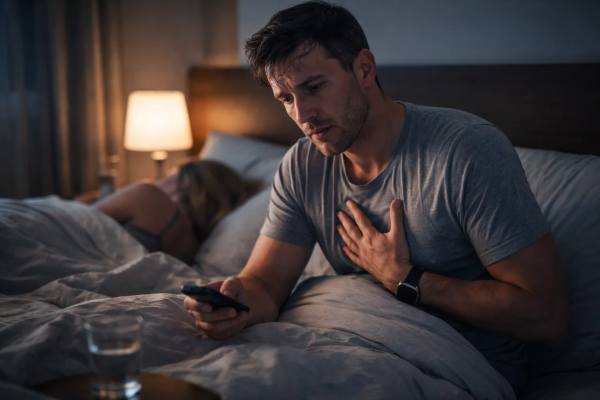
Nighttime hypoglycemia can be unnerving because it often happens when you are least able to notice it clearly. Some people wake drenched in sweat, shaky, or intensely hungry. Others sleep through the drop and only realize something was wrong when they wake with a headache, a pounding heart, strange fatigue, or unexpectedly high morning glucose. That uncertainty is part of what makes overnight lows feel so disruptive.
In most cases, nighttime hypoglycemia is tied to diabetes treatment, especially insulin or medications that can push glucose down during sleep. But the real question is not just whether a low happened. It is why it happened, how to confirm the pattern, and what needs to change so it does not keep repeating. A single overnight low may follow an unusual day. Recurrent lows deserve a careful look at medication timing, exercise, food, alcohol, and monitoring habits. With the right adjustments, many overnight drops can be reduced or prevented.
Quick Facts
- Nighttime hypoglycemia can cause sweating, vivid dreams, restless sleep, morning headache, and next-day fog even when you do not fully wake up.
- Overnight lows are often linked to insulin, sulfonylureas, alcohol, late exercise, or a mismatch between evening food and medication.
- Repeated lows at night can increase safety risks and may reduce your ability to notice future lows clearly.
- Severe symptoms, seizures, confusion, or a person who cannot safely swallow require emergency treatment, not food by mouth.
- A practical first step is to review 3 to 7 nights of bedtime glucose, overnight readings, medications, dinner timing, exercise, alcohol, and morning glucose.
Table of Contents
- What Nighttime Hypoglycemia Means
- Signs You Are Going Low
- Why Lows Happen Overnight
- How to Confirm the Pattern
- What to Do Right Away
- How to Prevent the Next Low
- When It Needs Medical Review
What Nighttime Hypoglycemia Means
Nighttime hypoglycemia means blood glucose falls too low during sleep. In diabetes care, a reading below 70 mg/dL is generally treated as a meaningful low, and a reading below 54 mg/dL is considered more clinically significant. The overnight setting matters because sleep changes how people sense and respond to falling glucose. A low that might feel obvious during the day can be quieter, longer, and easier to miss at night.
That is why nighttime lows are not just “daytime hypoglycemia after dark.” They often come with a different pattern. Some people partially wake and remember feeling sweaty, anxious, shaky, or suddenly very cold. Others sleep through the event and notice only indirect clues the next morning, such as damp sheets, vivid dreams, a headache, unusual fatigue, or irritability that seems out of proportion to the night they thought they had. In children, partners, or roommates, the first sign may be tossing, talking, moaning, or unusual movement in sleep.
Overnight lows are most common in people using insulin or insulin-releasing medications, but the risk is not the same for everyone. It rises when there is a mismatch between medication, food, activity, and the body’s usual overnight glucose needs. Sleep also makes it harder to correct a low promptly. A person may not wake up until glucose has been low for longer than it would have during the day. This helps explain why nighttime episodes can feel more draining the next day, even if the number itself was not extremely low.
A further complication is that low overnight glucose can sometimes be followed by a higher morning number. That can mislead people into thinking they were running high all night, when the real story was more complicated. It can also be confused with the dawn phenomenon, a more common early-morning rise driven by hormones rather than a preceding low. Looking only at the waking glucose value often misses the pattern in between.
Nighttime hypoglycemia is therefore best understood as a pattern problem, not just an isolated reading. The key questions are:
- how low the glucose went
- how long it stayed there
- whether symptoms were noticed
- what set the drop in motion
- whether this is happening repeatedly
That last point matters most. One overnight low after an unusual evening is different from a recurring pattern that reflects medication timing, training habits, alcohol use, missed meals, or impaired awareness of lows. The goal is not just to rescue the episode. It is to understand why the body keeps dropping during the hours when detection is hardest and risk is highest.
Signs You Are Going Low
The signs of nighttime hypoglycemia can be obvious, subtle, or strangely indirect. Some people wake with classic low-blood-sugar symptoms: sweating, trembling, hunger, palpitations, anxiety, tingling, or a sudden sense that something is wrong. Others wake confused, weak, or disoriented and do not immediately realize glucose is the issue. A few do not wake at all and only piece it together in the morning.
Symptoms during sleep often include:
- sweating or damp sleepwear
- vivid dreams, nightmares, or restless sleep
- pounding heart or sudden awakening
- shakiness or weakness on getting up
- confusion, irritability, or trouble thinking clearly
- headache on waking
- morning exhaustion that feels disproportionate to time spent in bed
These symptoms happen because the body is trying to defend itself. When glucose falls, stress hormones rise and trigger warning signs meant to push you to eat or wake up. During sleep, that defense is less reliable. The warning may be delayed, muffled, or absent. This is especially true in people who have had repeated lows, older adults, and some people with long-standing diabetes who no longer feel the early signals as clearly.
That is one reason nighttime lows can be more dangerous than they first appear. A person may not fully wake, may treat too late, or may misread what happened. It is also why family members sometimes notice the pattern before the person does. Snoring, sweating, sleep talking, or unusual movement can all be clues, though none are specific enough to prove a low on their own.
Morning symptoms deserve attention even when there was no memorable nighttime event. Waking with a headache, nausea, brain fog, moodiness, or unexplained fatigue can fit with overnight hypoglycemia, especially if the pattern repeats. So can waking with unexpectedly high glucose after a night that involved more insulin, alcohol, or exercise than usual. That does not automatically mean a low occurred, but it is enough to justify checking the pattern more closely.
At the same time, not every sweaty or restless night is hypoglycemia. Menopause, sleep apnea, panic, fever, nightmares, medication side effects, and night sweats from other causes can look similar. People without diabetes sometimes assume they are “going low” based on symptoms alone, but symptoms without a documented glucose value are not enough to confirm nighttime hypoglycemia.
The most useful approach is to treat symptoms as clues, not final proof. If you regularly wake sweaty, shaky, confused, or unusually drained, that is valuable information. But the next step is not guessing harder. It is checking glucose when possible, reviewing overnight data if you use a sensor, and looking for repeated patterns instead of relying on one dramatic night.
Why Lows Happen Overnight
Most nighttime lows happen because glucose-lowering treatment and the body’s overnight needs no longer match. The most common driver is insulin, especially when basal insulin is too strong, timed poorly, or stacked with evening correction doses. Overnight lows can also happen with pumps, even when daytime control looks good, if basal settings are too aggressive during the early sleep hours or after midnight.
Common triggers include:
- too much basal insulin
- an evening correction bolus that overlaps with bedtime
- insulin given for a meal that ended up being smaller than expected
- sulfonylureas or meglitinides, which can keep pushing glucose down
- delayed or unusually heavy physical activity in the late afternoon or evening
- alcohol, especially without enough food
- weight loss, lower carbohydrate intake, or improved insulin sensitivity without a medication adjustment
- kidney impairment, which can change how long insulin or certain drugs last
Late exercise is a frequent culprit because muscles continue pulling glucose from the bloodstream after the workout is over. A person may go to bed with a safe number and still drift low several hours later. Alcohol can do something similar by interfering with the liver’s ability to release glucose overnight, which is why evening drinks can make nocturnal lows more likely or harder to recover from.
Food timing matters too, but it is rarely as simple as “always eat a bedtime snack.” Some people do need a planned snack in specific situations, such as after unusual exercise or when a medication adjustment is still being worked out. Others are better served by changing insulin timing or dose rather than eating extra food every night. Treating every low-prone evening with more food can sometimes lead to unnecessary swings instead of a cleaner fix.
Device-related issues also matter. If you use a pump or automated insulin delivery system, settings, targets, insulin action time, and alarm thresholds all influence overnight safety. The technology can be very helpful, especially for detecting lows you do not feel, but it is not fully automatic protection. It still depends on settings that fit your body, schedule, and recent habits.
For people not taking insulin or insulin-releasing drugs, true nighttime hypoglycemia is less common and deserves more thought. Heavy alcohol use, severe illness, advanced liver disease, kidney disease, post-bariatric surgery patterns, and rarer endocrine causes can all play a role. In those cases, repeated confirmed lows should not be dismissed as a quirk of diet or stress.
It is also helpful to separate nocturnal lows from general glucose variability. Some people spend the evening cycling between highs and corrective lows. Others have a steadier day but drop specifically after bedtime. Those are different patterns and need different solutions. The fix depends on which part of the evening is going wrong, not just the fact that morning felt bad. That is why reviewing daytime context matters as much as looking at the overnight number itself.
How to Confirm the Pattern
The best way to confirm nighttime hypoglycemia is to document it rather than infer it. Symptoms can point you in the right direction, but glucose data makes the pattern clearer and prevents the wrong fix. If you wake with symptoms, check your glucose if you can do so safely. A fingerstick can be especially helpful when symptoms do not match the sensor reading or when you suspect a false low from sleeping on the sensor.
If you use continuous glucose monitoring, overnight data is often the fastest way to spot a pattern. Look beyond a single number. Ask:
- what time the drop starts
- whether it happens on most nights or only after certain evenings
- how long glucose stays low
- whether alarms are going off but not waking you
- what morning glucose looks like afterward
A useful comparison window is 3 to 7 nights rather than one dramatic episode. Record bedtime glucose, dinner timing, carbohydrate intake, alcohol, exercise, medication doses, correction doses, overnight readings, and morning glucose. That often reveals the trigger more clearly than trying to remember the details after a bad night. People already tracking broader glucose swings may also find it useful to compare the overnight pattern with their daytime profile, especially if they are also dealing with larger blood sugar swings outside sleep.
It is important to interpret CGM thoughtfully. Compression lows, where pressure on the sensor causes a falsely low reading, are common at night. These often look abrupt and may not match symptoms. If a sensor alarm shows a low but you feel completely normal and the trend seems odd, confirm with a fingerstick when possible before making a large correction.
Morning highs should also be interpreted carefully. Some people assume any high waking value must mean they need more overnight insulin. Sometimes that is true, but sometimes the rise happened before waking because of normal early-morning hormone release. A review of the dawn phenomenon pattern can help distinguish a true overnight low followed by rebound from a morning rise that happened without a prior drop. Guessing based on fasting glucose alone can push treatment in the wrong direction.
For people without diabetes or without access to a sensor, the threshold for medical review is lower if symptoms are recurring. Repeated night sweats and shaking do not automatically equal confirmed hypoglycemia. But if you have documented low readings, have had bariatric surgery, drink heavily, or are having symptoms without using diabetes medications, that deserves a structured workup rather than self-experimenting.
The goal of confirmation is not perfection. It is enough evidence to answer one practical question: is this a real overnight low, and what seems to precede it? Once that pattern is visible, the fix becomes much more targeted.
What to Do Right Away
If you wake up and think you are going low, the first step is to check your glucose if you can do so without delay and without losing the chance to treat. If symptoms are strong and checking would noticeably delay treatment, follow your usual hypoglycemia plan. The goal is to correct the low promptly, then confirm recovery.
For a person who is awake and able to swallow safely, most home treatment plans use a measured amount of fast-acting carbohydrate followed by a recheck in about 15 minutes. Glucose tablets, glucose gel, juice, or regular soda are typical choices because they act faster and more predictably than foods high in fat. Chocolate, peanut butter, and mixed snacks are slower and are better reserved for follow-up once the urgent drop has been corrected.
A simple way to handle it is:
- Treat with your prescribed fast-acting carbohydrate plan.
- Recheck after about 15 minutes if possible.
- Repeat treatment if glucose is still low or symptoms are not improving.
- Once the low is corrected, eat the next planned meal or snack if it is due soon, or use a longer-acting snack if the next meal is still far away and your care team has advised that approach.
If you use a pump, do not assume technology alone will fix the episode. Review whether insulin is still being delivered, whether a temporary suspension is needed, and whether the event may have started after a recent correction, exercise, or alcohol intake. If you use automated insulin delivery, alarms and suspensions help, but you may still need carbohydrate treatment.
Severe symptoms change the response completely. If the person is confused, seizing, unconscious, or not safe to swallow, do not give food or drink by mouth. Use glucagon if it is available and call emergency services. This is also the moment when household preparation matters. Anyone at risk for severe hypoglycemia should make sure family, partners, roommates, or close friends know where glucagon is kept and how to use it.
After the immediate episode, resist the urge to overcorrect. Eating large amounts “just to be safe” can lead to a rebound high and make the overnight pattern harder to interpret later. The more useful step is to write down what happened while it is still fresh:
- time of low
- symptoms
- glucose value if measured
- treatment used
- bedtime glucose
- dinner, alcohol, exercise, and medication details
That note matters because the episode itself is only half the story. The real fix comes from identifying what set it up. If you wake low once after an unusually active evening, that may point to a specific adjustment next time. If it keeps happening on otherwise ordinary nights, the medication plan likely needs review rather than another improvised snack.
How to Prevent the Next Low
Preventing nighttime hypoglycemia usually means adjusting the system that created it, not layering on random fixes. The most effective prevention step depends on the pattern. A low that follows evening exercise is not managed the same way as a low caused by an overly strong basal dose. That is why good prevention starts with a few nights of data rather than guessing from one bad episode.
The main prevention strategies are:
- review basal insulin dose and timing
- reassess bedtime correction practices
- account for late exercise
- reduce alcohol-related risk
- use glucose monitoring more strategically
- match snacks to a real pattern rather than making them automatic
If lows are clustering at the same time each night, basal insulin or pump settings are common suspects. If they happen mainly after correction dosing, insulin stacking may be the issue. If they follow gym sessions, long walks, or a physically demanding job in the evening, the body may still be pulling glucose down hours later. In that setting, prevention might involve an earlier meal, a smaller correction, a different temporary target, or a planned snack based on your clinician’s advice.
Alcohol deserves special attention because it often produces delayed lows that do not appear until hours after drinking. People who notice this pattern may need to rethink the amount, timing, or the decision to drink without food. The same caution applies to individuals using medications with a longer hypoglycemia tail, especially sulfonylureas, where repeated nighttime lows may mean the drug plan itself needs a closer look.
Technology can help a great deal when used well. Low alerts, predictive alerts, shared monitoring, and overnight trend review can catch patterns that fingersticks miss. For many people, continuous glucose monitor use changes nighttime safety more than any single snack rule because it reveals timing, duration, and recurrence. But settings matter. Alerts that are too quiet, too low, or ignored because of alarm fatigue do not provide the protection people expect.
It also helps to look at the whole glucose profile. Some people are oscillating because they are treating late-evening highs too aggressively, then chasing the resulting lows. Others benefit from rethinking meal order, exercise timing, or total evening carbohydrate balance. In people with mixed overnight and post-meal symptoms, it may help to compare with patterns seen in reactive low blood sugar episodes, since not every low-like feeling follows the same physiology.
A bedtime snack can be useful, but it should be a targeted tool, not a reflex. If you need food every night to offset medication that is regularly too strong, the underlying mismatch may still be there. The cleanest prevention plan is the one that reduces lows without forcing you to eat around a treatment problem that could be adjusted more directly.
When It Needs Medical Review
A single mild overnight low after an unusual evening may not signal a major problem. Recurrent nighttime hypoglycemia is different. It deserves medical review because it increases safety risk, disrupts sleep, can blunt awareness of future lows, and often signals that the treatment plan no longer fits current needs.
You should contact your clinician promptly if:
- nighttime lows are happening more than once
- you are waking with readings below 54 mg/dL
- someone else had to help you treat a low
- you had a seizure, collapse, or were too confused to treat yourself
- morning glucose is becoming harder to interpret because nights feel unpredictable
- you recently changed weight, kidney function, diet, exercise, or medication
- you are pregnant or trying to conceive
- you are having confirmed lows without taking insulin or insulin-releasing drugs
Certain situations deserve a broader workup. Repeated lows in someone not using glucose-lowering medication are not something to normalize. Heavy alcohol use, liver disease, kidney disease, bariatric surgery, adrenal problems, and rare insulin-producing tumors can all play a role. The same is true when symptoms seem severe but glucose data does not fit the usual diabetes pattern. In those cases, endocrine evaluation may matter more than another medication tweak. Knowing when specialist review is worth it can shorten the path to the right diagnosis.
It is also worth reviewing your emergency plan, not just your medication list. Ask whether you should keep glucagon at home, whether the people around you know how to use it, and whether your current overnight alerts are set in a way that gives you enough warning. For some people, repeated lows mean it is time to revisit insulin type, timing, pump settings, or the use of lower-risk medication strategies.
Do not minimize the effect of nighttime lows simply because you are not ending up in the emergency department. Broken sleep, fear of going low, purposeful underdosing, and waking up feeling unsafe all count as meaningful burden. Many people start running glucose higher at night because they are frightened of another low. That response is understandable, but it can lead to a cycle of hyperglycemia, correction doses, and more instability.
The right medical review should therefore answer three questions: was this a true overnight hypoglycemia pattern, what is driving it, and what change is most likely to reduce risk without creating new problems. That is a much better goal than merely surviving the next episode. Overnight lows are often fixable, but they are easiest to fix when they are treated as a pattern worth understanding rather than a nuisance to quietly endure.
References
- 6. Glycemic Goals and Hypoglycemia: Standards of Care in Diabetes—2025 2025 (Guideline)
- Management of Individuals With Diabetes at High Risk for Hypoglycemia: An Endocrine Society Clinical Practice Guideline 2023 (Guideline)
- Nocturnal Hypoglycemia in the Era of Continuous Glucose Monitoring 2024 (Review)
- Hypoglycemia in Adults 2023 (Guideline)
- Continuous glucose monitoring in adults with type 2 diabetes: a systematic review and meta-analysis 2024 (Systematic Review and Meta-analysis)
Disclaimer
This article is for educational purposes only and is not a substitute for personal medical advice, diagnosis, or treatment. Nighttime hypoglycemia can become dangerous quickly, especially in people using insulin or sulfonylureas, during pregnancy, or when a person is confused, unconscious, or unable to swallow. Seek urgent medical care for severe lows, seizures, repeated overnight episodes, or confirmed hypoglycemia that occurs without a clear diabetes medication explanation.
If this article helped, please consider sharing it on Facebook, X, or another platform where it may help someone recognize and respond to overnight low blood sugar more safely.