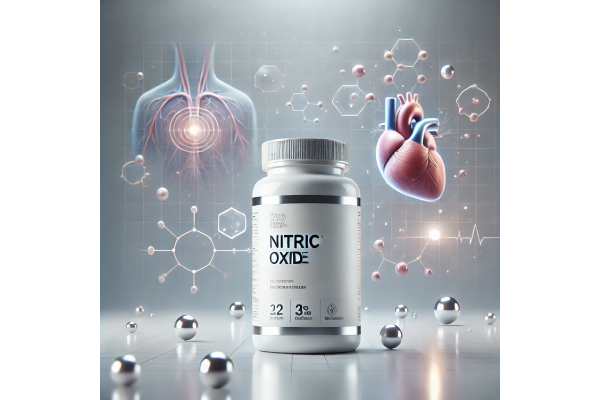
Nitric oxide is a tiny gas molecule that has an outsized impact on human health. Your body makes it every second inside blood vessels and tissues to help relax arteries, regulate blood pressure, deliver oxygen to muscles, and support brain and immune function. Because of this, “nitric oxide boosters” have become a major category of supplements and functional foods, especially in sports nutrition and heart health.
It is important to understand that you are not swallowing nitric oxide itself. Instead, you take ingredients that increase your body’s own nitric oxide production or supply precursors that can be converted to it. These include dietary nitrates from vegetables (like beetroot), amino acids such as L-arginine and L-citrulline, and certain prescription nitric-oxide–donating medications used for heart disease.
This guide explains what nitric oxide does, realistic benefits you can expect, how to boost it with diet and supplements, typical dosage ranges used in studies, and the main side effects and safety concerns to consider before you start.
Key Insights for Nitric oxide Support
- Higher nitric oxide availability can modestly lower blood pressure and improve blood vessel function in some people, especially those with cardiovascular risk factors.
- Nitric-oxide–boosting strategies may enhance exercise performance and endurance, but effects are usually small and vary widely between individuals.
- Common supplement ranges are 3–6 g/day L-citrulline, 3–6 g/day L-arginine, or about 300–600 mg/day nitrate from beetroot or other high-nitrate sources.
- People with low blood pressure, heart disease, kidney or liver problems, or those taking nitrate heart medications or erectile dysfunction drugs should avoid nitric oxide supplements unless a clinician closely supervises them.
- Long-term, high-dose use of nitric oxide boosters has not been fully studied, so the lowest effective dose for your goals and regular medical review are essential.
Table of Contents
- What is nitric oxide and how does it work?
- Proven benefits of higher nitric oxide levels
- How to increase nitric oxide naturally
- Nitric oxide supplements, dosages, and forms
- Side effects, risks, and who should avoid nitric oxide supplements
- What does the science say about nitric oxide boosters?
What is nitric oxide and how does it work?
Nitric oxide (NO) is a gas that your body uses as a signaling molecule. It is produced on demand and only lasts for seconds, but in that brief time it can relax blood vessels, change how cells use oxygen, and influence immune and nervous system activity. Because it is so short-lived, you cannot store nitric oxide itself; you instead rely on continuous production from precursors.
There are two main pathways your body uses to generate nitric oxide:
- The L-arginine–nitric oxide synthase pathway, where the enzyme nitric oxide synthase converts the amino acid L-arginine into NO.
- The nitrate–nitrite–NO pathway, where dietary nitrate from vegetables is converted by oral bacteria into nitrite and then further reduced to nitric oxide, particularly in low-oxygen or acidic environments such as exercising muscle.
Different nitric oxide boosters target one or both of these pathways. L-arginine and L-citrulline act mainly through the first pathway. Nitrate-rich foods like beetroot, spinach, rocket (arugula), and lettuce act through the second.
Nitric oxide is especially important for the endothelium, the thin lining inside blood vessels. Healthy endothelial cells make nitric oxide to keep arteries flexible, prevent excessive clotting, and adjust blood flow to tissues. When nitric oxide production is impaired, blood vessels tend to stiffen, blood pressure rises, and cardiovascular risk increases.
Beyond blood vessels, nitric oxide influences:
- Mitochondrial efficiency and energy production
- Muscle contraction and fatigue resistance
- Neurotransmission and brain blood flow
- Immune responses, especially in the lungs and gut
Because nitric oxide touches so many systems, changing its levels can have both helpful and unwanted effects. That is why understanding the underlying biology matters before using high-dose boosters.
Proven benefits of higher nitric oxide levels
Healthy nitric oxide availability is associated with several measurable benefits, particularly in cardiovascular and exercise-related outcomes. The strongest evidence comes from trials using dietary nitrates and L-citrulline or L-arginine in specific populations.
Blood pressure and vascular health
Short- to medium-term supplementation with dietary nitrate from vegetables or beetroot juice can reduce resting blood pressure by a few millimetres of mercury. Improvements tend to be more pronounced in people with elevated blood pressure or established cardiovascular risk factors than in young, healthy athletes. Better endothelial function, seen as improved flow-mediated dilation of arteries, has also been reported.
L-citrulline and L-arginine can raise circulating L-arginine levels and support nitric oxide synthase activity. Several studies in adults with high blood pressure or endothelial dysfunction show modest reductions in diastolic and sometimes systolic blood pressure after a few weeks of supplementation. Effects are typically small but clinically meaningful when combined with lifestyle changes.
Exercise performance
Nitric oxide can improve blood flow to working muscles, enhance oxygen delivery, and reduce the “oxygen cost” of submaximal exercise. In practical terms, this may allow you to perform a given workload with slightly less effort or maintain a given pace for a bit longer before exhaustion.
Dietary nitrate from beetroot juice has repeatedly shown small but significant improvements in endurance performance in activities lasting 5–30 minutes, such as cycling time trials or running. In some trials, time-to-exhaustion increased by around 10–15 percent under controlled conditions. Results in team sports and strength training are more mixed.
Metabolic and endothelial benefits
By improving endothelial function and reducing arterial stiffness, nitric oxide–supportive strategies may also have downstream benefits for:
- Peripheral circulation (for example, walking distance in people with peripheral artery disease)
- Recovery from ischemia–reperfusion stress (periods of low blood flow followed by reperfusion)
- Metabolic health, through small improvements in insulin sensitivity and blood flow to skeletal muscle
It is important to recognise that these benefits are usually modest and most visible in people whose nitric oxide production or vascular function is already impaired. For healthy individuals with excellent cardiorespiratory fitness, the margin for improvement is smaller.
How to increase nitric oxide naturally
Before considering supplements, many people can support nitric oxide levels through food and lifestyle. These strategies also carry broader health benefits, making them a sensible foundation.
Dietary nitrate from vegetables
Leafy greens and certain root vegetables are rich in inorganic nitrate, which your body converts to nitric oxide. High-nitrate choices include:
- Rocket (arugula), spinach, Swiss chard
- Lettuce varieties, especially darker leaves
- Beetroot and beetroot juice
- Celery, cress, fennel, and some herbs
A practical approach is to include at least one serving of nitrate-rich vegetables most days. For cardiovascular benefits, observational and intervention data suggest that roughly 300–400 mg of nitrate per day is sufficient for many people. This can be achieved with, for example, a generous salad of leafy greens and a portion of cooked spinach or beetroot.
Oral microbiome care
The nitrate–nitrite–NO pathway relies on bacteria on the tongue and in the mouth. Powerful antiseptic mouthwashes used several times per day can reduce these bacteria and blunt the conversion of nitrate to nitric oxide. If you rely on nitrate-rich foods or supplements, using harsh antibacterial mouthwash less frequently and at different times from nitrate intake may support better nitric oxide generation. Standard tooth brushing and normal oral hygiene remain important and do not appear to have the same impact.
Physical activity
Regular aerobic exercise is a potent stimulus for nitric oxide production through the L-arginine–nitric oxide synthase pathway. Shear stress on blood vessel walls during movement signals endothelial cells to produce more nitric oxide. Brisk walking, cycling, swimming, or similar activities performed most days of the week help maintain this adaptive response.
Antioxidant-rich foods
Nitric oxide is easily inactivated by oxidative stress. Diets rich in colourful fruits, vegetables, nuts, seeds, and whole grains provide antioxidants and polyphenols that protect nitric oxide or support its regeneration. This is one reason plant-forward dietary patterns are consistently linked with lower cardiovascular risk.
Limiting factors
Certain habits can work against nitric oxide balance:
- Smoking and vaping
- Very high intake of ultra-processed foods
- Chronic sleep deprivation and unmanaged stress
- Uncontrolled high blood sugar or cholesterol
Addressing these factors often makes more difference than any single supplement.
Nitric oxide supplements, dosages, and forms
“Nitric oxide supplements” is an umbrella term. Products rarely contain nitric oxide itself; instead, they include ingredients that increase nitric oxide production or availability. The most common are L-arginine, L-citrulline, and concentrated dietary nitrates (often from beetroot).
L-arginine
L-arginine is the direct substrate for nitric oxide synthase. However, a large portion of orally ingested L-arginine is broken down in the gut and liver before it reaches the bloodstream, so relatively high doses are needed to significantly raise plasma levels.
Typical supplemental ranges for adults:
- Common: 3–6 g per day, often split into 2–3 doses
- Higher research doses: 9–20 g per day in some short-term trials
- Safety: a controlled trial found that up to 30 g/day for 90 days was tolerated in otherwise healthy adults, though such high intakes are not usually necessary in real-world use
At higher doses, L-arginine more often causes gastrointestinal discomfort, including bloating, nausea, or diarrhoea.
L-citrulline
L-citrulline is converted into L-arginine in the kidneys and is not broken down as heavily in the intestine or liver. As a result, it can raise circulating L-arginine more efficiently than taking L-arginine itself.
Typical L-citrulline ranges:
- General vascular support: around 3–6 g/day
- Research doses: up to 10 g/day for several weeks in some trials on blood pressure and endothelial function
L-citrulline is usually well tolerated. It appears in some “pump” pre-workout formulas and in standalone powders or capsules.
Dietary nitrate supplements (often beetroot-based)
These products provide a standardised dose of nitrate, often from beetroot juice concentrate or powders. Doses are usually stated in milligrams of nitrate or in millilitres of a standardised juice shot.
Common ranges:
- Endurance performance: approximately 350–600 mg nitrate, taken 2–3 hours before exercise
- Blood pressure support: similar daily nitrate amounts from concentrated shots or consistent vegetable intake
In practice, this might look like about 70–140 mL of a concentrated beetroot juice shot, depending on how rich it is in nitrate. Labels vary widely, so reading the stated nitrate content is important.
Combination products and other ingredients
Many commercial “nitric oxide boosters” mix L-citrulline, L-arginine, and beetroot extract, sometimes with added antioxidants or herbal extracts. Because doses can be low or proprietary, their effects are often less predictable. When comparing products, focus on:
- The actual grams of L-citrulline or L-arginine per serving
- The stated nitrate content (not just “beetroot” on the label)
- Whether the product is intended for daily use or occasional pre-workout dosing
Regardless of form, starting at the lower end of these ranges and gradually adjusting under professional guidance is safer than beginning with maximal doses.
Side effects, risks, and who should avoid nitric oxide supplements
Because nitric oxide influences blood vessels, platelets, and metabolism, supplements that affect its levels can carry meaningful risks, especially in people with underlying health conditions or those using certain medications.
Common side effects
L-arginine and L-citrulline:
- Gastrointestinal upset (nausea, cramping, loose stools) at higher doses
- Mild blood pressure lowering, which may cause dizziness in some people
- Headache or flushing in sensitive individuals
Dietary nitrate (e.g., beetroot juice or shots):
- Transient drop in blood pressure, occasionally leading to light-headedness when standing
- Headache or a “throbbing” sensation due to vasodilation
- Beeturia (red or pink urine) and red stools, which can be alarming but are usually harmless
- Stomach discomfort if taken in large volumes or on an empty stomach
Who should be cautious or avoid use
Extra care is warranted, and medical supervision is strongly recommended, if you:
- Take prescribed nitrate medications for angina or heart failure (for example, nitroglycerin or isosorbide mononitrate)
- Use phosphodiesterase type 5 inhibitors for erectile dysfunction, such as sildenafil or similar drugs
- Have very low baseline blood pressure or a history of fainting
- Live with advanced kidney or liver disease
- Have significant heart disease, arrhythmias, or a history of stroke
- Are pregnant, breastfeeding, or planning pregnancy
- Are using multiple blood pressure–lowering medications or blood-thinning drugs
Combining nitrate heart medications or erectile dysfunction drugs with high-dose nitric-oxide–boosting supplements can cause dangerous drops in blood pressure. This is a key reason to discuss any supplement plan with your prescribing clinician.
Long-term safety questions
Short- to medium-term trials suggest that L-arginine, L-citrulline, and dietary nitrate from vegetables are generally safe in the studied ranges for adults. However:
- Long-term daily use of high-dose nitric oxide boosters has not been extensively evaluated.
- Safety data in older adults with multiple conditions, in children, and in pregnant individuals are limited.
- Extremely high nitrate intakes from non-vegetable sources or contaminated foods raise different concerns and should not be confused with moderate nitrate intake from vegetables or standardised supplements.
If you decide to use these supplements regularly, periodic monitoring of blood pressure and relevant lab markers, alongside medical review, is wise.
What does the science say about nitric oxide boosters?
Research into nitric oxide and health has grown rapidly over the past two decades. The broad picture is encouraging but nuanced. It is important to separate well-documented effects from marketing claims.
Strength of evidence by outcome
- Blood pressure and vessel function
- Multiple controlled trials show modest reductions in resting blood pressure with dietary nitrate intake from vegetables or beetroot juice, especially in people with elevated readings.
- L-citrulline and L-arginine can improve markers of endothelial function and slightly lower blood pressure in some populations when taken for several weeks.
- Exercise performance
- For endurance activities lasting a few minutes to about half an hour, nitrate-rich supplements can produce small but consistent performance gains in some studies.
- Benefits are less consistent in elite athletes, strength-only sports, or very short-duration events.
- Cardiovascular risk and long-term outcomes
- Observational studies link higher intake of nitrate-rich vegetables with lower rates of cardiovascular events and mortality.
- These findings support a role for nitrate as one beneficial component of vegetable-rich diets, but they do not prove that nitrate supplements alone will prevent heart disease.
Limitations and variability
- Not everyone responds. Some individuals show large improvements in exercise performance or blood pressure, while others see little change. Baseline fitness, diet, and oral microbiome differences likely play a role.
- Dose and product quality matter. Nitrate content can vary widely between beetroot products. Some commercial pre-workouts contain far less active ingredient than doses used in clinical research.
- Many trials are relatively short (weeks to a few months), so they cannot fully answer questions about long-term benefits or harms.
How to interpret the data as a consumer
Nitric oxide boosters are best viewed as supportive tools rather than standalone solutions. For most people:
- A diet rich in vegetables, especially leafy greens and beetroot, plus regular exercise is the foundation for healthy nitric oxide production.
- Supplements may add a small extra benefit for specific goals, such as slightly lowering blood pressure or improving performance in certain sports, particularly when there is already some degree of endothelial dysfunction.
- Individuals with complex medical histories should prioritise medical therapy and lifestyle optimisation, considering nitric oxide–targeted supplements only in consultation with their healthcare team.
When used thoughtfully, nitric oxide–supportive strategies can complement, but not replace, broader cardiovascular and metabolic care.
References
- Dietary Nitrate Supplementation and Exercise-Related Performance 2020 (Review)
- Dietary nitrate supplementation in cardiovascular health: an ergogenic aid or exercise therapeutic? 2018 (Review)
- Dietary Nitrate, Nitric Oxide, and Cardiovascular Health 2016 (Review)
- Effects of L-Citrulline Supplementation on Endothelial Function and Blood Pressure in Hypertensive Postmenopausal Women 2022 (RCT)
- Safety of dietary supplementation with arginine in adult humans 2018 (RCT)
Disclaimer
The information in this article is for general educational purposes only and is not intended to provide medical advice, diagnosis, or treatment. Nitric oxide–related supplements can affect blood pressure, circulation, and interactions with prescription medicines. They are not a substitute for evaluation or care from a qualified healthcare professional.
Always speak with your doctor, pharmacist, or other licensed clinician before starting, stopping, or changing any supplement, especially if you have cardiovascular disease, kidney or liver problems, low or high blood pressure, are pregnant or breastfeeding, or take medications such as nitrates, blood pressure drugs, blood thinners, or erectile dysfunction medications. Never ignore or delay seeking professional medical advice because of something you have read online.
If you found this guide helpful, you are warmly invited to share it with others on Facebook, X (formerly Twitter), or any platform you prefer, and to follow our work on social media. Your thoughtful support by sharing our articles helps our team continue producing careful, evidence-informed health content for readers like you.