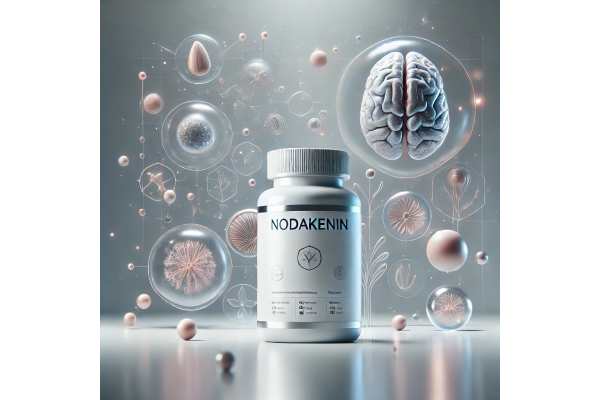
Nodakenin is a naturally occurring plant compound that has attracted growing interest in herbal medicine, pharmacology, and functional nutrition. It is a coumarin glycoside found mainly in the roots of Angelica species that are widely used in East Asian traditional formulas. Early research suggests that nodakenin may influence inflammation, brain health, metabolism, and bone turnover, making it a candidate “multi-target” molecule rather than a narrowly focused supplement.
Most of the current evidence comes from preclinical work in cells and animal models, with only limited human data so far. That means nodakenin should still be viewed as experimental, even though it appears in some herbal extracts and complex formulas already on the market. In this guide, you will learn what nodakenin is, how it seems to work in the body, where it might help, what we know (and do not know) about dosage, and which safety issues and research gaps you should keep in mind before considering products that contain it.
Key Insights
- Nodakenin is a coumarin glycoside from Angelica roots that shows anti-inflammatory, neuroprotective, metabolic, and bone-supporting effects in preclinical studies.
- In animal models, nodakenin has improved memory, reduced obesity complications, and protected liver and bone tissue, but robust human trials are still lacking.
- Pharmacokinetic research typically uses single oral doses of Angelica gigas extract that contain nodakenin in the low milligram range, and there is no universally accepted human nodakenin dose.
- People who are pregnant or breastfeeding, have bleeding disorders, are on anticoagulant or multiple prescription medicines, or live with serious liver or kidney disease should avoid self-supplementing nodakenin without specialist guidance.
- Because safety data are limited, nodakenin should be used, if at all, only within well-characterised herbal formulas and under the supervision of a qualified health professional.
Table of Contents
- What is nodakenin and where does it come from?
- How does nodakenin work in the body?
- Potential health benefits of nodakenin
- How to use nodakenin and typical forms
- Nodakenin dosage guidelines and practical tips
- Side effects, safety, and research gaps for nodakenin
What is nodakenin and where does it come from?
Nodakenin is a plant-derived small molecule belonging to the coumarin family, more specifically a coumarin glucoside. Chemically, it consists of a coumarin backbone linked to a sugar unit. That sugar moiety increases water solubility and influences how the compound is absorbed, transported, and metabolised in the body.
The best known natural sources of nodakenin are roots of Angelica gigas Nakai (Korean Angelica), Angelica decursiva, and related Angelica species used in East Asian herbal traditions. These roots are often included in multi-herb formulas aimed at blood circulation, female health, fatigue, or general “tonic” purposes in Korean and Chinese medicine. In these formulas, nodakenin is not used alone, but appears as one of several marker compounds alongside better known constituents such as decursin and decursinol angelate.
Because of its distinct structure and relatively consistent content in Angelica roots, nodakenin is frequently used as a quality-control marker in laboratory testing. When manufacturers standardise extracts, they may measure nodakenin levels by high performance liquid chromatography (HPLC) or ultra-high-performance liquid chromatography (UHPLC). This does not necessarily mean that the product is marketed as a “nodakenin supplement,” but it helps ensure that the underlying herb is present and processed consistently from batch to batch.
In traditional practice, people generally consume nodakenin indirectly, through decoctions, granules, or capsules that contain Angelica roots along with other herbs. Modern research, however, often isolates nodakenin to understand its individual pharmacological actions. This has led to the perception of nodakenin as a potential stand-alone nutraceutical, even though most consumer products still provide it only as a component of broader herbal formulas.
It is important to stress that nodakenin is not a vitamin or essential nutrient. The body does not require it for basic survival, and deficiency states are not recognised. Instead, it should be thought of as a bioactive phytochemical with possible therapeutic applications that remain under investigation.
Finally, the terminology can cause confusion. Nodakenin is a glycoside, while nodakenetin is the aglycone (the sugar-free form). The two molecules can have different pharmacological and pharmacokinetic profiles. Some studies examine nodakenin itself; others focus on mixtures where nodakenin and nodakenetin may interconvert in the body. When reading product labels or research papers, it is worth checking which form is actually being discussed.
How does nodakenin work in the body?
Most of what we know about nodakenin’s mechanisms comes from cell experiments and animal models rather than human trials. Taken together, these studies suggest several overlapping actions rather than a single “magic bullet” pathway.
One key area is inflammation. In mouse models of acute liver injury triggered by lipopolysaccharide (LPS), nodakenin reduced inflammatory signalling, lowered liver enzymes, and limited cell death. Mechanistically, it appeared to dampen activation of nuclear factor-κB (NF-κB) and related pathways, leading to lower expression of pro-inflammatory cytokines and enzymes such as inducible nitric oxide synthase (iNOS) and cyclo-oxygenase-2 (COX-2).
Nodakenin also interacts with oxidative stress pathways. In various models, it has reduced the production of reactive oxygen species and improved antioxidant capacity, for example by influencing superoxide dismutase and glutathione systems. These antioxidant effects seem to work hand in hand with its anti-inflammatory actions, because oxidative stress and inflammation reinforce each other.
In the brain, nodakenin appears to affect cholinergic signalling and neuroplasticity. In a classic mouse model where scopolamine is used to induce memory impairment, nodakenin improved performance in learning and memory tasks. Researchers observed changes consistent with reduced acetylcholinesterase activity (which would help preserve acetylcholine levels) and modulation of brain-derived neurotrophic factor (BDNF), a key player in synaptic plasticity.
Metabolic pathways are another important focus. In high-fat-diet animal models, nodakenin has reduced weight gain, improved blood lipid profiles, and alleviated fatty liver changes. These benefits appear to be linked to the regulation of very-low-density lipoprotein receptor (VLDLR) signalling, adipogenesis-related genes, and oxidative stress markers in adipose and liver tissue.
More recently, work in ovariectomised (surgically menopausal) mice has shown that nodakenin can influence the gut–bone axis. In these models, nodakenin not only improved bone mineral density and microarchitecture but also altered the composition of the gut microbiota and markers of intestinal barrier integrity. Bone benefits were associated with changes in osteoclast (bone-resorbing) and osteoblast (bone-forming) activity, suggesting that nodakenin may modulate bone remodelling through both local and systemic mechanisms.
Pharmacokinetic research using Angelica gigas extracts in humans indicates that nodakenin is absorbed after oral intake, reaches measurable levels in plasma, and is then metabolised and eliminated over several hours. Being a glycoside, it can be hydrolysed by enzymes or gut microbes to release the aglycone, which may have different tissue distribution and activity.
Overall, nodakenin currently looks like a multi-target modulator rather than a single-pathway drug. It touches inflammatory, oxidative, metabolic, neuronal, and bone-remodelling systems in ways that are promising but still incompletely mapped in humans.
Potential health benefits of nodakenin
Because most nodakenin data come from preclinical studies, any discussion of “benefits” must be cautious. What we have at this stage are signals of potential usefulness in several domains, which still need confirmation in well-designed human trials.
Cognition and brain health
In scopolamine-induced memory impairment models, nodakenin has improved performance in tasks that test learning, memory consolidation, and recall. Treated animals often show better maze performance and more normal exploratory behaviour compared with untreated controls. These effects line up with biochemical findings such as reduced acetylcholinesterase activity and improved synaptic plasticity markers.
Other work suggests possible anxiolytic and antidepressant-like effects in rodents, though this area is still emerging. Together, these data support the idea that nodakenin might one day contribute to cognitive support formulas or mood-modulating strategies, but it is far too early to treat it as a proven nootropic.
Liver and systemic inflammation
In the LPS-induced liver injury model, nodakenin reduced liver enzyme elevations, histological damage, and pro-inflammatory cytokines while improving antioxidant status. Similar anti-inflammatory patterns have been reported in other tissues and models, including experimental colitis and inflammatory cascades relevant to arthritis and kidney injury. From a functional perspective, this hints that nodakenin could be useful in settings characterised by excessive inflammatory signalling, although dosage, duration, and target populations remain undefined.
Obesity and metabolic health
A study in high-fat-diet animals found that nodakenin reduced body weight gain, adipose tissue mass, and markers of metabolic disturbance. It also improved insulin sensitivity markers and attenuated obesity-related oxidative and inflammatory stress. The mechanism seemed to involve inhibition of VLDLR-mediated pathways that promote lipid accumulation and adipocyte differentiation.
For humans, this suggests nodakenin might eventually be explored as part of multi-target metabolic support strategies, potentially alongside lifestyle changes and other nutraceuticals. However, without clinical outcome data, it should not replace established interventions for obesity, diabetes, or dyslipidaemia.
Bone health and menopause-related changes
In ovariectomised mice, which model postmenopausal estrogen deficiency, nodakenin improved bone mineral density and trabecular microarchitecture, reduced markers of bone resorption, and supported bone formation. These changes coincided with modulation of the gut microbiota and improved intestinal barrier markers, suggesting a gut–bone axis contribution.
If similar effects were confirmed in humans, nodakenin-containing formulas could be relevant for postmenopausal bone support. At present, though, the entire body of evidence is preclinical, so nodakenin should be considered exploratory rather than a validated osteoporosis therapy.
Skin, pigmentation, and other emerging areas
Laboratory work has examined nodakenin’s effects on melanogenesis (skin pigment production) and on cell types relevant to joint and kidney health. Early results indicate possible regulation of pigment-producing enzymes and protection of cartilage and kidney tissue in experimental models. These findings are still early-stage and have not translated into clear consumer applications yet.
In summary, nodakenin’s potential benefits span cognition, inflammation, metabolic health, bone integrity, and perhaps skin and organ protection. All of these areas require rigorous human trials before nodakenin can be recommended as a primary therapy.
How to use nodakenin and typical forms
Right now, very few products market nodakenin as a single-ingredient supplement. Instead, most people encounter it indirectly in herbal extracts and multi-herb formulas, especially those built around Angelica gigas or related species.
Common examples include:
- Single-herb Angelica gigas root extracts in capsule or tablet form, sometimes promoted for women’s health, circulation, or general vitality.
- Multi-herb traditional formulas in granule, decoction, or pill form, where Angelica roots are combined with other plants to support energy, digestion, blood quality, or menopausal comfort.
- Standardised extracts used in clinical or pharmacokinetic studies, where nodakenin is one of several marker compounds measured to track absorption and metabolism.
In these contexts, the product label will usually emphasise the herb or formula name rather than nodakenin itself. The amount of nodakenin per dose is often not listed, though research indicates that some Angelica-containing preparations provide roughly small milligram amounts of nodakenin per gram of extract, depending on the specific recipe and processing.
If you are considering a product that likely contains nodakenin, a practical approach is:
- Identify the herb and extract type. Look for Angelica gigas, Angelica decursiva, or similar species on the supplement facts panel, as well as whether the preparation is a simple powder, a water extract, or an alcohol extract.
- Check for standardisation. Some manufacturers state “standardised to X% coumarins” or name individual marker compounds. This can give a rough idea of nodakenin exposure, even if it is not listed explicitly.
- Start with the lowest effective label dose. Because nodakenin is still being studied, there is no incentive to push doses beyond what the product suggests, especially at the beginning.
- Use nodakenin-containing formulas, not raw bulk powder. Until more is known about the safety of isolated nodakenin, it is wiser to rely on professionally formulated products that have at least some analytical and toxicological data behind them.
- Coordinate with your clinician. If you have chronic conditions, take prescription medicines, are pregnant or breastfeeding, or have a history of liver or kidney problems, involve a healthcare professional before starting any new herbal formula.
At present, nodakenin is best viewed as a bioactive marker within well-defined herbal systems rather than a standalone supplement you would titrate on your own. Carefully chosen products, used at conservative label doses, and monitored by an experienced practitioner offer the most sensible path for those who wish to explore its potential.
Nodakenin dosage guidelines and practical tips
A central challenge with nodakenin is that there is no established, evidence-based human dosage for the isolated compound. Most dosing information comes from:
- Animal studies using nodakenin at defined mg/kg levels.
- Human pharmacokinetic or safety studies using Angelica gigas extracts that naturally contain nodakenin.
In high-fat-diet and other rodent models, nodakenin has often been given at relatively high mg/kg doses for several weeks, with beneficial effects and no major toxicity reported within that experimental window. Translating such doses directly to humans is not appropriate, but it tells us that preclinical researchers consider these levels biologically active and tolerable in animals.
In human pharmacokinetic work, adults have received single oral doses of several grams of Angelica gigas extract, with plasma levels of nodakenin and related coumarins measured over time. The actual amount of nodakenin in those doses depends on the specific extract, but it is typically in the low milligram range rather than grams.
Given this landscape, practical, conservative guidance looks like this:
- Follow the product’s label dose. For complex herbal formulas and Angelica extracts, adhere strictly to the manufacturer’s instructions unless your clinician explicitly advises otherwise.
- Think in terms of extract grams, not nodakenin milligrams. Because nodakenin is rarely quantified on labels, it is more realistic to track total extract intake (for example, 1–2 g of an Angelica-containing extract taken once or twice daily).
- Avoid stacking multiple nodakenin-rich products. Using several Angelica-based formulas or combining them with experimental nodakenin powders could increase total coumarin exposure unpredictably.
- Use limited trial periods. If your clinician agrees, a limited trial (for example, 4–8 weeks) with careful tracking of symptoms, lab results, and side effects is more responsible than open-ended use.
- Stop or reduce immediately if adverse effects appear. New headaches, easy bruising, digestive upset, skin rashes, or changes in liver or kidney laboratory values should prompt reevaluation.
Because nodakenin has not been through large, long-term human safety trials, there is no recognised “upper limit” similar to that used for vitamins and minerals. The safest assumption is that higher doses do not guarantee better results and may raise the risk of unexpected interactions, particularly with blood-thinning medicines or other agents that influence the liver and gut.
For many people, the most rational strategy is to use nodakenin only when it comes embedded in a high-quality, well-formulated herbal product, at modest doses, and under professional supervision, rather than trying to engineer a specific milligram dose of the pure compound on their own.
Side effects, safety, and research gaps for nodakenin
So far, nodakenin has generally looked well tolerated in cell and animal studies, and multi-herb formulas that contain it have passed repeated-dose toxicity testing without major safety signals at typical experimental doses. Nonetheless, the absence of clear harm in short-term preclinical work is not the same as proof of long-term safety in humans.
Documented adverse effects directly attributed to nodakenin in humans are scarce, mainly because isolated nodakenin has not been used widely in clinical trials. However, based on its class and the behaviour of related coumarins, possible side effects may include:
- Mild gastrointestinal discomfort (nausea, loose stools, abdominal cramping).
- Headache or lightheadedness in sensitive individuals.
- Allergic reactions (rash, itching, swelling) in people who react to Apiaceae family plants such as celery, carrot, or other Angelica species.
- Theoretical photosensitivity (increased sensitivity to sunlight) due to coumarin structures, though this has not been clearly documented for nodakenin itself.
Because nodakenin is metabolised by the liver and can influence inflammatory and oxidative pathways, there is a reasonable concern that it could interact with:
- Anticoagulant and antiplatelet medicines (for example, warfarin, direct oral anticoagulants, aspirin), potentially altering bleeding risk.
- Drugs with narrow therapeutic windows that depend heavily on liver metabolism.
- Other herbs and supplements with coumarin-like activity, where combined effects could be harder to predict.
Until detailed interaction studies are available, individuals in the following groups should avoid self-directed nodakenin use and only consider it under specialist supervision, if at all:
- Pregnant or breastfeeding people.
- Children and adolescents.
- People with known liver or kidney disease.
- Those with bleeding disorders or on anticoagulant, antiplatelet, or multiple prescription medicines.
- Individuals with a history of hormone-sensitive cancers, given that some nodakenin research targets menopausal bone loss and metabolism.
Key gaps that remain include:
- Lack of human efficacy trials testing nodakenin as a standalone supplement in clearly defined patient populations.
- Incomplete pharmacokinetic and metabolism data across different doses, durations, and populations.
- Limited long-term safety data on liver function, coagulation, hormone balance, and the gut microbiome.
- Unclear optimal dose and formulation, including whether pure nodakenin, a specific extract ratio, or combination with other herbs offers the best balance of benefit and risk.
Until these questions are answered, nodakenin should be approached as an interesting experimental compound embedded within traditional herbal systems, not as a fully validated supplement for self-treatment of serious disease.
References
- Nodakenin, a coumarin compound, ameliorates scopolamine-induced memory disruption in mice 2007 (Animal study)
- Inhibitory effects of nodakenin on inflammation and cell death in lipopolysaccharide-induced liver injury mice 2021 (Animal study)
- Nodakenin represses obesity and its complications via the inhibition of the VLDLR signalling pathway in vivo and in vitro 2021 (Animal study)
- Simultaneous Determination of Decursin, Decursinol Angelate, Nodakenin, and Decursinol of Angelica gigas Nakai in Human Plasma by UHPLC-MS/MS: Application to Pharmacokinetic Study 2018 (Human pharmacokinetic study)
- Nodakenin Ameliorates Ovariectomy-Induced Bone Loss by Regulating Gut Microbiota 2024 (Animal study)
Disclaimer
The information in this article is intended for general educational purposes only and does not constitute medical advice, diagnosis, or treatment. Nodakenin is still an experimental compound with limited human research, and its safety and effectiveness for any specific condition have not been established. Always consult a qualified healthcare professional before starting, changing, or stopping any supplement, herbal product, or medication, especially if you have an existing medical condition, are pregnant or breastfeeding, or are taking prescription medicines. Never disregard professional medical advice or delay seeking it because of information you have read here.
If you found this guide helpful, you are warmly invited to share it on Facebook, X (formerly Twitter), or any platform you prefer, and to follow our work on social media. Your thoughtful support by sharing our articles helps our team continue to research, write, and update high-quality health content for readers around the world.