Noni, or Morinda citrifolia, is a tropical fruiting plant long used across Polynesia, Southeast Asia, and parts of the Caribbean as both food and traditional medicine. Its ripe fruit is famous for its strong odor, while its juice, puree, leaves, and powders have been promoted for energy, immunity, joint comfort, circulation, and general resilience. Modern research has added useful detail to that traditional reputation, but it has also made the picture more nuanced. Noni appears to contain several bioactive compounds, especially iridoids, scopoletin, flavonoids, and polysaccharides, and these help explain why the plant is studied for antioxidant, anti-inflammatory, and metabolic effects.
Still, noni is not a cure-all. The best human evidence is modest and product-specific, with much of it centered on commercial noni juice rather than every form sold today. Some potential benefits look promising, especially around oxidative stress, inflammation, and selected cardiometabolic markers, but the data are not equally strong across all uses. Safety also deserves more attention than marketing often gives it, especially for liver health, kidney disease, pregnancy, and long-term high-dose use.
Quick Summary
- Noni may modestly support antioxidant balance and inflammation-related markers, especially in juice-based studies.
- It may also help selected cardiometabolic markers, but the evidence is mixed and often product-specific.
- Common commercial juice use is often around 30 to 120 mL per day, depending on concentration and product type.
- People with liver disease, kidney disease, pregnancy, or complex medication use should avoid unsupervised medicinal use.
Table of Contents
- What Noni Is and Why It Has Lastingly Wide Appeal
- Noni Health Benefits and What the Human Evidence Actually Supports
- Key Ingredients in Morinda citrifolia and How They May Work
- How Noni Is Used in Juice, Powder, Tea, and Topical Form
- Dosage, Timing, and How to Choose a Sensible Starting Point
- Safety, Side Effects, and Who Should Avoid It
- When Noni Makes Sense and When It Does Not
What Noni Is and Why It Has Lastingly Wide Appeal
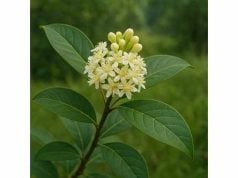
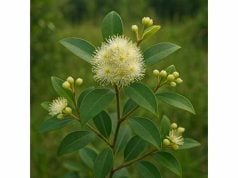
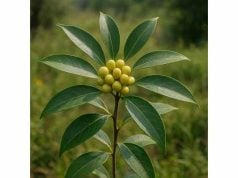
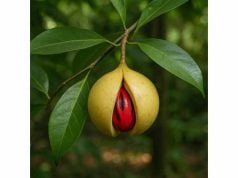
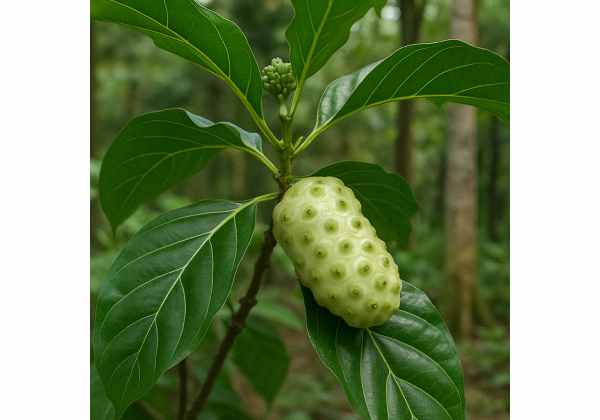
Noni is the fruit of Morinda citrifolia, a small evergreen tree in the coffee family, Rubiaceae. It grows across tropical coastal and volcanic regions and has a long history of use in Polynesian, Pacific Island, Southeast Asian, and South Asian traditions. Depending on the region, it may also be called Indian mulberry, cheese fruit, or great morinda. The plant is easy to recognize once fruiting begins: the fruit is pale yellow to whitish, lumpy, and softens as it ripens, developing a strong smell that many people find unpleasant but distinctive.
That smell matters because it says something about noni’s place in traditional health culture. This is not a polished wellness fruit that became popular because it tastes good. It endured because people believed it was useful. Different parts of the plant have been used in different ways: fruit juice for general vitality and digestive or inflammatory complaints, leaves as poultices or teas in some traditions, and roots or bark in more specialized practices. Over time, commercial noni products shifted the conversation away from traditional preparation and toward bottled juice, capsules, concentrates, and “detox” positioning.
Modern interest in noni comes from three overlapping ideas:
- it has a long ethnomedicinal history
- it contains multiple bioactive compounds
- it may act more like a functional plant food than a single-target herb
That last point is especially important. Noni is often marketed as though it were a direct medicine for immunity, pain, diabetes, cancer, blood pressure, and liver health all at once. In reality, it makes more sense as a broad botanical with moderate, product-dependent activity than as a focused treatment. Most credible claims today center on oxidative stress, inflammation, and selected metabolic markers, not on dramatic disease reversal.
Another feature that shapes noni’s reputation is the gap between tradition and research. Human studies do exist, which is more than can be said for many popular botanicals. But many of those studies used one specific French Polynesian juice product, meaning the results may not apply to every capsule, ferment, or concentrate sold under the noni name. That distinction is easy to miss when reading bold label claims.
Noni also sits at an unusual border between fruit and supplement. People may drink it by the tablespoon, take it in softgels, or add dried powder to smoothies. This makes it more approachable than some bitter medicinal plants, but it also encourages overuse because consumers may treat it like ordinary juice. It is not ordinary juice. It is a biologically active tropical fruit preparation whose value depends heavily on form, dose, and context.
The safest way to begin thinking about noni is as a traditional medicinal fruit with promising but uneven evidence. It deserves curiosity, but it also deserves more discipline than wellness marketing usually gives it.
Noni Health Benefits and What the Human Evidence Actually Supports
Noni’s strongest modern appeal comes from the idea that it may reduce oxidative stress and low-grade inflammation. That is also the area where the human data are easiest to discuss without exaggeration. Several human intervention studies, especially those using a branded French Polynesian noni juice, suggest possible benefits in markers related to oxidative damage, inflammation, blood lipids, and general resilience under physiologic stress. These findings are promising, but they are not broad enough to support every claim attached to the plant.
The most credible human-level themes are these:
- Oxidative stress support
Noni juice has shown meaningful effects in smokers and other higher-stress settings, where it appeared to improve markers of lipid oxidation and DNA damage. This does not mean noni cancels the harms of smoking, but it does suggest real antioxidant activity in humans under defined conditions. - Inflammation-related support
Some evidence points to lower inflammatory burden, especially in juice trials and selected symptom studies. These effects may help explain why noni has a reputation for helping joint comfort and recovery, though the symptom data are much less rigorous than the biomarker data. - Lipid and vascular support
Human studies have reported improvements in certain lipid-related markers and, in some settings, homocysteine and blood pressure trends. These findings are not universal, and they are not strong enough to place noni in the same class as more established cardiometabolic supplements, but they are worth noting. - Physical endurance and recovery
Small studies suggest noni juice may help with endurance or exercise tolerance, possibly through antioxidant and inflammatory mechanisms. This is intriguing, though still far from settled.
Where the evidence becomes weaker is in the broader disease-marketing space. There is still no strong clinical basis for presenting noni as a proven treatment for cancer, chronic liver disease, diabetes, obesity, severe arthritis, or immune deficiency. Much of the more dramatic literature remains preclinical, animal-based, or dependent on mechanistic reasoning rather than direct clinical outcomes.
A major caveat is that the human evidence is product-specific. One of the most important findings in the modern review literature is that nearly all peer-reviewed human intervention trials have involved one commercial source of noni juice. That means the clinical picture cannot be cleanly generalized to every powder, leaf tea, fermented juice, or capsule on the market. Geography, harvest timing, fermentation, blending, and processing all influence the final phytochemical profile.
This is why noni should be understood as a plausibly helpful adjunct, not a universal remedy. Someone looking for sharper metabolic support may find berberine for more defined glucose and lipid targets better supported for that specific purpose. Noni has value, but it is usually broader and softer rather than stronger and more targeted.
The most honest benefits summary is this: noni may offer moderate support for oxidative stress, inflammation-related physiology, and some cardiometabolic markers, especially in juice form, but the evidence is uneven and often limited by product specificity. That still makes it interesting. It just does not make it a cure-all.
Key Ingredients in Morinda citrifolia and How They May Work
Noni is chemically rich, which helps explain both its broad traditional use and the difficulty of pinning it to one simple mechanism. The fruit, leaves, seeds, and roots do not all contain the same compounds in the same proportions, and commercial products vary even more. Even so, several compound groups show up repeatedly in the research and form the core of noni’s medicinal profile.
The most important constituents include:
- Iridoids, especially deacetylasperulosidic acid and asperulosidic acid
These are often treated as signature noni compounds and may contribute to antioxidant and anti-inflammatory effects. - Scopoletin
A coumarin-like compound frequently discussed in noni research for vascular, inflammatory, and signaling effects. - Flavonoids, including rutin, quercetin, and kaempferol derivatives
These help support the fruit’s antioxidant profile and may contribute to tissue protection. - Polysaccharides
These are often linked to immunomodulatory interest, though their real-world clinical role is still not fully defined. - Anthraquinones, including damnacanthal and related compounds
These are more associated with roots, bark, and certain extracts than with standard food-like juice. They are scientifically interesting but also relevant to safety discussions. - Phenolic acids, fatty acids, and minor terpenoid-like constituents
These add to the plant’s broader bioactive matrix.
A practical way to understand noni is to divide its chemistry into three layers.
The antioxidant layer is largely driven by iridoids, flavonoids, and related phenolics. This is the part most often invoked to explain reduced oxidative stress markers in juice trials.
The signaling layer includes scopoletin, anthraquinones, and other compounds that appear in laboratory studies involving inflammation, cell-cycle modulation, glucose handling, and vascular function.
The matrix layer includes sugars, acids, minerals, polysaccharides, and fermentation-dependent changes that make one noni juice quite different from another.
This third layer is especially important. Noni is often marketed as though one named compound explains everything. It does not. Real products contain a changing mixture, and that mixture depends on origin and processing. A fermented juice may behave differently from a freeze-dried fruit capsule. A leaf tea may differ substantially from a fruit puree. A blended commercial drink may not reflect the chemistry of raw fruit alone.
This is also why isolated lab findings should be interpreted carefully. A compound may look impressive in a petri dish and still not translate into a safe or useful household product. Noni’s phytochemistry supports scientific interest, but it does not automatically validate every supplement claim built around it.
If readers want a familiar example of how an herb’s effect comes from a cluster of compounds rather than one single “magic” constituent, ginger’s layered active-compound profile offers a useful comparison. Noni is similar in that respect, though less settled clinically and more variable by product form.
The clearest conclusion is that noni’s medicinal properties are believable because the plant is chemically active in several ways at once. But that same complexity is also why noni products can vary so much in potency, usefulness, and safety. In practice, chemistry makes noni promising, yet variability keeps it from being simple.
How Noni Is Used in Juice, Powder, Tea, and Topical Form
Noni is used in more forms than most medicinal fruits, and that variety is both a strength and a problem. It allows people to choose the preparation that best fits their tolerance and goals, but it also encourages confusion because the forms are often treated as interchangeable. They are not.
Juice is the best-known commercial form and the one most often represented in human research. It may be sold as pure juice, blended juice, fermented juice, concentrate, or ready-to-drink wellness blends. Juice is often chosen for antioxidant and general vitality goals, and it is usually the format behind claims related to exercise recovery, joint comfort, inflammation, and general resilience.
Puree and pulp preparations are less common but closer to whole-fruit intake. These may preserve more of the fruit matrix, though they can also be less palatable because noni’s smell and taste are strong.
Powders and capsules are popular with people who want convenience and less odor. These are usually made from dried fruit, sometimes standardized by marker compounds, though standardization is far from universal. Capsules are often chosen by users seeking a more supplement-like routine.
Leaf tea or leaf infusions exist as a separate category. The leaf is not the same as the fruit, and leaf products should not automatically inherit the same evidence or safety profile. Some consumers mistakenly assume “noni tea” is just a lighter version of juice, but it may reflect a quite different phytochemical balance.
Topical uses are part of traditional practice, especially with leaves or preparations applied to joints, skin, or areas of discomfort. Topical noni is much less clinically characterized than juice, but it remains part of the plant’s real-world use history.
A simple form-by-goal guide looks like this:
- choose juice if you want the format most often used in human studies
- choose capsules or powder if taste and smell are a major barrier
- choose leaf tea only if the product clearly states the plant part and intended use
- choose topicals with the same caution you would use for any active botanical skin product
The main mistake people make is assuming that a capsule is simply “juice in another form.” That is rarely true. Another common mistake is treating noni like an ordinary daily fruit beverage. Because it is sold in bottle form, users may drink it more casually than they would take an herbal extract. That can lead to unnecessarily high intake, especially with concentrated or fermented products.
This is where form selection matters as much as dose. If the goal is general digestive comfort, a gentler, symptom-focused option like peppermint for digestive relief may actually make more practical sense. Noni is more relevant when the interest is broad antioxidant or inflammatory support, not simple short-term stomach soothing.
Used thoughtfully, noni can fit food, supplement, or traditional-care patterns. But each pattern changes the likely effect. The safest approach is to match the form to the goal instead of treating every noni product as the same thing in different packaging.
Dosage, Timing, and How to Choose a Sensible Starting Point
Noni does not have one universal evidence-based dose. The product form, concentration, and commercial processing method matter too much for that. Even so, some patterns are clear enough to guide practical use.
For juice, the most common real-world and study-related range is often around 30 to 120 mL per day. Many consumers start at the lower end, such as 30 mL once daily, then adjust based on tolerance and product label instructions. Some clinical work on specific commercial juice products has used higher amounts, and short-term safety studies have even explored very large intakes. But those higher amounts should not be treated as everyday targets. They were product-specific, short-term, and not necessary for routine self-care.
For capsules or fruit powders, doses vary too widely across brands to give one universally useful number. A sensible approach is to start with the manufacturer’s lowest labeled serving, especially if the product does not clearly state whether it contains whole fruit, concentrate, extract, or a standardized fraction.
For leaf tea, dosing is closer to food use than supplement use, but the same caution applies: begin modestly and avoid assuming that more is better simply because the form looks mild.
A practical dosing strategy looks like this:
- Start with one form only
Do not combine juice, capsules, and tea in the same trial period. - Begin with a low, clearly measurable dose
For juice, that often means 30 mL daily. For capsules, start with the lowest labeled amount. - Take it for a defined period, such as 2 to 8 weeks
Noni is not the kind of plant where one day tells you much. - Track the outcome that actually matters
That may be joint comfort, energy, tolerance during training, digestive response, or lab-monitored markers rather than vague impressions alone.
Timing also matters. Many users tolerate noni best with food or earlier in the day, particularly if the juice is strong-smelling, acidic, or taken in concentrate form. Taking it on an empty stomach may increase nausea or stomach discomfort in sensitive people.
One more important point: noni should not be pushed upward simply because the first week feels uneventful. Unlike some very mild food herbs, noni has a safety discussion that includes rare liver injury reports, product variability, and concern in kidney disease. That means restraint is a strength, not a weakness.
This is also why users should be careful about copying doses from brand marketing. A large-volume traditional-style juice trial is not the same as a freeze-dried capsule. A fermented extract may not match a blended juice. Measured use matters more than enthusiasm.
If someone wants a more clearly structured liver-oriented plant routine, milk thistle for liver-focused self-care is generally easier to place than noni, because noni’s dosing evidence is more scattered and product-dependent.
The best dosing mindset is moderate and specific. Use the lowest practical amount, stay with one preparation, and judge the result against a clear purpose. Noni usually works best as a measured trial, not as an escalating habit.
Safety, Side Effects, and Who Should Avoid It
Noni is often promoted as a natural fruit tonic, but safety deserves more attention than that label suggests. Most people who use commercial noni products do not experience dramatic problems, and many studies report no serious adverse effects or only mild digestive complaints. Still, the safety record is not simple. Noni sits in the category of products that are often tolerated, yet still capable of causing significant issues in certain people or at certain doses.
The most common side effects are relatively mild:
- nausea
- bloating
- loose stools
- stomach discomfort
- headache or unpleasant aftertaste
These are not surprising for a strongly flavored fermented or concentrated fruit preparation. More important are the less common but higher-stakes concerns.
Liver safety is the biggest one. Noni has been linked to rare case reports of clinically important liver injury, including severe hepatitis and acute liver failure. At the same time, other reviews and official evaluations have argued that typical commercial noni juice has not shown a consistent hepatotoxic pattern in most users. The most honest reading is that liver injury appears to be uncommon but plausible, especially in susceptible individuals, at high doses, or with certain products.
Kidney and potassium concerns also matter. Noni juice can be relatively rich in potassium, which may be problematic in chronic kidney disease or in people already at risk of hyperkalemia. That risk does not apply equally to every product, but it is serious enough to justify caution.
Pregnancy and breastfeeding are another clear caution zone. Traditional use is not enough to establish safety for concentrated modern products, and some higher-dose animal data raise enough concern to avoid casual medicinal use during pregnancy.
Medication interactions are possible as well. Caution is especially sensible with:
- antihypertensive drugs
- diabetes medications
- anticoagulants and antiplatelet drugs
- potassium-sparing medications
- medicines processed through complex liver pathways
The people who should generally avoid unsupervised medicinal use include:
- anyone with existing liver disease
- anyone with chronic kidney disease
- people with high potassium concerns
- pregnant or breastfeeding people
- people preparing for surgery
- anyone taking several prescription medicines at once
This is a good example of why “fruit” does not always mean “casual.” Noni is not like adding berries to breakfast. It is a medicinal fruit product with enough biologic activity and enough variability to deserve measured use. Someone who wants a reference point for a gentler safety profile may find a milder herb safety model useful, because noni sits in a more complex space between food and supplement.
The strongest practical advice is simple: if you have liver, kidney, or medication concerns, do not experiment with noni on your own. Mild side effects are common enough to monitor. Rare serious effects are uncommon enough to be overlooked until they matter. That is exactly why caution should come first.
When Noni Makes Sense and When It Does Not
Noni makes the most sense when it is used as a focused adjunct rather than as a miracle product. It can be reasonable for adults who want to explore moderate support for oxidative stress, mild inflammatory burden, selected wellness goals, or a traditional medicinal-fruit approach that has at least some human research behind it. It may also make sense for people who specifically want to trial a commercial juice product similar to those used in published studies, while keeping expectations grounded.
Good use cases for noni may include:
- someone who wants a carefully measured antioxidant-oriented botanical
- a person interested in a short self-trial for general vitality or recovery support
- consumers who prefer a fruit-based supplement over a strongly stimulating herb
- people using it alongside, not instead of, standard care
Noni makes much less sense when the goal is overly ambitious. It is a poor choice for people hoping to replace prescribed treatment for diabetes, hypertension, severe joint disease, liver disease, cancer, or major inflammatory illness. It is also a poor fit for anyone who is already medically complex, because product variability adds one more unknown to an already busy system.
There is another reason not to oversell noni: the best human data are still too narrow. Much of the published clinical literature comes from one branded French Polynesian juice source, and that means “noni” as a category is wider than the evidence base that supports it. In practical terms, a person may buy a product labeled noni and assume it matches the studies, when in reality the blend, concentration, and phytochemical profile could be quite different.
This is why the best role for noni is usually supportive and experimental in a careful way, not foundational. A person who wants sharper evidence for immune or antioxidant food-like support might look at other functional botanicals, while someone focused on liver or metabolic therapy may need a more targeted plan. Noni is not useless because of that. It is simply not universal.
The most balanced final judgment is favorable but restrained. Noni is a real medicinal plant with genuine phytochemical interest, a long traditional history, and some encouraging human evidence. It may help certain people in certain formats. But its benefits are modest, its research is uneven, and its safety conversation is more serious than many labels imply.
That makes noni a good plant for informed users and a poor plant for impulsive ones. If you treat it as a measured adjunct, choose the form carefully, and keep the goal realistic, it can have a place. If you treat it as a cure-all, it will almost certainly disappoint and may, in the wrong situation, create avoidable risk.
References
- Morinda citrifolia L.: A Comprehensive Review on Phytochemistry, Pharmacological Effects, and Antioxidant Potential 2025 (Review)
- Morinda citrifolia L. (noni) and its potential in the management of systemic metabolic disorder (SMD) 2025 (Review)
- An evidence-based review of Morinda citrifolia L. (Rubiaceae) fruits on animal models, human studies, and case reports 2024 (Evidence-Based Review)
- Noni – LiverTox – NCBI Bookshelf 2020 (Government Safety Monograph)
- The Potential Health Benefits of Noni Juice: A Review of Human Intervention Studies 2018 (Human Intervention Review)
Disclaimer
This article is for educational purposes only and does not replace medical advice, diagnosis, or treatment. Noni products vary widely in composition, and benefits seen with one commercial juice cannot be assumed for every powder, tea, capsule, or concentrate. Do not use noni to self-treat liver disease, kidney disease, cancer, diabetes, hypertension, or any chronic inflammatory condition. If you are pregnant, breastfeeding, have liver or kidney concerns, take prescription medicines, or are preparing for surgery, speak with a qualified healthcare professional before using noni medicinally.
If this article helped you, please share it on Facebook, X, or your preferred platform.