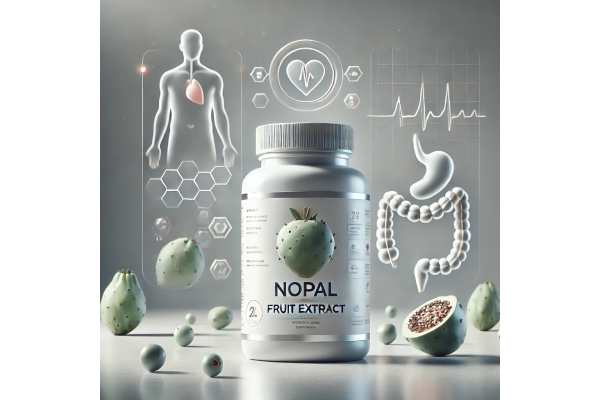
Nopal fruit extract comes from the brightly colored fruits of the prickly pear cactus (Opuntia ficus-indica), long eaten in Mexico and Mediterranean regions as food and traditional medicine. Today it is concentrated into powders, capsules, and standardized extracts used for metabolic, cardiovascular, and antioxidant support. The fruits are naturally rich in vitamin C, betalain pigments, polyphenols, and soluble fiber, which together may help modulate oxidative stress, cholesterol levels, blood sugar response to meals, and markers of metabolic syndrome. At the same time, human studies are still relatively small and varied, so nopal fruit extract should be viewed as a supportive tool rather than a stand-alone treatment.
This guide walks through what nopal fruit extract is, how it appears to work, how people commonly use it, typical dosage ranges, and what to watch for in terms of side effects and interactions so you can discuss it more confidently with a qualified health professional.
Quick Overview for Nopal Fruit Extract
- Nopal fruit extract provides antioxidant pigments, vitamin C, and fiber that may support cardiovascular and metabolic health.
- Human studies suggest modest improvements in oxidative stress markers, cholesterol, and blood pressure rather than dramatic weight loss effects.
- Typical supplemental intakes range from about 500 to 1500 mg of standardized nopal fruit extract per day, often taken with meals.
- People with diabetes, kidney disease, or those taking blood sugar or blood pressure medications should use nopal fruit extract only under medical supervision.
- Pregnant or breastfeeding individuals and children should generally avoid concentrated nopal fruit extracts due to limited safety data.
Table of Contents
- What is nopal fruit extract?
- Nopal fruit extract benefits and how it may help
- How to use nopal fruit extract day to day
- Nopal fruit extract dosage and supplement forms
- Nopal fruit extract side effects and precautions
- What the research says about nopal fruit extract
What is nopal fruit extract?
“Nopal” typically refers to the prickly pear cactus, Opuntia ficus-indica, a drought-tolerant plant whose flat pads (cladodes) and pear-shaped fruits have both culinary and medicinal uses. When we talk about nopal fruit extract, we are focusing specifically on concentrates made from the fruit pulp and sometimes peel, not the green pads. The fruits come in yellow, orange, or red varieties and are rich in water, natural sugars, fiber, and a spectrum of phytochemicals, especially betalain pigments that give them their intense color.
The fruit pulp contains vitamin C, small amounts of vitamin E and carotenoids, and polyphenols such as flavonoids and phenolic acids. These compounds act together as antioxidants, helping neutralize reactive oxygen species. In addition, the fruit provides soluble fiber and pectin, which can modestly slow digestion and affect post-meal blood sugar and cholesterol handling. Nutrient profiles vary by variety and region, but analyses of different prickly pear ecotypes show high water content (around 80–85%), modest calories, and meaningful levels of potassium, magnesium, and other minerals.
Supplement manufacturers typically harvest ripe fruits, remove spines and peel, and then juice, dry, or extract the pulp. The result may be a spray-dried fruit powder, a standardized extract (for example, with defined betalain or polyphenol content), or sometimes a fruit-derived complex combined with peel or fiber fractions. This is distinct from nopal pad powder, which is more fibrous and often used chiefly for its fiber content, and from seed oil, which is rich in unsaturated fatty acids and vitamin E but has a different profile and use case.
On labels, you may see ingredients such as “Opuntia ficus-indica fruit extract,” “prickly pear fruit powder,” or branded complexes. Because there is no single standardized preparation, two products labeled “nopal fruit extract” can differ considerably in fiber, pigment, and polyphenol content, which partly explains why clinical results are inconsistent between studies.
Nopal fruit extract benefits and how it may help
Most of what we know about nopal’s health effects comes from research on the whole plant (pads and fruits) and various extracts used in metabolic and cardiovascular contexts. For nopal fruit–focused preparations, several potential benefit areas have emerged, though the strength of evidence varies.
1. Antioxidant and redox support
Prickly pear fruit is notable for its betalain pigments (such as betanin and indicaxanthin) and vitamin C, which together contribute to antioxidant capacity. In controlled human trials, short-term supplementation with cactus pear fruit pulp has been shown to reduce markers of lipid peroxidation and improve blood antioxidant status compared with baseline. These improvements suggest that compounds beyond vitamin C, including betalains and polyphenols, contribute to the effect.
More recent work using Opuntia ficus-indica supplements over several months in healthy adults has reported increased total antioxidant capacity and decreased oxidative stress biomarkers, reinforcing a role for Opuntia products as adjuncts in managing oxidative stress.
2. Cholesterol and cardiovascular risk factors
Randomized trials using cactus pear products, including fruit-containing preparations, report modest but statistically meaningful reductions in total cholesterol, body fat percentage, and both systolic and diastolic blood pressure, even when effects on overall body weight are small. These findings are consistent with the known influence of viscous fiber and plant polyphenols on lipid metabolism and vascular health.
3. Blood sugar response and metabolic markers
Traditional use and small clinical studies suggest that various Opuntia products can blunt post-meal rises in blood glucose and insulin, particularly when taken with carbohydrate-rich meals. Proposed mechanisms include slowed gastric emptying from viscous fiber, interference with carbohydrate absorption, and favorable changes in oxidative and inflammatory status that may support insulin sensitivity. Evidence is stronger for pad-based preparations than for fruit-only extracts, but the fruit’s fiber and phytochemicals likely have overlapping effects.
4. Weight management and metabolic syndrome
Human studies using Opuntia-based supplements in overweight, obesity, or metabolic syndrome show mixed results. Overall weight loss tends to be modest, but reductions in body fat percentage, waist circumference, and liver enzymes have been reported, especially when supplementation is combined with dietary and lifestyle changes. For nopal fruit extract specifically, it is more realistic to see it as a supportive component of a broader metabolic health strategy rather than a stand-alone weight-loss agent.
5. Gut and liver support
The soluble fiber and polyphenols in nopal fruits may support a healthier gut microbiome and bile acid metabolism. Animal and early human work suggests benefits for risk factors related to non-alcoholic fatty liver disease, including improvements in liver enzymes and lipid profiles. These effects are not yet well defined for fruit-only extracts but align with the biology of fiber- and polyphenol-rich foods.
How to use nopal fruit extract day to day
Because nopal fruit extract is most often used for metabolic and cardiovascular support, how you take it can matter as much as how much you take. The goal is usually to align dosing with meals, when blood sugar and lipids naturally rise, and to integrate it realistically into your existing regimen.
Common forms you may see
- Capsules or tablets: The most convenient format. Each serving may provide anywhere from 250 to 1000 mg of fruit extract.
- Powders: Freeze-dried or spray-dried fruit powders that can be mixed into water, smoothies, or yogurt. These can approximate the effect of consuming whole fruit in a more concentrated form.
- Liquid extracts or shots: Standardized liquid formulas, sometimes combined with other plant extracts like artichoke, berberine, or green tea.
- Functional foods: Bars, gummies, or beverages fortified with nopal fruit components.
Timing with meals
Many people take nopal fruit extract once or twice daily with meals, especially meals higher in carbohydrate or fat. Taking it with food may:
- Improve tolerance (less chance of digestive discomfort).
- Allow the fiber and polyphenols to interact with dietary sugars and fats in the gut.
- Align antioxidant support with post-meal oxidative stress peaks.
A simple pattern is to start with one dose alongside your largest meal of the day and, if tolerated, consider adding a second dose with another meal after a week or two.
How to introduce it step by step
- Review medications and conditions. If you use drugs for diabetes, high blood pressure, blood thinning, or kidney disease, discuss nopal with a clinician first.
- Start low. Begin with the lowest dose on the label (for example, 250–500 mg once daily) to gauge tolerance.
- Take with water and food. Adequate hydration supports fiber’s effects and may reduce bloating or constipation.
- Track changes. Note any changes in digestion, appetite, energy, and, where appropriate, home blood pressure or blood sugar readings.
- Avoid using it in place of medical care. Nopal fruit extract should complement, not replace, prescribed treatments or lifestyle interventions.
Combining with other supplements
Nopal fruit extract is often combined with omega-3 fatty acids, plant sterols, or other antioxidants. However, combining multiple agents that lower blood sugar (like berberine, bitter melon, or high-dose cinnamon) may increase the risk of low glucose in susceptible individuals. Coordination with a health professional is important if you are building a more complex regimen.
Nopal fruit extract dosage and supplement forms
There is no official standardized dosage for nopal fruit extract. Human studies have used a wide range of preparations and amounts, from whole fruit pulp to dehydrated fiber complexes and encapsulated extracts. That said, we can outline typical ranges and how they compare to studied protocols.
What clinical and experimental studies have used
- In antioxidant trials in healthy volunteers, participants have consumed roughly 250 g of fresh prickly pear fruit pulp twice daily (about 500 g per day total) for two weeks, with measurable improvements in oxidative stress markers.
- Other work in healthy adults has used around 1500 mg per day of an Opuntia ficus-indica supplement for three months and observed increases in total antioxidant capacity and decreases in oxidative stress biomarkers.
- Trials included in systematic reviews of cactus pear products for weight and cardiovascular risk factors often used fiber-rich preparations at doses in the low-gram range (for example, around 1600–3600 mg per day), sometimes derived from cladodes or mixed plant parts rather than fruit alone.
These data suggest that both “food-like” intakes (multiple fruits per day) and “supplement-like” intakes (hundreds to a few thousand milligrams of extract) have been used without major safety signals in short-term studies.
Typical supplemental dosage ranges
For over-the-counter nopal fruit extract supplements marketed for antioxidant and metabolic support, a conservative working range often looks like:
- 500–1500 mg per day of standardized nopal fruit extract, usually divided into one to three doses with meals.
- For fiber-rich complexes or mixed fruit–pad extracts, up to around 2000–3000 mg per day, split across meals, is common in products designed to support cholesterol or blood sugar management.
Because composition varies, two products with the same milligram amount may not be equivalent. If available, look for standardization to:
- Betalain content (for example, total betalains by percentage).
- Polyphenol content (such as milligrams of gallic acid equivalents).
- Fiber content (grams of total or soluble fiber per serving).
Practical dosage guidance
- Start small: 250–500 mg of extract once daily with food.
- Titrate gradually: If tolerated, increase every 5–7 days up to the target range suggested by your clinician or indicated on the label.
- Match the dose to the purpose:
- For general antioxidant support, a lower daily dose (for example, 500–1000 mg) may be reasonable.
- For more targeted metabolic support, clinicians sometimes use doses closer to the upper end (for example, 1000–1500 mg per day), still within studied ranges.
- Stay within label directions: Do not exceed the manufacturer’s suggested daily dose unless a qualified professional specifically advises otherwise.
Whole-food options remain valid: regularly eating nopal fruits (where available) or drinking modest amounts of freshly prepared juice can provide similar phytochemicals and fiber, though in less standardized amounts. People with diabetes or kidney disease should still treat these as functional foods and coordinate with their care team when making significant dietary changes.
Nopal fruit extract side effects and precautions
Overall, nopal fruit and its extracts appear relatively well tolerated in short-term human studies and traditional food use, but that does not mean they are free of side effects or risks. Concentrated extracts deliver higher doses of bioactive compounds than a typical serving of fruit, and sensitive individuals or those with medical conditions may react differently.
Common, usually mild side effects
- Digestive symptoms: Bloating, gas, soft stools, or, less commonly, constipation may occur, especially at higher doses or with fiber-rich formulations. Starting low and increasing gradually often reduces these effects.
- Nausea or stomach discomfort: Taking the extract with food and plenty of water usually helps.
- Transient changes in stool color: Deeply pigmented fruits can occasionally tint stool; this is usually harmless.
Blood sugar and blood pressure effects
Because Opuntia products can influence glucose handling and cardiovascular markers, they may amplify the effects of medications:
- People taking insulin or oral hypoglycemic drugs (for example, metformin or sulfonylureas) could be at increased risk of low blood sugar if large amounts of nopal fruit extract are added abruptly.
- Those on blood pressure medications could theoretically see additive reductions, though clinical data are limited.
Anyone with diabetes, prediabetes, or treated hypertension should monitor their readings more closely when starting nopal fruit extract and involve their clinician in dose changes.
Who should generally avoid or use great caution
- Pregnant or breastfeeding individuals: There is insufficient safety data on concentrated nopal fruit extracts; most experts recommend sticking with normal food-level intake at most, with professional guidance.
- Children and adolescents: Safety of long-term supplemental use has not been established.
- People with significant kidney disease: Mineral content and changes in fluid balance from high fiber or high fruit intake may not be suitable for all stages of kidney disease.
- Individuals with known cactus or betalain allergies: Allergic reactions ranging from itching and rash to more intense responses are possible; anyone with a history of reactions to cactus fruits, beets, or similar pigments should avoid nopal supplements.
- Pre-surgery: Because of possible effects on blood sugar and blood pressure, it is prudent to stop nopal fruit extract roughly one to two weeks before scheduled surgery, in line with general supplement recommendations.
Drug interaction considerations
- Antidiabetic drugs: Possible additive glucose-lowering effects.
- Antihypertensives: Potential additive blood pressure effects.
- Diuretics or electrolyte-altering drugs: The fruit’s potassium content and hydration effects may be relevant at high intakes.
- Anticoagulants or antiplatelet agents: There is no strong evidence for direct interaction, but as with many plant extracts, clinicians may prefer cautious use until more data are available.
Anyone experiencing persistent gastrointestinal symptoms, unexplained fatigue, dizziness, or signs of allergic reaction (such as hives, facial swelling, or breathing difficulty) should discontinue use and seek prompt medical evaluation.
What the research says about nopal fruit extract
The scientific picture for nopal fruit extract is promising but still incomplete. A few key points help clarify how strong the evidence is and what remains uncertain.
Evidence base and overall quality
Several lines of research support potential health benefits:
- Nutritional and compositional studies describe high levels of antioxidants, fiber, and beneficial minerals in prickly pear fruits, suggesting plausible mechanisms for metabolic and cardiovascular effects.
- Controlled human trials show that prickly pear fruit supplementation can significantly improve markers of oxidative stress in healthy subjects over short periods, sometimes outperforming vitamin C alone at comparable doses.
- Randomized trials of Opuntia supplements in humans indicate improvements in antioxidant capacity and reductions in oxidative stress biomarkers after a few months of daily use.
- Systematic reviews and meta-analyses of cactus pear products report modest but statistically significant improvements in cardiovascular risk markers (body fat percentage, total cholesterol, blood pressure) without strong effects on overall body weight.
- Recent comprehensive reviews emphasize the potential of Opuntia products, including fruits, for obesity-related and metabolic complications while stressing that most mechanistic studies are preclinical and that human trials are heterogeneous and limited.
However, limitations are substantial:
- Sample sizes in human trials are generally small.
- Study durations are short, often weeks to a few months.
- Preparations vary widely (whole fruit, juice, fiber-enriched powders, pad or mixed extracts), making it hard to generalize findings to any one commercial product labeled “nopal fruit extract.”
- Many studies include participants with specific conditions (for example, metabolic syndrome or obesity), and results may not apply to the general population.
What seems reasonably supported
Putting these findings together, nopal fruit–based products:
- Appear likely to improve antioxidant status and reduce several biomarkers of oxidative stress in the short term.
- May contribute to modest improvements in cholesterol, blood pressure, and body fat percentage, especially when combined with healthy diet and exercise.
- Are unlikely to provide dramatic or independent weight-loss effects, despite some marketing claims.
What remains uncertain
Key questions that remain open include:
- The long-term safety and efficacy of daily nopal fruit extract use over many years.
- The precise dose–response relationship for metabolic and cardiovascular outcomes.
- Whether fruit-only extracts perform differently from fiber-rich pad or mixed extracts in direct comparison.
- How nopal fruit extract interacts with specific medications and health conditions over time.
Given these uncertainties, most experts view nopal fruit extract as a potentially useful adjunct to established lifestyle and medical strategies for cardiometabolic health rather than a replacement. People with chronic conditions should always integrate it under the guidance of a clinician who can monitor objective markers such as lipids, liver enzymes, glucose, and blood pressure.
References
- Physicochemical, Nutritional, and Medicinal Properties of Opuntia ficus-indica (L.) Mill. and Its Main Agro-Industrial Use: A Review 2023 (Review)
- The effect of cactus pear (Opuntia ficus-indica) on body weight and cardiovascular risk factors: a systematic review and meta-analysis of randomized clinical trials 2015 (Systematic Review and Meta-analysis)
- Usefulness of Opuntia spp. on the Management of Obesity and Its Metabolic Co-Morbidities 2024 (Systematic Review)
- Supplementation with cactus pear (Opuntia ficus-indica) fruit decreases oxidative stress in healthy humans: a comparative study with vitamin C 2004 (RCT)
- Assessment of Opuntia ficus-indica supplementation on enhancing antioxidant levels 2025 (RCT)
Disclaimer
The information in this article is intended for general educational purposes only and is not a substitute for professional medical advice, diagnosis, or treatment. Nopal fruit extract is not approved by regulatory authorities for the prevention or treatment of any disease, and individual responses can vary. Always consult a qualified healthcare professional before starting, stopping, or changing any supplement, particularly if you have a medical condition, take prescription or over-the-counter medications, are pregnant or breastfeeding, or are planning a medical procedure. Never disregard professional medical advice or delay seeking it because of something you have read here.
If you found this guide helpful, you are warmly invited to share it on Facebook, X (formerly Twitter), or any platform you prefer, and to follow our work on social media. Your thoughtful sharing helps support our team in continuing to create clear, evidence-informed content for readers like you.