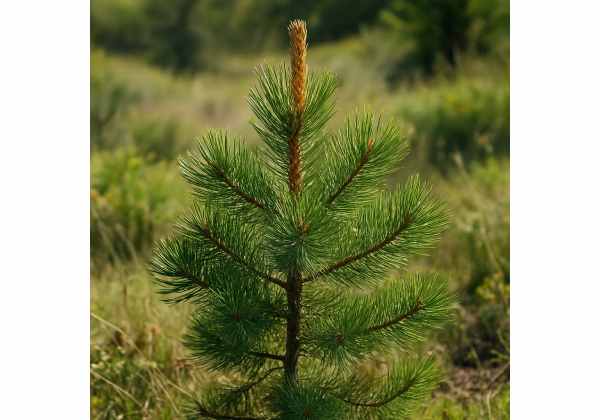
Nut pine is a practical term for the edible-seeded pines within the genus Pinus—the trees that produce pine nuts. Rather than referring to one single herb, it covers a useful group of species such as stone pine, Korean pine, Siberian pine, and chilgoza pine. What makes these trees especially interesting is that they bridge food and medicine so naturally. Their kernels are rich in unsaturated fats, vitamin E, plant sterols, minerals, and distinctive fatty acids, including pinolenic acid, which has drawn attention for its possible effects on satiety, inflammation, and metabolic health.
For most people, nut pine is best understood through the edible seeds and their oil, not through bark, needles, resin, or pollen. That distinction matters because each pine-derived product has a different chemistry, safety profile, and evidence base. Pine nuts work most convincingly as a nutrient-dense food with functional potential, especially for heart-friendly eating patterns, antioxidant support, and appetite balance. This guide focuses on what readers usually want to know: what nut pine contains, what benefits are most plausible, how to use it well, what dosage makes sense, and where safety deserves more careful attention.
Quick Facts
- Pine nuts provide unsaturated fats, vitamin E, minerals, and plant compounds that may support cardiometabolic health as part of a balanced diet.
- Pine nut oil and pinolenic acid show promising anti-inflammatory and appetite-related effects, but the strongest data are still short-term.
- A practical food-first range is about 20 to 30 g of kernels per day, while 3 to 6 g of hydrolyzed pine nut oil has been studied in satiety trials.
- People with pine nut allergy, prior anaphylaxis to nuts, or unexplained bitter or metallic taste after pine nuts should avoid further use until evaluated.
Table of Contents
- What Nut Pine Is and Which Species Matter
- Key Ingredients and Medicinal Properties
- Nut Pine Potential Health Benefits
- Culinary and Traditional Uses of Nut Pine
- Dosage, Timing, and Best Forms
- Safety, Side Effects, and Interactions
- What the Research Really Shows
What Nut Pine Is and Which Species Matter
Nut pine is not one single botanical in the way chamomile or peppermint is. It is a practical umbrella term for edible-seeded pines, especially those species whose kernels are harvested for food and oil. The best-known examples include stone pine (Pinus pinea), Korean pine (Pinus koraiensis), Siberian pine (Pinus sibirica), and chilgoza pine (Pinus gerardiana). All of them belong to the pine family, all produce edible kernels, and all contribute to the idea of “nut pine,” but they are not identical in flavor, oil profile, seed size, or culinary tradition.
That species diversity matters because health discussions about pine nuts often sound more precise than they really are. One study may examine Korean pine nut oil because it is rich in pinolenic acid. Another may focus on Mediterranean stone pine because it is the classic culinary pine nut used in pesto and Mediterranean cooking. Traditional uses may refer to regional species that are less familiar in global trade. When readers encounter claims about “pine nut benefits,” they are often reading a blended story built from more than one species.
It is also important to distinguish nut pine from other medicinal pine products. Pine bark extract, pine pollen, pine needles, resin, and cone preparations all belong to the wider world of Pinus, but they should not be treated as interchangeable with edible pine kernels. Pine bark extract is a concentrated supplement with a very different phytochemical profile. Pine needles are more closely tied to aromatic or folk respiratory use. Pine pollen has its own traditional niche. Nut pine, by contrast, is mainly about the kernels and their oil.
That distinction helps make the topic practical. Most people are not searching for a complete monograph on all pine medicines. They want to know whether pine nuts or pine nut oil offer meaningful health value. The answer is yes, but mostly in the context of nutrition and functional food use. Nut pine is more convincing as a beneficial food ingredient than as a dramatic medicinal extract.
In everyday life, nut pine shows up in three forms. The first is the whole kernel, which is the most traditional and the easiest to understand. The second is pine nut oil, used more selectively in nutrition or specialty products. The third is more specialized functional preparations designed for research on satiety or lipid metabolism. Of these, the whole kernel remains the most grounded and broadly useful starting point.
A helpful way to frame nut pine is this: it is a high-value food from a medicinally interesting tree. That framing keeps expectations realistic. Pine nuts can absolutely contribute to better diet quality and support several health goals, but they work best as part of a pattern, not as a stand-alone miracle. That food-first perspective also aligns with how people have actually used them across cultures for centuries.
Key Ingredients and Medicinal Properties
The medicinal interest in nut pine begins with the chemistry of the kernels and the oil pressed from them. Pine nuts are rich in unsaturated fats, especially linoleic acid, and certain species contain notable amounts of pinolenic acid, a relatively uncommon polyunsaturated fatty acid that has received attention for its possible influence on appetite, inflammation, and metabolic signaling. Beyond fats, pine nuts also provide protein, vitamin E compounds, plant sterols, minerals, and smaller amounts of antioxidant phytochemicals.
Several key ingredients shape the health profile of nut pine.
- Pinolenic acid is the most distinctive compound in many pine nut oil discussions. It is not unique to all nuts and seeds, and that is why pine nut oil has attracted more mechanistic interest than its culinary use alone might suggest.
- Linoleic and oleic acids make up much of the oil fraction and help explain why pine nuts fit so well into heart-supportive dietary patterns built around unsaturated fats.
- Tocopherols, including vitamin E compounds, help protect the oil from oxidation and contribute to the antioxidant profile of the kernels.
- Phytosterols add to the plant-lipid complexity of pine nuts and are often mentioned in discussions of lipid metabolism and heart health.
- Phenolic compounds and minor antioxidants contribute to the broader protective profile of the seeds, even if they are not present in the same amounts seen in berries, teas, or deeply pigmented plants.
These ingredients support several medicinal properties. The first is a cardiometabolic-supportive profile. Pine nuts combine healthy fats, minerals, and plant compounds in a way that makes them suitable for diets aimed at better blood-lipid balance and overall cardiovascular resilience. The second is anti-inflammatory potential, especially in relation to pinolenic acid and associated lipid signaling pathways. The third is a satiety-related effect, which is more strongly connected to pine nut oil than to whole kernels. The fourth is antioxidant support, which comes partly from the seed’s vitamin E content and partly from its broader matrix of plant compounds.
One useful comparison is with other healthy-fat staples such as olive oil in daily nutrition. Olive oil is a classic monounsaturated fat source, while pine nuts provide a more complex package that includes protein, minerals, polyunsaturated fats, and a chewable food structure that changes how the body experiences the calories. That does not make pine nuts superior to olive oil. It means they play a different nutritional role.
It is also important to remember that whole kernels and pine nut oil do not behave exactly the same way. Whole pine nuts bring protein, texture, fiber-like food structure, and slower eating. Oil brings a concentrated lipid fraction that may be more useful in research but less representative of how the food behaves in a normal meal. This difference is central to interpreting the evidence. A benefit seen with a specialized oil preparation may not transfer neatly to a handful of kernels, and the opposite can also be true. The real strength of nut pine lies in this combined identity: nutrient-dense food first, interesting lipid source second.
Nut Pine Potential Health Benefits
The health benefits of nut pine are strongest when they are presented in a balanced, food-based way. Pine nuts are unlikely to transform health overnight, but they fit remarkably well into the kinds of dietary patterns that support cardiovascular, metabolic, and general nutritional wellbeing. Their benefits are most plausible when they replace less helpful ingredients rather than being added indiscriminately to an already excess-calorie diet.
The clearest broad benefit is support for cardiovascular-friendly eating. Like many nuts and seeds, pine nuts deliver predominantly unsaturated fats along with vitamin E, minerals, and plant sterols. These are exactly the features that make nuts so consistently attractive in nutrition research. Even though pine-nut-specific long-term outcome data are limited, they belong to the wider group of nuts associated with healthier cardiometabolic patterns and lower cardiovascular risk when eaten regularly in moderate portions.
A second promising benefit is appetite and satiety support, especially from pine nut oil and pinolenic acid. This is one of the most distinctive features of nut pine. In controlled settings, specially prepared pine nut oil has been linked with changes in hunger-related hormones and improved feelings of fullness. This does not mean a spoonful of ordinary pine nut oil will automatically cause weight loss. But it does mean the plant contains lipids that may influence the body’s satiety signals in a measurable way.
A third benefit is anti-inflammatory potential. The fatty acid profile, together with minor antioxidant compounds, gives nut pine a plausible role in diets designed to calm metabolic inflammation. The evidence here is still mixed and often mechanistic, but it adds another layer to the idea that pine nuts are more than just a flavorful garnish.
A fourth benefit is micronutrient enrichment. Pine nuts are not only about fat. They also provide useful amounts of magnesium, manganese, zinc, and vitamin E, which can help improve the nutritional quality of meals built around grains, legumes, vegetables, and herbs. This is especially relevant for plant-forward diets, where concentrated additions like pine nuts can improve both taste and nutrient density.
A fifth possible benefit is support for metabolic health, including lipid handling and possibly glucose-related patterns. The evidence here is promising but still far from definitive. The safest claim is that pine nuts and pine nut oil may support healthier metabolic function when used within an already balanced diet. They should not be framed as stand-alone solutions for diabetes, obesity, or dyslipidemia.
For readers who want a comparison point, pine nuts occupy a niche similar to sesame as a functional seed food, but with a richer oil fraction and a more distinctive satiety-related research story. Sesame is more mineral-dense in some respects, while pine nuts offer a more unusual fatty-acid profile.
The best practical takeaway is simple. Nut pine supports health most convincingly when used as a high-quality food: replacing refined toppings, enriching plant-based meals, adding healthy fats to vegetables and grains, and occasionally contributing to appetite-friendly meal structure. That may sound modest, but in evidence-based nutrition, modest and repeatable effects are often the most valuable ones.
Culinary and Traditional Uses of Nut Pine
Nut pine is one of the easiest medicinal foods to appreciate because its culinary role is already so established. Pine nuts have long been used in Mediterranean, Middle Eastern, Central Asian, and Himalayan food traditions. They appear in pestos, sauces, rice dishes, pastries, fillings, meat and grain mixtures, vegetable dishes, and festive foods. Their value in the kitchen comes from a rare combination of richness, delicacy, and texture. They are buttery without being heavy, flavorful without overpowering a dish, and satisfying in small amounts.
This culinary ease matters because the best functional foods are often the ones people naturally enjoy using. Pine nuts do not need to be disguised in a capsule or hidden in a complex formula. They can simply be toasted lightly and added to food. This food-first usability makes them more sustainable than many trendy supplements. When a beneficial ingredient fits naturally into meals, the odds of long-term adherence rise sharply.
Traditional uses of pine species are broader than the edible kernels alone. Across various cultures, different parts of pines have been used for respiratory complaints, topical care, diuretic purposes, and general strengthening. Still, the traditional uses of nut pine specifically are most closely tied to nourishment and strengthening foods rather than aggressive botanical intervention. In many regions, the kernels were prized because they were energy-dense, shelf-stable, and suitable for enriching meals during cold seasons or times of greater physical demand.
In modern use, nut pine falls into three practical categories.
The first is whole-kernel culinary use. This is the best starting point for nearly everyone. A tablespoon or two can turn a basic meal into something more satisfying and more nutrient-dense. They work especially well in salads, cooked greens, whole grains, lentil dishes, and herb-based sauces.
The second is pine nut oil as a specialty culinary oil. This oil is delicate and usually better suited to low-heat or cool applications than repeated high-heat frying. It can be drizzled over vegetables, blended into dressings, or used in small amounts as a finishing oil.
The third is functional or supplement-like preparations. These are the least traditional and the most specialized. They may be useful in research or targeted commercial products, but they are not the same thing as food use.
A practical comparison can be made with flaxseed oil as a specialty oil. Both oils are delicate, rich in unsaturated fats, and better suited to careful culinary use than to aggressive cooking. But pine nut oil has a different taste profile and a more distinctive satiety-related research focus.
One important culinary note is that pine nuts are small but potent. People often assume they need a large serving to matter. In reality, a modest amount can add enough richness and structure to influence both the pleasure and the nutritional impact of a meal. That is one reason they have held their place in traditional cuisine for so long. They are not bulk food. They are concentrated value, which is exactly why they translate so well into modern functional eating.
Dosage, Timing, and Best Forms
Nut pine does not have a single official medicinal dose, so the most sensible way to talk about dosage is to separate food portions from specialized oil preparations. For everyday nutrition, a practical range is about 20 to 30 g of kernels per day, roughly a small handful or about 2 to 3 tablespoons depending on the size of the kernels. This aligns well with the broader dietary pattern seen in nut and seed research, where one modest daily serving is enough to support diet quality without turning the food into a calorie overload.
For many people, even smaller amounts work well. Pine nuts are expensive, rich, and intense in flavor. A tablespoon added to a grain bowl, salad, or vegetable dish may already be enough to improve both satisfaction and nutrient density. That is part of their practical appeal. You do not need a huge volume to make them worthwhile.
For pine nut oil, dosage becomes more specialized. Satiety studies have used about 3 to 6 g of hydrolyzed or otherwise prepared pine nut oil, especially in delayed-release forms intended to act further along the digestive tract. These research doses are interesting, but they should not be confused with a standard home-use dose for ordinary pine nut oil. A person buying culinary pine nut oil is not necessarily purchasing the same kind of preparation used in a hormone-response study.
Timing depends on the goal. For general nutrition, timing matters less than consistency. Pine nuts can be eaten with any meal, though they often work best in lunches and dinners where they add protein support, healthy fats, and texture. For satiety-oriented use, specialized preparations have usually been given before a meal or before a controlled test meal. In normal eating, the most realistic strategy is simply to include pine nuts in a balanced meal rather than trying to use them as a stand-alone hunger hack.
The best forms are:
- Whole kernels for general food use and long-term dietary support
- Fresh pine nut oil for small culinary or specialty use
- Standardized pine nut oil products only when the product clearly identifies the species, dose, and intended use
The least useful form is a vague “pine supplement” that does not specify whether it contains seed oil, bark extract, needle material, or another pine part. Species and plant part should always be clear.
Storage also matters more than many people expect. Pine nuts are rich in delicate unsaturated fats, which means they can go rancid if stored carelessly. Heat, air, and light reduce quality. Buying small amounts, keeping them sealed, and refrigerating them is often the smartest approach. Pine nut oil deserves even more care, since oxidation affects both taste and nutritional quality.
In practical terms, the best dosage advice is food-first and moderate: use nut pine regularly but not excessively, keep portions realistic, and do not assume that concentrated oil products are interchangeable with whole kernels. That approach respects both the evidence and the ingredient.
Safety, Side Effects, and Interactions
Nut pine is generally safe as a food for most people, but there are two safety issues that deserve special attention: pine nut allergy and pine mouth syndrome. Both are real, and both are more common in practice than many readers realize.
Pine nut allergy can be serious. Some people react with hives, swelling, wheezing, vomiting, or even anaphylaxis. This is especially important because pine nuts often appear in mixed dishes such as pesto, rice fillings, pastries, and restaurant meals where they may not be obvious. People with a history of severe nut reactions should approach pine nuts cautiously and treat any suspected reaction seriously.
Pine mouth syndrome is different from allergy. It is a delayed taste disturbance that usually appears one to three days after eating certain pine nuts. People describe it as bitter, metallic, or unpleasantly altered taste that can persist for days or even longer. It is not usually dangerous, but it is confusing and can be quite distressing. The syndrome has been linked particularly with certain imported pine nuts and specific species more often than others. Because the taste change is delayed, many people do not immediately connect it to the pine nuts they ate earlier.
Other side effects are usually milder:
- digestive heaviness if large amounts are eaten at once
- nausea or fat-related discomfort in people sensitive to rich foods
- poor tolerance to stale or rancid nuts
- excess calorie intake if pine nuts are added carelessly on top of an already energy-dense pattern
These risks are manageable for most people, but they still matter. Pine nuts are a concentrated food, not a volume food. Portion size still counts.
People who should be especially cautious include:
- anyone with known pine nut or tree-nut allergy
- people with unexplained reactions to pesto or mixed-nut foods
- those who have experienced pine mouth before
- people using concentrated pine nut oil products without clear labeling
- individuals with significant gallbladder or digestive sensitivity to high-fat foods
Interaction concerns are limited at normal food doses, which is one of the advantages of using pine nuts as food rather than as a supplement. Still, concentrated pine nut oil products deserve more caution. People using medical appetite-control programs, specialized weight-loss regimens, or digestive therapeutics should be careful about layering experimental oil products into that picture without guidance.
A useful comparison point is seed oil safety in concentrated form. Whole seeds are often straightforward. Concentrated oils require more attention to freshness, labeling, and tolerability. The same general rule applies here.
The most practical safety advice is simple: start with small amounts, buy from a reputable source, store them well, and stop if you develop allergy symptoms or delayed taste disturbance. For most people, whole pine nuts are the safest and most satisfying entry point. When the form becomes more concentrated, the need for caution rises with it.
What the Research Really Shows
The research on nut pine is encouraging, but it is not as complete as marketing language sometimes suggests. The strongest evidence sits in three places: the broader nutrition literature on nuts and seeds, the compositional and mechanistic literature on pine nut oil, and a smaller set of human studies on satiety-related outcomes from specialized oil preparations. That is a strong enough base to justify interest, but not enough to support sweeping claims.
The broadest and most dependable conclusion is that nuts and seeds, as a group, support healthier dietary patterns. Pine nuts fit comfortably into that category. They are rich in unsaturated fats, minerals, vitamin E, and plant compounds, and they make sense as part of a cardiometabolic-supportive eating style. This general pattern matters because it is built on realistic intake levels and ordinary food use.
The more pine-specific evidence centers on pinolenic acid and pine nut oil. This is where the research becomes more distinctive. Pine nut oil appears to influence appetite-related hormones and satiety signals in short-term human studies, especially when given in specially designed preparations. That is meaningful because it suggests a physiological pathway that is more specific than generic nut nutrition.
At the same time, several important limits remain. Most of the satiety studies are short-term. Many use modified oil preparations rather than whole kernels. Long-term evidence showing major changes in body weight, long-term cardiometabolic outcomes, or disease prevention from pine-nut-specific interventions is still limited. The anti-inflammatory and metabolic findings are also often mechanistic or preclinical rather than based on large outcome trials.
What the research does not support is just as important. It does not show that pine nuts are automatically better than all other nuts. It does not show that pine nut oil is a stand-alone weight-loss solution. It does not justify treating every pine-derived product as interchangeable. And it does not suggest that expensive specialty oils are necessary for everyone who simply wants a healthier diet.
That leaves a very workable conclusion. Nut pine is a legitimate functional food with a plausible edge in satiety and lipid-related research. It is also a culinary ingredient that makes healthy meals more enjoyable, which is not a small advantage. One reason nutritional advice fails in daily life is that it ignores pleasure. Pine nuts solve part of that problem by delivering richness, aroma, and texture alongside nutritional value.
So the fairest evidence-based summary is this: use pine nuts confidently as a nutrient-dense food, stay curious but cautious about specialized pine nut oil products, and avoid exaggerated claims. Nut pine does not need hype to be useful. Its combination of real nutritional quality, credible mechanistic interest, and easy culinary integration is already enough to earn its place in a thoughtful diet.
References
- A Review on Improving the Oxidative Stability of Pine Nut Oil in Extraction, Storage, and Encapsulation 2025 (Review)
- The Beneficial Effects of Pine Nuts and Its Major Fatty Acid, Pinolenic Acid, on Inflammation and Metabolic Perturbations in Inflammatory Disorders 2023 (Review)
- Acute effects of delayed-release hydrolyzed pine nut oil on glucose tolerance, incretins, ghrelin and appetite in healthy humans 2021 (RCT)
- Nuts and seeds – a scoping review for Nordic Nutrition Recommendations 2023 2024 (Scoping Review)
- Allergic Reactions to Pine Nut: A Review 2015 (Review)
Disclaimer
This article is for educational purposes only and is not medical advice. Nut pine refers to edible pine kernels and related seed oils, but species, oil quality, and product formulation can vary. Pine nuts can cause serious allergic reactions in some people, and some lots have been associated with pine mouth syndrome. Speak with a qualified healthcare professional before using concentrated pine nut oil products for appetite, metabolic, or therapeutic purposes, especially if you have food allergies, digestive conditions, or ongoing medical treatment.
If this article helped you, please share it on Facebook, X, or your preferred platform so others can find a careful and practical guide to nut pine.