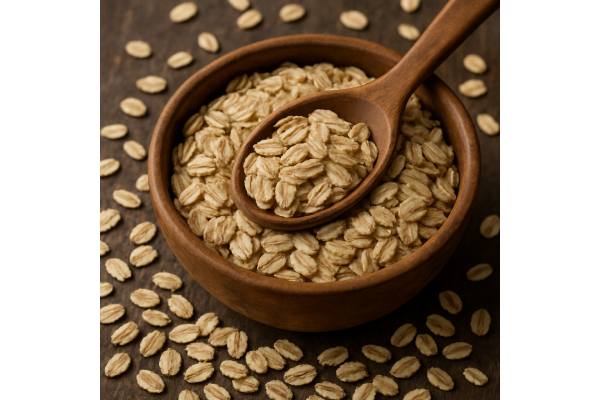
Oats are one of the most versatile whole grains you can keep in your kitchen. A bowl of oatmeal delivers steady energy, meaningful fiber, and a comforting, nutty flavor that fits breakfast, baking, and savory cooking. Beyond convenience, oats stand out for their soluble fiber—especially beta-glucan—which helps maintain healthy cholesterol levels when eaten as part of a heart-smart pattern. They also supply magnesium, phosphorus, zinc, and B-vitamins that support metabolism and recovery. Unique antioxidants called avenanthramides add a layer of protection against everyday oxidative stress. In the pantry, oats are affordable, shelf-stable, and quick to prepare, whether you choose steel-cut for chew, rolled for speed, or instant for maximum convenience. If you avoid gluten, certified gluten-free oats offer an option for most people, though a small minority are sensitive to oat proteins. This guide brings together the practical “how-to” of buying, cooking, and storing oats with a careful look at their nutrition and safety so you can enjoy them confidently and often.
Quick Overview
- Beta-glucan in oats supports healthy LDL cholesterol when paired with a low-saturated-fat diet; 3 g beta-glucan per day is the target.
- Typical portion: 40 g dry rolled oats (about ½ cup) per serving; enjoy 3–7 times per week.
- Choose certified gluten-free oats if avoiding gluten; a small minority with coeliac disease are sensitive to avenin.
- People on medication regimens affected by fiber absorption (e.g., thyroid replacement) should separate doses from high-fiber meals.
Table of Contents
- Oats: Detailed Overview
- Oats Nutrition Profile (per 100 g)
- Evidence-Based Health Benefits of Oats
- Risks, Allergies and Interactions
- Selecting Quality, Sustainability and Storage
- Preparation, Cooking and Nutrient Retention
- Portions, Comparisons and FAQs
Oats: Detailed Overview
Oats (Avena sativa) are a cool-season cereal grain prized for their soluble fiber and gentle flavor. After the inedible hull is removed, the whole kernel (the groat) keeps its bran, germ, and endosperm intact—meaning you get the complete package of fiber, micronutrients, and bioactives with minimal processing.
Common types and how they differ
- Steel-cut (pinhead) oats: Whole groats cut into 2–3 pieces. Chewy texture; longest cooking time; lower glycemic impact compared with finer flakes.
- Rolled (old-fashioned) oats: Groats steamed and flattened. Creamy yet textured; cook in 5–10 minutes; excellent for porridge, granola, cookies, and meat-free patties.
- Quick/instant oats: Thinner, more pre-cooked flakes. Fastest to prepare; softest texture; higher glycemic response than larger flakes or steel-cut.
- Oat bran: The fiber-dense outer layer separated from the groat. Stir into cereals or batters to boost soluble fiber.
- Oat flour: Finely milled whole oats. Adds tenderness to pancakes, quick breads, and coatings.
- Oat milk: A beverage made by blending oats with water and straining; many commercial versions are fortified. Nutrition varies by brand.
What makes oats unique
- Beta-glucan soluble fiber forms a gel in the gut that binds bile acids and slows carbohydrate absorption. Consistent intake helps maintain healthy LDL cholesterol.
- Avenanthramides, polyphenolic compounds found almost exclusively in oats, have antioxidant and soothing properties.
- Protein quality is notable among grains: oats provide ~17% protein by weight (dry), with lysine higher than in wheat or rice.
Culinary advantages
Oats take on both sweet and savory roles—think oatmeal bowls, overnight oats, granola, muesli, smoothies, porridge bread, veggie burgers, risotto-style “oatso,” or crumble toppings. Their mild flavor also supports spice blends (cardamom, cinnamon), citrus, roasted vegetables, and umami add-ins (miso, Parmesan, mushrooms).
Who benefits most
- People managing cholesterol or satiety.
- Athletes needing steady, digestible carbs with micronutrients.
- Budget-conscious cooks seeking whole-grain staples.
- Those exploring wheat-free options (choose certified gluten-free oats if required).
Oats Nutrition Profile (per 100 g)
Unless noted, values below refer to dry, unfortified rolled (old-fashioned) oats. %DV uses adult reference intakes and helps you see how 100 g contributes to a typical day.
Macros & Electrolytes
| Nutrient (per 100 g) | Amount | %DV |
|---|---|---|
| Energy | 389 kcal | — |
| Protein | 16.9 g | 33.8% |
| Total Fat | 6.9 g | 8.8% |
| Saturated Fat | 1.22 g | 6.1% |
| Carbohydrate | 66.3 g | 24.1% |
| Dietary Fiber | 10.6 g | 37.9% |
| Total Sugars | 0.9 g | — |
| Sodium | 2 mg | 0.1% |
| Potassium | 429 mg | 9.1% |
| Water | ~8–10 g | — |
Carbohydrates
| Component | Amount | Notes |
|---|---|---|
| Starch | ~54–60 g | Primarily slowly digested in larger flakes/steel-cut. |
| Soluble fiber (beta-glucan) | ~4–8 g | Varies by variety and milling; oat bran is higher. |
| Insoluble fiber | ~3–5 g | Adds bulk and regularity. |
Fats & Fatty Acids
| Component | Amount | %DV (if applicable) |
|---|---|---|
| Total Fat | 6.9 g | 8.8% |
| Saturated Fat | 1.22 g | 6.1% |
| Monounsaturated Fat | ~2.1–2.5 g | — |
| Polyunsaturated Fat (incl. linoleic, alpha-linolenic) | ~2.4–2.7 g | — |
| Cholesterol | 0 mg | 0% |
Protein & Amino Acids (highlights)
- Total protein: 16.9 g per 100 g (lysine relatively higher than in many cereals).
- Major storage proteins: avenalin and avenin (the latter resembles gluten proteins and is relevant for a small subset of people with coeliac disease).
Vitamins
| Vitamin | Amount (per 100 g) | %DV |
|---|---|---|
| Thiamin (B1) | 0.763 mg | 63.6% |
| Riboflavin (B2) | 0.139 mg | 10.7% |
| Niacin (B3) | 0.961 mg | 6.0% |
| Vitamin B6 | 0.119 mg | 7.0% |
| Folate | 56 µg | 14.0% |
| Vitamin E (alpha-tocopherol) | 0.42 mg | 2.8% |
| Vitamin K | 2 µg | 1.7% |
Minerals
| Mineral | Amount (per 100 g) | %DV |
|---|---|---|
| Calcium | 54 mg | 4.2% |
| Iron | 4.7 mg | 26.1% |
| Magnesium | 177 mg | 42.1% |
| Phosphorus | 523 mg | 41.8% |
| Zinc | 3.97 mg | 36.1% |
| Copper | 0.626 mg | 69.6% |
| Manganese | 4.9 mg | 213% |
| Selenium | 28.9 µg | 52.5% |
Bioactives/Phytonutrients
- Avenanthramides: oat-specific phenolics with antioxidant and soothing properties; levels vary widely by cultivar and growing conditions.
- Phenolic acids (ferulic, caffeic) and tocotrienols appear in smaller amounts.
Allergens & Intolerance Markers
- Oats are naturally gluten-free but may be contaminated during farming or milling; look for certified gluten-free labeling if needed.
- A small minority with coeliac disease react to avenin despite gluten-free handling.
Anti-nutrients
- Phytic acid occurs naturally; overnight soaking and fermentation can reduce it and improve mineral bioavailability.
Additives & Fortification
- Plain oats are not fortified. Oat milks and flavored instant packets may add calcium, vitamin D, B12, or sodium—check labels.
Glycemic & Acid–Base Metrics
- Glycemic response depends on cut and cooking: steel-cut and thick-rolled are generally lower than instant; cooling and reheating can slightly increase resistant starch.
Evidence-Based Health Benefits of Oats
1) Heart health support through beta-glucan
Oat beta-glucan forms a viscous gel that traps bile acids in the gut, prompting the body to use circulating cholesterol to make more bile. Over weeks to months, that mechanism helps bring LDL cholesterol down as part of a diet low in saturated fat. Regulatory guidance recognizes a 3 g/day intake of beta-glucan from whole oats or barley (or a combination) as the daily amount associated with a reduced risk of coronary heart disease claims on qualifying foods. Practically, that looks like ¾–1 cup dry oats per day or 2–3 smaller servings, depending on cut and brand.
2) Smoother post-meal blood sugar
Compared with many refined grains, intact oats (steel-cut, thick-rolled) digest more slowly, moderating the rise in blood glucose and insulin. Pairing oats with protein, fat, or acids (e.g., yogurt, nut butter, chia, lemon) further steadies the curve. Instant oats cook fastest and typically yield a higher glycemic response; if you are monitoring blood sugar, favor larger flakes or steel-cut.
3) Satiety and weight management
The water-holding capacity of beta-glucan thickens oatmeal and increases feelings of fullness. That makes oats helpful in breakfast patterns designed to reduce snacking without relying on restrictions. Adding 15–20 g of protein (Greek yogurt, whey, eggs) and 5–10 g of healthy fats (nuts, seeds) produces a balanced meal that satisfies for hours.
4) Gut function and microbiome
Oat fibers support regularity by softening stools and increasing stool weight. Beta-glucan also functions as a prebiotic, feeding beneficial microbes that produce short-chain fatty acids. These microbial by-products support gut barrier integrity and may influence metabolic health.
5) Exercise and recovery
For endurance training, oats supply low-fat, low-sodium carbohydrate with magnesium and phosphorus to support energy metabolism. Pre-exercise oatmeal with fruit offers steady fuel; post-exercise, pairing oats with dairy or soy lifts muscle protein synthesis.
6) Unique antioxidants
Avenanthramides, found almost exclusively in oats, exhibit antioxidant and anti-irritant actions in experimental models. While their direct clinical effects need more large trials, they add to the overall nutrient density of oats without adding calories or sodium.
What results should you expect?
When oats replace higher-saturated-fat or refined-grain choices, people often see modest LDL reductions over 4–8 weeks and improved satiety day to day. Benefits are dose-dependent: consistency matters more than occasional use.
Risks, Allergies and Interactions
Gluten and avenin sensitivity
Oats do not contain gluten by nature, but cross-contact with wheat, barley, or rye during harvesting and milling is common. If you avoid gluten, choose certified gluten-free oats. A small minority of people with coeliac disease experience symptoms even with gluten-free oats due to avenin, an oat protein similar to gluten. If you are newly diagnosed, many clinicians suggest introducing gluten-free oats only after symptoms are controlled and under a dietitian’s guidance.
Oat allergy
True oat allergy is uncommon but documented, especially in children or in people with multiple cereal allergies. Reactions may include hives, gastrointestinal symptoms, or, rarely, anaphylaxis. People with skin sensitivities can react to topical oat extracts; if you have atopic dermatitis and notice flares with oat products, consult a clinician.
Medication timing
Large fiber loads can temporarily reduce the absorption of certain medicines (e.g., levothyroxine). As a general precaution, take such medications at least 1–2 hours apart from high-fiber meals like oatmeal, unless your prescriber advises otherwise.
Digestive tolerance
Oats are moderate in FODMAPs at larger portions. If you are on a low-FODMAP plan, keep to individual tolerance; many people do well with 30–40 g dry rolled oats per meal. Soaking and using steel-cut can improve comfort.
Contaminants and residues
Like other grains, oats can carry trace pesticide residues depending on agricultural practices. Choose organic if you wish to minimize exposure, and rotate grains (oats, rice, quinoa, buckwheat) for dietary diversity. Storage in cool, dark, low-oxygen conditions also reduces rancidity in the natural oils.
Choking risk
For infants and those with swallowing difficulties, serve soft-cooked oatmeal with adequate fluid and an appropriate texture.
Who should limit or avoid
- People with coeliac disease who react to certified gluten-free oats.
- Anyone with a confirmed oat allergy.
- Those advised to restrict fiber temporarily (e.g., during certain flares or pre-procedure).
Selecting Quality, Sustainability and Storage
How to choose the right oat product
- Steel-cut: Choose when you want chew and the lowest glycemic impact in a porridge. Great for savory bowls.
- Rolled (old-fashioned): Most versatile for cooking and baking; check the ingredient list for one ingredient: whole grain oats.
- Quick/instant: Best for speed; compare added sugars and sodium in flavored packets.
- Oat bran: High in beta-glucan; stir 1–2 tablespoons into hot cereals or batters.
- Oat flour: Look for whole grain oat flour; use with structure-builders (eggs, psyllium) in gluten-free baking.
- Gluten-free certification: If necessary, look for certification wording on the front or ingredients panel.
Sustainability snapshot
- Oats are typically rain-fed in many regions and can serve as a rotation or cover crop, supporting soil structure and biodiversity.
- Compared with many animal-derived breakfasts, oat-based meals usually carry a lower greenhouse gas footprint.
- Buying in bulk reduces packaging waste; store in sealed containers to prevent moisture and pests.
Smart storage to protect nutrients
- Keep oats airtight, cool, and dark (pantry below 20 °C if possible).
- Whole rolled or steel-cut oats: 6–12 months unopened; 3–6 months once opened (longer if refrigerated).
- Oat bran and oat flour: higher in surface oils, so they rancidify faster—refrigerate after opening and aim to use within 2–3 months.
- Cooked oatmeal: refrigerate within 2 hours; use within 3–4 days; freeze portions for 1–2 months.
Quality cues
- Pleasant sweet-nutty aroma; no bitterness or paint-like smells (signs of rancidity).
- Uniform flakes or cuts; minimal dust.
- For instant packets, scan for short ingredient lists and moderate sodium.
Preparation, Cooking and Nutrient Retention
Foundations
- Liquid ratio:
- Steel-cut: ~1 part oats : 3–4 parts water or milk; simmer 20–30 minutes.
- Rolled: ~1 : 2; simmer 5–10 minutes.
- Quick: ~1 : 2; simmer 1–3 minutes or microwave.
- Creaminess without excess sugar: Stir in mashed banana, grated apple, pumpkin purée, or a beaten egg during cooking. Finish with nuts or seeds for texture and healthy fats.
Techniques to preserve or enhance nutrition
- Overnight soaking (oats + liquid + acid like yogurt or kefir) softens fibers, improves digestibility, and can reduce phytic acid.
- Cook-cool-reheat to modestly increase resistant starch, which can improve glycemic response and gut microbe fuel.
- Add protein: Whisk in egg whites, stir in Greek yogurt, or cook in milk to reach ~15–20 g protein per serving for satiety.
- Balance the bowl: Aim for a carb-protein-fat-fiber quartet—for example: rolled oats + milk (or fortified soy milk) + walnuts + berries + chia.
- Mind the salt and sugar: Plain oats are naturally low in sodium and sugar. Use spices (cinnamon, cardamom), citrus zest, vanilla, or unsweetened cocoa to boost flavor with minimal added sugars.
Savory applications
- Oat risotto (“oatso”) with mushrooms, thyme, and Parmesan.
- Binder in turkey burgers or bean patties (¼–½ cup rolled oats per pound of mix).
- Crispy coatings: Pulse rolled oats into coarse crumbs for fish or tofu.
Baking with oat flour
- Replace 25–50% of wheat flour in quick breads for tenderness and nutty flavor.
- In gluten-free recipes, combine oat flour with tapioca or potato starch plus a binder (psyllium, xanthan, eggs) for structure.
Nutrient-retention tips
- Avoid excessive boiling that breaks flakes to paste; gentle simmering maintains texture and minimizes nutrient loss into cooking liquid.
- If you pour off extra liquid, you’re discarding water-soluble vitamins; simmer to absorb, or stir the liquid back in.
- Store cooked oatmeal in single-serve containers to maintain texture and reduce reheating time.
Portions, Comparisons and FAQs
What’s a practical serving?
- Rolled oats: 40 g dry (about ½ cup) yields ~1 cup cooked.
- Steel-cut: 40–45 g dry (about ¼ cup) yields ~¾–1 cup cooked.
- Oat bran: 10–20 g (1–2 tablespoons) added to cereal or batter.
How often should I eat oats?
Most people can include oats most days of the week. If you aim to reach 3 g of beta-glucan daily, plan on ¾–1 cup dry oats or combine oats with barley and oat bran over the day.
How do oats compare with other grains?
- Oats vs. wheat: Oats are usually higher in beta-glucan and magnesium; many find them gentler on digestion.
- Oats vs. rice: Oats offer more fiber and protein per gram; rice is naturally gluten-free but typically lower in fiber unless it’s brown or wild.
- Oats vs. quinoa: Quinoa has complete protein and more folate, but oats provide more beta-glucan and are often more budget-friendly.
Are instant oats “less healthy”?
Instant oats have the same core nutrients but higher glycemic impact and often added sugar or sodium in flavored packets. Choose plain versions and add your own toppings.
Can children and older adults eat oats daily?
Yes. Adjust texture and liquid to avoid choking risk. For toddlers, serve soft and moist; for older adults, oats offer fiber, magnesium, and protein in an easy-to-chew format.
Do oats contain heavy metals?
Levels vary by soil and supply chain; oats typically have lower inorganic arsenic than rice. Rotate grains and choose reputable brands.
Will oats interfere with supplements?
Fiber can delay absorption of certain supplements (iron, calcium) and medicines. Separate by 1–2 hours when advised.
Gluten-free labeling rules in brief
Products labeled “gluten-free” must meet legal thresholds; oats must be grown and processed to avoid cross-contact and must be listed as oats on ingredient statements when used in gluten-free foods.
References
- eCFR :: 21 CFR 101.81 — Health claims: Soluble fiber from certain foods and risk of coronary heart disease (CHD). 2023 (Guideline)
- Effects of Oat Beta-Glucan Intake on Lipid Profiles in Hypercholesterolemic Adults: A Systematic Review and Meta-Analysis of Randomized Controlled Trials 2022 (Systematic Review)
- Phenolic amides (avenanthramides) in oats – an update review 2024 (Review)
- Coeliac disease – Treatment – NHS 2023 (Guideline)
- Food Search | USDA FoodData Central 2025 (Database)
Disclaimer
This article is for general information and education. It does not replace personalized medical advice, diagnosis, or treatment. If you have a medical condition—especially coeliac disease, food allergies, diabetes, kidney disease, or you take prescription medicines—speak with your healthcare professional or a registered dietitian about the best way to include oats in your diet.
If you found this helpful, please consider sharing it with friends or colleagues on Facebook, X (formerly Twitter), or any platform you prefer—your support helps us keep creating clear, evidence-based guides.