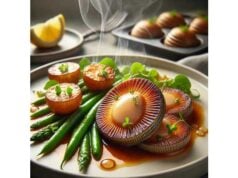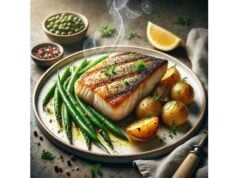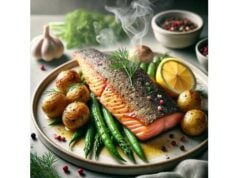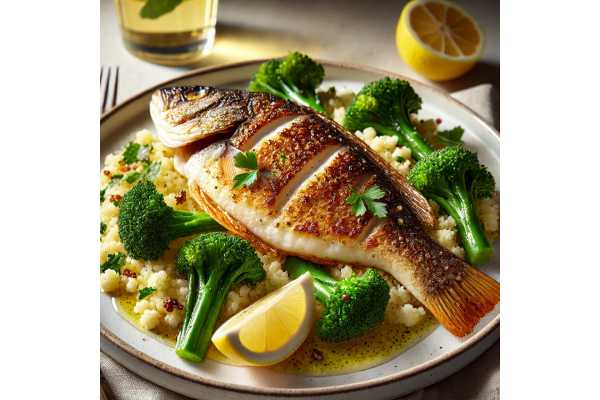
Ocean perch—sold as Atlantic ocean perch (Sebastes mentella) and related rockfish—offers a mild, slightly sweet taste, lean protein, and a convenient cooking profile that suits weeknights and special meals alike. It sears quickly, bakes evenly, and holds together in stews and chowders. Nutritionally, a modest portion supplies high-quality protein, vitamin B12, niacin, selenium, and potassium with very little saturated fat. Compared with larger predatory fish, ocean perch is generally considered a lower-mercury choice, so it fits well into regular seafood rotation for most families. From a sustainability standpoint, many stocks are carefully managed, and fillets are widely available fresh or frozen. In this guide, you will find a clear nutrition breakdown per 100 g cooked fish, science-backed benefits, practical safety notes, buying and storage pointers, and tested cooking methods that help you keep the delicate texture intact and the nutrients you came for.
Essential Insights
- Lean, high-protein fish with meaningful vitamin B12, niacin, selenium, and potassium per 100 g cooked.
- Generally a lower-mercury “best choice”; suits most adults for 1–2 seafood meals weekly.
- Allergen: finned fish—avoid if you have a fish allergy; keep cold and cook thoroughly for safety.
- Typical serving: 115–170 g (4–6 oz) cooked once or twice per week; choose baked, broiled, poached, or lightly pan-seared methods.
- People who are pregnant, breastfeeding, or feeding young children should follow national fish advice for species frequency and serving sizes.
Table of Contents
- Detailed Overview
- Nutrition Profile
- Evidence-Based Health Benefits
- Risks, Allergies and Interactions
- Selecting, Quality, Sustainability and Storage
- Preparation, Cooking and Nutrient Retention
- Portions, Comparisons and FAQs
Detailed Overview
Ocean perch is a common market name for several cold-water rockfish species. In North American markets, Atlantic ocean perch is the most frequent; on the Pacific side, similar rockfish are often sold simply as “rockfish.” The fillets are thin to medium thickness with a fine flake and a delicate sweetness that takes well to lemon, herbs, and light butter or olive oil. Because the flesh is lean and cooks fast, it is one of the easiest white fish fillets to get right on a busy weeknight.
From a nutrition perspective, ocean perch sits in the “lean fish” category: high protein, low saturated fat, and modest total fat. That makes it versatile for a wide range of eating patterns—from Mediterranean-style to lower-carb, diabetes-friendly, and heart-healthy plans. It also contributes vitamin B12 for neurological function, niacin for energy metabolism, and selenium and potassium for antioxidant defense and fluid balance. While it is not as rich in long-chain omega-3s as salmon or sardines, ocean perch still provides some EPA and DHA in a calorie-efficient package.
Sourcing matters for texture and taste. Fresh fillets should be moist and translucent with a clean sea smell; frozen fillets should be well-glazed and free of frost or ice crystals, indicating a properly maintained cold chain. Because fillets are thin, gentle heat and short cooking are key. Searing skin-side down until crisp, then finishing briefly in the oven, keeps moisture in. For soups, add bite-size pieces near the end to prevent overcooking.
Finally, ocean perch is typically listed among the lower-mercury species in consumer advisories, which simplifies weekly meal planning for households including those who are pregnant or feeding children. Use the “two seafood meals per week” pattern as your baseline and build from there using a mix of lean and oily fish for broad nutrient coverage.
Nutrition Profile
How to read this section: Values below are typical per 100 g cooked, unbreaded ocean perch (moist or dry heat). Nutrients vary with species, season, and cooking losses; seasoned or breaded products differ. Percent Daily Values (%DV) are based on a 2,000-kcal diet.
Macros & Electrolytes (per 100 g cooked)
| Nutrient | Amount | %DV |
|---|---|---|
| Energy | ~120–135 kcal | — |
| Protein | ~23–26 g | 46–52% |
| Total Fat | ~2.5–4.0 g | 3–5% |
| Saturated Fat | ~0.4–0.8 g | 2–4% |
| Carbohydrate | 0 g | 0% |
| Total Sugars | 0 g | — |
| Fiber | 0 g | 0% |
| Sodium* | ~80–350 mg | 3–15% |
| Potassium | ~300–460 mg | 6–10% |
| Cholesterol | ~50–70 mg | — |
*Sodium rises if brined, injected, or seasoned; check labels on frozen fillets.
Fats & Fatty Acids (per 100 g cooked)
| Component | Amount | Notes |
|---|---|---|
| Monounsaturated Fat | ~0.8–1.2 g | — |
| Polyunsaturated Fat | ~0.7–1.3 g | Includes EPA + DHA |
| Long-chain omega-3 (EPA + DHA) | ~0.25–0.55 g | Varies by habitat and diet |
Protein & Amino Acids
Ocean perch provides complete protein with a balanced essential amino acid profile. Leucine and lysine are present in amounts useful for muscle protein synthesis, especially when paired with resistance exercise.
Vitamins (per 100 g cooked)
| Vitamin | Amount | %DV |
|---|---|---|
| Vitamin B12 (Cobalamin) | ~1.0–2.0 µg | 42–83% |
| Niacin (B3) | ~4–6 mg | 25–38% |
| Vitamin B6 (Pyridoxine) | ~0.2–0.3 mg | 12–18% |
| Vitamin D | 0–6 µg | 0–30% |
| Vitamin A (RAE) | ~5–20 µg | 1–2% |
Minerals (per 100 g cooked)
| Mineral | Amount | %DV |
|---|---|---|
| Selenium | ~25–40 µg | 45–73% |
| Phosphorus | ~180–240 mg | 14–19% |
| Potassium | ~300–460 mg | 6–10% |
| Magnesium | ~25–35 mg | 6–8% |
| Iron | ~0.3–0.8 mg | 2–4% |
| Zinc | ~0.4–0.8 mg | 4–7% |
Allergens & intolerance markers
- Major allergen: fish. Symptoms can be immediate and severe; avoid if allergic and follow emergency plans.
- Histamine formation can occur with temperature abuse; proper cold storage mitigates risk.
Contaminants & residues
- Mercury: Generally low compared with larger predatory fish.
- Environmental contaminants: Follow local advisories for self-caught fish; commercial products are monitored under food safety systems.
Glycemic & acid–base metrics
- Glycemic impact: negligible (0 g carbohydrate).
- Acid load: typical of animal proteins; balance meals with vegetables, legumes, and potassium-rich sides.
Evidence-Based Health Benefits
Heart-smart protein replacement. Replacing some higher-saturated-fat meats with fish like ocean perch can improve diet quality: you get high-quality protein with far less saturated fat and some heart-beneficial omega-3s. Patterns that include seafood once or twice weekly are associated with lower risks of coronary events and certain cardiac deaths when the seafood replaces less healthy choices. Beyond omega-3s, the “replacement effect” matters—meals built around lean fish tend to be lighter in saturated fat and energy.
Micronutrient support for energy metabolism. Ocean perch provides vitamin B12 and niacin, two B-vitamins central to energy metabolism and neurological function. Even at modest portions (115–170 g cooked), ocean perch can deliver a meaningful share of daily B12 alongside selenium for antioxidant enzyme systems and phosphorus for bone health.
Omega-3 contribution without high calories. While ocean perch is not an “oily fish,” its EPA and DHA content meaningfully contributes to weekly totals when eaten regularly. Combined with one or two servings of oily fish in the same week, it helps maintain an omega-3 intake consistent with heart-forward patterns.
Potassium-to-sodium balance (when unseasoned). Unseasoned, unbrined perch is relatively low in sodium and provides potassium, supporting healthy blood pressure patterns when paired with vegetables, legumes, and whole grains.
Digestible, versatile protein for varied needs. The lean profile and tender texture suit older adults, those managing calorie intake, and athletes seeking a high-protein, lower-fat option that is easy to digest around training.
Practical weekly plan: Target two seafood meals per week, mixing lean species (ocean perch, cod, pollock) with oily species (salmon, sardines, trout). For perch specifically, a cooked portion of 115–170 g (4–6 oz) once a week fits well; adjust based on your other seafood choices and personal health goals.
Risks, Allergies and Interactions
Fish allergy. Perch is a finned fish allergen. Reactions can include hives, swelling, wheezing, vomiting, or anaphylaxis. Individuals with confirmed fish allergy should avoid perch and carry prescribed emergency medication if indicated. Cross-contact can occur in shared fryers or on cutting boards; choose establishments that can prevent cross-contamination.
Mercury and advisory guidance. Commercial ocean perch is typically a lower-mercury choice. For those who are pregnant, breastfeeding, or feeding children ages 1–11, follow national fish advice: prioritize “best choices” species and stick to recommended serving sizes and frequencies. For self-caught perch (freshwater), always check local advisories; if none exist, many agencies advise limiting to one serving that week and avoiding other fish.
Foodborne illness. As with all seafood, proper cold chain is essential. Buy from reputable sellers, keep at ≤4°C (40°F), and cook to an internal temperature of 63°C (145°F) or until the flesh is opaque and flakes easily. Avoid raw or undercooked fish if you are immunocompromised, older, pregnant, or serving very young children.
Sodium from processed products. Breaded, injection-marinated, or pre-seasoned fillets can carry significantly higher sodium than plain fish. Read labels and prefer unseasoned fillets if you manage blood pressure.
Medication considerations. There are no common direct drug–nutrient interactions unique to perch. If you take thyroid medication, certain antibiotics, or anticoagulants, follow your prescriber’s timing and diet instructions; general spacing from very high-fiber meals may be advised for some drugs (per product labeling).
Who should be cautious or avoid?
- Anyone with a diagnosed fish allergy.
- Individuals who cannot maintain cold chain (e.g., long travel without refrigeration).
- Those under advisory restrictions for self-caught fish from contaminated waters.
Selecting, Quality, Sustainability and Storage
Buying tips
- Smell and appearance: look for moist, translucent flesh with a clean, ocean-fresh aroma—never sour or “fishy.” Skin-on fillets should have bright, intact skin.
- Label check: prefer “ocean perch/rockfish” by species or market name with harvest area and method when available. Frozen fillets should be well-glazed with no freezer burn or pooling ice.
- Cut thickness: choose evenly thick fillets for consistent cooking; thin tail pieces overcook quickly.
Sustainability snapshot
- Many ocean perch/rockfish fisheries are managed with quotas and monitoring. Opt for suppliers that communicate harvest region and management status. Frozen products can reduce waste and transport emissions when handled well.
Storage at home
- Refrigerate on ice or the coldest shelf and cook within 24–48 hours.
- Freeze airtight for up to 3 months for best quality; thaw in the refrigerator overnight (never at room temperature).
- Leftovers keep 1–2 days refrigerated; reheat gently to avoid drying out.
Quality troubleshooting
- Dry, stringy texture: overcooked—reduce heat or time; add a brief oven finish after a gentle sear.
- Watery pan: insufficient blotting before searing or fillets not fully thawed—pat dry and start with a hot, lightly oiled pan.
- Sticking: leave fillet undisturbed until it naturally releases; use a thin fish spatula.
Cost-savvy moves
- Buy family-size frozen packs when on sale; portion into freezer bags with labels and dates.
- Use trim in chowders, tacos, or fish cakes to minimize waste and stretch budget.
Preparation, Cooking and Nutrient Retention
Golden rules for lean white fish
- Dry + gentle heat: Pat fillets dry, season, then use moderate heat; lean fish overcooks fast.
- Finish just-done: Cook to 63°C (145°F) or until opaque and flaking; carryover heat will finish the center.
- Add fat strategically: A teaspoon of olive oil or a thin butter finish improves mouthfeel without heavy calories.
Four reliable methods
- Pan-seared, oven-finished (10–12 minutes total)
- Preheat oven to 190°C (375°F).
- Sear skin-side down in a lightly oiled skillet over medium-high 2–3 minutes until the skin crisps.
- Flip, transfer to oven 4–6 minutes until just opaque.
- Finish with lemon and herbs.
Why it works: brief high heat sets the exterior; oven finish prevents overcooking.
- Sheet-pan bake (15 minutes)
- Arrange fillets with cherry tomatoes, sliced fennel, and olives.
- Drizzle with olive oil; season.
- Bake at 200°C (400°F) for 10–12 minutes.
Tip: roast vegetables a few minutes first if thicker than the fish.
- Poached in citrus-herb court bouillon (12 minutes)
- Simmer water with lemon slices, bay, peppercorns, parsley stems.
- Slide fillets into barely simmering liquid; cook 6–8 minutes.
- Serve with a spoon of the aromatic broth.
Retention note: gentle temperatures minimize micronutrient loss; serving with the broth captures water-soluble B-vitamins and potassium.
- Chowder finish (5 minutes at the end)
- Build a light chowder with onion, celery, potatoes, corn, and milk or dairy-free base.
- Add 2–3 cm pieces of perch for the last 4–5 minutes.
Why it works: residual heat cooks fish evenly, and nutrients leach into the soup rather than evaporating.
Seasoning frameworks
- Citrus-herb: lemon, parsley, dill.
- Mediterranean: garlic, oregano, cherry tomatoes, capers.
- Ginger-scallion: grated ginger, scallion, light soy or tamari (watch sodium).
- Smoky-paprika: sweet paprika, cumin, finishing olive oil.
Nutrient-savvy pointers
- Use the juices. Pan or poaching liquids contain potassium and B-vitamins—spoon them over the fish.
- Salt awareness. Balance seasoned sauces with unsalted sides; taste before salting.
- Pair for synergy. Serve with leafy greens or beans to boost potassium and fiber; add a small portion of nuts or olive oil for satisfaction.
Food safety hygiene
- Keep raw fish separate from ready-to-eat foods; wash hands, boards, and knives after handling.
- Refrigerate leftovers promptly in shallow containers.
Portions, Comparisons and FAQs
What is a typical serving and how often should I eat it?
- Adults: 115–170 g (4–6 oz) cooked fish per serving, 1–2 times per week as part of the broader seafood pattern.
- Pregnant or breastfeeding: follow national fish advice—choose lower-mercury species and keep to recommended weekly ounces across all seafood choices.
- Children: age-appropriate portions (about 28–113 g / 1–4 oz depending on age) from lower-mercury lists.
How does ocean perch compare with other white fish?
- Perch vs cod/pollock: similar calories and protein; perch has a delicate sweetness and slightly finer flake.
- Perch vs salmon: salmon is higher in omega-3s and vitamin D; perch is leaner with fewer calories per portion.
- Perch vs tilapia: perch generally offers a cleaner sea flavor and comparable leanness; tilapia may have slightly less potassium depending on source.
Is ocean perch a good choice for heart health?
Yes—especially when it replaces higher-saturated-fat meats and is part of a weekly seafood pattern. Combine perch with at least one oily fish meal (e.g., salmon or trout) to reach meaningful weekly EPA+DHA intake.
Does ocean perch contain vitamin D?
Amounts vary; lean white fish can be modest sources. If vitamin D is a priority, include oily fish and consider fortified foods or supplementation per clinician guidance.
Can I cook from frozen?
Yes. Rinse surface ice, pat dry, and cook over medium heat a few minutes longer than fresh. Avoid excessive heat, which can cause weeping and dryness.
Any budget strategies?
Buy frozen family packs, portion and label, and use trim for tacos or chowders. Season simply; the fish’s natural flavor shines without expensive ingredients.
Quick meal ideas
- Lemon-dill perch with roasted potatoes and green beans.
- Sheet-pan paprika perch with peppers and onions.
- Ginger-scallion perch over brown rice and steamed bok choy.
- Corn-potato chowder finished with perch pieces and parsley.
References
- Advice about Eating Fish 2024 (Guidance)
- Nutrition Information for Cooked Seafood (Purchased Raw) 2018 (Reference Table)
- Seafood Long-Chain n-3 Polyunsaturated Fatty Acids and Cardiovascular Disease: A Science Advisory From the American Heart Association 2018 (Advisory)
- Effect of omega-3 fatty acids on cardiovascular outcomes: A systematic review and meta-analysis 2021 (Systematic Review)
Disclaimer
This article provides general nutrition and safety information and is not a substitute for personalized medical advice, diagnosis, or treatment. Nutrient needs and advisories vary by age, health status, medications, and pregnancy or breastfeeding. Consult a qualified healthcare professional or registered dietitian for guidance tailored to you. If you are pregnant, breastfeeding, or feeding young children, follow national fish advice for species selection, serving sizes, and frequency.
If this guide helped you, please consider sharing it on Facebook, X (formerly Twitter), or your preferred platform. Your support helps us continue creating practical, evidence-based nutrition resources.