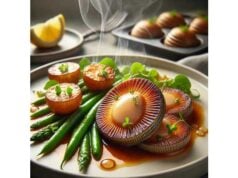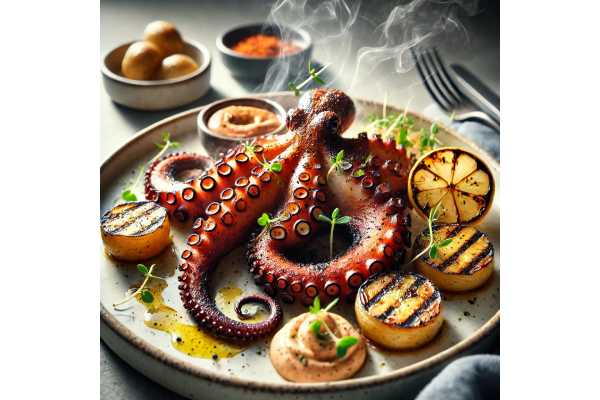
Octopus delivers lean, high-quality protein with a clean, ocean-deep flavor that adapts to quick weeknight sautés and slow, celebratory braises. Cooked properly, it is tender and succulent; paired with citrus and olive oil, it needs little else. A 100 g cooked portion is rich in vitamin B12, selenium, copper, iron, and potassium while remaining low in saturated fat. You also get meaningful long-chain omega-3s (EPA and DHA) and a natural source of taurine, a sulfur compound found in seafood. Because cephalopods can concentrate certain minerals and trace elements, choosing reputable sources and following smart storage and cooking practices matter. This guide explains octopus nutrition per 100 g, evidence-backed benefits, practical risks and interactions, how to select and store it, and techniques that deliver tender results while preserving nutrients. You will also find portion guidance, comparisons with other seafood, and concise answers to common questions.
Core Points
- Lean, nutrient-dense seafood with high vitamin B12, selenium, copper, iron, and omega-3s per 100 g cooked.
- Major allergen: fish/shellfish; keep cold and cook thoroughly to reduce histamine risk.
- Typical serving: 115–170 g (4–6 oz) cooked once weekly within two seafood meals per week.
- People who are pregnant, breastfeeding, or feeding young children should follow national “lower-mercury” seafood advice and reputable sourcing.
Table of Contents
- Detailed Overview
- Nutrition Profile
- Evidence-Based Health Benefits
- Risks, Allergies and Interactions
- Selecting, Quality, Sustainability and Storage
- Preparation, Cooking and Nutrient Retention
- Portions, Comparisons and FAQs
Detailed Overview
Octopus (most commonly Octopus vulgaris in global markets) is a cephalopod prized across Mediterranean, Japanese, Korean, and Portuguese cuisines. Its mild sweetness and meaty texture allow it to stand in for red meat in salads and grills, or to enrich soups and stews with a savory, oceanic base. Texture is the key to enjoyment: raw octopus is firm and can be chewy if rushed; with the right pretreatment and gentle, sustained heat, the collagen-rich connective tissues convert to gelatin and the flesh turns tender.
From a nutrition standpoint, cooked octopus lands in the “lean seafood” category: it provides nearly 30 g of complete protein per 100 g cooked with only around 2 g of fat and negligible saturated fat. It also delivers substantial vitamin B12, selenium, copper, iron, and potassium; these support red blood cell formation, antioxidant defenses, and energy metabolism. Long-chain omega-3s (EPA and DHA) appear in useful amounts, contributing to weekly totals when octopus is part of a varied seafood pattern.
Cephalopods differ from finfish in fat distribution and connective tissues. Octopus muscle contains less intramuscular fat than oily fish like salmon, but retains moisture when cooked in its own gelatin-rich juices. It absorbs aromatics—from citrus to garlic to smoked paprika—without masking its delicate flavor. Most retail octopus is sold whole (cleaned) or pre-cooked; frozen products can be excellent because freezing helps disrupt muscle fibers, improving tenderness.
As filter-feeding predators, octopuses can accumulate minerals and some trace contaminants. Commercial monitoring and sensible portions keep exposures well within guidance for most people. Choosing trusted suppliers, buying previously frozen or properly chilled product, and cooking until opaque and tender are reliable steps to quality and safety.
Nutrition Profile
How to read these tables: Values are for cooked, unbreaded octopus (moist heat) per 100 g. Percent Daily Values (%DV) are for a 2,000 kcal diet. Natural variation occurs by species, season, and processing.
Macros & Electrolytes (per 100 g cooked)
| Nutrient | Amount | %DV |
|---|---|---|
| Energy | 164 kcal | — |
| Protein | 29.8 g | 60% |
| Total Fat | 2.1 g | 3% |
| Saturated Fat | 0.45 g | 2% |
| Carbohydrate | 4.4 g | 2% |
| Fiber | 0 g | 0% |
| Total Sugars | 0 g | — |
| Cholesterol | 96 mg | 32% |
| Sodium* | 460 mg | 19% |
| Potassium | 630 mg | 13% |
| Water | 60.5 g | — |
*Sodium reflects natural content in cooked samples; brined or seasoned products may be higher.
Fats & Fatty Acids
| Component | Amount | Notes |
|---|---|---|
| Total Monounsaturated Fat | 0.324 g | — |
| Total Polyunsaturated Fat | 0.477 g | — |
| Omega-3s (total EPA+DHA+DPA) | 0.326 g | Contributes to weekly intake |
| EPA (eicosapentaenoic acid) | 0.152 g | — |
| DHA (docosahexaenoic acid) | 0.162 g | — |
| Omega-6s (total) | 0.018 g | Very low |
Protein & Amino Acids (selected, per 100 g)
| Amino Acid | Amount |
|---|---|
| Leucine | 2,099 mg |
| Lysine | 2,228 mg |
| Methionine | 673 mg |
| Threonine | 1,283 mg |
| Tryptophan | 334 mg |
| Taurine** | Variable (≈300–1,300 mg) |
**Taurine is a non-protein sulfur compound naturally abundant in cephalopods; amounts vary widely by species and cooking.
Vitamins (per 100 g)
| Vitamin | Amount | %DV |
|---|---|---|
| Vitamin B12 (Cobalamin) | 36 µg | 1,500% |
| Niacin (Vitamin B3) | 3.8 mg | 24% |
| Vitamin B6 (Pyridoxine) | 0.65 mg | 38% |
| Pantothenic Acid (B5) | 0.9 mg | 18% |
| Choline | 81 mg | 15% |
| Vitamin C | 8 mg | 9% |
| Vitamin A (RAE) | 90 µg | 10% |
| Folate (DFE) | 24 µg | 6% |
| Vitamin E | 1.2 mg | 8% |
| Vitamin D | 0 µg | 0% |
| Vitamin K | 0.1 µg | 0% |
Minerals (per 100 g)
| Mineral | Amount | %DV |
|---|---|---|
| Selenium | 89.6 µg | 163% |
| Copper | 0.74 mg | 82% |
| Iron | 9.5 mg | 53% |
| Phosphorus | 279 mg | 22% |
| Calcium | 106 mg | 8% |
| Magnesium | 60 mg | 14% |
| Zinc | 3.4 mg | 31% |
| Potassium | 630 mg | 13% |
| Sodium | 460 mg | 19% |
Bioactives/Phytonutrients
- Taurine: abundant in octopus; supports bile acid conjugation and osmotic balance.
- Long-chain omega-3s (EPA+DHA): contribute to heart-supportive dietary patterns.
- Heme and non-heme iron: supports oxygen transport.
Allergens & Intolerance Markers
- Octopus is a major seafood allergen; reactions can be rapid.
- Temperature abuse can increase histamine formation; proper cold chain reduces risk.
Contaminants/Residues
- Mercury: generally low to moderate in octopus muscle compared to large predatory finfish; follow regional advisories for self-caught seafood.
- Cadmium/lead: cephalopods can accumulate trace metals; commercial monitoring and portion control mitigate exposure.
Glycemic & Acid–Base Metrics
- Carbohydrates: minimal; negligible glycemic impact.
- PRAL (acid load): moderate positive value typical of animal proteins; balance with vegetables and potassium-rich sides.
Evidence-Based Health Benefits
High-density B-vitamin and mineral package. Octopus provides a remarkable 36 µg of vitamin B12 per 100 g cooked—far above daily needs—plus meaningful niacin and vitamin B6. Its mineral profile (selenium, copper, iron, phosphorus, magnesium, potassium) supports antioxidant enzymes, oxygen transport, and energy metabolism. For people who limit red meat, octopus can help cover iron and B-vitamin needs with less saturated fat.
Useful omega-3 contribution. Per 100 g cooked, octopus supplies roughly 0.33 g of EPA+DHA. While lower than oily fish, that amount meaningfully contributes to weekly totals when combined with another seafood meal. Dietary patterns that include one to two seafood meals per week—especially when they replace less healthy proteins—are associated with better cardiovascular outcomes. Think of octopus as a lean omega-3 “booster” that pairs well with an oily fish elsewhere in the week.
Taurine naturally present. Cephalopods are among the richest natural sources of taurine. Although taurine is not an essential amino acid for humans, it participates in bile acid conjugation and cell volume regulation. Typical cooked portions (115–170 g) can contribute several hundred milligrams, depending on species and preparation, as part of a varied diet.
Lean, high-quality protein for muscle maintenance. Nearly 30 g of complete protein per 100 g cooked makes octopus efficient for maintaining muscle mass, particularly in active adults and older individuals. The balanced essential amino acid profile (notably leucine and lysine) supports muscle protein synthesis when combined with resistance exercise.
Culinary flexibility supports healthier eating. Because octopus is flavorful yet lean, it fits a wide range of styles—Mediterranean, Japanese, Portuguese, and Korean. Grilled with olive oil and lemon, folded into bean salads, or paired with tomatoes and herbs, it adds satisfaction without heavy sauces, encouraging vegetable-forward plates and moderate calorie intake.
Practical weekly pattern. A cooked serving of 115–170 g (4–6 oz) once weekly fits neatly into the “two seafood meals per week” guideline. Combine octopus with at least one serving of an oily fish (e.g., salmon, sardines, trout) to meet omega-3 goals while diversifying nutrients.
Risks, Allergies and Interactions
Seafood allergy. Octopus is a shellfish/cephalopod allergen. Symptoms may include hives, swelling, wheezing, vomiting, or anaphylaxis. Anyone with a diagnosed fish or shellfish allergy should avoid octopus and carry prescribed emergency medications when indicated. Cross-contact can occur in shared fryers, grills, or cutting boards.
Mercury and metals. Octopus muscle generally shows lower mercury than large predatory fish, but levels vary by habitat and age. Cadmium and lead can be present at low levels; commercial monitoring and regulations set maximum limits for consumer safety. If you are pregnant, breastfeeding, or serving young children, prioritize lower-mercury seafood lists and vary species week to week. For self-caught seafood, follow local advisories.
Histamine/temperature abuse. As with other seafood, inadequate chilling increases spoilage and histamine formation, which can cause flushing, headache, and GI symptoms. Buy from trusted sellers, keep under 4°C (40°F), and cook the day of purchase or within 1–2 days.
Sodium and processed forms. Brined, pre-cooked, or seasoned octopus can carry extra sodium. If you manage blood pressure, choose plain, unseasoned products and salt the dish lightly at the table.
Medication considerations. There are no common, direct drug–octopus interactions. People on anticoagulants should maintain consistent vitamin K intake overall (octopus is very low in vitamin K). If you take thyroid or certain antibiotic medications, follow your prescriber’s timing instructions; spacing from large, high-protein meals sometimes applies to specific drugs.
Who should limit or avoid?
- Individuals with shellfish/cephalopod allergy.
- People who cannot maintain cold chain during transport.
- Those under local advisories for specific harvest areas.
- Infants and toddlers: offer age-appropriate portions of lower-mercury seafood and avoid heavily salted preparations.
Selecting, Quality, Sustainability and Storage
How to buy octopus
- Fresh vs frozen: Frozen is often excellent; freezing disrupts muscle fibers and can improve tenderness. Look for well-glazed pieces without frost or ice crystals.
- Whole, cleaned, or pre-cooked: Whole (cleaned) octopus is cost-effective; pre-cooked saves time and reduces variability. For whole raw octopus, ask the fishmonger to remove the beak, eyes, and viscera.
- Appearance and aroma: Flesh should be moist and bright, with a clean sea smell—not sour or ammonia-like. Suction cups should be intact.
- Label transparency: Prefer products that list species and origin. Reputable suppliers follow testing programs and maintain cold chain documentation.
Sustainability snapshot
- Many octopus fisheries are small-scale and region-specific. Opt for producers who disclose harvest region and management practices. Frozen products can reduce waste through better portion control and year-round availability. Rotating species through the year helps distribute demand.
Storage and handling
- Refrigerate on ice or the coldest shelf and cook within 24–48 hours of purchase.
- Freeze raw or cooked portions airtight for up to 3 months for best quality; thaw in the refrigerator.
- Leftovers keep 1–2 days refrigerated; reheat gently to preserve tenderness.
- Cross-contamination: Keep raw octopus separate from ready-to-eat foods; sanitize cutting boards and knives.
Quality troubleshooting
- Rubbery texture: undercooked connective tissue; continue gentle simmering/braising until a skewer slides in with slight resistance.
- Dryness: overcooking after tenderness is reached; switch to low heat and moist cooking, or add olive oil at the end.
- Pale flavor: under-salted cooking liquid or lack of acidity; finish with lemon, vinegar, or briny olives/capers.
Budget tips
- Buy larger pieces and portion at home.
- Use cooking liquid (octopus broth) to flavor grains or beans—rich in minerals and savory compounds.
- Pre-cooked products help reduce waste if you only need small amounts for salads or tacos.
Preparation, Cooking and Nutrient Retention
Tenderness roadmap
- Thaw and prep
- Thaw overnight in the refrigerator.
- Rinse, pat dry, and (if whole) remove beak and eyes; split large heads for even cooking.
- Initial tenderizing (choose one)
- Gentle simmer: Submerge in lightly salted water with aromatics; maintain a bare simmer 45–90 minutes, depending on size, until a skewer meets light resistance.
- Sous-vide: Bag with olive oil and aromatics; cook 77–82°C for 5–8 hours (thicker arms need longer).
- Pressure cook: 15–20 minutes at pressure for medium specimens; natural release 10 minutes.
- Finish for flavor and texture
- Grill or pan-sear: Pat dry, brush with olive oil, and char over high heat 1–2 minutes per side to crisp edges.
- Marinate warm: Toss tender pieces while still warm with lemon, garlic, parsley, and olive oil to absorb flavors.
- Braise: For stews/chowders, add bite-size pieces near the end so they stay tender.
Four reliable dishes
- Galician-style (Pulpo a la Gallega): Slice warm octopus over potatoes; finish with extra-virgin olive oil, sweet or smoked paprika, and flaky salt.
- Citrus-herb salad: Toss cooled slices with orange segments, fennel, parsley, capers, and lemon.
- Korean stir-fry (Nakji bokkeum-inspired): Flash-sear par-cooked octopus with gochujang, garlic, scallion, and sesame; serve over rice with cucumbers.
- Tomato-olive braise: Simmer with tomatoes, olives, garlic, and thyme; serve with toasted bread or beans.
Nutrient-savvy techniques
- Cook in minimal water and save the broth. Minerals and water-soluble vitamins leach into the cooking liquid; use it in grains or soups.
- Avoid prolonged high heat after tender. Overcooking can toughen proteins and drive off moisture.
- Mind the sodium. Pre-seasoned or brined products add sodium; taste before salting and finish with acid to enhance perceived saltiness.
- Omega-3 care. Finishing over high heat for short periods minimizes oxidation; avoid repeated reheating.
Food safety checkpoints
- Keep raw octopus under 4°C (40°F) and cook the same day or next.
- Cook until opaque and easily pierced; cool leftovers quickly in shallow containers.
- For raw preparations, follow strict sushi-grade protocols (freezing requirements) from trusted purveyors.
Portions, Comparisons and FAQs
How much should I eat?
- Adults: 115–170 g (4–6 oz) cooked octopus once weekly fits the broader pattern of two seafood meals per week.
- Pregnant or breastfeeding: select lower-mercury species across the week and vary choices; portion sizes typically 113–170 g (4–6 oz) cooked per serving within weekly totals.
- Children: scale to age (about 28–113 g / 1–4 oz) and prefer lower-mercury, minimally processed preparations.
How does octopus compare to other seafood?
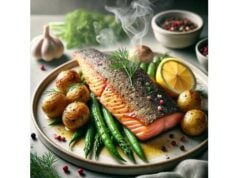
- Versus salmon: octopus is leaner and lower in total omega-3s but higher in vitamin B12 per 100 g; salmon provides more vitamin D and EPA+DHA.
- Versus squid: both are lean cephalopods; octopus typically has higher B12 and iron.
- Versus white fish (cod, pollock): similar calories and protein; octopus offers more minerals (iron, copper, selenium) and a different texture profile.
Is octopus high in cholesterol?
Yes—about 96 mg per 100 g cooked. For most people, dietary cholesterol has a smaller impact on blood cholesterol than saturated fats and overall diet pattern. If your clinician has given specific cholesterol limits, account for octopus accordingly.
What about mercury?
Octopus muscle is generally low to moderate in mercury compared to large predatory finfish. Following national lower-mercury seafood advice and keeping portions sensible supports safety. Always check local advisories for self-caught seafood.
Can I eat octopus if I follow a heart-healthy diet?
Yes. When octopus replaces higher-saturated-fat meats and is paired with vegetables, legumes, whole grains, and olive oil, it fits heart-forward patterns. Combine with an oily fish elsewhere in the week to meet omega-3 goals.
Any quick weekday ideas?
- Toss warm, sliced octopus with lemon, parsley, olive oil, and white beans.
- Char on a grill pan, then serve over arugula with tomatoes and capers.
- Stir into a tomato-garlic broth with olives and herbs; spoon over farro.
References
- Nutrition Facts for Octopus (Cooked) 2025 (Reference Table)
- Advice about Eating Fish 2024 (Guidance)
- Effects of Industrial Boiling on the Nutritional Profile of Common Octopus (Octopus vulgaris) 2019 (Study)
- Seafood Long-Chain n-3 Polyunsaturated Fatty Acids and Cardiovascular Disease: A Science Advisory From the American Heart Association 2018 (Advisory)
- Mercury Levels in Commercial Fish and Shellfish (1990–2012) 2022 (Monitoring Table)
Disclaimer
This guide is for general education and is not a substitute for personalized medical advice, diagnosis, or treatment. Seafood safety and portion needs vary with age, health status, medications, and pregnancy or breastfeeding. Consult a qualified healthcare professional or registered dietitian for recommendations tailored to you. If you are pregnant, breastfeeding, or serving young children, follow national advice on lower-mercury seafood and serving sizes. Always handle seafood safely: keep it cold, cook thoroughly, and use reputable sources.
If you found this article helpful, please consider sharing it on Facebook, X (formerly Twitter), or any platform you prefer to support our ongoing work. Thank you.