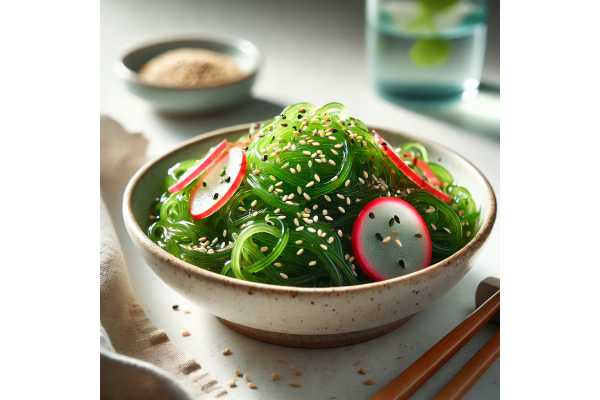
Ogonori (often sold as Gracilaria or by regional names like “ogo”) is a crisp, ruby-to-emerald red seaweed prized across Japan, Hawai‘i, the Caribbean, and Southeast Asia. It brings clean ocean salinity and a snappy bite to salads, poke, and pickles, and it doubles as a traditional source for agar—the vegan gelling agent that set an entire corner of modern food science in motion. As a fresh vegetable, ogonori is low in calories yet rich in soluble fiber that feeds the gut microbiome, with a naturally low fat content and modest protein. Because it grows rapidly and is farmed in nearshore systems, it offers culinary variety with a light environmental footprint when responsibly cultivated. This guide translates the science into practical decisions: how ogonori’s nutrition actually looks on a plate, the benefits most supported by evidence, real-world safety considerations such as iodine and contaminants, and how to select, store, and cook it to keep its crisp texture while preserving nutrients.
Fast Facts
- Typical serving: 50–75 g (about ½–1 cup prepared), 2–3 times per week fits most balanced diets.
- Main benefit: high soluble dietary fiber that supports gut health and post-meal glucose control.
- Secondary benefit: low energy density—about 25–30 kcal per 100 g desalinated ogonori—useful for volume without excess calories.
- Safety caveat: iodine and trace metal levels vary by species and harvest site; rinse, blanch, and source from vetted suppliers.
- Who should limit or avoid: people with thyroid disorders (hypo- or hyperthyroidism), those on lithium or amiodarone, and anyone advised to follow low-iodine diets unless guided by a clinician.
Table of Contents
- Detailed Overview
- Nutrition Profile
- Evidence-Based Health Benefits
- Risks, Allergies and Interactions
- Selecting, Quality, Sustainability and Storage
- Preparation, Cooking and Nutrient Retention
- Portions, Comparisons and FAQs
Detailed Overview
Ogonori is the culinary name for several edible red seaweeds in the Gracilaria/Agarophyton group. In markets, you may see it as ogo (Hawai‘i), gulaman or guso (Philippines), or simply “Gracilaria.” Fresh strands look like delicate, branching twigs with a translucent sheen. The crisp snap comes from cell walls rich in agar—linear galactans that bind water tightly—making ogonori both refreshing raw and satisfying when lightly blanched. This same agar is refined commercially into flakes and powders for pastry glazes, fruit gels, dairy-free puddings, and plant-based terrines.
As a vegetable, ogonori is best understood as a high-fiber, low-energy food. Most of its carbohydrates are non-digestible soluble polysaccharides; these pass into the colon, where microbes ferment them into beneficial short-chain fatty acids. The protein fraction is modest compared with some other red seaweeds (like dulse), and lipids are very low. Micronutrient levels vary widely by species and habitat. Red seaweeds generally carry less iodine than brown kelps like kombu, but that is not a guarantee—location, currents, and processing alter levels considerably. Salting and desalting are routine for fresh ogonori: harvesters pack the fronds in salt to preserve texture and safety; cooks then soak and rinse to remove most salt before serving.
Flavor-wise, ogonori is cleaner and less “sea-forward” than stronger kelps. Expect gentle brine, a hint of cucumber, and a mineral finish. That neutrality makes it a flexible partner for citrus, sesame, ginger, chile, vinegar, and fermented notes like miso or fish sauce. In poke bowls, it provides crunch and moisture that help you use less oil; in salads, it replaces part of the noodle or starch while keeping volume and satisfaction high.
From a sustainability lens, ogonori grows fast, needs no freshwater or fertilizer, and can be integrated with shellfish aquaculture. When farms site thoughtfully—away from polluted estuaries—seaweeds can help cycle nutrients and provide microhabitat. Responsible sourcing matters, however: because seaweeds bioaccumulate minerals, the same mechanisms that give you potassium and iron can also concentrate unwanted elements if waters are contaminated. Choosing reputable suppliers who test lots, and rinsing or blanching at home, are the easiest ways to enjoy the upside while minimizing risk.
Culturally, ogonori bridges street food and laboratory bench: Caribbean “Irish sea moss” drinks often include Gracilaria; in East Asia, agar from Gracilaria transformed microbiology by replacing animal gelatins with a heat-stable, clean medium. Today’s cooks can borrow from both worlds—raw salads for crunch and brightness, silky agar gels for texture play—while keeping nutrition front and center.
Nutrition Profile
Notes on measurement: Values below refer to salted, then desalinated ogonori prepared for eating. Composition varies by species, harvest site, and processing; consider these representative of what you’ll encounter in Japanese and Pacific markets. Daily Values (DV) use adult reference intakes.
Macros and Electrolytes (per 100 g prepared)
| Nutrient | Amount | %DV |
|---|---|---|
| Energy | 26 kcal | — |
| Protein | 1.3 g | 3% |
| Total fat | 0.1 g | 0% |
| Carbohydrate (total) | 8.8 g | 3% |
| Dietary fiber | 7.5 g | 27% |
| Total sugars | 0.5 g | — |
| Sodium | ~120 mg | 5% |
| Potassium | ~150–250 mg (varies) | 3–5% |
| Water | ~88–90 g | — |
Interpretation: The standout is soluble fiber density relative to calories. Sodium drops significantly after soaking; if you taste noticeable saltiness, rinse again.
Carbohydrates
- Dominant forms: agar-type galactans (soluble fiber), small amounts of storage sugars.
- Glycemic impact: low; the fiber fraction blunts post-meal glucose spikes.
- Practical tip: Pair with protein (tofu, fish) for balanced meals that sustain fullness.
Fats and Fatty Acids
- Total fat is minimal. Trace long-chain omega-3s may appear in some species, but ogonori should not be counted on as an omega-3 source.
Protein and Amino Acids
- Protein is modest (about 1–2 g per 100 g prepared). Red seaweeds can reach high protein on a dry basis, but desalinated, ready-to-eat ogonori is mostly water and fiber.
- Use case: Think of ogonori as a fiber- and mineral-rich vegetable, not a protein replacement.
Vitamins
| Vitamin | Typical level in prepared ogonori | %DV |
|---|---|---|
| Vitamin A (as carotenoids) | low | — |
| Vitamin C | low–moderate (variable) | 0–10% |
| Vitamin K | trace–low | — |
| Folate (B9) | trace–low | — |
| Vitamin B12 | variable/trace | — |
Why so many “trace” values? Rinsing and blanching, species differences, and seasonality drive wide swings. Treat vitamins as a bonus rather than a primary reason to eat ogonori.
Minerals
| Mineral | Typical level in prepared ogonori | %DV |
|---|---|---|
| Calcium | 20–60 mg | 2–6% |
| Magnesium | 20–40 mg | 5–10% |
| Iron | 0.3–1.5 mg | 2–8% |
| Zinc | 0.1–0.3 mg | 1–3% |
| Iodine | variable (often lower than kelp, but can range widely) | 5–50%+ (context-dependent) |
Key mineral note: Iodine varies by orders of magnitude across seaweeds and sites. Red Gracilaria species tend to have less than brown kelps, but always source-tested products and, if uncertain, prefer rinsing or brief blanching to reduce iodine.
Bioactives / Phytonutrients
- Soluble fibers (agar) that behave as prebiotics.
- Pigments (phycoerythrin, carotenoids) present in small amounts after desalting.
- Phenolics in red seaweeds are typically lower than brown (phlorotannins), but still contribute antioxidant capacity.
Contaminants / Residues (practical guidance)
- Salt: present in packed product; soaking removes most.
- Metals: levels depend on water quality and species. Use brands with third-party testing; avoid foraged seaweed from polluted waters.
- Allergens: No specific protein allergen is common; however, cross-contact with shellfish in processing facilities can occur.
Footnote: Lab values reported for dried Gracilaria can look “impressive” on paper. When you rehydrate, most numbers dilute 7–10×. The table above reflects what you eat, not the dry lab sheet.
Evidence-Based Health Benefits
1) Supports digestive health through soluble fiber
Agar-type polysaccharides in ogonori resist digestion in the small intestine and reach the colon, where microbes ferment them into short-chain fatty acids (SCFAs) such as acetate and butyrate. SCFAs help maintain the gut barrier, support immune signaling, and can modestly improve stool form and regularity. Because agar gels water, ogonori adds bulk and viscosity without adding significant calories, a combination linked with better satiety and smoother glycemic responses after mixed meals. Many people notice benefits at practical culinary doses—think 50–75 g alongside lunch or dinner several times per week.
2) Helps with calorie management without sacrificing volume
At roughly 25–30 kcal per 100 g prepared, ogonori lets you build hearty bowls and salads that feel substantial. Swapping 75–100 g of high-starch ingredients (like noodles) for an equal weight of ogonori can trim 100–150 kcal while preserving mouthfeel and hydration. This doesn’t make ogonori a “weight loss food” by itself; rather, it helps you re-balance plates in a way that is easier to stick with.
3) Mineral contribution with low sodium after rinsing
Desalinated ogonori contributes potassium and magnesium while maintaining relatively low sodium—useful in meals where soy sauce or fermented seasonings might otherwise push salt higher. Although micronutrient levels vary, many daily eating patterns fall short on magnesium; adding ogonori to protein- and vegetable-forward meals is a painless way to inch closer to targets.
4) Potential cardiometabolic advantages, driven by fiber and polyphenols
Dietary seaweeds have been associated in observational and intervention studies with improvements in surrogate markers such as fasting glucose, insulin sensitivity, and LDL cholesterol. In red seaweeds, the headline mechanisms are viscous fiber (which traps bile acids, modestly lowering cholesterol) and phenolic compounds with antioxidant activity. While much of the strongest mechanistic work is in brown kelps, the prebiotic, viscosity, and mineral replacement effects apply to ogonori-based meals as well.
5) Culinary carrier for nutrient-dense foods
One underappreciated “benefit” is how ogonori enables healthier builds: its crunch invites acidic dressings, herbs, and lean proteins. For many eaters, that means more fish, tofu, and vegetables on the same plate—dietary patterns repeatedly linked with better long-term outcomes.
What the benefits are not
- Ogonori is not a magic fiber that “detoxes” the body. Its fibers work like other soluble fibers, with similar dose–response.
- It is not a reliable source of vitamin B12 for vegans; content is variable and often too low to meet needs.
- It should not be used to self-treat thyroid issues; iodine content is unpredictable.
How much to eat for benefits
- Practical pattern: 50–75 g prepared ogonori per serving, 2–3 times weekly, integrated into meals (e.g., poke, salads, miso-dressed sides).
- Hydration: drink water with high-fiber meals to support comfortable digestion.
Risks, Allergies and Interactions
Iodine variability and thyroid considerations
Seaweeds naturally concentrate iodine; brown kelps are the heaviest accumulators, but red seaweeds can also deliver meaningful amounts. For most healthy adults, occasional servings of desalinated ogonori fit comfortably below upper limits—especially when rinsed or blanched. However, chronic high intake from seaweed (or supplements) can disrupt thyroid function in susceptible individuals. People with Hashimoto’s thyroiditis, Graves’ disease, nodular goiter, or those on levothyroxine should discuss routine seaweed intake with their clinician. If you are preparing ogonori frequently, blanching (30–60 seconds) and discarding the blanching water will reduce iodine and surface minerals.
Heavy metals and contaminants
Macroalgae can accumulate arsenic (largely as less-toxic organoarsenic), cadmium, lead, and mercury, with levels tied to species and water quality. Reputable producers test lots and avoid harvest from polluted nearshore zones. At home, rinsing and brief blanching lower surface contaminants and excess salt. Pregnant individuals and young children should choose seaweed from suppliers that publish contaminant testing.
Medication interactions
- Thyroid medications (levothyroxine): large swings in iodine intake can require dose adjustment; maintain a consistent pattern or keep seaweed intake low.
- Amiodarone or lithium: both can alter thyroid function; minimize seaweed iodine variability.
- Iodine-based contrast in imaging: follow your radiologist’s instructions—many advise low-iodine diets before radioiodine procedures.
Allergies and intolerances
Seaweed allergy is uncommon. Most reactions trace to cross-contact (shellfish, fish) during processing or to added seasonings. Very high fiber boluses can cause temporary bloating; titrate portions and drink water.
Food safety
Fresh ogonori is often preserved in salt. Desalinate thoroughly, store chilled, and use within several days. If you detect off-odors, sliminess, or discoloration (brown/grey), discard.
Who should limit or avoid
- People with diagnosed thyroid disease unless intake is kept modest and stable under medical guidance.
- Individuals preparing for low-iodine protocols (e.g., thyroid cancer care).
- Infants and toddlers: avoid as a regular food because serving-to-serving iodine variability is difficult to control.
Bottom line on safety
Buy tested product, rinse well, and enjoy sensible portions in a varied diet. Those with thyroid concerns should personalize intake with their care team.
Selecting, Quality, Sustainability and Storage
How to choose ogonori
- Fresh, salted bundles: Look for vibrant red to deep green color, firm branches, and a clean, ocean smell. Excessive slime or grey patches signal age.
- Frozen: Choose IQF (individually quick frozen) strands with minimal frost; these thaw crisp and consistent.
- Dried ogonori / agar strips: Handy for pantry storage and gel-based recipes; rehydrate per package directions.
- Agar powder (from Gracilaria): A vegan gelling agent for desserts, terrines, jams, and fruit set-ups that need to hold at room temperature.
Label cues that signal quality
- Harvest area and lot identification.
- Third-party testing for metals and iodine (increasingly common).
- Farming or wild-harvest practices (responsible aquaculture, distance from pollution sources).
Sustainability snapshot
- Resource-light: No freshwater, fertilizers, or arable land required.
- Co-benefits: When sited well, seaweed farms can buffer nutrients and offer habitat.
- Considerations: Avoid products from areas with known industrial discharges; support producers with transparent monitoring.
Storage and shelf life
- Salted fresh: Keep refrigerated; once desalinated, store in clean water, change water daily, and use within 3–4 days.
- Frozen: Keep at −18°C; use within 6 months for best texture. Thaw under refrigeration and rinse.
- Dried/agar: Store airtight in a cool, dark pantry; agar powder is stable for 1–2 years.
Smart shopping tips
- Buy smaller amounts you will use within the week.
- If choosing for salads, favor tender, thinner fronds. For gels or pickles, sturdier strands hold up better.
- If sodium is a concern, ask your fishmonger which brands desalinate cleanly and taste before dressing.
Preparation, Cooking and Nutrient Retention
Desalting (base prep)
- Rinse the salted ogonori under cold running water for 30–60 seconds.
- Soak in plenty of cold water for 10 minutes; swish to release residual salt.
- Drain and taste. If still salty, repeat a short soak.
- Spin or pat dry before dressing.
Optional blanch (for extra-crisp texture and iodine reduction)
- Bring a large pot of unsalted water to a rolling boil.
- Add ogonori and blanch for 30–45 seconds until color brightens.
- Shock in ice water, drain thoroughly.
This step improves crunch, reduces iodine and surface minerals, and keeps salads bright for hours.
Everyday serving ideas
- Sesame–citrus ogonori salad: Toss with rice vinegar, citrus juice, grated ginger, a dab of miso, and toasted sesame. Add cucumber and scallion.
- Poke companion: Fold a handful into ahi, tofu, or salmon poke to add crunch and dilute sodium.
- Quick pickle: Briefly simmer a brine of vinegar, water, and a pinch of sugar; pour over blanched ogonori with chile and garlic. Chill.
- Brothy bowls: Add in the last minute to miso soup or fish broths to keep texture.
- Agar fruit gel (dessert): Simmer 2 g agar powder per 250 ml fruit juice for 1–2 minutes; pour into molds. Sets at room temp, holds in summer heat.
Retention tips
- Keep it short and gentle: Heat drives off water and can leach minerals; blanch minimally or serve raw (desalted).
- Dress just before serving: Acid and salt draw water; add dressing near service to preserve crunch.
- Hydrate well: Fiber loves water; pair ogonori with hydrating foods (cucumber, melon, citrus) or sip water alongside.
Kitchen safety
- Use clean cutting boards separate from raw fish.
- Change soaking water; don’t reuse it for soups or gels (it’s salty and contains leached minerals).
- If fermenting or pickling, follow tested acid ratios for shelf stability.
Portions, Comparisons and FAQs
How much ogonori counts as a serving?
- A practical serving is 50–75 g prepared (about ½–1 cup loosely packed). This provides ~4–8 g fiber with minimal calories, fitting neatly alongside proteins and vegetables.
How often can I eat it?
- For most adults with healthy thyroid function, 2–3 servings per week is reasonable. If you enjoy seaweed daily, rotate types and keep portions moderate; rinse or blanch to reduce iodine.
Ogonori vs. other seaweeds
- Ogonori (Gracilaria/Agarophyton): Crisp texture, high soluble fiber, variable but often lower iodine than brown kelps; great raw or lightly blanched.
- Kombu (kelp): Intense umami; very high iodine; best for stocks and braises rather than raw salads.
- Wakame: Tender fronds; balanced micronutrients; common in soups and salads.
- Nori: Dried sheets; higher protein on a dry basis; used for sushi and snacks.
- Dulse: Chewy, savory; notable minerals and protein on a dry basis; good pan-crisped.
Is ogonori good for weight management?
- It can help by adding volume and fiber for very few calories, enabling higher-satiety plates. The effect depends on the entire meal pattern.
Can ogonori replace vegetables?
- Treat it as a vegetable component. Aim for diverse plants; mix ogonori with leafy greens, crunchy veg, and legumes to broaden nutrients.
Is it suitable for kids?
- In small amounts. Because iodine content can vary, ogonori should be an occasional accent for young children rather than a staple.
What about vegans seeking B12?
- Do not rely on ogonori for vitamin B12. Use fortified foods or supplements; consider ogonori a fiber-rich addition instead.
How do I reduce iodine if I am cautious?
- Rinse thoroughly, then blanch 30–60 seconds and discard the water. Avoid combining with high-iodine kelps in the same dish.
Any special considerations for athletes?
- Ogonori adds hydration and fiber with low weight. If you’re sensitive to fiber before training, schedule it away from sessions.
Is agar from ogonori different from agar from other red seaweeds?
- Agar is a family of galactans; functional properties (gelling strength, set/melt temperatures) vary by species and processing. In most home recipes, agar powders behave similarly at the same gram-per-liquid ratios.
References
- Dietary exposure to heavy metals and iodine intake via consumption of seaweeds and halophytes in the European population 2023 (Scientific Report)
- Seaweeds as a Functional Ingredient for a Healthy Diet 2020 (Systematic Review)
- An Overview to the Health Benefits of Seaweeds Consumption 2021 (Review)
- Biochemical, Micronutrient and Physicochemical Properties of the Dried Red Seaweeds Gracilaria edulis and Gracilaria corticata 2019 (Research)
Disclaimer
This guide is for general education and is not a substitute for personalized medical advice. Seaweed iodine and mineral levels vary widely by species and harvest site. If you have a thyroid condition, are pregnant or breastfeeding, or take medications that affect thyroid function, speak with a qualified healthcare professional before making seaweed a regular part of your diet. For safety, source ogonori from reputable suppliers, rinse or blanch before eating, and store it properly.
If you found this article helpful, please consider sharing it on Facebook, X, or your preferred platform. Your support helps us continue producing reliable, practical nutrition guides.