An oily scalp can make clean hair feel short-lived. You wash in the morning, and by evening the roots look flat, shiny, or separated. For some people the issue is mostly cosmetic. For others it comes with itch, odor, flakes, or a cycle of overwashing and product switching that never quite solves the problem. The good news is that an oily scalp usually responds best to a clear routine, not a complicated one.
At the center of the problem is sebum, the oil made by sebaceous glands around hair follicles. Sebum is normal and protective, but too much of it can trap sweat, dead skin, styling residue, and yeast byproducts on the scalp surface. That mix can make the scalp feel greasy, irritated, or hard to manage. This guide explains why some scalps run oily, how to tell simple oiliness from dandruff or dermatitis, how often to wash, and which product types actually help.
Key Insights
- An oily scalp usually improves more with regular, thorough cleansing than with stretching wash days too long.
- The right routine can reduce grease, odor, itch, and visible buildup without making the hair lengths feel stripped.
- Anti-dandruff actives can help when oiliness comes with flakes, redness, or scalp itch rather than grease alone.
- Persistent tenderness, yellow scale, pustules, or sudden shedding should not be treated as routine oiliness.
- If your roots look greasy within 24 hours, start with washing every day or every other day and adjust based on scalp comfort, not internet rules.
Table of Contents
- Why scalps get oily
- When oily scalp means more than oil
- The best wash routine for oily roots
- Which products help most
- Styling habits that make oiliness worse
- When to seek medical help
Why scalps get oily
An oily scalp starts with sebum, the natural oil produced by sebaceous glands attached to hair follicles. Sebum is not a mistake. It helps lubricate the scalp surface, supports barrier function, and limits excessive dryness. The problem is not that the scalp makes any oil at all. The problem is that some scalps make more oil than a person’s hair type, wash routine, climate, or product lineup can comfortably handle.
Several factors can push sebum output higher. Genetics is a major one. Many people with oily roots simply inherited more active sebaceous glands. Hormones also matter. Sebum production tends to rise during puberty and can fluctuate with menstrual cycles, androgen sensitivity, stress, and some endocrine conditions. Heat and humidity can make an already oily scalp feel worse because sweat spreads oil more easily across the scalp and hair shaft. Fine or straight hair often looks greasy faster because oil travels down the strands more easily than it does in tightly curled or coily hair.
Oiliness also tends to snowball. Once excess sebum sits on the scalp, it mixes with sweat, dead skin, pollution, and residue from leave-ins, oils, dry shampoo, and styling products. That buildup can trap odor, make the scalp feel itchy, and flatten the roots. It may also create a better environment for scalp yeast and irritation. This is one reason an oily scalp can feel “dirty” quickly even when the person is washing regularly.
Common contributors include:
- Naturally high sebum production
- Hot, humid weather
- Heavy leave-in products near the roots
- Infrequent washing for a scalp that needs more cleansing
- Occlusive hats or helmets worn for long periods
- Intense exercise without timely scalp cleansing
- Hormonal shifts
- Product residue and hard-water film
It is also helpful to separate an oily scalp from oily hair lengths. A person can have greasy roots and dry ends at the same time. That pattern is common, especially in long hair, color-treated hair, or wavy and curly hair. It means the routine should target the scalp and the lengths differently rather than using one rich product from roots to ends.
One myth worth dropping early is the idea that every oily scalp can be “trained” by washing less and less. Some people do better with slightly less frequent washing after they stop harsh stripping routines, but many oily scalps simply need more regular cleansing. In practice, delaying washes too long often increases grease, itch, odor, and visible buildup instead of solving them.
The most useful mindset is mechanical rather than moral. An oily scalp is not unclean or badly behaved. It is a scalp with a higher oil load. The routine should be designed to remove that load at the right interval, with the right products, while keeping the scalp barrier calm.
When oily scalp means more than oil
Not every greasy scalp is just a cosmetic annoyance. Sometimes oiliness is the first visible clue that a second issue is present, especially dandruff or seborrheic dermatitis. These conditions overlap because both tend to affect oil-rich areas of the scalp and both can come with itching. But they are not exactly the same thing.
Simple oiliness usually means the scalp looks shiny, the roots go limp quickly, and the hair separates into strings or clumps faster than expected after washing. There may be a mild scalp odor or a feeling of heaviness, but there is often little true inflammation. Dandruff adds flaking, usually fine or medium flakes, with varying levels of itch. Seborrheic dermatitis tends to go further, often with greasy yellowish scale, patchy redness, persistent itch, and flare-ups that keep returning even when the person changes shampoos.
That difference matters because the best routine changes once flakes and inflammation enter the picture. A person with plain oiliness may do well with a light shampoo and more frequent washing. A person with oily roots plus yellowish scale may need an antifungal or keratolytic shampoo instead. This is where understanding the difference between dandruff and dry scalp becomes genuinely useful, because dry flakes and oil-related flakes are often treated in opposite ways.
Signs that oiliness may be part of something more include:
- Itch that persists after washing
- Red or tender patches on the scalp
- Greasy, yellow, or stuck-on scale
- Flakes in the eyebrows, around the nose, or behind the ears
- Pustules or sore bumps
- A scalp odor that returns quickly
- Hair shedding linked to inflammation or scratching
Other look-alikes deserve mention too. Psoriasis can cause thicker plaques and sharper borders. Contact dermatitis can produce burning, redness, and flaking after a new dye, fragrance, or scalp product. Folliculitis may create tender bumps or pimples. Even product overload can mimic scalp disease for a while by leaving roots coated and itchy.
A helpful practical rule is to focus on symptoms, not just shine. Oil alone is manageable. Oil plus itch, redness, scale, or soreness is a different category. That is when a targeted medicated shampoo, a slower product rotation, or a medical evaluation starts to matter more than another “balancing” cosmetic shampoo.
There is also a timing clue. If the scalp feels greasy but calm, the issue is often routine-related. If it becomes progressively itchier or flakier the longer you go between washes, yeast and inflammation may be playing a bigger role. In that case, the solution is not usually less washing. It is better washing, with the right active ingredients and contact time.
In short, an oily scalp does not always mean disease, but it should not automatically be treated as harmless either. The texture of the flakes, the presence of redness, and the speed of recurrence often tell you whether the problem is simple sebum or something more active.
The best wash routine for oily roots
The best wash routine for an oily scalp is the one that keeps the scalp comfortable and the roots presentable without leaving the lengths rough or overprocessed. For many people, that means washing more often than beauty trends suggest. If the scalp looks greasy within 24 hours, daily washing is often reasonable. If it stays comfortable for 36 to 48 hours, every other day may be enough. The goal is not to obey a fixed number. It is to wash often enough that oil, sweat, and residue do not sit on the scalp long enough to trigger itch or buildup.
A strong basic routine looks like this:
- Wet the scalp thoroughly with lukewarm water.
- Apply shampoo mainly to the scalp, not the lengths.
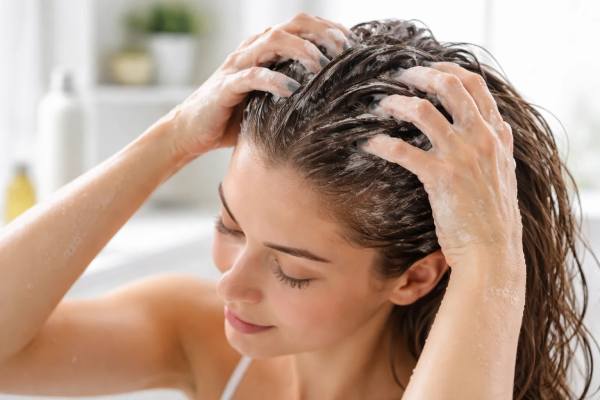
- Spend at least 60 seconds massaging with fingertips, not nails.
- Rinse well.
- Repeat if the first wash barely lathered or if there is heavy buildup.
- Condition mid-lengths and ends, keeping conditioner off the scalp unless the product is specifically made for scalp use.
- Rinse completely.
For truly oily roots, the first wash often loosens oil and residue, and the second wash does the actual cleansing. This is especially useful after workouts, dry shampoo use, or several days of styling product. People with fine hair often notice a major difference from this one change alone.
Wash frequency should be guided by scalp behavior. A useful starting framework is:
- Daily: very oily scalp, frequent workouts, heavy sweating, or active dandruff management
- Every other day: moderate oiliness
- Two to four times weekly: mild oiliness or a scalp that gets greasy more slowly
This is one area where rigid rules often backfire. Readers sorting out wash frequency by scalp type should note that oily scalps usually tolerate and benefit from more regular cleansing than dry scalps do.
Technique matters as much as frequency. Shampoo needs enough contact time to dissolve oil and detach surface debris. Rushing through a 10-second wash often leaves the scalp partially coated, which makes the roots feel dirty again quickly. Medicated shampoos need even more patience. Many work better when left on the scalp for several minutes before rinsing.
Water temperature matters too. Very hot water can make the scalp feel temporarily cleaner, but it may also increase irritation and encourage harsher washing habits. Lukewarm water usually strikes the best balance. Scalp brushes are optional, not essential. If used, they should be soft and gentle. A hard scrub does not remove oil more intelligently; it mostly increases irritation.
One more practical point: wash the scalp after sweating, not just for appearance but for comfort. Sweat mixed with sebum often makes roots collapse faster and can intensify itch. That is why someone who works out daily may genuinely need daily washing even if their friend with the same hair texture does not.
A good wash routine does not aim for a squeaky, stripped scalp. It aims for a clean, calm one that stays comfortable until the next wash.
Which products help most
Product choice matters, but oily scalp routines work best when products are chosen by problem, not branding language. “Purifying,” “detox,” and “reset” can sound appealing, yet the most useful questions are simpler: does the scalp need plain cleansing, oil control, antifungal help, scale removal, or gentler maintenance between treatment days?
For simple oiliness without significant flaking, a lightweight shampoo that cleans thoroughly without leaving a heavy coating is often enough. Look for formulas designed for oily roots, buildup, or daily use. These tend to rinse cleaner and leave less residue near the scalp. If the roots get greasy quickly but the ends stay dry, use the lighter shampoo on the scalp and a richer conditioner only from mid-length to ends.
If oiliness comes with flakes, itch, or recurring greasy scale, shampoos with evidence-based active ingredients become more useful. The most established options include:
- Ketoconazole: useful when yeast overgrowth and inflammation are likely contributing
- Selenium sulfide: helpful for dandruff, oiliness, and greasy scale
- Ciclopirox or piroctone olamine: antifungal options found in some regions and formulas
- Salicylic acid: helps loosen scale and reduce stuck-on buildup
- Coal tar: sometimes useful for heavy flaking, though not ideal for everyone
A useful rule is to match the shampoo to the scalp state. Antifungal shampoos are better when oiliness comes with itch and flakes. Keratolytic shampoos are more helpful when scale is thick or adherent. Cosmetic oil-control shampoos work best when the main issue is fast grease without much inflammation.
Clarifying shampoos can help, but they are often overused. They are most useful when styling residue, silicones, heavy leave-ins, mineral film, or dry shampoo buildup are making the roots collapse faster. They are not always meant for every wash. Many people do well with them once weekly or every one to two weeks depending on buildup load. If you need a deeper reset, guidance on when and how often to clarify can help you avoid turning a helpful step into a stripping habit.
A few product tips save a lot of frustration:
- Avoid heavy oils and buttery masks on the scalp unless prescribed or specifically indicated.
- Keep leave-in creams and serums off the root area.
- Choose conditioner texture by hair length needs, not scalp oil level.
- Fragrance can be fine for some people, but a reactive scalp often does better with simpler formulas.
- Medicated shampoos need consistency more than product hopping.
It is also worth being realistic about scalp “balance” serums and scrubs. Some can feel refreshing, but they rarely outperform a well-chosen shampoo and correct wash frequency. If a scalp is greasy because of sebum, yeast, and poor residue removal, the main solution is usually better cleansing chemistry, not another leave-on layer.
The best products for an oily scalp are often less glamorous than the marketing suggests. They are simply the ones that remove oil well, calm the scalp, and do not leave a film that makes the next wash feel overdue by noon.
Styling habits that make oiliness worse
An oily scalp is not managed by shampoo alone. Daily habits can either extend the clean feeling or shorten it by hours. Many people focus on buying a stronger cleanser when the real issue is what happens between washes: repeated touching, layered leave-ins, root-heavy styling products, and attempts to “freshen” the scalp in ways that actually add more residue.
Dry shampoo is the clearest example. Used well, it can help absorb oil and improve volume on day two hair. Used as a substitute for washing day after day, it often creates a powder-oil film that makes the scalp feel dirtier, itchier, and heavier. It is a bridge product, not a scalp-cleaning product. If it becomes a daily habit, the roots often end up stickier than they were to begin with. For readers relying on it heavily, the tradeoffs are worth reviewing in dry shampoo and scalp buildup guidance.
Other common habits that worsen oiliness include:
- Applying oils or serums directly to the scalp without a clear reason
- Layering mousse, root spray, texture powder, and dry shampoo together
- Reapplying fragrance mists or leave-ins near the roots
- Sleeping with heavy scalp sweat and product still on
- Brushing dirty roots repeatedly, which spreads oil down the hair shaft
- Wearing tight hats for long stretches without washing afterward
Even “clean” hair habits can backfire if they are mismatched to the scalp. For example, some people with oily roots avoid conditioner entirely, hoping their hair will last longer between washes. The result is often drier lengths and a rougher texture, which then leads to more smoothing creams near the crown. A better approach is targeted placement: cleanse the scalp well, then moisturize only the areas that actually need it.
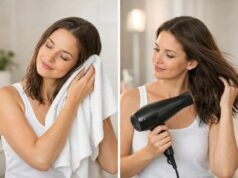
Blow-drying can help oily roots look fresher longer if done correctly. Drying the scalp area fully after washing often gives more lift and reduces the flat, damp collapse that can make roots seem oily sooner. The goal is not extreme heat, but complete drying. The same principle matters after workouts. Letting sweat dry repeatedly on the scalp can make roots feel grimier than the exercise itself.
Pillowcases, hats, and brushes deserve attention too. They do not cause oil production, but they can hold residue that gets reintroduced to the hair. A brush packed with dry shampoo, lint, and sebum will not help clean hair stay fresh. Simple hygiene matters more than fancy tools.
One original but helpful way to think about oily scalp care is this: every product at the root should earn its place. If a spray, cream, powder, or oil does not clearly improve scalp comfort or hair performance, it may be quietly shortening the time between wash days.
When styling habits are simplified, many oily-scalp routines become easier almost immediately. Less residue usually means less guesswork, fewer “rescue” products, and a scalp that is easier to read and treat accurately.
When to seek medical help
Most oily scalps can be managed with better product matching and more appropriate wash frequency, but some patterns deserve medical attention. The key is to notice when oiliness stops behaving like a routine issue and starts behaving like inflammation, infection, allergy, or a condition that keeps relapsing despite sensible care.
A dermatology visit is worth considering when any of the following are present:
- Persistent itching that does not improve with regular washing
- Red patches or yellow, stuck-on scale
- Pain, tenderness, or burning
- Pustules, bumps, or crusting
- Rapid hair shedding linked to scalp symptoms
- Symptoms spreading to the eyebrows, ears, or sides of the nose
- A scalp rash after dye, fragrance, or a new product
- No improvement after several weeks of a targeted anti-dandruff routine
These clues can point to seborrheic dermatitis, scalp psoriasis, folliculitis, contact dermatitis, or less common inflammatory disorders. That is why persistent “greasy scalp” should not always be managed by escalating cleansers. A harsher shampoo may briefly reduce oil while worsening the underlying disease.
Allergy and irritation are especially easy to miss. A scalp can feel both oily and inflamed at the same time, particularly after fragranced serums, dyes, essential oils, or harsh exfoliating treatments. In those cases, the scalp may not need stronger oil control at all. It may need the trigger removed. If that possibility sounds familiar, sorting out allergy versus irritation from hair products can help identify why the scalp feels both greasy and uncomfortable.
Medical review is also wise when hair loss enters the picture. Mild temporary shedding can happen when the scalp is inflamed or heavily scratched, but noticeable thinning, widening parts, or broken hairs around irritated patches deserve a closer look. A clinician can determine whether the issue is purely scalp oiliness, a yeast-driven dermatitis, an inflammatory scalp condition, or a separate hair-loss problem happening at the same time.
Before the appointment, it helps to track a few details:
- How quickly the scalp becomes oily after washing
- Whether itching and oiliness rise together
- What the flakes look like
- Which shampoos or products have already been tried
- Whether symptoms worsen after coloring, sweating, or stretching washes
Those details often reveal more than a single “my scalp is oily” description.
The bigger takeaway is reassuring: an oily scalp is common, and it is usually manageable. But when grease comes with redness, pain, recurring scale, or shedding, it deserves more than trial-and-error shopping. A calm scalp is the real goal, and sometimes that requires a medical diagnosis rather than another bottle from the hair aisle.
References
- Child and Adult Seborrheic Dermatitis: A Narrative Review of the Current Treatment Landscape 2025 (Review)
- A comprehensive literature review and an international expert consensus on the management of scalp seborrheic dermatitis in adults 2024 (Expert Consensus)
- Ketoconazole Shampoo for Seborrheic Dermatitis of the Scalp: A Narrative Review 2024 (Review)
- Safety, Efficacy and Attributes of 2.5% Selenium Sulfide Shampoo in the Treatment of Dandruff: A Single-Center Study 2024 (Clinical Study)
- The Impact of Shampoo Wash Frequency on Scalp and Hair Conditions 2021 (Clinical Study)
Disclaimer
This article is for educational purposes only and is not medical advice or a substitute for diagnosis and treatment by a qualified clinician. Scalp oiliness can overlap with dandruff, seborrheic dermatitis, psoriasis, folliculitis, and allergic reactions, which may need different care than a basic cosmetic routine. Seek professional evaluation if your scalp is persistently itchy, painful, inflamed, crusted, or associated with significant hair shedding or patchy hair loss.
If this article helped you, please consider sharing it on Facebook, X, or another platform you prefer so others dealing with an oily scalp can find clear, practical guidance.