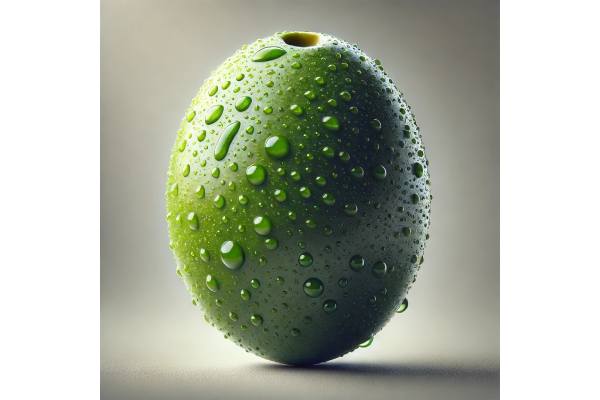
Olives are small, ancient fruits with an outsized role in healthy cooking and culture. Whether tossed into salads, folded into stews, or blitzed into tapenade, they bring savory depth, gentle bitterness, and a satisfying, buttery bite. Their nutrition story is equally compelling: olives are naturally rich in monounsaturated fat (especially oleic acid) and contain notable antioxidants such as vitamin E and olive-specific polyphenols (including hydroxytyrosol and oleuropein). Together, these compounds support heart-smart eating patterns like the Mediterranean diet. Olives are also convenient—shelf-stable when brined or canned, quick to portion, and useful in both weekday meals and entertaining. Because most commercial olives are cured or fermented in salty brines, a little goes a long way for flavor and sodium. In the guide below, you’ll learn how olives are processed and labeled, what a realistic portion looks like, how to choose high-quality jars, and how to prepare olives in ways that retain nutrients while dialing the salt down to your taste.
Top Highlights
- Provides heart-friendly monounsaturated fat and olive polyphenols that support healthy blood lipids.
- Most jarred or canned olives are high in sodium; rinse or soak to reduce salt before eating.
- Typical serving: 25–30 g (about 6–10 medium olives), enjoyed several times per week within your sodium budget.
- People on strict low-sodium plans, those with advanced kidney or heart disease, and anyone sensitive to fermented foods may need to limit portions.
Table of Contents
- Detailed Overview of Olives
- Olive Nutrition Profile (per 100 g)
- Evidence-Based Health Benefits
- Risks, Allergies and Interactions
- Selecting, Quality, Sustainability and Storage
- Preparation, Cooking and Nutrient Retention
- Portions, Comparisons and FAQs
Detailed Overview of Olives
Olives (Olea europaea) are drupes—fleshy fruits with a single pit—grown on hardy evergreen trees that thrive in Mediterranean climates but are now cultivated worldwide. Fresh olives are intensely bitter due to oleuropein and other phenolics, so nearly all table olives are cured to make them palatable. The curing method—more than the cultivar—drives flavor, texture, color, and even nutrition.
Common styles and what they mean
- Green (harvested unripe): Firm and pleasantly bitter. Often Spanish-style brine-cured with lactic fermentation, which develops nuanced, tangy flavors.
- Turning-color (semi-ripe): Harvested as the skin darkens. Often Greek-style naturally brined, retaining robust olive notes.
- Black (fully ripe): Softer and milder. May be naturally black from ripening on the tree or “ripe-style” (California-style), where green olives are lye-treated and air-oxidized to create a uniform dark color. Ripe-style black olives often list ferrous gluconate (or ferrous lactate) to fix the color.
- Dry/salt-cured: Packed in salt until wrinkly and intensely savory (e.g., Moroccan-style).
- Oil-cured: Cured, then stored in oil for lush mouthfeel and concentrated flavor.
Stuffed and pitted options broaden utility: pimento-stuffed greens for martinis, garlic- or almond-stuffed for antipasti, or anchovy-stuffed for a briny punch (note fish as an allergen). Whole olives keep texture best, while pitted olives are convenient for quick cooking and tapenade.
Flavor and culinary role
Olives bring salinity, umami, and bitterness that balance rich meats and bright vegetables. They lift stews (chicken with lemon and olives), pastas (puttanesca), grain bowls, flatbreads, and composed salads. A small amount can replace extra salt in recipes and add complexity without additional sauces.
Nutrition at a glance
Per 100 g, ripe canned olives provide roughly 116 kcal, ~11 g fat (mostly monounsaturated), ~6 g carbs (0 g sugars), ~1–2 g fiber, and meaningful sodium from brining. Vitamins and minerals occur in modest amounts (vitamin E, iron, calcium, copper), while olive phenolics such as hydroxytyrosol contribute antioxidant activity. Sodium is the major nutritional caveat.
What changes with processing?
- Fermentation (Spanish/Greek styles) can reduce bitterness and reshape phenolics; pasteurization stabilizes shelf life but largely eliminates live cultures.
- Lye treatment (ripe-style) debits some phenolics but yields mellow flavor and consistent softness.
- Pitting and slicing increase surface area, so phenolics and salt move more readily between the olive and brine.
Bottom line: Choose styles you enjoy, mind the salt, and lean on olives as a concentrated flavoring—an accent that earns its place in heart-forward, vegetable-rich meals.
Olive Nutrition Profile (per 100 g)
Reference form: Ripe, canned black olives in brine, drained. Nutrient values vary by cultivar and curing; sodium can be markedly higher for green/brined or lower for dry-/oil-cured olives.
Macros and Electrolytes (per 100 g)
| Nutrient | Amount | % Daily Value |
|---|---|---|
| Energy | 116 kcal | — |
| Protein | 0.8 g | 2% |
| Total fat | 10.9 g | 14% |
| Carbohydrate | 6.3 g | 2% |
| Dietary fiber | 1.6 g | 6% |
| Total sugars | 0 g | 0% |
| Sodium | 735 mg | 32% |
| Potassium | 8 mg | 0% |
| Water | ~80 g | — |
Fats and Fatty Acids
| Fatty Acid Group | Amount | Notes |
|---|---|---|
| Saturated fat | 2.3 g | Primarily palmitic and stearic acids |
| Monounsaturated fat (MUFA) | ~7.7 g | Predominantly oleic acid |
| Polyunsaturated fat (PUFA) | ~0.6 g | Mainly linoleic acid (n-6) |
| Trans fat | 0 g | Naturally absent |
Vitamins
| Vitamin | Amount | % Daily Value |
|---|---|---|
| Vitamin E (alpha-tocopherol) | ~1.65 mg | 11% |
| Vitamin A (RAE) | ~20 µg | 2% |
| Vitamin K | ~1.4 µg | 1% |
| Vitamin C | ~0.9 mg | 1% |
| B vitamins (B1, B2, B6, folate) | trace | — |
Minerals
| Mineral | Amount | % Daily Value |
|---|---|---|
| Calcium | ~88 mg | 7% |
| Iron | ~3.3 mg | 18% |
| Copper | ~0.25 mg | 28% |
| Zinc | ~0.22 mg | 2% |
| Magnesium | ~4 mg | 1% |
| Phosphorus | ~3 mg | 0% |
Bioactives / Phytonutrients
- Phenolic alcohols: hydroxytyrosol, tyrosol
- Secoiridoids: oleuropein and derivatives (reduced by certain curing steps)
- Flavonoids: luteolin, apigenin (small amounts)
- Triterpenes: oleanolic and maslinic acids (minor, style-dependent)
Glycemic and Acid–Base Metrics
- Glycemic impact: Very low (minimal sugars; ~6 g total carbs per 100 g)
- PRAL: Slightly alkaline to neutral, style-dependent
Additives and Processing Aids (label may include):
| Ingredient | Why it’s used |
|---|---|
| Sodium chloride (salt) | Preservation, flavor, texture |
| Lactic acid | Natural product of fermentation; flavor and preservation |
| Ferrous gluconate / ferrous lactate | Color-fixing for “ripe-style” black olives |
| Calcium chloride | Firming agent in some packs |
| Citric acid | pH control, flavor brightness |
% Daily Values (%DV) assume a 2,000-kcal diet: sodium 2,300 mg; fiber 28 g; iron 18 mg; calcium 1,300 mg; vitamin E 15 mg; vitamin A 900 µg RAE; vitamin K 120 µg; potassium 4,700 mg.
Evidence-Based Health Benefits
1) Heart-health support within Mediterranean-style eating
Olives complement the Mediterranean diet pattern, which emphasizes vegetables, legumes, whole grains, fish, and olive-derived fats. Clinical evidence shows that a Mediterranean diet supplemented with extra-virgin olive oil (EVOO) lowers the incidence of major cardiovascular events in higher-risk adults compared with a reduced-fat control. While this landmark trial used EVOO rather than table olives, it demonstrates the cardioprotective role of olive-derived monounsaturated fat and polyphenols within real-world diets. Table olives contribute similar compounds—at smaller doses—when used routinely in meals to replace salty meats or processed snacks.
2) Antioxidant and anti-inflammatory properties
Olive phenolics (notably hydroxytyrosol) help neutralize free radicals and modulate inflammatory pathways. Human pharmacokinetic studies confirm that hydroxytyrosol is bioavailable, appearing in plasma and urine soon after ingestion. Fermentation and curing influence phenolic content, but even ripe-style black olives retain some antioxidant capacity, with naturally brined olives often higher.
3) Lipid-friendly fat replacement
Swapping foods high in saturated fat for options rich in oleic acid is a practical way to improve lipid profiles. Replacing a portion of processed meats, cheese, or salty snacks with olives can lower saturated fat and add flavor, helping people stick to heart-forward eating patterns. Observational syntheses also link higher olive oil intake with lower risks of cardiovascular disease and all-cause mortality, reinforcing the value of olive-derived fats in everyday cooking.
4) Satiety and weight management, when portioned
Olives are calorie-dense on paper, yet their strong, savory taste means small amounts deliver big flavor. A typical 25–30 g serving adds satisfying fat and umami for ~30–35 kcal, often allowing you to use less added salt or rich sauces. In salads, grain bowls, or pasta, a handful of chopped olives can elevate satisfaction without dramatically increasing calories.
5) Low glycemic impact
With no sugars and minimal digestible carbohydrate per portion, olives have negligible effects on blood glucose. For those managing post-meal glycemia, olives make a robust, low-carb flavor carrier for vegetables and lean proteins.
6) Culinary advantages that support healthier choices
Because olives deliver saltiness, bitterness, and umami, they help vegetables, legumes, and fish taste richer. That culinary leverage—more than any single nutrient—often drives better long-term adherence to healthy patterns.
How much matters?
Aim for several small servings per week (e.g., 25–30 g, 6–10 medium olives) as part of a vegetable-forward meal plan. If you’re sodium-sensitive, rinse, briefly soak, and drain to reduce salt before adding to dishes.
Risks, Allergies and Interactions
Sodium is the main concern.
Most commercial olives are cured in brine. A 100 g drained portion of ripe canned olives typically contains ~735 mg sodium (~32% DV), while some green/brined olives can be higher. Strategies to lower sodium include:
- Rinsing under running water, then draining.
- Soaking briefly in cool water; taste and repeat with fresh water if needed.
- Using olives as a flavor accent (chopped and dispersed) rather than a primary side.
- Choosing “reduced-sodium” styles when available.
Fermentation and sensitivity
Like other fermented foods, olives can contain biogenic amines (e.g., histamine, tyramine). Most people tolerate these well, but individuals with histamine intolerance or those taking monoamine oxidase inhibitors (MAOIs) should be cautious with large portions of strongly fermented, long-aged products.
Allergy considerations
True allergy to olive fruit is uncommon, though olive pollen allergy is frequent in some regions. Pollen-food cross-reactivity to the fruit is rare but possible. Always check labels for stuffing ingredients (e.g., anchovy, nuts, cheese) that introduce top allergens.
Additives and color-fixing agents
“Ripe-style” (California-style) black olives often list ferrous gluconate or ferrous lactate, which help fix the dark color formed during oxidation. These are approved color additives in ripe olives. They do not add iron in meaningful amounts at typical servings and are considered safe at good-manufacturing-practice levels.
Children and choking risk
Whole, round, slippery foods are choking hazards for toddlers and young children. Slice lengthwise or mash for safer serving. Pits and pit fragments are hard; choose pitted olives and still inspect before serving to kids.
Medication interactions
Olives are not known for clinically relevant nutrient–drug interactions. The primary consideration is sodium, which can affect fluid balance and blood pressure in sensitive individuals (e.g., uncontrolled hypertension, heart failure, kidney disease). Work with your clinician to align portions with your care plan.
Food safety
Keep opened olives submerged in brine and refrigerated. Use clean utensils to avoid contamination. Discard if you notice fizzing, off-odors, mold, or a softened, mushy texture not typical of the style.
Selecting, Quality, Sustainability and Storage
How to read the label
- Style and cure: Look for “Spanish-style,” “Greek-style,” “dry-cured,” or “ripe olives.” “Natural black” means tree-ripened; “ripe black” (California-style) indicates oxidation plus a color-fixing salt (ferrous gluconate or ferrous lactate).
- Ingredients: Short lists are best: olives, water, salt, sometimes lactic acid, citric acid, calcium chloride, and herbs.
- Sodium claims: “Reduced sodium” or “lightly salted” can cut milligrams substantially—especially helpful if you eat olives often.
- Pitting and stuffing: Whole olives keep texture; pitted olives are versatile for cooking; stuffed olives bring added flavors (and allergens).
- Packaging: Glass jars let you inspect brine clarity and fruit integrity; cans are light-proof and convenient. After opening, transfer leftovers to a clean container if needed and ensure olives remain submerged.
Quality cues
- Appearance: For brined olives, look for intact skins without deep slits unless intentionally scored. Slight color variation is normal for natural styles; uniform jet-black often indicates ripe-style processing.
- Texture: Firm to the bite for green and brined olives; wrinkled but meaty for dry-cured. Excessive softness or hollow centers can signal age or heat exposure.
- Aroma: Clean, briny, and olive-like; avoid sharp solvent smells or yeastiness in non-fermented styles.
Sustainability pointers
- Olive trees are drought-tolerant perennials; many orchards are rain-fed, though intensive systems may use irrigation. Look for producers that mention regenerative or integrated pest management practices and water stewardship.
- Origin and cultivar transparency signals better traceability.
- Choose packaging you can recycle locally.
- For stuffed or marinated products, prefer simple ingredients and producers that disclose additive use clearly.
Storage and shelf life
- Unopened: Store in a cool, dark pantry. Follow best-by dates for peak quality.
- After opening: Keep in the original brine, adding a touch of 2–3% salt water if needed to fully submerge fruit. Refrigerate and plan to use within 1–3 weeks for best flavor (some styles last longer; always rely on smell and appearance).
- Freezing: Possible but not ideal—texture softens. If you freeze, use for cooked dishes (stews, sauces) where texture is less critical.
Preparation, Cooking and Nutrient Retention
Lowering sodium without losing character
- Rinse thoroughly under cool water.
- Soak in fresh water for 10–20 minutes; taste. Repeat with fresh water if you want them milder.
- Marinate in unsalted extra-virgin olive oil with citrus zest, garlic, and herbs. The aromatic oil adds flavor while keeping added salt in check.
- For sauces, chop finely and distribute through the dish; a little spreads farther than whole olives.
Pitting and cutting tips
- For large quantities, use a handheld pitter and work over a bowl to catch brine.
- For rustic dishes, smash olives with the flat of a knife to loosen pits, then remove.
- Slice lengthwise for safer kid portions and better distribution in salads.
Cooking ideas that preserve benefits
- Quick sautés and braises: Add olives in the last 5–10 minutes to warm through without prolonged simmering that can leach phenolics.
- Roasting: Whole or halved olives roast well with cherry tomatoes, fennel, or onions at moderate heat, intensifying flavor.
- Tapenade: Blend olives with capers, garlic, lemon, and olive oil; spread on whole-grain toast, swirl into yogurt for a quick dip, or use as a finishing sauce for fish or roasted vegetables.
- Grain bowls and salads: Toss chopped olives with farro, chickpeas, roasted peppers, and parsley; dress with lemon and EVOO—simple, satisfying, and sodium-aware when olives are rinsed.
Nutrient retention notes
- Phenolics (like hydroxytyrosol) are water-soluble; long boiling can leach them. Prefer short heat exposure or add olives near the end of cooking.
- Vitamin E is relatively heat-stable in short cooks but can degrade with extended, high-temperature exposure.
- Pitting and slicing increase surface area and can accelerate diffusion of phenolics into brine or cooking liquid—delicious, but another reason to add olives late in wet dishes or reserve some chopped olives for finishing.
Pairing for absorption and balance
- Combine olives with vegetables and legumes for fiber and potassium to help balance sodium.
- Use aromatic acids (lemon, vinegar) and fresh herbs to brighten the palate so you can enjoy fewer olives for the same perceived saltiness.
- Pair with tomatoes, citrus, garlic, and fresh cheeses—classic partners that make vegetables irresistible.
Portions, Comparisons and FAQs
What is a realistic portion?
For most adults, 25–30 g (about 6–10 medium olives) is a sensible serving. This adds bold flavor for ~30–35 kcal and a modest bump in fat while keeping sodium manageable—especially if you rinse and drain. People on low-sodium plans should monitor total daily intake; olives can fit, but portion control is key.
How often should I eat olives?
Enjoy several small servings per week as part of meals rich in vegetables, legumes, fish, and whole grains. Consider them a condiment or ingredient, not a stand-alone side.
Green vs black: Is one healthier?
- Green (unripe) olives are typically firmer and saltier, sometimes with higher sodium from brining.
- Black olives can be naturally tree-ripened or ripe-style (oxidized + color fixed). Naturally black/brined olives may retain more phenolics; ripe-style are milder, with some phenolic loss during processing.
- Across types, macros are similar: high MUFA, low sugars, modest fiber. The biggest differences are sodium, texture, and flavor.
Olives vs olive oil vs avocado and nuts
- Olives: Flavor-dense, high in MUFA, variable sodium. Best as a salty, complex accent.
- Olive oil: Concentrated MUFA and polyphenols (especially EVOO), no sodium, ideal as your primary culinary fat.
- Avocado: MUFA-rich, higher fiber and potassium, very low sodium; great fresh or as a spread.
- Nuts: Dense in healthy fats and micronutrients, generally unsalted choices keep sodium low.
Are canned black olives “dyed”?
Ripe-style olives are air-oxidized to turn dark and then stabilized with ferrous gluconate or ferrous lactate so the color stays uniform. This is a permitted, standard practice for ripe olives and distinct from applying an artificial dye.
Do olives fit low-carb or diabetes-friendly diets?
Yes. Olives have minimal sugars and modest carbs. Their fats and savory profile make low-carb meals more satisfying without spiking glucose.
Are olives probiotic?
Traditional fermentation uses lactic acid bacteria, but many packaged olives are pasteurized after curing. They no longer contain live cultures, though they keep their flavor and many beneficial compounds.
Best way to cut the salt?
Rinse, soak briefly in fresh water, drain, then dress with extra-virgin olive oil, citrus, and herbs. Use finely chopped olives to spread flavor farther and rely on vegetables, lemon, and vinegar to lift brightness without more salt.
References
- Sodium reduction 2025.
- Primary Prevention of Cardiovascular Disease with a Mediterranean Diet Supplemented with Extra-Virgin Olive Oil or Nuts 2018 (RCT).
- Oral Bioavailability and Metabolism of Hydroxytyrosol from Food Supplements 2023 (RCT).
- Health Outcomes Associated with Olive Oil Intake 2024 (Umbrella Review).
- Nutrition Facts for Olives 2024.
Medical Disclaimer
This content is for general information and education. It does not replace personalized medical advice, diagnosis, or treatment. If you have high blood pressure, kidney or heart disease, food allergies, or are taking medications (including MAOIs), speak with your healthcare professional about how olives fit your plan and how to manage sodium safely.
If you found this helpful, please consider sharing it with friends or colleagues on Facebook, X (formerly Twitter), or your favorite platform. Your support helps us continue creating clear, reliable guides.