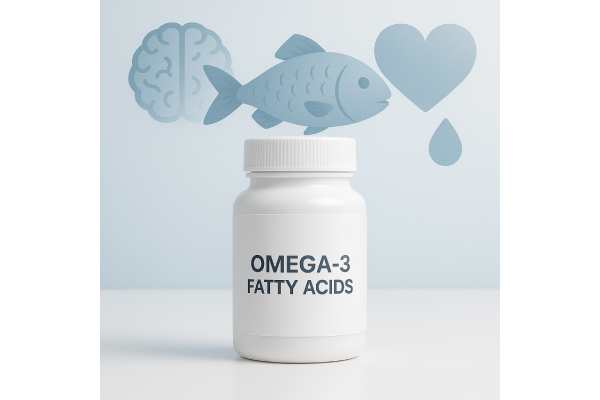
Omega-3 fatty acids are among the most researched nutrients in modern nutrition science. They are essential fats that your body cannot make in sufficient amounts on its own, yet they influence everything from triglyceride levels and heart rhythm to brain development and inflammatory balance. When people talk about omega-3s, they usually mean three key molecules: ALA (from plants) and the marine fats EPA and DHA (from fish, seafood, and some algae).
For most adults, omega-3s show their value in three main areas: supporting cardiovascular health, helping manage triglycerides, and contributing to normal brain and eye function across the lifespan. At the same time, trial results have been mixed, especially for issues like depression, cognitive decline, and general prevention of heart disease in low-risk people.
This guide walks you through what omega-3s are, how they work, realistic benefits, evidence-based dosage ranges, practical usage tips, and who should be cautious—so you can discuss an informed plan with your healthcare provider.
Quick Overview
- Omega-3 fatty acids (especially EPA and DHA) modestly lower triglycerides and may reduce certain cardiovascular risks in selected higher risk adults.
- Evidence for mood and brain benefits is mixed, with some improvement in depressive symptoms at doses around 1–1.5 g/day of EPA plus DHA.
- Typical daily intakes include about 250–500 mg/day EPA plus DHA for general health and 1–4 g/day only under medical supervision for specific conditions.
- High-dose omega-3 supplements can slightly increase the risk of atrial fibrillation and may interact with blood thinners, so medical guidance is important.
- People with fish or shellfish allergy, a history of certain heart rhythm problems, or those on anticoagulants should use omega-3 supplements only with medical supervision or avoid them entirely.
Table of Contents
- What are omega-3 fatty acids?
- Omega-3 benefits for heart and brain
- How to use omega-3 fatty acids daily
- How much omega-3 per day?
- Omega-3 side effects and who should avoid them
- What the research says on omega-3s
What are omega-3 fatty acids?
Omega-3 fatty acids are a family of polyunsaturated fats defined by the position of their first double bond (three carbons from the “omega” end of the molecule). Three forms matter most in human nutrition:
- Alpha-linolenic acid (ALA): a plant-based omega-3 found in flaxseed, chia, walnuts, and certain vegetable oils.
- Eicosapentaenoic acid (EPA): a long-chain omega-3 concentrated in marine foods and many fish oil supplements.
- Docosahexaenoic acid (DHA): another long-chain omega-3, especially abundant in fatty fish and important in the brain and retina.
ALA is officially classified as an essential fatty acid because the body cannot synthesize it and must obtain it from food. Your liver can convert a small portion of ALA into EPA and then DHA, but this conversion is inefficient (often well under 15%). That is why direct dietary sources of EPA and DHA—such as salmon, sardines, herring, mackerel, trout, and certain algae-based products—play such a central role in omega-3 strategies.
Omega-3s are structural components of cell membranes, influence membrane fluidity, and act as precursors to signaling molecules called eicosanoids and specialized pro-resolving mediators. Compared to molecules derived from omega-6 fats, many of the compounds formed from EPA and DHA tend to be less pro-inflammatory, which is one reason omega-3s are studied in heart disease, autoimmune conditions, and chronic low-grade inflammation.
From a practical standpoint, most people obtain:
- ALA mainly from plant foods and some fortified products.
- EPA and DHA mainly from fish, seafood, and marine oils (fish oil, krill oil, cod liver oil) or vegan algal oil supplements.
Because dietary patterns vary widely, some people have very low habitual EPA and DHA intakes, which can be seen in blood markers (such as the “omega-3 index”). In many Western diets, combining modest fish intake with targeted supplementation is often the easiest way to reach research-informed intakes.
Omega-3 benefits for heart and brain
Interest in omega-3 fatty acids grew from observations that populations with higher fish intake tended to have lower rates of coronary heart disease. Since then, many randomized trials and meta-analyses have explored exactly how these fats might support health.
Cardiovascular health and triglycerides
EPA and DHA reliably lower fasting triglycerides, typically by about 15–30 percent at doses of 2–4 g/day, with greater effects in people whose starting triglycerides are high. Triglyceride lowering is one of the clearest, most consistent benefits of marine omega-3s. This is why prescription-strength products are used to treat hypertriglyceridemia under medical supervision.
For “hard” cardiovascular outcomes (heart attack, stroke, cardiovascular death), the picture is more nuanced. Large trials and meta-analyses suggest:
- Modest reductions in risk of some cardiovascular events, especially in higher risk patients or when higher doses of EPA are used.
- Stronger effects on nonfatal heart attack and certain composite endpoints than on all-cause mortality.
- Variation between studies, with some showing little to no benefit, likely due to differences in dose, formulation (EPA alone versus EPA plus DHA), baseline diet, and co-medications like statins.
Importantly, some trials using high doses (around 4 g/day) found a slightly higher risk of atrial fibrillation, a type of heart rhythm disturbance. That does not cancel out potential benefits, but it means high-dose therapy should be individualized and medically monitored.
Brain, mood, and mental health
DHA is highly concentrated in the brain and retina, which has led to interest in omega-3s for cognitive performance, age-related decline, and mood disorders. The evidence:
- Depression: Meta-analyses suggest that omega-3 supplements can produce a small to moderate improvement in depressive symptoms, particularly in people with diagnosed major depressive disorder. Benefits often appear greatest in preparations providing around 1–1.5 g/day of omega-3s with a higher proportion of EPA. However, not all trials show an effect, and average improvements are modest rather than transformative.
- Cognitive function and dementia: Results are mixed. Omega-3s may help preserve certain aspects of cognitive function in some groups, especially where baseline intake is low, but overall evidence does not support them as a stand-alone treatment for dementia.
- During pregnancy and early life: Adequate DHA intake during pregnancy supports normal brain and eye development in the fetus and infant. Many professional groups encourage pregnant and breastfeeding women to include low-mercury seafood or DHA-containing supplements.
Other potential benefits
Research also explores omega-3s in inflammatory and immune contexts:
- Rheumatoid arthritis and some inflammatory joint conditions often show modest reductions in joint pain and stiffness with higher EPA+DHA intakes over several months.
- For dry eye disease, asthma, inflammatory bowel disease, and allergies, results are inconsistent; some people report benefit, but large, well-controlled trials are mixed or inconclusive.
In short, omega-3s can be helpful tools for cardiovascular risk management, triglyceride reduction, and, in some cases, mood and joint symptoms. They are not a cure-all but can be useful adjuncts when integrated into an overall treatment plan and a generally healthy lifestyle.
How to use omega-3 fatty acids daily
For most people, the foundation of omega-3 intake should be food. Supplements can then fill gaps or provide therapeutic doses when recommended by a clinician.
Prioritize omega-3 rich foods
Aim to build a weekly pattern that includes:
- Fatty fish (such as salmon, sardines, mackerel, trout, herring): one to two servings per week or more, within local safety guidelines for mercury and contaminants.
- Shellfish and other seafood (mussels, oysters, anchovies): also provide EPA and DHA, often with lower mercury levels.
- Plant sources of ALA such as ground flaxseed, chia seeds, walnuts, and canola or soybean oil, used in salads, porridges, or baking.
This pattern not only raises EPA and DHA levels but also brings in protein, vitamin D, selenium, and other nutrients associated with better cardiovascular health.
Choosing a supplement
When food alone is unlikely to provide enough EPA and DHA, you might consider:
- Fish oil capsules or liquid: the most common option; look for products that list the actual milligrams of EPA and DHA per serving, not just “fish oil” content.
- Krill oil: usually more expensive and lower-dose; marketed for absorption advantages, but clinically meaningful differences are not firmly established.
- Algal oil: a vegan source of DHA (and sometimes EPA), suitable for people who avoid fish or shellfish.
- Cod liver oil: contains EPA and DHA plus vitamins A and D; but vitamin A can accumulate, so dose and total vitamin A intake must be considered carefully.
To use supplements effectively:
- Read labels carefully. If a capsule contains 1,000 mg “fish oil” but only 300 mg EPA+DHA combined, taking one capsule will not deliver a therapeutic dose.
- Take with food containing fat. Absorption of omega-3s is better with a meal that contains some fat.
- Start low and adjust slowly. Beginning with lower doses can reduce gastrointestinal side effects like reflux or loose stools.
- Store properly. Keep oils away from heat and light, and discard products that smell strongly rancid or are beyond their expiry date.
Integrating omega-3s into your routine
Practical ways to stay consistent include:
- Planning two fish-based dinners per week (for example, salmon with vegetables, sardines on whole-grain toast, or mackerel salad).
- Adding a tablespoon of ground flaxseed or a spoonful of chia seeds to yogurt, smoothies, or oatmeal most days.
- Setting a daily reminder if you use supplements, and linking them to a regular habit (like breakfast).
Consistency over months and years matters more than short bursts of very high intake. Always share your supplement list with your healthcare providers, especially if you live with chronic conditions or take prescription medications.
How much omega-3 per day?
There is no single global dose that fits everyone, because recommendations depend on age, health status, and whether we are talking about ALA or the marine omega-3s EPA and DHA.
Dietary reference intakes for ALA
For healthy adults, expert panels have set Adequate Intakes (AIs) for total omega-3s as ALA:
- Adult men: about 1.6 g/day of ALA.
- Adult women: about 1.1 g/day of ALA.
These amounts can be reached with a combination of plant foods such as flaxseed, chia, walnuts, and certain vegetable oils.
EPA and DHA for general health
Although no official Recommended Dietary Allowance has been established for EPA and DHA, many professional organizations and reviews converge on approximate ranges:
- About 250–500 mg/day of combined EPA and DHA for generally healthy adults is commonly suggested to support cardiovascular and overall health, typically achieved by eating fish one to two times per week.
- People who rarely eat fish or seafood may use a supplement providing a similar daily amount of EPA+DHA to approximate these intakes.
Higher-risk cardiovascular situations
For people with specific cardiovascular needs, professional bodies often recommend:
- Existing coronary heart disease (for example, prior heart attack): approximately 1 g/day of EPA plus DHA, preferably from oily fish, with supplements considered under medical supervision.
- High triglycerides: prescription omega-3 products at doses of 2–4 g/day of EPA and/or DHA can lower triglycerides substantially. These doses should only be used under a clinician’s care, as they function more like medications than typical supplements.
Mental health and mood
For depression and mood-related conditions:
- Research suggests that about 1–1.5 g/day of long-chain omega-3s (often with a higher proportion of EPA) can modestly improve depressive symptoms in some adults, especially those with established major depressive disorder.
- These doses should be viewed as adjuncts, not replacements, for standard treatments like psychotherapy or antidepressant medication.
Pregnancy, breastfeeding, and early life
During pregnancy and lactation, experts commonly recommend:
- Maintaining the usual ALA intake for adults, plus ensuring an extra 200–300 mg/day of DHA, typically from low-mercury fish or prenatal supplements.
- Following local guidance on safe fish choices to minimize exposure to mercury and other contaminants.
Upper safe intake limits
Regulatory agencies have concluded that:
- Long-term intakes of up to about 5 g/day of EPA plus DHA from supplements appear safe for most adults when used as recommended.
- Very high doses over time, especially around 4 g/day and above, have been associated with a small increase in atrial fibrillation in some high-risk groups.
- Common supplement labels often advise staying at or below 2 g/day of combined EPA+DHA unless a healthcare professional recommends otherwise.
Because individual risk can differ, especially in people with cardiovascular disease or on medications that affect clotting or heart rhythm, you should not exceed about 1 g/day of combined EPA+DHA on your own without discussing it with your clinician.
Omega-3 side effects and who should avoid them
Omega-3 supplements are generally well tolerated, especially at low to moderate doses, but they are not risk-free. Understanding common and serious side effects helps you use them more safely.
Common, usually mild side effects
These often improve when doses are reduced or capsules are taken with meals:
- Fishy aftertaste, belching, or reflux.
- Mild gastrointestinal upset, including nausea, loose stools, or abdominal discomfort.
- Occasional headache or a perception of “fishy” body odor, especially at higher doses.
Using enteric-coated capsules, splitting doses across the day, or switching brands sometimes reduces these issues.
Bleeding and clotting considerations
Omega-3s have mild antiplatelet (blood thinning) properties at higher doses, which can:
- Slightly prolong bleeding time, especially at doses above 2–3 g/day of EPA+DHA.
- Interact with anticoagulant or antiplatelet medications (such as warfarin or certain newer oral anticoagulants), possibly affecting clotting tests in some individuals.
In practice, most studies do not show a large increase in major bleeding when omega-3s are used within typical therapeutic ranges, but people who:
- Take blood thinners,
- Have bleeding disorders, or
- Are scheduled for surgery or invasive procedures
should inform their healthcare team about any omega-3 supplements. Dose adjustments or temporary discontinuation may be advised before operations.
Heart rhythm and atrial fibrillation
Some large trials using high-dose omega-3 formulations (around 4 g/day) in people with cardiovascular disease or high risk have reported a slightly higher rate of atrial fibrillation in the omega-3 group compared with placebo. While the absolute risk increase is modest, it is clinically important in people who already have, or are prone to, rhythm disturbances.
You should be especially cautious and seek medical advice before using high-dose omega-3 supplements if you:
- Have a history of atrial fibrillation or other heart rhythm problems.
- Have structural heart disease or implanted cardiac devices.
- Notice palpitations, irregular heartbeat, or unexplained shortness of breath after starting supplements.
Allergies and intolerances
Omega-3 products derived from fish or shellfish are not suitable for people with confirmed severe allergies to those foods. Even purified oils may carry trace proteins. In such cases:
- Algal oil (derived from microalgae) can be a practical alternative for DHA and, in some formulations, EPA.
- Always check labels, as some products may be processed in facilities that also handle fish or shellfish.
Who should avoid or be especially cautious with omega-3 supplements?
Speak with a healthcare professional and consider avoiding or limiting supplementation if you:
- Have a known fish or shellfish allergy (unless using a clearly labeled non-marine product and your allergist approves).
- Are on anticoagulants, antiplatelet drugs, or have a bleeding disorder.
- Have a history of atrial fibrillation or other arrhythmias, particularly if contemplating doses above 1 g/day EPA+DHA.
- Have chronic liver disease, certain fat-malabsorption conditions, or are on multiple lipid-lowering agents, where the overall regimen needs careful coordination.
- Are pregnant or breastfeeding and considering high-dose supplements rather than diet-based DHA; in this case, professional guidance is strongly recommended.
For most healthy adults using modest doses (for example, 250–1,000 mg/day EPA+DHA), side effects are limited and manageable. The key is to match dose and formulation to your personal risk profile and broader treatment plan.
What the research says on omega-3s
Modern omega-3 research is large, sometimes conflicting, and still evolving. It helps to separate a few big questions.
Do omega-3s prevent heart disease in everyone?
For people at average cardiovascular risk, large primary-prevention trials using about 1 g/day of EPA+DHA have typically shown:
- Little to no reduction in major composite cardiovascular endpoints in the overall population.
- Small benefits in particular subgroups in some trials, but not consistently across all studies.
In other words, omega-3 supplements are not a guaranteed way to “bulletproof” the heart for otherwise healthy people, although modest benefits cannot be ruled out in certain contexts.
Do they help people with existing heart disease or high triglycerides?
For secondary prevention (people who already have coronary heart disease or high triglycerides), evidence is more encouraging:
- High-dose prescription EPA or EPA+DHA (around 4 g/day) clearly lowers triglycerides and, in some trials, reduces certain cardiovascular events.
- Other high-dose formulations have not always reproduced these benefits, sometimes showing neutral cardiovascular outcomes while still lowering triglycerides.
- Meta-analyses combining many trials suggest a modest average reduction in cardiovascular events, with stronger effects in higher-risk individuals and when higher EPA doses are used.
The takeaway: omega-3s can be valuable in cardiovascular risk management, but they work best as part of a comprehensive plan (statins, blood pressure control, lifestyle) rather than as a stand-alone therapy.
What about depression and mental health?
Systematic reviews and meta-analyses of randomized trials in adults with major depressive disorder show:
- A small to modest improvement in depressive symptoms compared with placebo, especially in trials using formulations richer in EPA and doses around 1–1.5 g/day of long-chain omega-3.
- Considerable variation between studies, with some showing little difference from placebo and others suggesting clinically meaningful improvements.
- Limited evidence that omega-3s prevent the onset of depression in previously non-depressed individuals.
Overall, omega-3s may be a reasonable adjunct for some people with depression, but they are not a replacement for evidence-based psychological or pharmacological treatments.
Is more always better?
The research does not support unlimited dosing. Points to keep in mind:
- Benefits such as triglyceride lowering and symptom improvements in certain conditions appear to plateau beyond a certain dose.
- Higher doses over long periods have been linked to a small but real increase in atrial fibrillation in some high-risk groups.
- Above modest intakes, the balance between potential benefits and risks becomes more individualized, depending on medical history and concurrent therapy.
Big-picture interpretation
When you step back from individual trials, a consistent theme emerges:
- A dietary pattern with regular fish and seafood, plus adequate ALA from plant foods, is a robust baseline strategy with multiple health benefits.
- Low to moderate supplemental doses of EPA+DHA can be justified for general cardiovascular support and to fill dietary gaps, especially in people who eat little fish.
- Higher therapeutic doses belong in the realm of personalized, clinician-guided care, targeted toward specific goals such as triglyceride lowering or adjunctive treatment of depression.
Used thoughtfully, omega-3s are valuable tools—but they should fit into a broader, evidence-based health plan tailored to you.
References
- Omega-3 Fatty Acids – Health Professional Fact Sheet 2025 (Guideline/Factsheet)
- Effect of omega-3 fatty acids on cardiovascular outcomes: A systematic review and meta-analysis – PubMed 2021 (Systematic Review)
- Omega-3 fatty acids for depression in adults – PubMed 2021 (Systematic Review)
- Efficacy and safety of n-3 fatty acids supplementation on depression: a systematic review and dose-response meta-analysis of randomised controlled trials – PubMed 2024 (Systematic Review)
Disclaimer
The information in this article is intended for general educational purposes only and does not constitute medical advice, diagnosis, or treatment. Omega-3 fatty acid needs and safety vary from person to person, especially in the presence of cardiovascular disease, mood disorders, pregnancy, or use of prescription medications. Always consult a qualified healthcare professional before starting, changing, or stopping any supplement, including omega-3 fatty acids, and never disregard professional medical advice because of something you have read online.
If you found this guide helpful, you are welcome to share it with others on Facebook, X (formerly Twitter), or any platform you prefer, and to follow our work on social media. Your support in sharing our articles helps us continue creating carefully researched, high-quality health content for readers around the world.