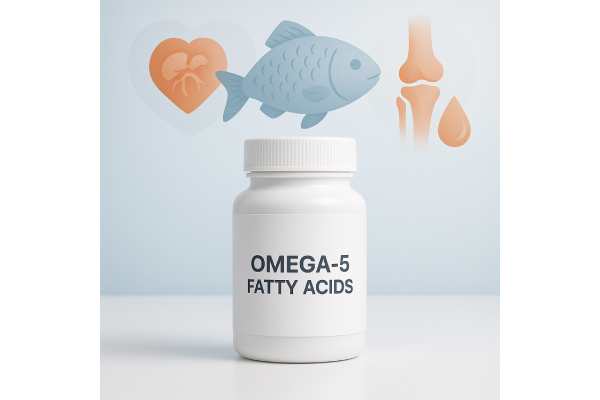
Omega-5 fatty acids are far less famous than omega-3 or omega-6 fats, but they are attracting attention in nutrition, dermatology, and metabolic health research. The main omega-5 fatty acid in supplements is punicic acid, a conjugated linolenic acid found in high amounts in pomegranate seed oil. Early studies suggest it may support healthy lipid profiles, insulin sensitivity, and inflammation balance, and it is already widely used in skincare products for mature or stressed skin.
At the same time, omega-5 fatty acids are not essential nutrients, and there are no official intake recommendations or long-term safety data. Most of the evidence comes from small human trials and preclinical work in animals and cells. This guide walks you through what omega-5 fatty acids are, where they come from, potential benefits, who might consider a supplement, how to think about dosage, and what risks and unknowns to keep in mind before you add them to your routine.
Key Insights for Omega-5 Fatty Acids
- Omega-5 fatty acids, mainly punicic acid from pomegranate seed oil, may help support lipid profile, insulin sensitivity, inflammation balance, and skin health.
- Short clinical trials have used pomegranate seed oil doses between about 800 mg and 3 g per day with generally good short-term tolerability.
- People with diabetes, on blood thinning or lipid lowering medication, or with hormone sensitive conditions should only use omega-5 supplements under medical supervision.
- A practical supplemental range for most adults is often 500–1,000 mg pomegranate seed oil once or twice daily with meals, unless a clinician recommends otherwise.
- Pregnant or breastfeeding individuals and those with pomegranate allergy should avoid omega-5 fatty acid supplements unless a healthcare professional advises differently.
Table of Contents
- What are omega-5 fatty acids?
- How might omega-5 fatty acids benefit health?
- How to use omega-5 fatty acid supplements
- Recommended omega-5 fatty acid dosage
- Side effects, risks, and interactions
- What does the science currently say?
What are omega-5 fatty acids?
Omega-5 fatty acids are a small, less familiar group of polyunsaturated fats. The “omega-5” label refers to the position of the first double bond from the omega (methyl) end of the fatty acid molecule. In practice, when people talk about omega-5 fatty acids as a supplement, they almost always mean punicic acid.
Punicic acid is an 18-carbon fatty acid with three conjugated double bonds (cis-9, trans-11, cis-13). It belongs to the family of conjugated linolenic acids. Its main natural source is pomegranate seed oil, where it can make up roughly two-thirds to three-quarters of all fatty acids in the oil. Smaller amounts appear in some seeds from the gourd family, such as Trichosanthes and Momordica species, but these are rarely consumed as foods or commercial supplements.
Unlike omega-3 and omega-6 fats, omega-5 fatty acids are not essential for human life, and the body does not rely on them to build cell membranes in the same way. Instead, punicic acid is of interest because it can be converted to other conjugated fatty acids in the body and can interact with cell signaling pathways, including peroxisome proliferator activated receptors (PPARs) involved in lipid and glucose metabolism.
Omega-5 fatty acids reach consumers in a few main forms:
- Pomegranate seed oil softgels (the most common oral supplement).
- Liquid pomegranate seed oil for use in food or added to smoothies in small amounts.
- Topical oils and creams marketed for dry, mature, or sensitive skin, often combined with other plant oils.
There is currently no official recommended daily intake, and omega-5 is not included in standard nutrition labels as an essential nutrient. That means decisions about whether to use it, and at what dose, rely heavily on emerging research, product quality, and individual health goals rather than on formal guidelines.
How might omega-5 fatty acids benefit health?
Research on omega-5 fatty acids focuses mainly on cardiometabolic health, inflammation, and skin function. Most data use pomegranate seed oil as the delivery form, so the observed effects reflect both punicic acid and other minor compounds in the oil.
Key potential areas of benefit include:
- Lipid profile and cardiovascular markers
- A controlled clinical trial in hyperlipidemic adults using pomegranate seed oil capsules for several weeks found reductions in triglycerides and a more favorable triglyceride to HDL cholesterol ratio, along with modest improvements in cholesterol ratios.
- In a study in mice lacking apoE and LDL receptors, pomegranate seed oil rich in punicic acid improved total and LDL/VLDL cholesterol and changed liver expression of lipid metabolism genes, though it did not reduce atherosclerotic plaque area.
These findings point to a possible adjunct role for omega-5 fatty acids in supporting lipid management, but not a replacement for statins, diet, or exercise.
- Glucose metabolism and insulin sensitivity
- In an eight-week randomized trial in adults with type 2 diabetes, 3 g per day of pomegranate seed oil increased GLUT-4 gene expression and modestly reduced fasting blood glucose, but did not significantly change HbA1c or insulin resistance indices.
- Several animal studies report improved insulin sensitivity and less weight gain during high-fat feeding when diets include punicic-acid rich oils.
These results suggest that omega-5 fatty acids may fine-tune certain aspects of glucose and insulin regulation but, based on current evidence, should not be viewed as a stand-alone treatment for diabetes.
- Inflammation and oxidative stress
- Punicic acid can modulate inflammatory pathways in cell and animal models, including effects on TNF-α, IL-6, and NF-κB signalling, and may act as an antioxidant.
- Experimental work has explored possible anti-cancer properties, such as reduced proliferation of certain breast cancer cell lines, though this remains far from clinical application.
- Skin structure and barrier function
- Topical pomegranate seed oil is rich in punicic acid and other lipophilic antioxidants. Formulators use it in products for dry, mature, or photo-aged skin to support barrier repair, elasticity, and recovery from irritant procedures.
- Small human and animal studies of conjugated linolenic acid based topical products report better healing and less inflammation after skin injury.
Taken together, the health effects of omega-5 fatty acids appear promising but preliminary. Benefits are most plausibly in supporting lipid balance, glucose handling, low-grade inflammation, and skin resilience when combined with a healthy lifestyle.
How to use omega-5 fatty acid supplements
If you and your healthcare professional decide that an omega-5 supplement is appropriate, it helps to be deliberate about the form, timing, and context in which you use it.
1. Choosing a form
Most people encounter omega-5 as:
- Softgel capsules of pomegranate seed oil
- Typical capsule sizes are 500–1,000 mg of oil.
- Labels sometimes specify the percentage of punicic acid (for example, 60–80 percent of total fatty acids).
- Bottled pomegranate seed oil
- Used in small amounts in food or smoothies, or taken by spoon.
- Should be stored away from heat, light, and air to minimise oxidation.
- Topical oil or creams
- Applied directly to skin for barrier support and cosmetic anti-ageing claims.
- Often blended with other oils (jojoba, argan, rosehip) and antioxidants.
For metabolic or cardiovascular goals, oral softgels provide the most standardized dosing. For skin-focused goals, topical products are generally preferred, sometimes combined with oral use.
2. When and how to take omega-5 orally
Because pomegranate seed oil is a fat, it is best taken with food:
- Take capsules with a main meal that contains some fat, which likely improves absorption and reduces the chance of digestive upset.
- Split the daily amount into two or three doses if you are using higher amounts (for example, 2–3 g per day), unless your clinician suggests otherwise.
A simple pattern some people follow under professional guidance is:
- 500–1,000 mg pomegranate seed oil once or twice daily with meals for general support.
- Up to about 3 g per day in divided doses for short-term, targeted use in research-like scenarios, always supervised.
3. Combining omega-5 with diet and lifestyle
Omega-5 fatty acids should sit inside a broader lifestyle plan:
- Maintain a diet rich in vegetables, fruits, whole grains, legumes, and sources of omega-3 fats (such as fatty fish or algae).
- Limit trans fats and excess saturated fat, which have stronger adverse effects on lipids than any benefit expected from a single supplement.
- Address physical activity, sleep, and smoking, which have larger impacts on cardiometabolic risk than nutraceuticals.
4. Using omega-5 topically for skin
For topical pomegranate seed oil:
- Apply a few drops to slightly damp skin after cleansing or mix into a moisturizer.
- Start with once daily application to a limited area to ensure you do not react.
- Because the oil is rich, it suits dry or mature skin best; oily or acne-prone skin may prefer lighter blends.
Topical use focuses on comfort, barrier support, and cosmetic outcomes, not systemic effects.
Recommended omega-5 fatty acid dosage
There are no official dosage guidelines for omega-5 fatty acids. What we know comes from toxicology studies and short clinical trials using pomegranate seed oil (PSO) as the source of punicic acid.
Doses used in human studies
Selected examples:
- Hyperlipidemic adults:
- PSO 400 mg twice daily (about 800 mg per day) for 4 weeks improved some triglyceride-related markers without major adverse effects.
- Adults with type 2 diabetes and obesity:
- PSO 1 g three times daily (3 g per day) for 8 weeks increased GLUT-4 gene expression and lowered fasting blood glucose, again with good short-term tolerability.
- Other pomegranate preparations:
- Trials with pomegranate seed powder or mixed pomegranate extracts use a wide range of doses; their results do not translate directly to pure PSO but help outline a general safety window.
Across these and similar studies, daily PSO intakes of roughly 800 mg to 3 g for up to 2–3 months have not revealed serious safety signals in otherwise stable adults.
Practical supplemental ranges
For most adults, a reasonable structure (to be personalised by a clinician) looks like:
- General wellness or skin and cardiometabolic support
- 500–1,000 mg PSO once daily with food.
- More intensive, time-limited support under supervision
- 1,000–1,500 mg PSO twice daily (2–3 g per day total) with meals for several weeks, mirroring clinical trial protocols.
Remember:
- These amounts refer to pomegranate seed oil, not pure punicic acid. If a product is standardised (for example, “70 percent punicic acid”), then 1,000 mg PSO provides about 700 mg punicic acid.
- Higher doses or longer durations should be decided with a healthcare professional, especially if you have cardiovascular disease, diabetes, liver or kidney issues, or take multiple medications.
Food, not just supplements
You can also obtain small amounts of omega-5 from whole pomegranate seeds (the arils). Their seed oil content is modest compared with concentrated PSO, but they offer fibre, polyphenols, and a broader nutritional profile. Whole foods are appropriate daily; concentrated oils are better treated as short-term tools, not permanent high-dose fixtures unless advised otherwise.
Because long-term safety data are limited, many practitioners prefer a conservative approach, using the lower end of clinical trial doses and reassessing periodically rather than escalating automatically.
Side effects, risks, and interactions
Available data suggest that pomegranate seed oil and punicic-acid rich omega-5 supplements are generally well tolerated at doses up to around 3 g per day for several weeks in adults. However, “generally well tolerated” does not mean “risk free,” especially for people with complex medical conditions.
Common and mild effects
Some people report:
- Mild digestive discomfort (nausea, loose stool, or stomach fullness), especially when taking capsules on an empty stomach or at higher doses.
- A feeling of “heaviness” if large amounts of oil are taken at once.
Taking capsules with meals and starting at a lower dose often reduces these issues.
Allergy and intolerance
Pomegranate is a fruit, and although allergy is not common, it does occur. You should avoid omega-5 supplements if you:
- Have a known allergy to pomegranate or pomegranate products.
- Develop itching, rash, swelling, or breathing difficulty after starting the supplement.
In these cases, stop the product and seek appropriate medical care.
Groups who should be cautious or avoid supplements
Because data are limited, the following groups should avoid omega-5 supplements unless specifically cleared by a clinician:
- Pregnant or breastfeeding individuals, due to lack of safety trials.
- Children and adolescents, except under specialist guidance.
- People with severe liver or kidney disease, where fat metabolism and excretion may be altered.
- Individuals with a history of severe food or nut allergies, who may be more prone to cross-reactivity.
Potential interactions
Omega-5 fatty acids can influence lipid and glucose metabolism and may interact with medications or conditions that affect these systems:
- Diabetes medications
- Because some trials show lower fasting blood glucose and improved insulin sensitivity with PSO, taking it alongside insulin or oral hypoglycemics might, in theory, increase the risk of low blood sugar. Regular monitoring and professional guidance are essential if you have diabetes.
- Lipid lowering drugs
- Omega-5 supplements should not replace statins, ezetimibe, or other prescribed therapies. If used together, they may modestly augment triglyceride and cholesterol improvements, but data are not strong enough to change treatment decisions on their own.
- Blood thinning and surgery
- Pomegranate products can contain bioactive compounds that influence vascular function and oxidation. While specific data on omega-5 and standard anticoagulants are sparse, many clinicians prefer to pause non-essential supplements before surgery or if you take warfarin or similar drugs, unless your healthcare team has reviewed them.
- Hormone sensitive conditions
- Experimental work has looked at punicic acid in the context of hormone-related cancers, with complex and not yet clinically actionable findings. Until more is known, people with active or past hormone sensitive cancers should only use omega-5 supplements after discussing them with their oncologist.
If you experience new symptoms such as unusual bruising, persistent digestive pain, severe fatigue, or changes in blood tests after starting omega-5, report these promptly. Supplements should always be reviewed at medical appointments, just like prescription drugs.
What does the science currently say?
When evaluating omega-5 fatty acids, it helps to step back and look at the quality, quantity, and consistency of the evidence.
1. Strengths of the current evidence
- Mechanistic plausibility
- Laboratory studies show that punicic acid interacts with PPAR receptors, modulates inflammatory signalling, and can be converted into other conjugated fatty acids. These mechanisms align with potential benefits for lipid and glucose metabolism and low-grade inflammation.
- Supportive animal data
- In several models, pomegranate seed oil rich in punicic acid reduces weight gain on high-fat diets, improves insulin sensitivity, and alters gene expression in ways that point toward better metabolic health.
- Early human trials
- Controlled studies in hyperlipidemic adults and people with type 2 diabetes show that pomegranate seed oil can improve certain biochemical markers (triglycerides, cholesterol ratios, fasting blood glucose, GLUT-4 expression) over periods of 4–8 weeks, with good tolerability.
- Comprehensive reviews of pomegranate seeds and seed oil highlight the promise of punicic acid for cardiometabolic and potentially anti-inflammatory benefits, while also noting existing gaps.
2. Limitations and uncertainties
Despite encouraging signals, there are important constraints:
- Small sample sizes and short duration
- Most human trials include tens of participants, not hundreds, and last a few weeks to a few months. That limits our understanding of both effect size and long-term safety.
- Surrogate outcomes, not hard endpoints
- Studies mostly track lipids, fasting glucose, gene expression, or inflammatory markers. They do not show whether omega-5 fatty acids reduce heart attacks, strokes, diabetic complications, or mortality.
- Heterogeneous products and protocols
- Different trials use different PSO preparations, doses, and background diets. That makes it difficult to directly compare results or to define a single “optimal” dose.
- Lack of guideline endorsement
- Major cardiology, diabetes, and nutrition guidelines currently focus on established dietary patterns and medications. Omega-5 fatty acids are not yet recommended as a standard therapy, reflecting the early stage of the evidence base.
3. Practical bottom line
Given what we know today, a cautious, evidence-aligned summary is:
- Omega-5 fatty acids, particularly punicic acid from pomegranate seed oil, are promising as adjuncts, not replacements, for established therapies in cardiometabolic and skin health.
- Doses in the range of 800 mg to 3 g PSO per day appear reasonably safe over several weeks for most otherwise healthy adults, but long-term and high-dose safety remain unclear.
- People with chronic conditions, on medications, or in vulnerable life stages should only use omega-5 supplements after medical review.
- For many individuals, focusing on diet quality, omega-3 intake, physical activity, weight management, and sleep will produce larger and more proven benefits than any single nutraceutical.
If you are curious about omega-5 fatty acids, discussing your specific health goals and medications with a healthcare professional is the safest way to decide whether they have a place in your personal plan.
References
- Punicic Acid: A Potential Nutraceutical Compound in Pomegranate Seed Oil and Its Cardiovascular Benefits 2025 (Systematic Review)
- Pomegranate seeds: a comprehensive review of traditional uses, chemical composition, and pharmacological properties 2024 (Systematic Review)
- Pomegranate Seed Oil as a Source of Conjugated Linolenic Acid (CLnA) Has No Effect on Atherosclerosis Development but Improves Lipid Profile and Affects the Expression of Lipid Metabolism Genes in apoE/LDLR-/- Mice 2023 (Experimental Study)
- Effect of pomegranate seed oil supplementation on the GLUT-4 gene expression and glycemic control in obese people with type 2 diabetes: A randomized controlled clinical trial 2019 (RCT)
- Effect of pomegranate seed oil on hyperlipidaemic subjects: a double-blind placebo-controlled clinical trial 2010 (RCT)
Disclaimer
The information in this article is for educational purposes only and is not intended to provide medical advice, diagnose illness, or recommend specific treatments. Omega-5 fatty acid supplements, including pomegranate seed oil, should not be used as a substitute for professional medical care, prescribed medication, or individualized advice from a qualified healthcare provider. Always consult your doctor, pharmacist, or other licensed health professional before starting, changing, or stopping any supplement, especially if you are pregnant or breastfeeding, have a medical condition, or take prescription or over-the-counter medications. Never delay seeking or disregard medical advice because of something you have read here.
If you found this guide helpful, you are warmly invited to share it with others on Facebook, X (formerly Twitter), or any social platform you prefer, and to follow our work on social media. Your support in sharing our articles helps our team continue to research and publish balanced, high-quality health content.