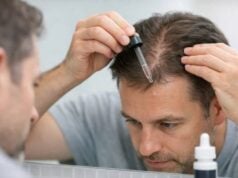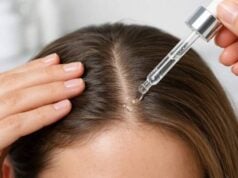
Hair health is often discussed through the lens of protein, iron, biotin, and vitamin D, while fats are treated as a side note. That misses an important part of the picture. The hair follicle and the scalp barrier both depend on essential fatty acids, and linoleic acid, the main dietary omega-6 fat, plays a real physiologic role in both. It helps support barrier lipids, influences inflammation signaling, and is part of the broader nutritional environment in which follicles function.
At the same time, omega-6 has become one of the most misunderstood topics in nutrition. It is often either oversold as a beauty nutrient or dismissed as something inherently inflammatory. Neither view is very useful. For hair, the practical question is not whether omega-6 is “good” or “bad.” It is whether you are getting enough linoleic acid from sensible foods, whether your diet also includes enough omega-3, and whether you are expecting too much from supplements that have limited hair-specific evidence.
Key Facts
- Linoleic acid helps support the scalp barrier and is relevant to normal hair biology, but it is not a stand-alone hair growth cure.
- True omega-6 deficiency can contribute to dry skin and hair changes, yet it is uncommon in people eating a varied diet.
- The most useful goal is balanced fat intake, not simply adding more omega-6 capsules or seed oils.
- Hair-specific evidence for oral omega-6 supplements is limited, and stronger claims usually come from combination products rather than linoleic acid alone.
- A practical approach is to include regular sources of linoleic acid from foods while also making room for omega-3-rich foods several times each week.
Table of Contents
- Why linoleic acid matters for hair and scalp
- What the evidence actually says about hair growth
- Why balance with omega-3 matters more than more omega-6
- Best food sources of linoleic acid
- Who might need more attention to intake
- How to use omega-6 wisely in a hair routine
Why linoleic acid matters for hair and scalp
Linoleic acid is the main essential omega-6 fatty acid in the diet. “Essential” matters here. It means the body cannot make it on its own in meaningful amounts, so it has to come from food. That alone does not make it a hair-growth supplement, but it does make it a basic part of healthy tissue maintenance.
For the scalp, linoleic acid matters first as a barrier nutrient. The outer skin layer depends on a well-organized lipid structure to limit water loss, reduce irritation, and maintain a stable surface environment. Linoleic acid contributes to the lipid matrix and to specific ceramide-related structures that help the barrier stay intact. When the barrier is compromised, the scalp can become more vulnerable to dryness, roughness, irritation, and an inflammatory environment that does not favor healthy follicles. That is one reason linoleic acid is discussed not only in nutrition, but also in topical skin and scalp science. Readers interested in that side of the story often find it easier to connect the dots through scalp barrier and ceramide support.
Linoleic acid also matters because hair follicles are metabolically active mini-organs. They respond to hormones, inflammation, nutrient availability, and oxidative stress. The newer literature around linoleic acid suggests that it may influence follicle biology through signaling pathways involved in growth, differentiation, and inflammatory control. That is promising, but it is not the same as saying that higher dietary linoleic acid will reliably trigger noticeable scalp regrowth.
The most grounded way to understand omega-6 and hair is this:
- linoleic acid supports normal skin and scalp physiology
- severe deficiency can affect hair and skin quality
- adequate intake is part of a healthy follicle environment
- adequacy is not the same thing as high-dose benefit
That last point matters because online nutrition debates often skip straight from deficiency biology to supplement marketing. Hair changes have been described in essential fatty acid deficiency states, including hair loss and lighter, more fragile hair, but those situations are usually linked to unusual circumstances such as malabsorption, fat-free parenteral nutrition, or extreme dietary restriction. They are not the everyday baseline for most people.
So linoleic acid deserves respect, but not hype. It is a foundational nutrient, not a miracle ingredient. In a healthy scalp routine, it is better thought of as part of the soil than as the seed itself. When the base diet is inadequate, hair may suffer. When the base diet is already adequate, piling on more omega-6 is much less likely to create dramatic change.
What the evidence actually says about hair growth
This is where the conversation needs more restraint than most product labels allow. The strongest current evidence does not show that oral omega-6, by itself, is a proven hair-growth treatment in the same league as established medical therapies. The evidence is better described as plausible, supportive, and limited.
There are three main buckets of data. First, there is mechanistic and preclinical work suggesting that linoleic acid and linoleic-acid-rich oils may support barrier repair, modulate inflammation, and in some settings influence hair-growth pathways. Second, there are older observations showing that essential fatty acid deficiency can lead to hair changes and that correcting the deficiency can improve them. Third, there are clinical studies of combination supplements containing omega-3, omega-6, and antioxidants that reported improvements in hair density, telogen percentage, and overall hair quality.
That third bucket is the one people cite most often, but it has an important limitation: it does not isolate linoleic acid. If a supplement combines several fatty acids plus antioxidants, any benefit may reflect the whole formula, better overall nutritional status, or the particular study population rather than omega-6 alone. This is why the evidence feels more encouraging than definitive. It supports the idea that fatty-acid balance can matter for hair, but it does not prove that more omega-6 on its own will grow hair more effectively.
A fair summary of the evidence looks like this:
- Strongest claim: adequate essential fatty acid intake matters for normal hair and scalp health
- Moderate claim: combination omega-3 and omega-6 supplements may help some types of diffuse thinning or poor-quality hair in selected groups
- Weak claim: linoleic acid alone is a reliable oral regrowth treatment for common hair loss disorders
That distinction becomes especially important in pattern hair loss. If someone has androgenetic alopecia, the core driver is follicle miniaturization shaped by genetics and hormonal signaling. Omega-6 may still matter as part of overall follicle support, but it is not a direct substitute for more established therapies. The same caution applies to sudden shedding caused by illness, low iron, thyroid dysfunction, postpartum changes, or severe dieting. In those settings, the primary issue is the trigger, not a generic lack of omega-6.
This is also where “beauty nutrition” can become misleading. A supplement may contain omega-6 and still work mainly because it improves total nutrient intake, pairs fatty acids with antioxidants, or coincides with more attentive hair care. That is why readers should be cautious with sweeping supplement claims and pay attention to the same warning signs that show up in overhyped hair-growth supplements.
The practical takeaway is simple. Linoleic acid is relevant to hair health, but the best current evidence supports adequacy and balance, not megadosing. Food-first intake makes more sense than assuming an omega-6 capsule will solve a thinning pattern that has a different root cause.
Why balance with omega-3 matters more than more omega-6
The most useful way to think about omega-6 and hair is not “more is better.” It is “better balance is better.” That balance matters because omega-6 and omega-3 fatty acids share parts of the same metabolic machinery and help shape the pool of lipid mediators involved in inflammation, barrier function, and tissue signaling.
Linoleic acid itself is not the villain it is often made out to be. It is essential, common in the diet, and important to skin and scalp structure. The real problem in modern eating patterns is often broader: a high intake of refined, ultra-processed foods heavy in seed oils and poor in omega-3-rich foods such as fatty fish, walnuts, chia, flax, or canola. That creates a dietary pattern in which omega-6 is abundant while omega-3 is comparatively scarce.
Why does that matter for hair? Because a healthy follicle does not live in isolation. It sits in an inflammatory and metabolic environment shaped by the rest of the body. Omega-3 fats, especially EPA and DHA, are generally associated with more inflammation-resolving effects. Omega-6 fats can contribute to both helpful and less helpful signaling depending on the context, the specific fatty acid, and the rest of the diet. That is why simply pouring more omega-6 into an already imbalanced diet is not an elegant hair strategy.
A more realistic framework is this:
- Get enough linoleic acid to avoid low-intake problems.
- Do not treat omega-6 as a stand-alone hair supplement.
- Actively bring omega-3 into the diet so the broader fatty-acid pattern improves.
This is also where ratio discussions can become misleading. You will often see very specific target ratios promoted online. For everyday hair care, obsessing over a perfect numeric ratio is usually less helpful than fixing the obvious pattern: too many fried and packaged foods, not enough whole-food fat sources, and too little omega-3. A person who cooks more meals at home, uses oils thoughtfully, eats fish regularly or includes plant omega-3 sources, and avoids making refined snacks a major fat source will usually improve fatty-acid balance without calculating every gram.
One subtle point matters here too. Very high omega-6 intake may compete with the body’s conversion of plant omega-3 ALA into longer-chain EPA and DHA. That does not mean everyone needs to fear sunflower or soybean oil. It means the diet works as a system. Hair and scalp health are more likely to benefit from a better overall pattern than from choosing one fat in isolation.
This is why a balanced plan often starts with the foods discussed in omega-3-rich foods for scalp health rather than with another bottle marketed for beauty. Linoleic acid belongs in the conversation, but it works best when it is part of a diet that also supplies the anti-inflammatory counterweight most modern diets lack.
For hair, the smartest message is not “cut omega-6 to zero” or “take more omega-6 capsules.” It is “stop treating fats as interchangeable, and make the whole pattern more supportive of follicles.”
Best food sources of linoleic acid
The good news is that linoleic acid is not hard to find. In most mixed diets, omega-6 adequacy comes from ordinary foods rather than deliberate supplementation. The challenge is not scarcity. It is choosing sources that support the rest of the diet instead of pushing it further toward imbalance.
The richest familiar sources of linoleic acid are plant oils, especially:
- sunflower oil
- safflower oil
- soybean oil
- corn oil
- sesame oil
It is also found in whole foods such as:
- sunflower seeds
- sesame seeds
- pumpkin seeds
- peanuts and peanut butter
- walnuts
- almonds and other nuts
- tofu and soy foods
- eggs and poultry in smaller but meaningful amounts
For hair health, the most useful sources are usually the ones that bring linoleic acid with additional nutrients and better satiety. Seeds and nuts provide vitamin E, minerals, and texture that fit easily into meals. Soy foods contribute protein. Mixed meals built around whole foods tend to improve intake without creating the “too much refined oil, too little nutrition” problem that comes from relying heavily on fried convenience foods.
This is why food context matters so much. Two diets may contain similar amounts of omega-6, but one gets it from nuts, seeds, tofu, and home-cooked dressings, while the other gets it mostly from chips, takeout, pastries, and packaged snacks. The first pattern is much more compatible with overall hair health because it improves fat quality without crowding out protein, micronutrients, and omega-3 sources.
A practical way to add linoleic acid without overthinking it is to build it into normal eating:
- add a tablespoon of seeds to yogurt or oatmeal
- use tahini or peanut butter in moderation
- include nuts as part of snacks instead of only refined snack foods
- cook with mixed fat sources rather than just butter or coconut oil
- pair omega-6 sources with omega-3 sources across the week
For people worried about “seed oils,” nuance matters. Highly processed, fried foods are not ideal hair foods, but that does not mean all linoleic-acid-rich oils are inherently harmful. The bigger issue is the dietary company they keep. A modest amount of sunflower, soybean, or sesame oil in a balanced meal is very different from a diet dominated by ultra-processed foods.
This is also why omega-6 should not crowd out other basics. Hair still needs enough protein, iron, and total calories. A salad with a high-linoleic dressing is not automatically hair-supportive if the rest of the day is nutritionally thin. The most reliable food pattern for follicles is one that combines enough energy, enough protein, and a sensible mix of fats. People following more restrictive or plant-based patterns may need to plan this more deliberately, especially if the broader picture resembles plant-based diets that become too narrow for hair health.
The simplest message is this: linoleic acid is easy to obtain, but the best sources are the ones that improve the whole plate, not just one nutrient tally.
Who might need more attention to intake
Most adults eating a varied diet do not need to worry about omega-6 deficiency. That is important to say plainly, because “essential fatty acid” can sound like a common missing nutrient when, in practice, true deficiency is relatively uncommon outside specific situations.
The people who deserve closer attention are those whose intake, absorption, or overall nutritional status is compromised. These include:
- people on very low-fat diets for long periods
- those with fat malabsorption disorders
- people after certain bariatric or gastrointestinal surgeries
- individuals on highly restrictive diets with low total calorie intake
- people receiving unusual medical nutrition support without adequate fat provision
- anyone with chronic illness, rapid weight loss, or multiple nutrient gaps
In these settings, low intake is rarely an isolated omega-6 issue. It tends to travel with other problems such as low protein intake, iron deficiency, vitamin deficits, or overall under-fueling. That is why hair changes in this context are often mixed. The person may notice diffuse shedding, drier skin, more fragile strands, slower apparent growth, or a scalp that feels less resilient. Looking only at omega-6 can miss the broader nutritional pattern.
This also helps explain why linoleic acid is not something most people should supplement on instinct. If hair thinning is caused by low ferritin, thyroid disease, androgenetic alopecia, or a post-illness telogen effluvium, adding omega-6 may not address the central problem. A supplement can feel decisive while the actual diagnosis remains untouched.
There are, however, a few signs that should push someone toward evaluation rather than self-experimentation:
- sudden diffuse shedding lasting more than a few months
- eyebrow thinning along with scalp changes
- dry, scaly skin plus marked diet restriction or malabsorption symptoms
- fatigue, weight change, menstrual changes, or gastrointestinal symptoms
- hair loss that continues despite improving diet quality
Those cases deserve a broader look. Hair is often the visible tip of a larger nutritional or endocrine problem. When the history suggests more than a simple dietary imbalance, the better next step is often targeted assessment rather than a fatty-acid supplement. That may include the kinds of labs discussed in basic blood testing for hair loss.
Another group that should think twice about supplements is people already taking many “beauty” products. Adding an omega-6 capsule on top of collagen, biotin, multivitamins, adaptogens, and specialty blends usually creates more confusion than clarity. If the diet already supplies adequate linoleic acid, the chance of dramatic additional benefit is low.
The best way to identify who really needs more attention is to step back from the single nutrient and ask a broader question: is this person actually at risk of essential fatty acid inadequacy, or are they trying to solve a different kind of hair problem with the wrong tool? That question is usually more important than the supplement itself.
How to use omega-6 wisely in a hair routine
The smartest way to use omega-6 for hair health is surprisingly unspectacular: aim for adequacy, improve balance, and resist the urge to treat linoleic acid like a stand-alone cure.
A sensible plan begins with food. For most people, that means keeping a few reliable sources of linoleic acid in the weekly routine while also making room for omega-3. You do not need a complicated “fat protocol.” You need a pattern that is nutritionally complete enough for follicles to function well.
A practical approach looks like this:
- Keep some whole-food omega-6 sources in the week. Nuts, seeds, tahini, peanut butter, soy foods, and reasonable use of plant oils usually cover the need.
- Pair this with active omega-3 intake. Fatty fish, flax, chia, walnuts, or algae-based options make the overall pattern more favorable.
- Do not mistake processed-food omega-6 for purposeful nutrition. Convenience foods can deliver plenty of linoleic acid without supporting scalp health overall.
- Do not supplement blindly for thinning. If the problem is patterned loss, sudden shedding, or an inflammatory scalp issue, get clearer on the diagnosis first.
- Give food-based changes time. Hair cycles move slowly, so meaningful changes are measured over months, not days.
It also helps to be realistic about what success looks like. Adequate omega-6 intake is more likely to support normal hair and scalp quality than to create obvious regrowth in an established thinning pattern. That can still matter. A scalp with a healthier barrier and a diet with a better fatty-acid profile may feel less reactive, less dry, and more supportive of the follicles you are trying to preserve. But that is very different from promising that linoleic acid will reverse genetic hair loss.
Supplements deserve a narrower role. They may make sense when diet is clearly inadequate, when a combination formula is being used thoughtfully, or when a clinician recommends broader nutritional support. They make less sense as an automatic first move for every reader with shedding. High-dose omega-6-only supplementation is rarely the most elegant strategy, especially when the diet is already heavy in omega-6 and light in omega-3.
This is also where the rest of the diet still matters. Hair does not interpret fats in isolation. Follicles respond to protein sufficiency, iron status, calories, stress, and inflammation all at once. A person who improves fatty-acid balance but remains undernourished will usually not get the hair outcome they hoped for. In many cases, pairing better fat quality with enough total intake and enough protein, such as the habits covered in daily protein targets for hair support, is far more useful than focusing on one nutrient headline.
The most practical bottom line is this: use omega-6 as part of a well-built diet, not as a shortcut. Linoleic acid matters, especially for barrier health and nutritional adequacy, but hair does best when omega-6 is balanced with omega-3 and embedded in a broader pattern that actually supports follicle biology.
References
- The Role of Linoleic Acid in Skin and Hair Health: A Review – PubMed 2024 (Review)
- Evaluation of the Safety and Effectiveness of Nutritional Supplements for Treating Hair Loss: A Systematic Review – PubMed 2023 (Systematic Review)
- The Role of Omega-3 and Omega-6 Polyunsaturated Fatty Acid Supplementation in Human Health – PMC 2025 (Review)
- Effect of a nutritional supplement on hair loss in women – PubMed 2015 (RCT)
- Diet and hair loss: effects of nutrient deficiency and supplement use – PMC 2017 (Review)
Disclaimer
This article is for educational purposes only and is not a substitute for medical advice, diagnosis, or individualized nutrition care. Hair thinning can result from pattern hair loss, telogen effluvium, thyroid disease, iron deficiency, low protein intake, scalp inflammation, medications, or other medical conditions that omega-6 intake alone will not correct. Seek professional evaluation for sudden shedding, patchy loss, scalp pain, signs of malabsorption, or persistent thinning that does not improve.
If this article helped you, please share it on Facebook, X, or another preferred platform so more readers can find clear, evidence-based guidance.