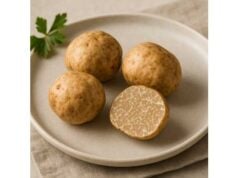
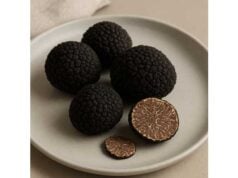
Oregon white truffles are the Pacific Northwest’s most famous subterranean delicacy. The two species sold under this name—winter (Tuber oregonense) and spring (Tuber gibbosum)—grow in symbiosis with Douglas-fir roots and release a head-turning aroma as they ripen. Shaved over warm, fatty foods, they turn simple dishes into layered, savory experiences. Beyond their culinary appeal, they’re a study in sustainability: when harvested at peak ripeness—ideally located by trained dogs—truffles can be gathered with minimal disturbance and continue fruiting for years. Nutritionally, like most fungi, truffles contribute moisture, small amounts of protein and carbohydrate, minerals such as potassium, and unique fungal compounds (notably sulfur-bearing volatiles and the antioxidant ergothioneine). Because they’re used in grams, not cups, their direct caloric impact is modest; their real value is sensory—substituting aroma for excess salt or fat. If you’d like to buy, store, or cook them well, this guide distills what matters: how to judge quality, use them without waste, understand likely benefits, and manage the few, specific risks.
Top Highlights
- Shaved Oregon white truffles add intense aroma that can help reduce added salt while elevating flavor.
- Like other fungi, truffles naturally contain ergothioneine, an antioxidant amino-acid derivative of emerging interest.
- Typical serving is 5–10 g shaved over a dish, up to 1–2 times per week in season.
- Avoid if you have known mushroom allergies or cannot confidently identify edible species; always source from reputable sellers.
Table of Contents
- Oregon white truffle basics
- Nutrition profile per 100 g
- Evidence-based health benefits
- Risks, allergies and interactions
- Selecting, quality, sustainability and storage
- Preparation, cooking and nutrient retention
- Portions, comparisons and FAQs
Oregon white truffle basics
What they are. “Oregon white truffle” refers to two closely related species native to the Pacific Northwest: Tuber oregonense (winter) and Tuber gibbosum (spring). They form ectomycorrhizae—mutually beneficial partnerships—with Douglas-fir roots. The fungi supply water and minerals to the tree; the tree supplies sugars from photosynthesis. When the truffles are ripe, they exhale a complex bouquet—garlic, spice, cheese, and savory notes—that attracts animals (and humans). This scent disperses spores in nature and signals culinary peak to foragers.
Season and habitat. Winter whites are typically found October–February; spring whites January–June in low-elevation, young to mid-aged Douglas-fir stands west of the Cascades. Moist soils and intact duff favor quality. In commercial and hobby foraging alike, trained dogs are the gold standard: they locate only ripe truffles and minimize site disturbance, allowing immature truffles to continue maturing underground.
How they taste. Oregon white truffles are not European white truffles. Their aroma is distinct—more garlicky-savory and less sharp than Alba—but still powerful. Because their magic is volatile and fat-soluble, the classic application is paper-thin shavings over warm, fatty foods (eggs, buttered pasta, cream sauces, roast chicken, risotto). No long simmering; heat drives off the aroma.
Why cooks prize them. Truffles bring impact without volume. A few grams transforms a dish through retronasal aroma (what you “taste” via your nose). Used well, they support better-for-you cooking by letting you lean on perfume rather than salt or heavy sauces. They also infuse closed containers: store a clean truffle with eggs or butter for a day or two to scent them before service.
How they differ from truffle oil. Most “truffle oils” are neutral oils spiked with synthetic aroma molecules. They can be tasty in moderation, but they’re not the same as fresh truffle’s layered, evolving scent. If you enjoy truffle oil, think of fresh Oregon whites as the original—richer, subtler, and more variable by species, site, and ripeness.
Supply and sustainability. With dog-assisted, selective harvest, truffle patches can be productive for years. The greatest threats to quality are premature raking (which brings up unripe, bland truffles) and improper storage (which shortens the already brief peak). Buying from dog-harvested sources and handling them properly protects both flavor and forest health.
Nutrition profile per 100 g
Important context. There is no single, universally accepted USDA entry specific to Oregon white truffles. Fresh truffles, like many edible fungi, are mostly water with modest protein and carbohydrate and very little fat. Composition varies by species, site, and season. When precise values are required for menu planning or diet modeling, dietitians often use common edible mushroom (Agaricus) values as a conservative proxy and annotate the substitution. Below, you’ll find (A) a proxy orientation table using widely available raw white mushroom data and (B) an evidence-informed truffle snapshot summarizing what peer-reviewed studies report for edible truffles as a group. Use these as guides—not as exact labels for every Oregon white truffle you may buy.
A) Proxy orientation (per 100 g, raw edible mushrooms)
(Values rounded; %DV based on a 2,000-kcal diet. This proxy helps you estimate calories and common micronutrients when Oregon-specific data are unavailable.)
| Category | Nutrient | Amount per 100 g | %DV |
|---|---|---|---|
| Energy & Water | Energy | 22 kcal | 1% |
| Water | 93.3 g | — | |
| Macronutrients | Protein | 3.1 g | 6% |
| Total carbohydrate | 3.3 g | 1% | |
| Total sugars | 2.0 g | — | |
| Dietary fiber | 1.0 g | 4% | |
| Total fat | 0.3 g | 0% | |
| Fatty Acids | Saturated fat | 0.05 g | 0% |
| Polyunsaturated fat | 0.16 g | — | |
| Minerals | Potassium | 318 mg | 7% |
| Selenium | 9–13 µg | 16–24% | |
| Copper | 0.3 mg | 33% | |
| Phosphorus | 86 mg | 7% | |
| Iron | 0.5 mg | 3% | |
| Vitamins | Niacin (B3) | 3.6 mg | 23% |
| Riboflavin (B2) | 0.4 mg | 31% | |
| Pantothenic acid (B5) | 1.5 mg | 30% | |
| Folate (DFE) | 17 µg | 4% | |
| Vitamin D* | 0–5 µg | 0–25% |
*UV-exposed mushrooms provide meaningful vitamin D; subterranean truffles do not naturally receive UV and are not a reliable vitamin D source unless specifically treated.
B) Truffle-specific snapshot (edible Tuber spp., fresh unless noted)
- Moisture: typically ~74–82 g/100 g; energy low to modest, reflecting high water content.
- Protein: variable across species and sites; studies report a few grams per 100 g fresh, with higher values on a dry-weight basis.
- Carbohydrate: modest; includes structural polysaccharides (e.g., beta-glucans) and free sugars in small amounts.
- Fat: very low overall; linoleic and oleic acids dominate the fatty-acid profile on a dry-weight basis.
- Minerals: potassium is the standout; phosphorus, copper, and selenium appear in small to moderate amounts depending on soil and species.
- Bioactives: ergothioneine (a sulfur-containing antioxidant amino-acid derivative) is naturally present in fungi; truffles also feature volatile sulfur compounds that shape aroma.
- Allergens/anti-nutrients: no unique truffle-only allergens identified in the general population; standard fungal sensitivities apply.
Footnote on fortification & additives. Fresh Oregon white truffles are sold unfortified. Any flavored products (oils, salts, condiments) may contain added aroma compounds or preservatives—check labels if you need to avoid specific additives.
Evidence-based health benefits
1) Flavor intensity that supports healthier cooking. The most reliable “benefit” of Oregon white truffles is culinary: high aroma density lets you lower added salt or rich sauces while maintaining satisfaction. For home cooks and restaurants alike, this “aroma-for-salt” trade can support overall sodium reduction without sacrificing perceived flavor. Because servings are small (grams, not ounces), truffles add negligible calories and minimal macronutrients to the plate—yet they change how the dish tastes.
2) Contributions typical of edible fungi. While truffles are not eaten like vegetables, their composition aligns with broader mushroom patterns that have been studied in depth. Edible fungi tend to be low-energy, low-fat, and contribute B-vitamins (notably niacin and riboflavin), copper, selenium, and potassium when eaten in meaningful amounts. When you use a truffle to infuse eggs, butter, or cheese, you’re leveraging aroma rather than micronutrient delivery—but a small portion still contributes a trace of these minerals.
3) Ergothioneine—why it’s discussed. Ergothioneine is a dietary antioxidant synthesized by microbes and fungi and transported in humans by a specific carrier (OCTN1). It accumulates in tissues exposed to oxidative stress. Mushrooms are a notable food source; truffles, as fungi, also contain it. Studies continue to explore whether habitual intake correlates with markers of healthier aging and vascular or cognitive endpoints. For now, the practical takeaway is simple: truffles can diversify your intake of fungal-derived antioxidants, though the dose from typical shavings is small.
4) Polyphenols and volatile sulfur chemistry. Truffles’ phenolic content and sulfur-rich volatiles (the very molecules that make them smell incredible) are active in the nose more than in systemic nutrition. That said, some in-vitro and compositional studies report antioxidant capacities in truffle extracts and document unsaturated fatty acids on a dry-weight basis. Treat these as food science insights, not medical claims: they help explain stability, aroma development, and quality differences between species and seasons.
5) Indirect benefits: cooking patterns and pleasure. Foods that increase cooking pleasure and make simple staples feel special can have outsized, indirect benefits: you may cook at home more often, lean on simpler base ingredients, and portion more judiciously because the aroma satisfies earlier. For many people, that’s a real advantage—one that pairs well with mindful eating.
What not to expect. Fresh Oregon white truffles are not a vitamin D supplement, not a protein source, and not a standalone therapy for any condition. Their role is to elevate the foods you already eat and, in doing so, help you make flavorful choices with less dependence on salt and heavy sauces.
Risks, allergies and interactions
Allergy and intolerance. True truffle allergy appears rare, but anyone with a history of reactions to mushrooms should be cautious. Start with very small amounts (e.g., a single shaving) or avoid entirely if you’ve had significant fungal allergies or oral allergy symptoms with other mushrooms.
Misidentification risk. The biggest hazard with wild fungi is misidentification. Oregon white truffles are hypogeous (grow underground) and can resemble non-culinary species when immature or cut poorly. If you are not expert, buy from reputable sellers or forage only with experienced identifiers. Never consume a wild truffle you’re uncertain about.
Microbial spoilage. Truffles are perishable. Once harvested, quality declines in days. Soft spots, sour or ammonia-like odors, and excessive condensation signal spoilage. Because truffles are shaved raw, handle them like sashimi-grade fish: cold, clean, and fast.
Chemical contaminants. As with other edible fungi, heavy-metal uptake reflects local soils. This risk is site-specific and generally low in clean habitats, but it underscores why sourcing matters. Purchase from traceable harvesters or growers operating on unimpaired lands.
Medication and condition interactions. Truffles are not known to interact with common medications. The primary cautions are mushroom allergy, histamine intolerance (aroma can be provocative for a few sensitive individuals), and food safety if immunocompromised (stick to impeccably fresh, properly stored product or avoid raw shavings).
Pregnancy and young children. Fresh, properly handled truffles used as a finishing garnish are generally considered acceptable in normal culinary amounts. If pregnant, immunocompromised, or serving very young children, use fresh, clean, recently purchased truffles, shave over fully cooked foods, and avoid any fermented or long-stored infusions of uncertain hygiene.
Selecting, quality, sustainability and storage
How to select. Favor truffles that are firm (eraser-like), heavy for size, clean, and only lightly brushed. The cut face (if present) should show distinct white veining in brown gleba (marbled interior) for Oregon whites. Aroma at purchase may be subtle; many Oregon whites bloom 1–3 days after harvest. Avoid spongy, hollow, or powdery interiors—signs of inferior, non-culinary species or old age.
Dog-harvested vs. raked. Ask sellers how they harvest. Dog-harvested truffles are consistently ripe and more sustainable; indiscriminate raking often yields unripe truffles that never develop full aroma and disturb soil. Supporting dog-assisted foragers encourages better ecology and better flavor.
Price expectations. Oregon white truffles typically cost substantially less than European whites but remain premium. Prices fluctuate with season, rain patterns, and demand. Buying in season from reputable local suppliers or truffle festivals often offers peak quality.
Storage, step by step (up to ~1 week):
- Dry clean only: brush off soil; avoid washing.
- Wrap each truffle loosely in dry paper towel; place in an airtight container with ample headspace.
- Refrigerate at 2–4 °C (35–39 °F).
- Change paper daily to prevent condensation.
- Do not let truffles touch each other—this reduces bruising and cross-moisture.
- Use within 3–7 days of purchase; peak aroma lasts about a week when properly handled.
Infusing foods. To scent eggs, butter, or soft cheese, place clean, dry truffles in a sealed box beside (not touching) the food for 24–72 hours in the refrigerator. The fat absorbs volatiles; the truffles remain intact for shaving at service.
Sustainability notes. Responsible harvest means small, shallow soil openings, backfilling holes, and replacing duff—all standard practice for trained dog teams. If you forage, follow these principles to protect roots and productivity.
Preparation, cooking and nutrient retention
Core principle: do not cook them hard. Oregon white truffles are finishing ingredients. High heat drives off their delicate volatiles. Instead of sautés or long simmers, shave thinly over hot, fatty dishes and serve immediately. Think risotto, buttered noodles, scrambled eggs, polenta, cream sauces, roast chicken, seared scallops. The fat binds aroma, and the heat releases it right at the table.
How to shave. Use a truffle slicer or a sharp mandoline set to create paper-thin petals. If you don’t have one, a vegetable peeler works in a pinch. Aim for 5–10 g total per plate for noticeable impact (adjust to taste and budget).
Flavor layering without waste.
- Infuse first, shave later. Keep truffles with eggs or butter for a day or two, then shave at service—you’ll get an infused base plus fresh aroma.
- Make a compound butter. Mix soft unsalted butter with fine truffle shavings, salt to taste, roll in parchment, and freeze in coins. Use within 1 month for best aroma.
- Finish oils carefully. Neutral oil can dissolve and carry some notes, but much of truffle’s appeal is alcohol- and fat-soluble and volatile. If making a quick oil for same-day use, strain and refrigerate; discard after 48 hours.
Retaining nutrients. Since truffles are used raw as a garnish, nutrient “retention” is mostly about preserving volatiles and preventing moisture loss. Avoid pre-shaving far ahead of service; exposure to air and warmth quickly dulls the nose. If you must prep, shave and hold under a cloche in the refrigerator for no more than 1–2 hours.
Common mistakes. Oversalting the base dish, overcooking truffles, or pairing them with very acidic sauces can mask or strip aroma. Aim for warm, fatty, gently seasoned canvases; let the truffle lead.
Portions, comparisons and FAQs
How much is a serving? For home cooking, 5–10 g per person delivers clear truffle presence when shaved over a warm, fatty dish. In richer plates (e.g., egg yolk raviolo, cream sauces), 3–5 g suffices. For tasting menus, 1–3 g can perfume a course.
How often should I eat them? Truffles are a seasonal treat rather than a staple. Enjoy once or twice a week during season if available and within budget. Their main role is culinary joy; nutrition impact is modest at these amounts.
Are Oregon white truffles the same as Alba? No. Oregon whites (T. oregonense, T. gibbosum) are distinct species with their own aroma. They’re typically more affordable and less pungent than Alba (T. magnatum), but still striking and wonderfully versatile.
Do fresh truffles have vitamin D? Unlike UV-exposed mushrooms grown above ground, truffles develop underground and are not meaningful vitamin D sources unless intentionally treated. Don’t rely on them for that nutrient.
Can I freeze fresh truffles? You can freeze as compound butter or very thin shavings in oil-proof parchment for up to 1 month. Texture will change, and aroma will drop—fresh is always best. Avoid long freezer storage.
What about “truffle oil”? Most are aroma-flavored oils rather than extracts from fresh truffles. They can be delicious when sparingly used, but they don’t reproduce the complexity of fresh Oregon whites. If you enjoy them, pair sparingly with simple dishes; avoid building a whole recipe around the oil alone.
Is foraging legal everywhere? Rules vary by land ownership (private vs. public), permits, and local regulations. If you plan to forage, check the specific rules for your site, obtain permissions, and harvest responsibly.
References
- Tour of Truffles: Aromas, Aphrodisiacs, Adaptogens, and More 2021 (Review)
- Potentials of truffles in nutritional and medicinal applications 2020 (Review)
- Marker Substances in the Aroma of Truffles: Update 2022 (Review)
- Oregon Native Edible Truffles 2023 (Extension Guide)
- Nutritional impact of adding a serving of mushrooms to USDA Food Patterns—a dietary modeling analysis 2021 (Modeling Study)
Disclaimer
This guide provides general information about Oregon white truffles for culinary and educational purposes. It is not medical advice and does not replace personalized guidance from a qualified health professional. If you have a mushroom allergy, are immunocompromised, are pregnant, or have specific dietary or medical questions, consult your healthcare provider before consuming wild or specialty fungi.
If you found this helpful, please consider sharing it on Facebook, X, or your favorite platform to support our work in creating reliable, reader-first guides. Thank you!