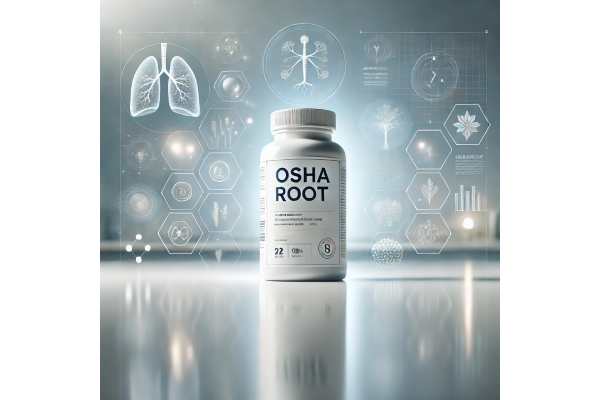
Osha root, the aromatic root of the mountain plant Ligusticum porteri, has been used for generations by Indigenous communities of the Rocky Mountain and Southwest regions. Often called “bear root,” it is best known as a traditional remedy for respiratory discomfort, seasonal colds, and throat irritation. Today, osha appears in tinctures, teas, syrups, and lozenges marketed for immune and respiratory support.
Despite its long history of use, the modern scientific evidence for osha is still limited and mostly based on laboratory and animal studies, not large human trials. That means it should be approached with respect, realistic expectations, and careful attention to safety. This guide walks you through what is currently known about osha root: how it is traditionally used, what its main compounds do, where the evidence is promising, and where we still need better data. You will also find practical information about forms, typical product dosages, side effects, and who should avoid this herb.
Osha Root Key Insights
- Traditionally used to support respiratory comfort, soothe throats, and maintain normal mucus flow during seasonal challenges.
- Contains aromatic and phenolic compounds that show antioxidant and immune-modulating activity in laboratory studies.
- Many products suggest about 2–6 mL of osha tincture up to three times daily, but no standardized, evidence-based dosage has been established.
- Osha is not considered safe in pregnancy or breastfeeding and should be avoided by those with kidney or liver problems unless a clinician advises otherwise.
- People on multiple medications, with chronic illness, or with known plant allergies should consult a qualified professional before using osha root.
Table of Contents
- What is osha root
- How osha root works in the body
- Potential benefits of osha root
- How to take osha root
- Osha root side effects and risks
- What the research says about osha root
What is osha root
Osha (Ligusticum porteri) is a perennial plant in the carrot and parsley family (Apiaceae) native to high-altitude regions of the Rocky Mountains and parts of northern Mexico. Herbalists mainly use the root, which has a strong, spicy, celery-like aroma. It is often called “bear root” because wild bears have been observed digging and chewing the roots, especially after hibernation.
Traditionally, osha root has been used by Indigenous communities for respiratory complaints such as coughs, chest tightness, sore throat, and congestion. It has also been used as a general protective herb during seasonal illnesses, for digestive upset such as gas or cramping, and as a ceremonial and cleansing plant.
Key characteristics of osha root include:
- Aromatic volatile oils that give it a warming, pungent taste
- Phthalides and other phenolic compounds that may influence smooth muscle tone and inflammation
- A long ethnobotanical history but relatively sparse modern clinical data
It is important to distinguish osha from highly toxic lookalike species, such as poison hemlock and water hemlock, which share a similar appearance and habitat. Because misidentification can be life-threatening, experts generally recommend purchasing osha from reputable suppliers rather than harvesting in the wild, especially if you are not deeply trained in botany and plant identification.
Osha is often marketed as:
- Single-herb tinctures or extracts
- Dried root pieces for tea and decoctions
- Powders and capsules
- Blends with other respiratory herbs such as mullein, thyme, or licorice
While osha remains popular in herbal traditions, it is not an essential nutrient and should not be considered a replacement for medical treatment when you are seriously ill.
How osha root works in the body
Most of what is known about how osha root works comes from laboratory research and traditional use, not from large human trials. Several groups of compounds appear to contribute to its actions:
- Volatile (essential) oils: These aromatic molecules give osha its characteristic smell and warming effect. In many aromatic herbs, volatile oils help loosen mucus, stimulate saliva and secretions, and support a feeling of freer breathing.
- Phthalides (such as Z-ligustilide and related molecules): These are also found in other Apiaceae plants. In lab models, phthalides can relax smooth muscle and influence pathways related to inflammation and oxidative stress.
- Phenolic compounds and flavonoids: These typically contribute to antioxidant activity and may help protect cells from oxidative damage in vitro.
Laboratory experiments using osha root extracts have reported:
- Antioxidant effects in human immune cells under oxidative stress
- Modulation of immune cell activity, including changes in certain cytokine signals
- Cytotoxic activity against some cancer cell lines in culture (which is very preliminary and does not mean osha treats cancer in humans)
From a traditional perspective, practitioners often describe osha as:
- Warming and dispersing: Thought to help move “stagnant” mucus and support circulation to the lungs and throat.
- Aromatic and drying: Used when there is thick, boggy mucus rather than dry, irritated tissues.
- Stimulating: Sometimes used in small, repeated doses at the onset of seasonal respiratory discomfort.
It is crucial to emphasize that these mechanisms are partly theoretical and based on preclinical work. They suggest directions for future research but do not yet translate into proven clinical effects or standardized treatment protocols. For now, osha remains a traditional herbal ally whose mechanisms are only partially understood.
Potential benefits of osha root
Osha root is mainly used in herbal practice for respiratory and immune support, with secondary uses for digestion and general resilience. Because high-quality human trials are lacking, these benefits should be seen as traditional or exploratory rather than established medical facts.
Commonly discussed potential benefits include:
- Respiratory support
Osha is frequently used at the first signs of seasonal colds or throat irritation. Herbalists choose it to help: - Promote comfortable breathing during seasonal challenges
- Support normal mucus flow and expectoration
- Soothe scratchy or irritated throats when used as a tea, tincture, or lozenge
- Immune and antioxidant support
In vitro studies suggest that osha extracts can modulate immune cell activity and reduce oxidative damage in human lymphocytes. This has been interpreted as potential support for immune balance and cellular protection, though actual effects in people remain unclear. - Digestive comfort
As an aromatic and mildly bitter root, osha is sometimes used for: - Occasional gas and bloating
- Feelings of fullness or sluggish digestion
- Stimulating appetite in convalescence
- Altitude and environmental stress
Traditional accounts describe osha root being chewed at higher altitudes to support breathing and adaptation. Some users report subjective benefits, but clinical data are not available. - Topical or first-aid use (traditional)
In some herbal first-aid contexts, osha has been used on minor bites, stings, or as a general cleansing herb. These uses are rooted in traditional practice and should not replace appropriate medical treatment for serious injuries or allergic reactions.
Because the evidence base is modest, osha should be viewed as a complementary herb, not a stand-alone treatment for infections, chronic lung disease, or immune disorders. If you have ongoing respiratory problems, frequent infections, or chronic illness, it is essential to work with a qualified healthcare professional and not rely solely on osha or any other single supplement.
How to take osha root
Osha root is available in several forms. Product strength varies, so always follow the directions on the label and the guidance of a qualified practitioner.
Common forms
- Tincture or liquid extract
Alcohol or glycerin-based extracts are widely used because they are convenient and preserve the aromatic compounds. Many products suggest somewhere in the range of about 2–6 mL up to three times per day, usually diluted in a small amount of water. Because there is no standardized therapeutic dose, these ranges are based on traditional practice and manufacturer experience rather than formal dose-finding studies. - Dried root for tea (decoction)
Osha root is woody and aromatic, so it is typically simmered rather than simply steeped. A common traditional method is: - Add roughly ½–1 teaspoon of chopped dried root to 1 cup (240 mL) of water.
- Simmer gently for 15–20 minutes with a lid.
- Strain and sip while warm, up to several times per day for short periods.
- Capsules or powders
Encapsulated root powder offers a convenient, taste-free option. Typical products provide a few hundred milligrams per capsule and recommend one to three capsules up to three times daily. Again, these suggestions are not evidence-based therapeutic doses but customary ranges. - Lozenges and syrups
These combine osha with other herbs and soothing ingredients such as honey. They are often used specifically for throat comfort and may be taken every few hours as directed, usually for a limited time.
General practical tips
- Start with the lower end of any dosage range, especially if you are new to osha or more sensitive to herbs.
- Use osha for short periods (days to a few weeks) rather than as a daily, long-term supplement unless a practitioner guides you otherwise.
- Because alcoholic tinctures contain ethanol, they may not be suitable for children, those with liver disease, or individuals avoiding alcohol for health or personal reasons.
- Avoid combining osha with many other strong herbs or supplements without professional guidance, particularly if you take prescription medications.
Remember that dosage needs can vary by age, weight, liver and kidney function, and coexisting conditions. If you have any chronic medical issue or take regular medications, discuss osha use with your healthcare provider before starting.
Osha root side effects and risks
Although osha has a long history of traditional use, its safety profile is not fully defined by modern research. Most reported side effects come from case reports, practitioner experience, and product labels rather than large-scale safety studies.
Possible side effects
- Digestive upset such as nausea, stomach discomfort, or loose stools, especially at higher doses
- Headache or a feeling of overstimulation in sensitive individuals
- Allergic reactions in people who are sensitive to plants in the carrot or parsley family (Apiaceae), such as celery, parsley, or fennel
Because osha is often taken as an alcoholic tincture, some side effects may be related to the alcohol itself, particularly if used frequently or in large amounts.
Organ and long-term safety
Product labels and some traditional sources caution that high or prolonged intake may stress the kidneys or liver, particularly in people with pre-existing kidney or liver disease. The long-term safety of daily osha use has not been well studied. For this reason, it is generally recommended that:
- People with kidney disease, a history of kidney stones, or chronic liver disease avoid osha unless a clinician specifically approves it.
- Osha is used for short, defined periods rather than indefinite daily use.
Pregnancy, breastfeeding, and hormonal concerns
Osha is widely considered unsafe during pregnancy. Historical sources describe it as a menstrual stimulant and abortifacient, and modern safety references advise avoiding it entirely in pregnancy. Because there is limited information on its passage into breast milk and effects on infants, most practitioners also recommend avoiding osha during breastfeeding.
Who should avoid osha root
- Pregnant individuals (contraindicated)
- Breastfeeding individuals, unless advised otherwise by an experienced clinician
- People with known kidney or liver disease
- Children, unless under the guidance of a pediatric practitioner trained in herbal medicine
- Anyone with a known allergy to Apiaceae-family plants or a prior reaction to osha
If you develop symptoms such as rash, difficulty breathing, facial or tongue swelling, severe abdominal pain, or dark urine after taking osha, seek immediate medical care and discontinue the herb.
What the research says about osha root
Compared with more widely studied herbs, osha has a small but growing body of modern research. Most studies involve test-tube experiments or cell cultures, with very limited data in humans.
Phytochemistry
Chemical studies of Ligusticum porteri roots have identified:
- Phthalides such as Z-ligustilide and related molecules
- Various phenolic compounds and flavonoids
- Aromatic constituents contributing to its strong odor and taste
These compounds are thought to underlie many of the herb’s traditional uses, particularly for smooth muscle relaxation and modulation of inflammation.
Cell culture and preclinical studies
Laboratory research has explored:
- Effects on human immune cells: Osha root extracts have shown antioxidant and immune-modulatory effects on human peripheral blood lymphocytes exposed to oxidative stress. In vitro, the extracts influenced markers of oxidative balance and some immune signaling molecules.
- Effects on leukemia cell lines: Extracts have demonstrated cytotoxic effects against certain human promyelocytic leukemia cells in culture, affecting cell viability and suggesting possible pro-apoptotic activity. These findings are hypothesis-generating and do not mean that osha treats leukemia in real-world patients.
- Neuromuscular and smooth muscle effects: Work on phthalides from osha and related plants indicates potential sedative or antispasmodic actions in experimental systems.
What is missing
- There are no well-designed, large randomized controlled trials evaluating osha for respiratory infections, asthma, chronic obstructive lung disease, or immune conditions.
- There is no standardized, evidence-based therapeutic dose, and pharmacokinetic data (how osha is absorbed, distributed, and cleared) in humans are sparse.
- Long-term safety, including liver and kidney effects, remains poorly characterized.
How to interpret the evidence
Taken together, the data suggest that osha root contains biologically active compounds with antioxidant, immune-modulatory, and smooth muscle effects in experimental models. This supports its traditional classification as a warming, aromatic respiratory and immune herb. However, the gap between cell-culture findings and real-life clinical benefit is large.
For now, osha is best regarded as:
- A traditional herbal ally with promising but unproven mechanisms
- A candidate for further research rather than a validated treatment
- An herb that should be used cautiously, in moderate amounts, and preferably under the guidance of an experienced practitioner, especially in people with underlying health conditions
If you are considering osha root, it is wise to view it as one small part of a broader health plan that includes medical evaluation, appropriate treatment, and lifestyle measures such as rest, hydration, and nutrition.
References
- Investigation of the cytotoxicity, antioxidative and immune-modulatory effects of Ligusticum porteri (Osha) root extract on human peripheral blood lymphocytes, 2016 (Laboratory Study).
- Effects of Ligusticum porteri (Osha) Root Extract on Human Promyelocytic Leukemia Cells, 2017 (Laboratory Study).
- Phthalides and other constituents from Ligusticum porteri; sedative and spasmolytic activities of some natural products and derivatives, 2011 (Phytochemical Study).
- Mexican plants and derivates compounds as alternative for antibiotics in human and veterinary medicine, 2021 (Review).
- Can Osha Root Really Fight Infections and Inflammation?, 2025 (Clinical Overview).
Disclaimer
The information in this article is intended for general educational purposes only and does not constitute medical advice, diagnosis, or treatment. Osha root is an herbal supplement with limited human research, and its safety and effectiveness for any specific condition have not been established. Do not use osha root to delay or replace consultation with a qualified healthcare professional, and do not change any prescribed medications or treatment plans without medical guidance. If you are pregnant, breastfeeding, have chronic illness, take regular medications, or have any concerns about potential interactions or side effects, speak with a licensed healthcare provider before using osha root or any other supplement.
If you found this article helpful, you are warmly invited to share it with others on Facebook, X (formerly Twitter), or any platform you prefer, and to follow our work on social media. Your support in sharing our content helps our team continue creating clear, carefully researched health resources for the community.