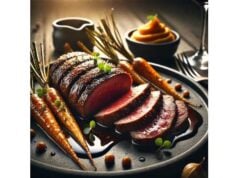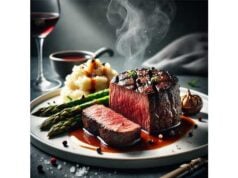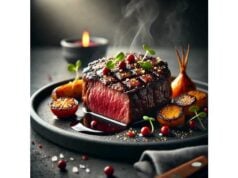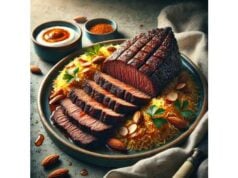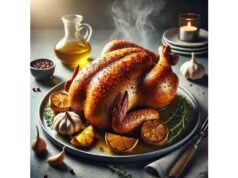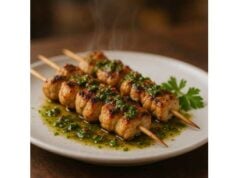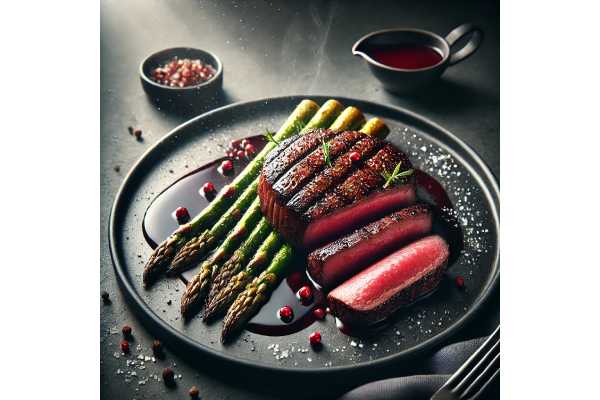
Ostrich is a distinctive “red” poultry: a bird whose deep-crimson meat cooks like lean beef yet belongs to the poultry family. Its appeal is simple—high protein, low fat, and a clean, mildly beef-like flavor that performs well in quick sears and gentle roasts. Per 100 g, lean ostrich commonly delivers around 22–24 g of complete protein with roughly 110–130 kcal and very little saturated fat. It also supplies bioavailable iron, zinc, and vitamin B12, nutrients many people under-consume. In the kitchen, ostrich stands in for extra-lean beef in stir-fries, tacos, burgers, skewers, and grain bowls; tender steaks from the fan fillet or top loin respond best to brief cooking and a short rest, while leg cuts excel in braises and kebabs. Because intramuscular fat is minimal, moisture management matters: avoid overcooking, use quick marinades, and keep heat moderate. From a health perspective, ostrich lets you diversify your protein rotation, especially if you prefer leaner meats or want a poultry option that behaves like steak. The sections below translate nutrition data and culinary science into clear, practical guidance.
Top Highlights
- Lean, high-protein meat: ~22–24 g protein and 110–130 kcal per 100 g.
- Not mammalian: a poultry option that may suit some who avoid red meat; still handle and cook like poultry for safety.
- Safety: cook all ostrich to 74 °C (165 °F) and avoid cross-contamination.
- Typical serving: 85–100 g cooked, enjoyed up to 2–3 times weekly within a varied, plant-forward pattern.
- Limit if you have gout, hemochromatosis, or are advised to restrict dietary iron or saturated fat.
Table of Contents
- Ostrich: Detailed Overview
- Ostrich Nutrition Profile (per 100 g)
- Evidence-Based Health Benefits
- Risks, Allergies and Interactions
- Selecting, Quality, Sustainability and Storage
- Preparation, Cooking and Nutrient Retention
- Portions, Comparisons and FAQs
Ostrich: Detailed Overview
Ostrich (Struthio camelus) is a ratite—an African flightless bird—whose meat is dark red due to higher myoglobin levels than chicken or turkey. While visually similar to beef, it remains a poultry product from a food-safety standpoint. That dual identity shapes how you cook and store it: treat it with poultry-level hygiene and doneness targets, but apply steak-like techniques to get tender, juicy results.
From nose to tail, common retail cuts include the fan fillet (a tender muscle from the thigh), top loin and tenderloin (for quick sears), inside and outside leg (versatile for kebabs, schnitzel, or braises), and trim for ground meat. The meat’s grain is fine, flavor clean and slightly sweet, with minimal marbling. That leanness is the culinary challenge and the nutritional advantage. Quick, moderate-heat sears on thin steaks help prevent dryness; for thicker cuts or cubes, braising or sous-vide followed by a brief sear works well. In minced preparations—burgers, kofta, meatballs—mix in a moisture-retaining ingredient (finely grated onion, soaked breadcrumbs, or chopped mushrooms) to avoid a dry texture.
Nutritionally, ostrich is notable for a high protein-to-calorie ratio and strong micronutrients: heme iron (oxygen transport), zinc (immune and enzyme function), selenium (antioxidant enzymes), and vitamin B12 (nerve health and red blood cell formation). Its cholesterol is moderate and total fat low compared with many red meats, yet flavor remains satisfying thanks to myoglobin and Maillard browning.
Culturally, ostrich has long been part of southern African foodways and is now raised in various regions. Availability varies by country; specialty butchers and online vendors often offer frozen steaks, medallions, and ground meat. Look for transparent labeling about species, origin, and processing. Because ostrich is lean and cooks fast, small errors in heat or time have outsized effects—one reason to favor thermometers and short rests.
Finally, think in terms of pattern: ostrich can complement a week that also includes fish, legumes, eggs, dairy, and plenty of vegetables and whole grains. This variety supports nutrient coverage and balances environmental and ethical priorities through diversified sourcing.
Ostrich Nutrition Profile (per 100 g)
Values below reflect lean raw ostrich muscle (typical retail cuts, trimmed). Nutrients per 100 g with % Daily Value (%DV) based on a 2,000-kcal reference diet. Actual values vary by cut, feed, husbandry, trimming, and cooking method.
Macros and Electrolytes
| Nutrient | Amount per 100 g | %DV |
|---|---|---|
| Energy | 120 kcal | — |
| Protein | 23.0 g | 46% |
| Total Fat | 2.0 g | 3% |
| Saturated Fat | 0.6 g | 3% |
| Carbohydrate | 0.0 g | 0% |
| Fiber | 0.0 g | 0% |
| Sodium | 55 mg | 2% |
| Potassium | 320 mg | 7% |
| Water | ~74 g | — |
Fats and Fatty Acids
| Fatty Acid Category | Amount per 100 g | Notes |
|---|---|---|
| Monounsaturated Fat | ~0.7 g | Predominantly oleic acid. |
| Polyunsaturated Fat | ~0.6 g | Mix of omega-6 (linoleic) and modest omega-3. |
| Omega-3 (ALA + long-chain) | ~0.1 g | Varies with diet and pasture access. |
| Cholesterol | ~58 mg | No %DV established; moderate among meats. |
Protein and Amino Acids
| Item | Detail |
|---|---|
| Protein Quality | Complete protein with all essential amino acids; leucine and lysine content supports muscle protein synthesis. |
| Collagen | Low in tender cuts; slightly higher in leg muscles used for braises. |
Vitamins
| Vitamin | Amount | %DV |
|---|---|---|
| Vitamin B12 (cobalamin) | 2.8 µg | 117% |
| Niacin (vitamin B3) | 6.0 mg | 38% |
| Vitamin B6 (pyridoxine) | 0.35 mg | 21% |
| Riboflavin (vitamin B2) | 0.30 mg | 23% |
| Thiamin (vitamin B1) | 0.10 mg | 8% |
| Vitamin D | Trace | — |
Minerals
| Mineral | Amount | %DV |
|---|---|---|
| Iron (heme) | 3.0 mg | 17% |
| Zinc | 3.0 mg | 27% |
| Selenium | 25 µg | 45% |
| Phosphorus | 210 mg | 17% |
| Magnesium | 25 mg | 6% |
Bioactives and Phytonutrients
- Naturally contains creatine and carnosine (support short, intense efforts and pH buffering).
- Heme pigments (myoglobin) drive red color and rich browning flavors.
Glycemic and Acid–Base Metrics
- Glycemic impact: None (0 g carbohydrate).
- Acid load: Similar to other meats; balance plates with potassium-rich vegetables, legumes, and fruits.
Footnote: Values represent typical lean, raw muscle. Cooking methods, added fat, and sauces change totals. Processed products (jerky, sausages) often add sodium and sometimes fat; check labels.
Evidence-Based Health Benefits
High-quality protein in fewer calories.
Ostrich delivers around 23 g of complete protein per 100 g for roughly 120 kcal, a favorable protein-to-calorie ratio for active people, older adults preserving muscle, and anyone seeking filling meals without large energy loads. Pairing with fiber-rich sides (beans, leafy greens, whole grains) further boosts satiety and supports steady post-meal blood sugar responses.
Bioavailable iron without heavy fat.
As a dark-meat poultry, ostrich offers heme iron in amounts comparable to many lean beef cuts while typically carrying less total fat. For individuals vulnerable to iron shortfalls—some adolescents, menstruating people, frequent blood donors, and endurance athletes—ostrich can contribute meaningfully to daily iron targets within moderate servings.
Zinc, selenium, and B vitamins for cellular work.
Zinc supports immune signaling and taste acuity; selenium participates in antioxidant enzymes; vitamin B12 sustains nerve function and red blood cell formation. Ostrich supplies these micronutrients in forms the body absorbs well, so smaller portions still “count.”
Lower saturated fat than many red meats.
Because intramuscular fat is low, swapping higher-fat meats with ostrich in burgers, stir-fries, or skewers can reduce saturated fat and total calories across the week without sacrificing the enjoyment of a “steak-like” meal.
A steak experience for those limiting mammalian meat.
Ostrich is avian, not mammalian. Individuals who limit mammalian red meat for personal, cultural, or medical reasons may appreciate a poultry option that sears and tastes similar to lean beef. That said, safety rules follow poultry, not steak; use poultry-level hygiene and doneness.
Performance-supporting compounds.
Meat-specific bioactives like creatine and carnosine can modestly support high-intensity performance and buffering capacity. Diet supplies complement what the body synthesizes and may be useful around strenuous training blocks.
Culinary versatility fosters dietary variety.
Dietary variety predicts micronutrient adequacy over time. Ostrich slots into cuisines ranging from South African braais to Mediterranean skewers and Asian stir-fries, helping rotate proteins through different flavor profiles, cooking methods, and side dishes.
How to capture these benefits: Choose lean cuts; season simply; cook gently and briefly; build meals with vegetables, legumes, and whole grains; and keep weekly portions moderate.
Risks, Allergies and Interactions
Food safety first (avian meat rules apply).
Treat ostrich as poultry for handling and doneness. Keep raw meat below 4 °C (40 °F), separate it from ready-to-eat foods, sanitize boards and tools, and cook all ostrich to 74 °C (165 °F) measured at the center with a digital thermometer. Chill leftovers within two hours and reheat to steaming hot. These steps reduce risks from common poultry pathogens.
Portion size and overall pattern.
Even lean meats should fit within a diverse, plant-forward diet. Limit processed ostrich (jerky, cured sausages) because of added sodium and preservatives, and emphasize minimally processed cuts prepared with modest oil and plenty of produce.
Gout and purines.
Like other meats, ostrich contains purines that can increase uric acid in susceptible people. Those with gout should keep portions small, hydrate well, and balance plates with fiber-rich sides.
Iron overload considerations.
Ostrich provides absorbable heme iron. Individuals with hemochromatosis or medically advised iron restriction should moderate intake and coordinate with their clinician.
Allergy context.
Ostrich is avian, not mammalian. Alpha-gal syndrome (a tick-related reaction to a mammalian carbohydrate) typically involves beef, pork, lamb, and other mammalian meats; poultry is often tolerated. Still, anyone with severe food allergies should introduce new meats cautiously and under professional guidance.
High-heat byproducts.
Charring and very high-temperature frying produce heterocyclic amines and polycyclic aromatic hydrocarbons. Reduce formation by marinating with herbs or acidic ingredients, trimming burnt spots, and favoring moderate heat or moist cooking.
Medication timing.
Iron-rich meals may reduce absorption of certain medications (for example, some antibiotics). A simple safeguard is to separate the drug and an iron-rich meal by a few hours as directed by a pharmacist or clinician.
Who should limit or avoid ostrich:
- People with gout during active flares.
- Individuals with iron overload disorders without clinician approval.
- Anyone with diagnosed poultry allergy.
- Pregnant individuals unless the meat is fully cooked and handled safely.
Selecting, Quality, Sustainability and Storage
How to choose quality ostrich at purchase
- Appearance: Deep ruby-red with a fine, tight grain. Minimal surface moisture; no stickiness or off odors.
- Cut selection:
- Fan fillet/top loin/tenderloin: tender, best for quick sears and medallions.
- Inside or outside leg: versatile for kebabs, schnitzel, stir-fries, or braises.
- Trim/ground: for burgers, meatballs, kofta, and sauces.
- Fat trimming: Visible external fat is usually sparse. Keep a thin layer for cooking protection; trim excess after cooking if needed.
Label literacy
- Species and origin: Look for “ostrich (Struthio camelus),” country of origin, and clear processor information.
- Frozen vs fresh: Frozen steaks and medallions are common; check for rock-solid texture and absence of ice crystals.
- Additives: Plain cuts should list only meat; processed items may include salt, seasonings, or curing agents—compare sodium per 100 g.
Sustainability lens
- Diversified protein rotation: Alternating ostrich with legumes, fish, eggs, and other lean proteins spreads environmental impacts and supports nutrient breadth.
- Use the whole cut: Buy larger pieces to portion at home; reserve trimmings for mince and use bones (if available) for stock to reduce waste.
- Local sourcing: When possible, choose producers with transparent welfare and feed practices and short supply chains.
Storage and shelf life
- Refrigerate at ≤4 °C (≤40 °F): whole cuts 1–2 days; ground ostrich 1 day; cooked leftovers 3–4 days.
- Freeze at ≤−18 °C (≤0 °F): whole cuts 6–12 months for best quality; ground 3–4 months; cooked dishes 2–3 months.
- Thaw safely: In the refrigerator (best), in cold water with sealed packaging (change water every 30 minutes), or in the microwave followed by immediate cooking.
- Refreezing: Acceptable for raw meat thawed in the refrigerator; expect minor texture loss.
Smart shopping ideas
- Start with a tender cut (fan fillet medallions) to learn doneness cues.
- Batch-buy when on sale; portion steaks (150–170 g each) with date labels.
- For weeknights, keep ground ostrich in the freezer for quick tacos, lettuce wraps, or meatballs.
Preparation, Cooking and Nutrient Retention
Maximize juiciness in a very lean meat
- Pat dry and season simply. Salt shortly before cooking; add cracked pepper, garlic, or herbs to taste.
- Use moderate heat. Ostrich browns quickly; an aggressive sear can overcook the interior before the surface colors.
- Mind thickness. Thin steaks (1–2 cm) cook in minutes; thicker medallions benefit from a brief oven finish after a light sear.
Marinade and moisture tips
- Short acidic marinades (30–60 minutes with citrus, yogurt, or vinegar) loosen surface proteins and add flavor. Include 1–2 teaspoons of oil per 450 g meat to distribute heat and improve browning.
- For ground dishes, mix in moisture keepers (finely grated onion, chopped mushrooms, soaked breadcrumbs) and avoid overworking the mince.
Methods matched to cuts
- Quick sear: Fan fillet medallions or top loin steaks, cooked swiftly and rested 3–5 minutes.
- Stir-fry: Leg strips sliced across the grain; cook in small batches to avoid steaming.
- Braise: Leg cubes simmered gently in tomato, wine, or stock until fork-tender; skim fat and reduce the sauce to capture water-soluble nutrients.
- Grill: Skewers of leg meat with vegetables; keep flames moderate to limit charring.
Food safety temperatures
- For best safety, cook all ostrich to 74 °C (165 °F) and verify with a digital thermometer inserted into the thickest part. Color is not a reliable indicator. Rest cooked pieces briefly to allow juices to redistribute.
Retain nutrients while cooking
- Keep the juices. Pan drippings and braising liquids contain iron, zinc, and B vitamins—reduce into sauces rather than discarding.
- Gentle heat and larger pieces minimize moisture and micronutrient loss.
- Avoid repeated reheats. Cool quickly, store safely, and reheat only what you will eat.
Flavor pairings that shine
- Spices and herbs: Cumin, coriander, smoked paprika, black pepper, rosemary, thyme, and chili.
- Acids and aromatics: Lemon, lime, balsamic vinegar, tomato, pomegranate molasses, garlic, ginger, and scallions.
- Fresh finishes: Parsley, cilantro, mint, or a squeeze of citrus cut richness and brighten plates.
Common pitfalls
- Overcooking (dry texture), insufficient seasoning for very lean cuts, high flame leading to char, and skipping the rest period. A thermometer is your most valuable tool.
Portions, Comparisons and FAQs
Recommended portions and frequency
A practical cooked serving is 85–100 g (3–3½ oz), about a deck of cards. Most adults can enjoy ostrich 2–3 times per week within a balanced pattern that also includes fish, legumes, eggs, dairy, and plenty of vegetables and whole grains. Adjust portions to your energy needs and goals.
How does ostrich compare to beef, chicken, and turkey?
- Protein: Comparable to lean beef and skinless poultry.
- Fat and calories: Typically lower than many beef cuts; similar to very lean beef or turkey breast, depending on the cut.
- Micronutrients: Strong in heme iron and B12 (often higher than chicken or turkey breast), with useful zinc and selenium.
- Culinary behavior: Sears and browns like steak; cooks faster than beef because it is very lean.
Is ostrich considered “red meat”?
Scientifically it is avian (poultry), but its high myoglobin makes it red in color and “steak-like” in cooking behavior. Guidance that targets mammalian red meat (beef, pork, lamb, goat) does not automatically apply to ostrich, though the general principles of moderation and limiting processed meats still hold.
What about cholesterol and heart health?
Ostrich is low in saturated fat compared with many red meats. Keep portions modest, trim visible fat, cook with small amounts of unsaturated oils, and build the plate around vegetables, legumes, and whole grains.
Is it suitable for athletes or weight management?
Yes. Ostrich offers a high protein-to-calorie ratio. Combine with carbohydrates around training and with fiber-rich sides at other meals to support both performance and appetite control.
Can people with alpha-gal syndrome eat ostrich?
Alpha-gal typically affects mammalian meats. Many with alpha-gal tolerate poultry; however, introduce any new food cautiously and follow medical advice specific to your case.
Best beginner recipes
- Pan-seared fan fillet medallions with lemon-garlic pan sauce.
- Spiced ostrich kofta with cucumber-yogurt sauce and herb salad.
- Quick stir-fried leg strips with bell peppers, scallions, and ginger.
- Lean “steak” tacos with charred salsa and shredded cabbage.
Budget and availability tips
Buy frozen medallions or ground ostrich from reputable specialty vendors; portion and label at home. Blend half-and-half with mushrooms or lentils in sauces for economy and moisture.
References
- Cook to a Safe Minimum Internal Temperature 2024 (Guideline).
- Limit consumption of red and processed meat 2025 (Guideline).
- Nutrient requirements and feeding management for ostrich during breeding and production: A comprehensive review 2025 (Systematic Review).
- Nutritional Quality of Ostrich Meat, Edible Offal, and Fat Tissue 2024.
- The Composition of Fatty Acids in Ostrich Meat Influenced by Diet 2019.
Disclaimer
This article is educational and does not replace personalized medical advice, diagnosis, or treatment. Individual nutrition and food safety needs vary by age, health status, medications, allergies, and pregnancy. Consult a qualified healthcare professional or registered dietitian for guidance tailored to you.
If you found this guide helpful, please consider sharing it on Facebook, X (formerly Twitter), or any platform you prefer. Your support helps us continue producing clear, evidence-informed nutrition content.