Oyster mushrooms (Pleurotus ostreatus and close relatives) are prized for their fan-shaped caps, soft chew, and clean, savory flavor that browns beautifully in a hot pan. They cook in minutes, absorb seasonings readily, and stand up well in sautés, stir-fries, tacos, risottos, and noodle bowls. Nutritionally, they follow the pattern of cultivated mushrooms: very low in calories and fat, a useful source of fiber (including beta-glucans), modest protein, and notable amounts of potassium, copper, niacin, and riboflavin. They also contain ergothioneine, a distinctive antioxidant amino-acid derivative found in fungi. When grown with ultraviolet (UV) exposure, mushrooms can provide vitamin D2; some packaged products are labeled with micrograms per serving. For home cooks, oysters are approachable: trim, tear, and cook hot to capture their meaty texture. For health-minded eaters, they offer an easy way to add volume and umami to meals while keeping energy density low. This guide brings together how to choose, store, and cook oyster mushrooms, what their nutrition really looks like, the evidence for potential benefits, and the few risks to keep in mind.
At a Glance
- Adds fiber, potassium, and B vitamins with ~33 kcal per 100 g; meaty texture aids plant-forward cooking.
- Typical cooked portion 75–100 g (about 1–1½ cups) two to four times per week as part of a varied diet.
- Consider UV-labeled products if you want vitamin D2; amounts vary by producer and processing.
- Avoid if you have known mushroom allergy or significant intolerance to fermentable fibers; always cook thoroughly.
- People on strict low-purine diets or with severe histamine intolerance may need to moderate intake.
Table of Contents
- Oyster mushroom detailed overview
- Oyster mushroom nutrition profile
- Evidence-based health benefits
- Risks, allergies and interactions
- Selecting, quality, sustainability and storage
- Preparation, cooking and nutrient retention
- Portions, comparisons and FAQs
Oyster mushroom detailed overview
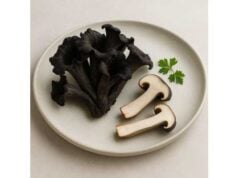
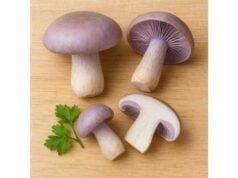
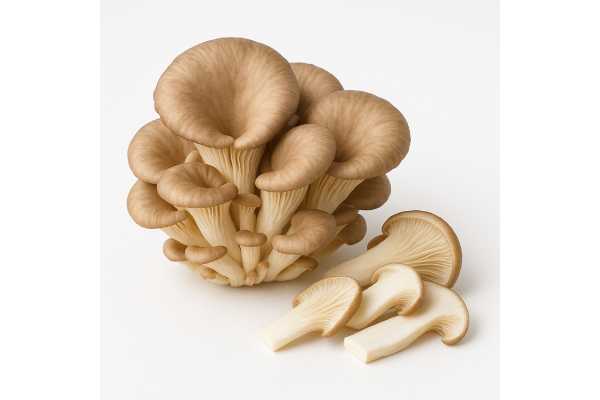
What they are. Oyster mushrooms are a group of edible fungi (most commonly Pleurotus ostreatus) cultivated worldwide on pasteurized straw, sawdust, or agricultural by-products. Caps range from dove-gray to pearl, tan, yellow, pink, or blue depending on variety, with thin, decurrent gills that run down short stems. They grow in shelf-like clusters and are naturally low in moisture compared with some mushrooms, which helps them sear rather than steam.
Why cooks love them. When torn into strips and hit with high heat, oysters deliver deep browning, concentrated umami, and a tender-meaty chew that makes them a popular stand-in for chicken or pork in tacos, sandwiches, and stir-fries. The caps drink in pan juices and sauce, so a small portion perfumes a whole dish. Because they contain almost no saturated fat or sodium, they’re a smart way to add satisfaction without heaviness. Their mild flavor plays well with aromatics like garlic, ginger, scallions, thyme, or smoked paprika.
How they compare within the mushroom aisle. Versus button or cremini, oysters have fewer stems to trim and a silkier, less rubbery bite. Against shiitake, they’re milder and cook faster. Compared with enoki or nameko, they bring more surface area for browning and a heartier texture for pan cooking or roasting.
Nutrition signals. Like other cultivated mushrooms, oysters provide fiber (including beta-glucans), potassium, copper, niacin (B3), and riboflavin (B2). They also contain ergothioneine, a sulfur-containing antioxidant amino acid characteristic of fungi. UV-exposed cultivated mushrooms can provide vitamin D2; check labels for micrograms per serving if that’s a goal.
Everyday uses. Tear into strips for rapid weeknight sautés; roast on a sheet pan until crisped at the edges; sear and deglaze with stock for a fast pan sauce; or braise briefly in miso-ginger broth and spoon over rice and greens. Because the gills hold seasoning, a little sauce goes a long way.
Oyster mushroom nutrition profile
How to read this section. Values below describe raw oyster mushrooms per 100 g, rounded to sensible precision. % Daily Value (%DV) assumes general adult reference intakes. Cooking concentrates or dilutes some nutrients depending on method. Vitamin D2 is only meaningful when mushrooms are UV-exposed; if unlabeled, assume minimal vitamin D.
Macros and electrolytes (per 100 g, raw)
| Nutrient | Amount | %DV |
|---|---|---|
| Energy | 33 kcal | — |
| Water | ~89 g | — |
| Protein | 3.3 g | 7% |
| Total carbohydrate | 6.1 g | 2% |
| Dietary fiber | 2.3 g | 8% |
| Total sugars | ~1.1 g | — |
| Total fat | 0.4 g | 1% |
| Sodium | 18 mg | 1% |
| Potassium | ~420 mg | 9% |
Carbohydrates
| Component | Amount | Notes |
|---|---|---|
| Fiber (total) | 2.0–2.5 g | Includes beta-glucans and chitin; helps fullness |
| Starch | ~0 g | Mushrooms store little starch |
| Free sugars | ~1.1 g | Mainly mannitol and small amounts of glucose |
Fats and fatty acids
| Component | Amount | %DV |
|---|---|---|
| Saturated fat | ~0.06 g | 0% |
| Monounsaturated fat | ~0.03 g | — |
| Polyunsaturated fat | ~0.12 g | — |
| Cholesterol | 0 mg | 0% |
Protein and amino acids (selected, per 100 g)
| Amino acid | Amount |
|---|---|
| Glutamic acid (free + bound) | ~0.4 g |
| Aspartic acid | ~0.3 g |
| Leucine | ~0.13 g |
| Lysine | ~0.12 g |
Vitamins (per 100 g)
| Vitamin | Amount | %DV |
|---|---|---|
| Niacin (B3) | ~5.0 mg | 31% |
| Riboflavin (B2) | ~0.35 mg | 27% |
| Pantothenic acid (B5) | ~1.3 mg | 26% |
| Thiamin (B1) | ~0.13 mg | 11% |
| Folate (DFE) | ~38 µg | 10% |
| Vitamin D2* | 0–20 µg | 0–100% |
Minerals (per 100 g)
| Mineral | Amount | %DV |
|---|---|---|
| Potassium | ~420 mg | 9% |
| Phosphorus | ~120 mg | 10% |
| Copper | ~0.2–0.3 mg | 22–33% |
| Selenium | ~5–10 µg | 9–18% |
| Iron | ~1.3 mg | 7% |
| Magnesium | ~18 mg | 4% |
| Zinc | ~0.8 mg | 7% |
| Calcium | ~3 mg | 0% |
Bioactives / phytonutrients
- Beta-glucans: Viscous fibers that can modestly support healthy cholesterol and post-meal glucose responses when part of a balanced diet.
- Ergothioneine and glutathione: Antioxidant compounds typical of edible fungi.
- Lovastatin (mevinolin) in culture: Pleurotus species can produce lovastatin under specific growth conditions; culinary mushrooms contribute trace amounts relative to medications.
Footnote on vitamin D2: UV-exposed cultivated mushrooms can supply 10–20 µg vitamin D2 per 100 g; unlabeled products usually provide little. Cooking retains most vitamin D2 when UV-treated mushrooms are used.
Allergens and intolerance markers
- FODMAPs and chitin: Fermentable carbohydrates and chitin may cause bloating in sensitive individuals; thorough cooking and moderate portions improve tolerance.
- Allergen notes: People with mushroom allergy should avoid or trial only under medical advice.
Evidence-based health benefits
1) Satisfying, lower-calorie swaps. Per 100 g, oysters provide ~33 kcal with almost no saturated fat or cholesterol. Swapping part of a dish’s meat, cream, or refined starch for sautéed oyster mushrooms reduces energy density while keeping savory depth. In practice, replacing 100 g of cream-based sauce with 100 g of browned oysters can trim well over 100 kcal—yet the dish still feels rich thanks to umami and texture.
2) Supportive nutrients for everyday patterns. Oyster mushrooms contribute potassium (≈420 mg/100 g), copper (≈0.2–0.3 mg), and B vitamins (notably niacin and riboflavin). Potassium helps counterbalance sodium in blood-pressure-friendly eating. Copper supports enzymes involved in energy metabolism and antioxidant defense. While mushrooms aren’t multivitamins, frequent use nudges meals toward nutrient density.
3) Beta-glucans and cardiometabolic markers. Dietary patterns that include higher-fiber foods are linked with improved cholesterol and post-meal glucose responses. Oyster mushrooms supply beta-glucans—soluble fibers that increase viscosity in the small intestine, slowing carbohydrate absorption and binding bile acids. Human trials with Pleurotus show promising, though mixed and methodologically limited, improvements in lipids and fasting glucose when mushrooms replace less healthy foods. Think of oysters as one fiber-rich component of a broader pattern (vegetables, legumes, whole grains) rather than a standalone fix.
4) Ergothioneine: a fungal antioxidant. Mushrooms are reliable food sources of ergothioneine, which is transported into human tissues by a dedicated carrier. Observational and mechanistic research continues to explore its roles in oxidative stress and cell protection. Including mushrooms regularly diversifies antioxidant intake alongside colorful plants; oysters add to that portfolio.
5) Vitamin D2 potential—when labeled UV-exposed. UV-treated mushrooms can provide meaningful vitamin D2 that largely withstands home cooking and storage (for dried products). If you see labeled amounts (e.g., 10 µg per serving), those can contribute to daily intake—useful in winter or for people with limited sun exposure. Unlabeled oysters are not reliable vitamin D sources.
6) Indirect benefits: cooking pleasure and salt reduction. Oysters develop intense browning and umami, letting you use less salt and added fat while still delivering flavor. For many home cooks, that makes plant-forward meals more satisfying and repeatable—an overlooked but real health advantage.
Set expectations. Oyster mushrooms are culinary allies. They help you build flavorful, high-volume, lower-calorie plates and can modestly support cardiometabolic goals when they displace less healthy elements. They are not substitutes for prescribed medications or a balanced diet.
Risks, allergies and interactions
Allergy and intolerance
- Mushroom allergy: Uncommon but possible; symptoms may include oral itching, hives, or, rarely, systemic reactions. If you’ve reacted to edible fungi, avoid oysters or consult an allergist before trying them again.
- Digestive sensitivity: Mushrooms contain fermentable carbohydrates and chitin that can cause bloating or gas in sensitive individuals. Cooking thoroughly and keeping portions moderate (75–100 g cooked) usually helps.
Food safety
- Cook before eating. Heat improves digestibility and reduces microbial risk; raw consumption can cause stomach upset.
- Storage hygiene: Refrigerate promptly in a breathable container; avoid slime, sour odors, or dark wet patches. Cooked mushrooms are perishable—cool quickly and refrigerate; reheat to steaming hot.
- Wild look-alikes: If foraging, only harvest with expert guidance; stick to cultivated oysters from trusted vendors if you’re not highly experienced.
Medication and condition considerations
- Anticoagulants/antiplatelets: Typical culinary servings are compatible. Avoid high-dose mushroom extracts unless your clinician agrees.
- Gout/hyperuricemia: Mushrooms are moderate in purines; distribute intake and keep portions modest if you’re highly sensitive.
- Histamine intolerance: Some individuals report symptoms with certain mushrooms; test tolerance cautiously.
Special populations
- Pregnancy, lactation, immunocompromised: Culinary amounts of properly cooked cultivated oysters are generally acceptable; ensure freshness, cook fully, and avoid questionable leftovers.
- Children: Offer well-cooked, small pieces; avoid raw textures and strong chile heat on first exposures.
Selecting, quality, sustainability and storage
How to choose high-quality oysters
- Appearance: Firm, springy caps with intact edges; creamy-white gills; minimal bruising.
- Color cues: Gray, beige, blue, pink, and yellow varieties should be vibrant—not dull or browned.
- Cluster structure: Tight clusters with dry (not slimy) bases signal freshness. A little substrate at the base is normal and trims away easily.
- Aroma: Clean and mushroomy; avoid sour or fishy notes.
Sustainability snapshot
- Efficient cultivation: Oysters grow on pasteurized agricultural residues (straw, sawdust), turning low-value inputs into food with a small land and water footprint.
- Local opportunities: Many regions host small oyster farms, reducing transport emissions and increasing freshness.
- Waste reduction: Stems and imperfect caps are excellent in stocks, duxelles, and dumpling fillings; freeze cooked leftovers for future sauces.
Storing for peak texture and flavor
- Refrigerate dry. Keep unwashed in a paper bag or ventilated box at 1–4 °C (34–39 °F). Avoid sealed plastic, which encourages slime.
- Use soon. Best within 3–5 days; quality declines after a week.
- Do not soak. Waterlogging erases browning potential. If dirty, brush or wipe; rinse quickly only if needed, then pat dry well.
Buying formats
- Fresh clusters: Best texture and browning.
- Pre-sliced or broken pieces: Great for soups and quick sautés; use promptly.
- Dried slices: Concentrated flavor for broths and sauces; store airtight away from light and heat for up to 12 months.
- Ready-to-cook kits: Home-grow blocks can provide multiple flushes; follow sanitation and harvesting guidance for quality.
Preparation, cooking and nutrient retention
Prep essentials
- Trim the base. Remove tough, fibrous cluster ends.
- Tear, don’t chop. Hand-tearing follows the grain, creating fringed edges that brown deeply.
- Dry thoroughly. Surface moisture blocks searing; pat dry before the pan.
High-heat techniques that shine
- Cast-iron sauté: Heat pan until very hot, add a thin oil film, then mushrooms in a single layer. Press lightly with a spatula for maximal contact; flip once. Finish with garlic, herbs, and a splash of stock or wine to glaze.
- Sheet-pan roast: Toss with oil and salt, roast at 220 °C / 425 °F for 12–18 minutes, stirring once; edges should crisp.
- Stir-fry: Add near the start to brown, then return at the end to re-glaze after vegetables release moisture.
- Quick braise: Simmer briefly in miso-ginger broth or tomato-thyme sauce; stop while caps are still springy.
Retention and practicality notes
- Water-soluble nutrients (B vitamins, potassium) move into cooking liquid—serve sauces and broths rather than discarding.
- Vitamin D2 is well-retained in UV-treated mushrooms during typical home cooking and can endure in dried products stored properly.
- Sodium stewardship: Oysters’ umami lets you reduce added salt; brighten with citrus, herbs, or a splash of vinegar at the end.
Flavor templates
- Smoky-paprika tacos: Crisp torn oysters, add smoked paprika, cumin, lime; serve with cabbage and salsa.
- Garlic-thyme pan sauce: Sear oysters, add shallot and thyme, deglaze with stock, mount with a knob of butter.
- Sesame-ginger noodles: Stir-fry with bok choy and scallions; finish with soy, rice vinegar, and toasted sesame.
- Risotto finisher: Fold roasted oysters and parsley into lemony risotto; top with extra-virgin olive oil.
Portions, comparisons and FAQs
Suggested portions and frequency
- Cooked serving: 75–100 g (about 1–1½ cups).
- Frequency: Two to four times weekly fits well in plant-forward patterns; rotate with other vegetables and mushrooms.
How oysters compare (per 100 g, raw, typical values)
- Calories: Oyster ~33 kcal; button ~22 kcal; shiitake ~34 kcal; enoki ~29 kcal.
- Fiber: Oyster ~2.3 g; button ~1.0 g; shiitake ~2.0 g.
- Potassium: Oyster ~420 mg; button ~318 mg; shiitake ~304 mg.
- Texture: Oyster browns and shreds for a meaty feel; shiitake is chewier; enoki is delicate and crunchy.
Frequently asked questions
Can I eat oyster mushrooms raw?
Cook them. Heat improves digestibility and flavor and reduces the risk of stomach upset.
Do oysters contain vitamin D?
Only if the product is UV-exposed and labeled with vitamin D per serving. Standard cultivated oysters are usually minimal in vitamin D.
Are they a good protein source?
They contribute modest protein (~3.3 g/100 g). Pair with legumes, tofu, eggs, fish, or poultry for protein-rich meals.
What about cholesterol-lowering effects?
Pleurotus contains beta-glucans and, in culture, can produce lovastatin-type molecules; clinical data in humans suggest possible improvements in lipids and glucose when mushrooms are part of healthier swaps. Treat these as supportive, not therapeutic.
Can I freeze them?
Freeze after a quick sauté to drive off moisture. Cool, freeze on a tray, then pack in portions. Texture will be softer after thawing—best for sauces and soups.
Any special cleaning tips?
Avoid soaking. Brush or wipe; if you must rinse, do it briefly, then dry thoroughly before cooking.
References
- FoodData Central 2025 (Database)
- Effect of the Intake of Oyster Mushrooms (Pleurotus ostreatus) on Cardiometabolic Parameters—A Systematic Review of Clinical Trials 2020 (Systematic Review)
- Effect of Ultraviolet Light-Exposed Mushrooms on Vitamin D Status: Liquid Chromatography-Tandem Mass Spectrometry Reanalysis of Biobanked Sera from a Randomized Controlled Trial and a Systematic Review plus Meta-Analysis 2016 (Systematic Review and RCT Reanalysis)
- The Retention of Vitamin D2 and 25-Hydroxyvitamin D2 in Pulse UV-Irradiated Dried Button Mushrooms (Agaricus bisporus) after 12 Months of Storage 2023 (Study)
- Statins—From Fungi to Pharmacy 2023 (Review)
Medical Disclaimer
This article is for general education and does not replace personalized medical advice, diagnosis, or treatment. If you have a mushroom allergy, chronic illness, are pregnant, immunocompromised, or take prescription medications, consult a qualified healthcare professional before changing your diet or using mushroom-based supplements.
If you found this guide useful, please consider sharing it on Facebook, X (formerly Twitter), or your favorite platform. Your support helps us continue creating clear, reliable food and nutrition resources.