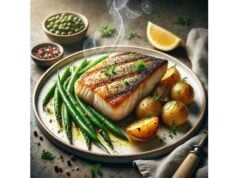
Pacific saury—known as sanma in Japan—packs bold, autumnal flavor into a slim, torpedo-shaped fish. It’s prized for smoky, blistered skin off the grill, rich oils that carry umami, and a nutrient profile built around marine omega-3s, protein, and key micronutrients. Saury is also a seasonal icon: fat content rises as fish feed and migrate, so taste and nutrition shift with the calendar. That same seasonality, plus international stock management, shapes availability and price. In the kitchen, saury thrives with simple, high-heat methods—salt-grilled, broiled, or pan-seared—though it’s also excellent canned, simmered, or cured. As a small, fast-growing pelagic fish, saury tends to be lower in mercury than many long-lived predators. Still, raw service calls for parasite controls, and sustainability considerations matter as the North Pacific stock fluctuates. This guide walks you through saury’s nutrition per 100 g, science-based benefits, safety and allergy notes, smart purchasing and storage, and cooking techniques that keep flavor high while preserving nutrients.
Top Highlights
- Typical serving: 100–140 g fillet (one medium fish), one to two times weekly.
- Key benefits: rich in EPA and DHA omega-3s; satisfying protein with modest calories.
- Safety caveat: raw saury may carry Anisakis; use proper freezing or cook to safe temperatures.
- Who should limit or avoid: individuals with fish allergy and anyone advised to avoid raw fish (pregnancy, immunocompromise) should choose cooked saury.
Table of Contents
- Detailed Overview
- Nutrition Profile
- Evidence-Based Health Benefits
- Risks, Allergies and Interactions
- Selecting, Quality, Sustainability and Storage
- Preparation, Cooking and Nutrient Retention
- Portions, Comparisons and FAQs
Detailed Overview
Pacific saury (Cololabis saira) is a slender, schooling fish that ranges across the temperate North Pacific. In markets it’s usually sold whole, gleaming silver-blue with a pointed snout and translucent fins. Culinary traditions from Japan, Korea, China, and the Russian Far East celebrate saury in peak season: salted and grilled over charcoal, quickly broiled with a dusting of salt, simmered with soy and ginger, or canned in oil or its own juices. The hallmark is a crisped, blistered skin that crackles over juicy, savory flesh. Because saury’s fat content climbs before winter migrations, autumn fish tend to taste richer and carry more omega-3s than early-season fish.
Saury’s nutrition aligns with its flavor: it’s a marine oily fish, providing meaningful EPA and DHA. Compared with fattier icons like mackerel, it’s often a touch lighter in total fat per 100 g, but still delivers robust omega-3s in a modest portion. As a relatively small, short-lived fish that feeds low on the food chain, saury generally accumulates less mercury than large predators, making it suitable for most adults when cooked and eaten in moderation.
From a sustainability standpoint, saury is managed through regional bodies and national quotas. Annual catches can swing with ocean conditions—affecting availability, price, and fish size. Thoughtful buyers look for producers aligned with science-based harvest control rules and transparent traceability.
In everyday cooking, saury shines because it’s simple: scale (if desired), score the skin, salt lightly, and cook hot and fast. Its natural oils baste the flesh, and a squeeze of citrus balances richness. For meal prep, canned saury offers shelf-stable omega-3s for rice bowls, salads, and on-toast spreads.
Nutrition Profile
How to use this section: Values below are per 100 g edible portion. Saury’s fat varies by season and product (fresh vs. canned). Ranges reflect typical variability. %DV uses current adult reference intakes; “—” indicates no established %DV.
Macros and Electrolytes (per 100 g)
| Nutrient | Amount (typical) | %DV |
|---|---|---|
| Energy | 100–140 kcal | — |
| Protein | 19–25 g | — |
| Total fat | 3–8 g | 4–10% (78 g DV) |
| Saturated fat | 0.8–1.6 g | 4–8% (20 g DV) |
| Carbohydrate | 0 g | 0% |
| Total sugars | 0 g | — |
| Dietary fiber | 0 g | — |
| Sodium | 45–70 mg | 2–3% (2,300 mg DV) |
| Water | ~70–75 g | — |
Notes: Fresh, lean-season fish sit near the lower end of the fat and calorie ranges; late-season fish trend higher. Drained canned saury in oil has higher calories and fat; check labels.
Fats and Fatty Acids (per 100 g)
| Component | Amount (typical) | %DV/AI |
|---|---|---|
| EPA + DHA (omega-3) | ~1.0–2.5 g | — |
| Monounsaturated (incl. long-chain MUFA) | ~1–3 g | — |
| Omega-6 | ~0.1–0.3 g | — |
| Cholesterol | 70–110 mg | — |
Context: A single 100–150 g serving can supply well over 1 g EPA+DHA—enough to meaningfully raise weekly omega-3 intake.
Protein and Amino Acids
- Complete protein with all essential amino acids.
- A 120 g cooked portion typically yields 22–28 g protein with satisfying satiety.
Vitamins (per 100 g; typical)
| Vitamin | Amount | %DV |
|---|---|---|
| Vitamin B12 (cobalamin) | 4–10 µg | 167–417% |
| Niacin (B3) | 4–7 mg | 25–44% |
| Vitamin D | 3–8 µg (120–320 IU) | 15–40% |
| Vitamin B6 | 0.2–0.4 mg | 12–24% |
| Vitamin A (RAE) | 20–50 µg | 2–6% |
Tip: Actual B12 and D vary by fat level and handling; oily, late-season fish and canned products often test higher.
Minerals (per 100 g; typical)
| Mineral | Amount | %DV |
|---|---|---|
| Selenium | 35–60 µg | 64–109% |
| Phosphorus | 200–270 mg | 16–22% |
| Potassium | 350–500 mg | 7–11% |
| Iron | 1.2–2.0 mg | 7–11% |
| Calcium* | 25–140 mg | 2–11% |
| Zinc | 0.6–1.0 mg | 5–9% |
| Magnesium | 30–40 mg | 7–10% |
*Higher when bones are soft and consumed (pressure-cooked or canned).
Bioactives / Phytonutrients
- Taurine: naturally present in marine fish; may support bile acid conjugation and osmotic balance.
- Long-chain MUFA (C20:1, C22:1): characteristic of saury oil; present alongside EPA/DHA.
Allergens & Intolerance Markers
- Finfish allergen; cross-contact can occur at mixed seafood counters.
- Histamine formation is uncommon when cold chains are maintained, but temperature abuse can raise risk in any fish.
Contaminants / Residues
- Mercury: typically low to moderate for small pelagic fish; follow national fish-intake guidance for sensitive groups.
- Parasites: raw or undercooked saury can harbor Anisakis larvae (see Safety).
- Processing: smoked or canned products may add sodium; check labels.
Footnote: Tables reflect composite values across fresh and canned products; actual labels may differ. If you rely on exact macros, use the product’s Nutrition Facts.
Evidence-Based Health Benefits
1) Robust marine omega-3s for heart support
Saury delivers meaningful EPA and DHA in a modest portion. Diets that provide at least 250–500 mg/day of long-chain omega-3s are associated with favorable triglyceride levels and support normal heart rhythm. Because saury commonly supplies 1 g or more EPA+DHA per 100–150 g, it helps you meet weekly targets with fewer meals than lean white fish.
2) Protein with strong satiety at modest calories
Per 100 g, saury offers roughly 19–25 g protein. That density helps stabilize appetite between meals and supports lean mass when paired with strength training. Compared with fattier cuts of red meat, saury offers similar protein with a more favorable fat profile.
3) Vitamin B12 and vitamin D in food form
B12 supports red blood cell formation and nervous system function; vitamin D contributes to bone and immune health. Saury is a practical whole-food source of both—especially helpful for people who struggle to maintain B12 without supplements or whose sunlight exposure is limited.
4) Selenium-rich seafood for antioxidant defenses
Selenium helps build selenoproteins (like glutathione peroxidases) that protect cellular membranes from oxidative damage. A single serving of saury often reaches or exceeds the daily value, making it a compact way to meet needs.
5) Beneficial fatty acid pattern beyond omega-3s
In addition to EPA and DHA, saury contains long-chain monounsaturated fats (LC-MUFA). Early research suggests LC-MUFA may complement omega-3s in supporting healthy lipid metabolism. While evidence in humans is still developing, choosing a natural matrix that includes both is a reasonable strategy.
What these benefits are not
- Saury is not a mercury-free or risk-free food when raw; proper selection and handling remain essential.
- It is not a substitute for prescribed therapy; think of saury as part of an overall dietary pattern that includes vegetables, legumes, whole grains, and other proteins.
Practical pattern
- For most adults, one to two saury meals per week—rotated with other seafood—balances benefits with variety. Pair with fiber-rich sides (brown rice, buckwheat, leafy greens) and citrus or pickled garnishes to cut richness without heavy sauces.
Risks, Allergies and Interactions
Parasites (Anisakis) with raw service
Wild saury—like many marine fish—can contain Anisakis larvae. Freezing for parasite control or thorough cooking removes the infection risk, but allergic reactions to residual parasite proteins can still occur in rare cases even after freezing or cooking. If you enjoy saury raw, rely on reputable suppliers who follow freezing standards for parasite destruction. When serving at home, choose cooked methods unless you have verified sashimi-grade handling throughout the supply chain.
Microbial illness from temperature abuse
Keeping fish cold from catch to plate is critical. Transport saury home on ice, refrigerate at ≤4°C, and cook within 24–36 hours. Discard fish with sour, ammonia-like, or otherwise off odors.
Mercury and sensitive groups
Small pelagics like saury tend to be lower in mercury than long-lived predators, yet intake should still follow national fish-advice charts. People who are pregnant or breastfeeding and young children should emphasize low-mercury species and vary choices week to week.
Allergy
Saury is a finfish allergen; reactions can be severe. Those with known finfish allergy should avoid it unless cleared by an allergy specialist. Cross-contact is possible at seafood counters that handle multiple species.
Nutrient interactions
- Anticoagulation: high supplemental omega-3s can affect bleeding time; amounts from typical saury meals are generally safe, but coordinate with your clinician if you take anticoagulant therapy.
- Sodium: smoked or canned saury may be high in sodium; drained, water-pack or reduced-sodium versions help manage intake.
Bottom line on safety
Know your risk category. When in doubt, cook saury thoroughly and prioritize cold-chain integrity. Choose varied, low-mercury seafood across the week, and read labels on processed products for sodium and oils.
Selecting, Quality, Sustainability and Storage
How to choose quality saury
- Whole fish: look for bright, metallic skin; clear, bulging eyes; and firm flesh that springs back. Gills should be rosy, not brown.
- Odor: clean, oceany smell—never sour or ammonia-like.
- Size and season: autumn fish are often thicker and richer; early-season fish are leaner and cook even faster.
- Canned: check the ingredient list (fish, water or oil, salt). Prefer products with clear harvest information and moderate sodium.
Sustainability snapshot
- Saury stocks are managed regionally; catches and fish size can shift with ocean temperatures and prey availability. Science-based harvest control rules guide annual quotas, and fishery bodies monitor trends. As a consumer, moderate your purchase volume, rotate seafood choices, and favor producers who publish traceability details and align with current management decisions.
Storage and handling
- Refrigeration: hold whole saury on a rack over ice (0–2°C) with good drainage; cook within 24–36 hours.
- Freezing: wrap well in moisture-proof packaging; freeze promptly and use within 1–2 months for best texture.
- Thawing: slow-thaw in the refrigerator; pat dry before cooking. Avoid countertop thawing.
- Leftovers: cool quickly; refrigerate within two hours and use within 1–2 days.
Buying tips
- Ask when the fish arrived and whether it was previously frozen. Previously frozen saury can be excellent if processed at sea.
- For raw preparations, ask explicitly about parasite-control freezing and harvest documentation.
- Canned saury is a cost-effective pantry staple; it keeps omega-3s accessible year-round.
Smart substitutions
When saury is scarce or out of season, try Atlantic mackerel, Pacific mackerel, sardines, or herring for similar omega-3s and assertive flavor. For milder dishes, use trout or salmon belly and adjust cook times.
Preparation, Cooking and Nutrient Retention
Prep basics
- Scale (optional): scrape from tail to head. Saury skin crisps beautifully; keep it on.
- Score the skin: shallow diagonal cuts prevent curling and promote even browning.
- Salt lightly: 20–40 minutes ahead draws surface moisture for better crisping.
- Gutting: many traditional recipes grill whole, but for a gentler flavor, remove head and viscera before cooking.
High-heat methods that shine
- Shioyaki (salt-grilled): brush lightly with neutral oil, grill over medium-high heat 3–5 minutes per side until the skin blisters and flesh flakes. Finish with lemon or sudachi.
- Broil: set on a preheated rack close to the element; broil 4–8 minutes, flipping once.
- Pan-sear: heat a skillet until very hot; add 1–2 tsp oil; cook 2–4 minutes per side. Spoon rendered fat over the fish to baste.
Moist-heat and make-ahead
- Simmered (ni-tsuke style): ginger, soy, sake, and a touch of sugar create a glossy glaze; cook just until the bones begin to soften.
- Canned hacks: flake drained saury into miso-ginger soup, fold with shiso and lemon into rice bowls, or mash with yogurt and herbs for a spread.
Retention tips
- Keep cooking brief to protect omega-3s and B-vitamins; avoid over-rendering fat.
- Add acidic elements (citrus, vinegar) after cooking to brighten flavor without extended heat.
- If grilling, avoid flare-ups that char the skin excessively; heavy charring can create unwanted compounds.
Food safety
- Cooked serving temperature: fish turns opaque and flakes; an internal temperature near 63°C indicates doneness while preserving juiciness.
- Raw service: only from suppliers using validated parasite-control freezing. Keep fish at ≤4°C on crushed ice and serve immediately after slicing.
- Bones: saury contains fine pin bones—use tweezers after filleting, or cook whole and lift the frame away before serving.
Flavor pairings
- Citrus (lemon, sudachi, yuzu), grated daikon, scallion, shiso, ginger, miso, soy, sesame, gochugaru, and pickled vegetables.
- Starches: rice, buckwheat noodles, barley, or crusty bread to catch juices.
Portions, Comparisons and FAQs
What is a practical serving?
- One medium fish or a 100–140 g fillet. That typically provides 19–30 g protein and 1–2+ g EPA+DHA, depending on season and product.
How often should I eat saury?
- Most adults can enjoy saury once or twice per week within a varied seafood pattern emphasizing a mix of low-mercury species.
Is saury high in mercury?
- Saury is a small pelagic fish and is generally lower in mercury than long-lived predators. Sensitive groups should still follow national fish-advice charts and vary species.
Can I eat it raw?
- Yes, only if the fish has undergone proper parasite-control freezing and has been kept cold throughout. If you are pregnant, immunocompromised, or serving young children, choose cooked preparations.
Saury vs. mackerel vs. sardines
- Saury: slightly leaner on average than the oiliest mackerel, but still rich in omega-3s; assertive, smoky-friendly flavor.
- Mackerel: typically higher total fat; similar or higher omega-3s; bolder taste.
- Sardines: high omega-3s and calcium when bones are eaten; smaller portions; very sustainable.
Fresh or canned—nutrition differences?
- Canned in water: similar protein and omega-3s; sodium varies.
- Canned in oil: higher calories and fat; drain if desired.
- Fresh: seasonal fat swing; superb grilled flavor.
Any cooking tricks for crisp skin?
- Pat very dry, score lightly, salt ahead, and preheat the cooking surface. Don’t overcrowd the pan or grill.
References
- Advice about Eating Fish 2024 (Guidance)
- About Anisakiasis 2024 (Guidance)
- Ingestion of a single serving of saury alters postprandial levels of long-chain monounsaturated fatty acids in humans 2012 (Study)
- UPLC-ESI-MS/MS strategy to analyze fatty acids composition of fish oil and its application in Chinese aquatic products 2024 (Method/Analysis)
- Benefit-risk ratio of canned pacific saury (Cololabis saira) intake: Essential fatty acids vs. heavy metals 2017 (Study)
Disclaimer
This guide is educational and not a substitute for personalized medical advice, diagnosis, or treatment. Nutrient values vary by season, harvest area, and processing method. If you are pregnant, immunocompromised, or serving young children, choose cooked saury and follow national fish-intake guidance. For raw service, buy from reputable suppliers who use validated parasite-control freezing and maintain strict cold chains. Consult a qualified health professional for individualized advice on seafood frequency, mercury exposure, and allergies.
If this article helped you, please consider sharing it on Facebook, X, or any platform you prefer. Your support helps us continue creating clear, practical nutrition resources.