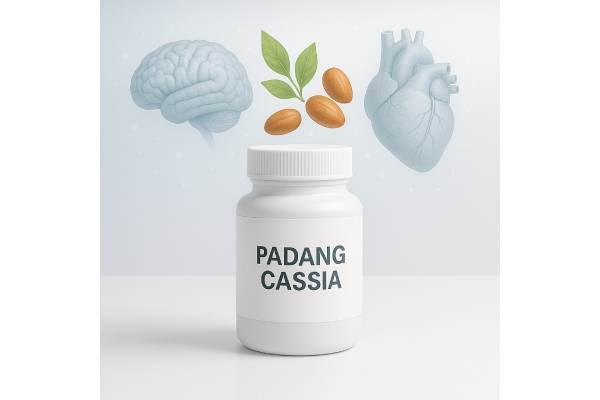
Padang cassia is a warm, aromatic spice that most people know simply as “cinnamon sticks” or “ground cinnamon,” especially in baking and hot drinks. In fact, Padang cassia refers specifically to Cinnamomum burmannii, an Indonesian cassia cinnamon that is rich in cinnamaldehyde and other polyphenols. It has a stronger, more robust flavor than delicate Ceylon cinnamon and is the main type used in many commercial products worldwide.
Beyond flavor, Padang cassia has a long history in traditional medicine for supporting digestion, blood sugar, and circulation. Modern research on cinnamon supplements, including cassia species, suggests modest benefits for fasting glucose, HbA1c, blood lipids, oxidative stress, and inflammatory markers when used alongside standard medical care.
However, Padang cassia is also naturally high in coumarin, a plant compound that can stress the liver when consumed in large daily amounts over time. This guide walks you through what Padang cassia is, how it works, realistic benefits, smart dosage ranges, and when it may be unsafe or better avoided.
Key Insights
- Padang cassia (Cinnamomum burmannii) is a cassia-type cinnamon rich in cinnamaldehyde and polyphenols that may modestly support blood sugar, cholesterol, and antioxidant defenses.
- Clinical trials of cinnamon show small but meaningful improvements in fasting glucose, HbA1c, and some blood lipids when used as an adjunct to diet, exercise, and medication rather than as a stand-alone treatment.
- Typical supplemental intakes range from 500–2,000 mg of cinnamon bark powder per day (about 0.5–2 g) for 8–12 weeks, preferably taken with meals.
- Because cassia cinnamon is high in coumarin, people with liver disease, bleeding disorders, pregnancy, children, and anyone taking anticoagulants or glucose-lowering drugs should only use Padang cassia under professional supervision.
Table of Contents
- What is Padang cassia and how does it differ from other cinnamon?
- Active compounds and key properties of Padang cassia
- Science backed benefits of Padang cassia
- How to use Padang cassia in food and supplements
- Recommended Padang cassia dosage for adults
- Side effects, interactions, and who should avoid Padang cassia
- Choosing quality Padang cassia and using it long term
What is Padang cassia and how does it differ from other cinnamon?
Padang cassia is the common trade name for Cinnamomum burmannii, a tree in the laurel family native to Indonesia and parts of Southeast Asia. The inner bark is harvested, dried, and rolled into sticks or ground into powder, creating the familiar “cinnamon” used in baking, hot drinks, and spice blends worldwide.
In global spice markets, most cinnamon sold in supermarkets is actually cassia cinnamon rather than true Ceylon cinnamon (Cinnamomum verum). Padang cassia is one of the major cassia types, alongside Chinese cassia (C. cassia) and Saigon cassia (C. loureiroi). These species share similar flavor and chemistry but differ in coumarin content, bark thickness, and aroma intensity.
Key ways Padang cassia differs from Ceylon cinnamon include:
- Botanical species: Padang cassia is Cinnamomum burmannii; Ceylon cinnamon is Cinnamomum verum.
- Flavor: Padang cassia has a stronger, spicier, and more “classic cinnamon” aroma; Ceylon is lighter and sweeter.
- Bark appearance: Cassia sticks usually form a single thick roll, while Ceylon sticks look like multiple thin layers rolled together.
- Coumarin content: Cassia bark, including Padang cassia, typically contains much higher coumarin levels than Ceylon cinnamon. Studies of ground cassia cinnamon show average coumarin contents in the low gram-per-kilogram range, whereas true Ceylon cinnamon contains only trace amounts.
Coumarin matters because European safety agencies have set a tolerable daily intake (TDI) of 0.1 mg coumarin per kg of body weight. For a 60 kg adult, that is about 6 mg per day over the long term. Based on typical coumarin levels, 1 teaspoon of cassia cinnamon powder can contain enough coumarin to meet or exceed this daily limit, especially in lighter adults or children.
In practice, that means Padang cassia is excellent as a flavoring and may offer health benefits, but it needs to be used with awareness of coumarin exposure if taken daily in medicinal doses.
Active compounds and key properties of Padang cassia
The health effects of Padang cassia come from a complex mixture of phytochemicals present in its bark and essential oil. Analyses of Cinnamomum burmannii bark and oil highlight several major components:
- Cinnamaldehyde: Often 60–70% of the essential oil. This aldehyde drives the characteristic aroma and many biological activities, including antimicrobial and insulin-sensitizing effects in experimental models.
- Trans-cinnamyl acetate, cinnamic acid, cinnamyl alcohol: These compounds contribute to flavor and may support vascular and metabolic effects.
- Coumarin: A fragrant lactone that provides part of the aroma but is also the primary safety concern at high intakes due to its potential liver toxicity in susceptible individuals.
- Polyphenols: Including procyanidins, flavonoids, and phenolic acids that give Padang cassia strong antioxidant capacity in laboratory and animal studies.
Laboratory and preclinical research suggests several core properties:
- Antioxidant: Extracts of C. burmannii bark show high total phenolic content and strong free-radical-scavenging activity, which can reduce markers of oxidative stress such as malondialdehyde (MDA) and support endogenous enzymes like superoxide dismutase (SOD).
- Anti-inflammatory: Ethanolic bark extracts reduce inflammatory responses and show analgesic and anti-inflammatory effects in animal models, though often less potent than standard anti-inflammatory drugs.
- Metabolic modulation: Cinnamon polyphenols appear to affect insulin signaling, glucose transport, and carbohydrate digestion enzymes, which may explain improvements in fasting glucose, HbA1c, and lipid profiles seen in some clinical trials.
- Cardiometabolic support: In dyslipidemic animals, C. burmannii bark extract has been shown to reduce total cholesterol, LDL, and triglycerides while increasing HDL, alongside antioxidative and anti-platelet effects.
These properties do not mean Padang cassia is a standalone therapy, but they support its use as a complementary ingredient in metabolic and cardiovascular health strategies, particularly when paired with diet and lifestyle changes.
Science backed benefits of Padang cassia
Most human research on cinnamon supplements does not distinguish clearly between different cassia species, but cassia types similar to Padang cassia are commonly used. Overall, the strongest evidence relates to blood sugar control, lipid profile, and markers of cardiovascular risk.
Blood sugar and HbA1c
Recent high-quality syntheses of randomized controlled trials show that cinnamon supplementation can modestly improve glycemic control in people with type 2 diabetes or polycystic ovary syndrome (PCOS). Across studies, cinnamon tends to:
- Lower fasting plasma glucose by a small but meaningful margin compared with placebo
- Produce modest reductions in HbA1c over several weeks to months
- Improve surrogate markers of insulin resistance, such as fasting insulin and HOMA-IR
These changes are not dramatic, but they are consistent enough to suggest that cinnamon, including cassia types like Padang cassia, can be a useful adjunct for glucose management when combined with diet, exercise, and prescribed medication.
Lipids and cardiovascular risk
Beyond glucose control, several analyses and specific C. burmannii studies support benefits for cardiovascular risk factors:
- Cinnamon supplementation has been linked to reductions in total cholesterol, LDL cholesterol, and triglycerides, with some improvement in HDL.
- In dyslipidemic animals, Cinnamomum burmannii bark extract has demonstrated improved lipid profiles, reduced oxidative stress, and beneficial effects on platelet aggregation, all of which may translate into better cardiovascular resilience over time.
Antioxidant and antiaging effects
Investigations into C. burmannii bark, both alone and in combination with other plants, demonstrate strong antioxidant capacity and possible “antiaging” effects in cellular and animal models. These effects appear to stem from reduced oxidative damage to lipids and proteins, support of endogenous antioxidant systems, and modulation of inflammatory pathways.
Digestive and anti-inflammatory support
Animal studies of C. burmannii extracts have found:
- Anti-inflammatory and analgesic effects at moderate doses
- Gastroprotective action from certain fractions that reduce gastric acid secretion and oxidative stress in stomach tissues
Human data on digestion and pain are more limited than metabolic outcomes, but traditional use as a warming digestive spice aligns with these preliminary findings.
Overall, the evidence suggests that Padang cassia, typically used as part of “cinnamon” supplements, offers:
- Modest improvements in fasting glucose and HbA1c
- Support for triglycerides and LDL cholesterol
- Antioxidant and anti-inflammatory actions that may help protect tissues over time
These benefits are additive—not curative—and should be integrated into a broader, medically supervised treatment plan.
How to use Padang cassia in food and supplements
Padang cassia can be used both as a culinary spice and as a concentrated supplement. The way you use it changes both its flavor and your exposure to its active compounds and coumarin.
Culinary uses
In the kitchen, Padang cassia is typically used as:
- Whole sticks simmered in stews, curries, compotes, or mulled drinks
- Ground powder added to oatmeal, smoothies, coffee, cocoa, or baked goods
- A component of spice blends such as pumpkin spice, chai blends, or garam masala
Culinary amounts are usually small—often a pinch to ¼–½ teaspoon at a time. Used occasionally, these amounts are unlikely to cause concern for most healthy adults and still contribute some antioxidant activity and pleasant flavor.
Because coumarin is more concentrated in cassia bark, frequent high use (for example, multiple teaspoons daily) can exceed long-term safety thresholds. Culinary use is best thought of as a flavorful bonus, not a therapeutic dose.
Herbal and traditional preparations
Traditional Indonesian and Southeast Asian practices often use:
- Cinnamon “stew” or decoction: Bark pieces simmered in water for 10–20 minutes, then strained and drunk as tea.
- Combination formulas: Padang cassia combined with ginger, clove, cardamom, or other herbs in warming tonics or digestive blends.
Some small human and preclinical studies using C. burmannii sticks or decoctions have reported reductions in fasting blood sugar and improvements in oxidative stress markers, but dosages and preparation methods vary widely, making it hard to standardize recommendations.
Supplement forms
Commercial “cinnamon” supplements may contain:
- Ground Padang cassia bark in capsules or tablets
- Standardized extracts (often aqueous or hydro-alcoholic) providing a set amount of cinnamaldehyde or polyphenols
- Blends with other metabolic-support ingredients such as chromium, alpha-lipoic acid, or berberine
When possible, check the species (Cinnamomum burmannii vs C. cassia vs C. verum) and form (powder vs extract). Extracts may allow lower coumarin exposure relative to total polyphenol intake, but products differ significantly and many do not state coumarin content.
Practical tips for safe use:
- Start with food-level use (a pinch to ¼ teaspoon in food) if you are new to cinnamon for health.
- If considering capsules (especially 500–1,000 mg), discuss this with your clinician, particularly if you have diabetes or take other medications.
- Use Padang cassia as a complement to, not a replacement for, prescribed treatments or dietary changes.
- Consider alternating with Ceylon cinnamon or other spices if you want to enjoy cinnamon flavor daily while moderating coumarin exposure.
Recommended Padang cassia dosage for adults
There are no official, globally agreed therapeutic dosage guidelines specifically for Padang cassia. Recommendations are usually based on clinical trials of cassia-type cinnamon, expert safety assessments, and coumarin limits.
What clinical trials have used
Across randomized controlled trials and meta-analyses, cinnamon doses typically range from about 500 mg to 6 g of cinnamon powder per day, taken for 4–16 weeks.
Analyses of these trials suggest:
- Benefits for fasting glucose and HbA1c are seen with total daily intakes often between 1–3 g of cinnamon powder, divided with meals.
- Doses beyond about 3–4 g per day do not clearly provide greater benefit but do increase coumarin exposure, especially when cassia species are used.
Coumarin-based safety limits
Regulators have focused on coumarin exposure when setting safe intake levels:
- The tolerable daily intake (TDI) for coumarin is 0.1 mg per kg body weight per day, or about 6 mg per day for a 60 kg adult.
- Cassia cinnamon frequently contains coumarin in the low gram-per-kilogram range, with higher levels found in some samples.
- This means 1 teaspoon of cassia cinnamon powder (about 2–2.5 g) can provide enough coumarin to approach or exceed the TDI, particularly in lighter individuals.
Some national assessments estimate that a 60 kg adult reaches the TDI with about 2 g of cassia cinnamon per day over long periods.
Practical dosage ranges for Padang cassia
Balancing potential metabolic benefits and coumarin safety, a cautious, adult-focused framework is:
- Culinary use (healthy adults): Up to about ½ teaspoon (1–1.3 g) of Padang cassia powder per day, intermittently in food, is unlikely to be problematic for most people without liver disease, assuming other coumarin sources are low.
- Short-term supplemental use (with medical oversight):
- 500–1,500 mg of Padang cassia powder per day (about ¼–¾ teaspoon), divided with meals, for up to 8–12 weeks may be a reasonable upper range aligned with clinical trial doses and coumarin guidelines.
- Higher doses (up to 2 g/day) have been used in trials but approach or exceed TDI-based coumarin limits, especially for lighter individuals.
Who needs stricter limits or should avoid supplements
Even lower doses—or full avoidance of cassia-based supplements—are sensible for:
- People with existing liver disease or history of unexplained liver enzyme elevations
- Those taking other hepatotoxic medications
- Children, adolescents, pregnant or breastfeeding individuals
- People of low body weight, especially under 50 kg
For these groups, occasional culinary use may still be acceptable, but Ceylon cinnamon or non-coumarin alternatives are often preferred, and any regular supplemental use should be decided with a clinician.
Side effects, interactions, and who should avoid Padang cassia
At culinary doses, Padang cassia is generally well tolerated. Most side effects reported in the literature relate to higher-dose supplements and long-term use of cassia-type cinnamon.
Common and mild side effects
Reported side effects include:
- Gastrointestinal discomfort: nausea, stomach upset, or heartburn
- Mouth irritation or a burning sensation at high local concentrations
- Allergic skin reactions or contact dermatitis, especially from topical products containing cinnamon oil or cinnamaldehyde
These usually resolve when the product is reduced or discontinued.
Liver toxicity and coumarin
The most important safety concern for Padang cassia is liver stress from coumarin:
- Animal toxicology and human case reports indicate that coumarin can cause liver injury in susceptible individuals at high chronic intakes.
- Safety agencies therefore set a TDI of 0.1 mg/kg/day and warn that frequent consumption of cassia cinnamon in high amounts can exceed this limit.
Signs that warrant urgent medical evaluation when using cassia products include:
- Dark urine, pale stools, or yellowing of the skin or eyes
- Itching without a clear cause
- Persistent right-upper abdominal pain
- Unexplained fatigue, nausea, or loss of appetite
Drug and disease interactions
Because Padang cassia can affect metabolism, coagulation, and liver function, it may interact with:
- Anticoagulant and antiplatelet drugs (e.g., warfarin, direct oral anticoagulants, aspirin, clopidogrel): C. burmannii bark extracts show anti-platelet effects in experimental work, which may theoretically increase bleeding risk when combined with these medications.
- Glucose-lowering medications (insulin or oral agents): Cinnamon supplements can modestly lower blood glucose; combined use might increase the risk of hypoglycemia in some individuals.
- Hepatotoxic drugs: Additional coumarin burden may not be ideal if you are on medications already stressing the liver, such as certain antifungals, some anti-tuberculosis drugs, or frequent high-dose acetaminophen.
Who should avoid Padang cassia supplements or use only under medical supervision
- People with known liver disease or a history of drug-induced liver injury
- Those with clotting disorders or on anticoagulant/antiplatelet therapy
- Individuals with poorly controlled diabetes considering cinnamon as a therapy (they need medical guidance rather than self-management)
- Pregnant or breastfeeding individuals (limited safety data; better to avoid high-dose supplements)
- Children and adolescents, especially at supplement-level doses and regular intake
In these groups, if cinnamon is used at all, Ceylon cinnamon at culinary doses is usually preferred, and any regular supplement use should be supervised and monitored with appropriate lab testing.
Choosing quality Padang cassia and using it long term
Because “cinnamon” on a label can mean several species, taking a few extra steps helps you get the benefits of Padang cassia while keeping its risks under control.
Identifying Padang cassia
Look for:
- The Latin name Cinnamomum burmannii on spice or supplement labels
- Descriptions such as “Indonesian cinnamon,” “Padang cassia,” or “Korintje cinnamon,” which often refer to this species
- Sticks that are relatively thick, with a single rolled piece of bark rather than many thin layers
If a label simply says “cinnamon” and does not specify the species, it is usually cassia rather than Ceylon, but the exact cassia species may be unknown.
Quality and purity considerations
To reduce contaminants and variability:
- Choose products from reputable brands that provide third-party testing for heavy metals, microbial contamination, and identity (even if only stated in general terms).
- Prefer whole sticks or coarse pieces for home use where possible; these are harder to adulterate than finely ground powders.
- Store cinnamon in a cool, dark place in airtight containers to maintain aroma and prevent rancidity of the small amount of fat in the bark.
Long-term use strategies
Because coumarin exposure accumulates over time, long-term daily use of Padang cassia should stay modest:
- For generally healthy adults, a prudent long-term ceiling might be up to about ½ teaspoon of Padang cassia per day on average, recognizing that even this amount may approach coumarin TDI in smaller individuals or those with additional coumarin sources.
- If using cassia-type cinnamon supplements (500–1,000 mg capsules), consider cycling them—for example, using them for 8–12 weeks, then taking a break while focusing on lifestyle measures. Evidence from meta-analyses supports benefits mainly within such time frames rather than indefinite use.
- Alternate with Ceylon cinnamon for flavor where possible. Ceylon has far lower coumarin content and can reduce overall exposure while still providing polyphenols and pleasant taste.
Monitoring and medical partnership
If you plan to use Padang cassia regularly for metabolic or cardiovascular goals:
- Discuss it with your healthcare provider, especially if you take other medications.
- Ask whether periodic liver function tests and glucose monitoring are appropriate during supplemental use.
- Track your own response—energy, digestion, blood pressure, and any digestive or skin reactions. Discontinue and seek medical advice if you notice worrying changes.
Used thoughtfully, Padang cassia can be a useful part of a broader, evidence-informed approach to blood sugar and heart health, but it works best when integrated into a comprehensive plan that prioritizes diet, movement, sleep, and conventional care.
References
- Assessment of Coumarin Levels in Ground Cinnamon Available in the Czech Retail Market 2012 (Observational Study)
- The effect of cinnamon supplementation on glycemic control in patients with type 2 diabetes or with polycystic ovary syndrome: an umbrella meta-analysis on interventional meta-analyses 2023 (Systematic Review)
- The Effect of Cinnamon Supplementation on Glycemic Control in Patients With Type 2 Diabetes Mellitus: An Updated Systematic Review and Dose-Response Meta-Analysis of Randomized Controlled Trials 2024 (Systematic Review)
- The Effect of Cinnamon on Glycolipid Metabolism: A Dose–Response Meta-Analysis of Randomized Controlled Trials 2023 (Systematic Review)
- Evaluation of Antioxidant Activity and Toxicity of Cinnamomum Burmannii B. from Different Provinces of Indonesia 2023 (Experimental Study)
Disclaimer
The information in this article is for general educational purposes only and is not a substitute for professional medical advice, diagnosis, or treatment. Padang cassia and other forms of cinnamon can interact with medications and underlying health conditions, and appropriate dosages depend on individual factors such as age, body weight, liver function, and comorbidities. Always speak with your physician, pharmacist, or another qualified health professional before starting, stopping, or changing any supplement, especially if you are pregnant, breastfeeding, have chronic illnesses, or take prescription or over-the-counter medicines. Never ignore or delay seeking professional medical advice because of something you have read here.
If you found this guide helpful, you are warmly invited to share it on Facebook, X (formerly Twitter), or any platform you prefer, and to follow our work on social media. Your thoughtful support by sharing our articles helps our team continue creating carefully researched, high-quality health content.