
Yak meat nutrition facts and benefits: protein, iron, fat profile, and safe cooking tips

Yak meat is a distinctive red meat raised on high-altitude rangelands across Central Asia and the Himalayas. Prized for its clean, subtly sweet flavor...
Adzuki beans nutrition, calories, protein and health benefits explained
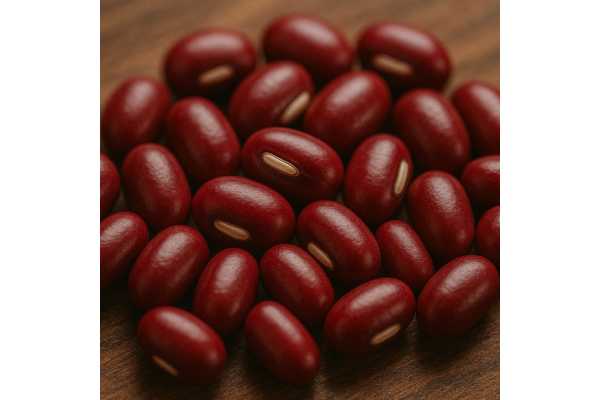
Adzuki beans (also spelled azuki) are small, ruby-red legumes prized across East and East-Central Asia for their sweet, nutty flavor and remarkable nutrition. Cooked...
Bambara groundnut nutrition benefits, macros, minerals, and safe cooking guide
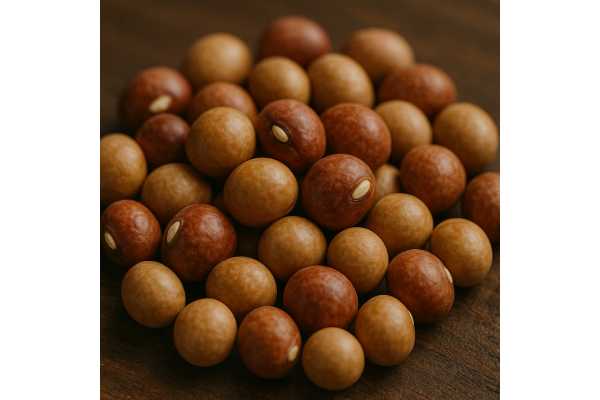
Bambara groundnut (Vigna subterranea) is a resilient African legume prized for its balanced nutrition, nutty flavor, and versatility in the kitchen. Often called “a...
Black beans nutrition facts per 100 g, fiber and protein explained
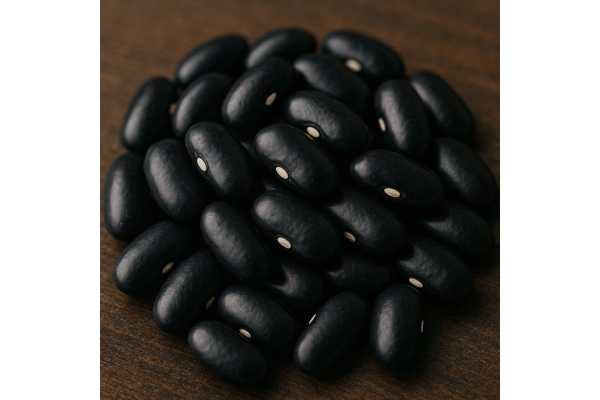
Black beans (Phaseolus vulgaris) are a staple across Latin America and the Caribbean, valued for their deep color, savory flavor, and reliable nutrition. A...
Black gram benefits and nutrition: protein, fiber, glycemic impact, and cooking tips
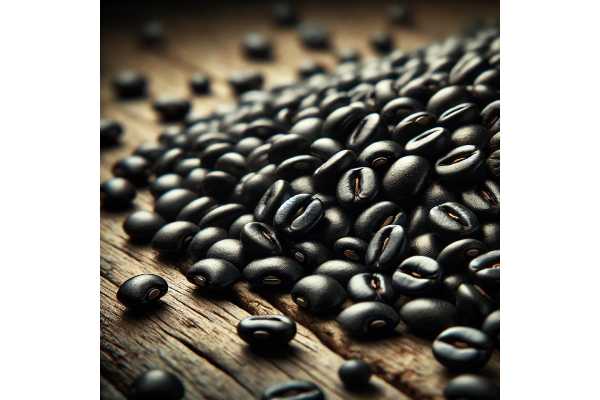
Black gram (Vigna mungo), also called urad dal or black matpe, is a small but mighty pulse with a long culinary and agricultural history...
Black-eyed peas : Benefits, Nutrition Facts, Uses, and Safety Explained.
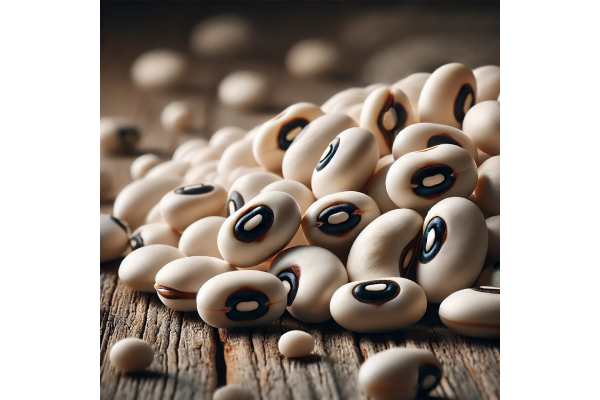
Black-eyed peas (Vigna unguiculata), also called cowpeas, are small cream-colored beans marked by a black “eye.” They are beloved in West African, Mediterranean, Southern...
Borlotti beans benefits for heart and blood sugar, nutrition per 100 g, uses and risks
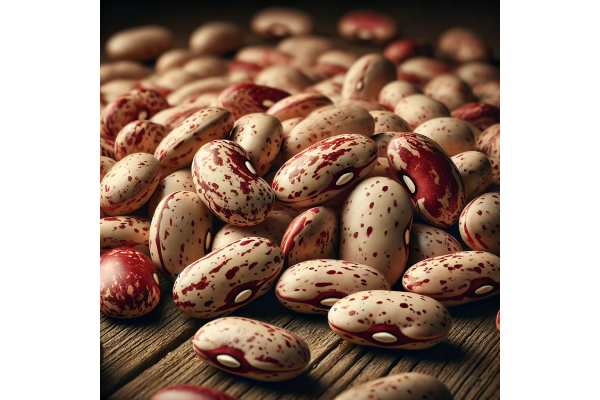
Borlotti beans—also called cranberry or Roman beans—are creamy speckled legumes celebrated across Italian, Portuguese, and Latin American kitchens. Beyond their good looks and nutty...
Cannellini beans nutrition benefits, macros, minerals, and safe cooking tips
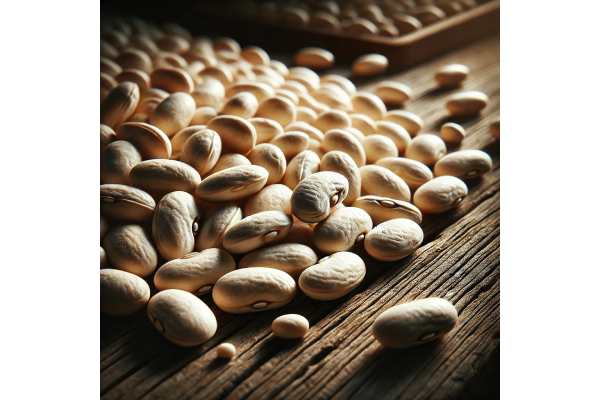
Cannellini beans—also called white kidney beans—are a Mediterranean staple known for their creamy texture, thin skins, and mild, nutty flavor. They slide seamlessly into...
Carob nutrition benefits and side effects explained, uses, comparisons and safety

Carob (Ceratonia siliqua) is a naturally sweet, caffeine-free pod from the Mediterranean carob tree. It’s milled into a cocoa-like powder, pressed into syrup (also...
Chickpeas nutrition and health benefits explained: calories, protein, fiber, vitamins, and safe servings
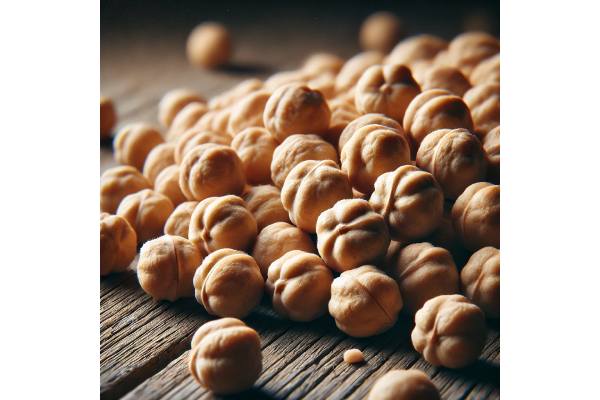
Chickpeas are a small seed with an outsized impact. As a versatile pulse, they supply steady energy from complex carbohydrates, meaningful protein for plant-forward...
Cluster beans for diabetes and heart health: per 100 g nutrition, best uses, and risks
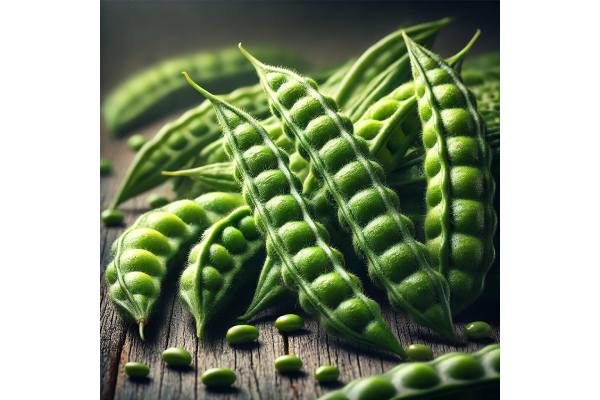
Cluster beans—also called guar, gawar, or Cyamopsis tetragonoloba—are a slender, slightly bitter green pod eaten young as a vegetable and prized for its soluble...
Fava beans calories, protein and fiber: complete nutrition, cooking tips and safety
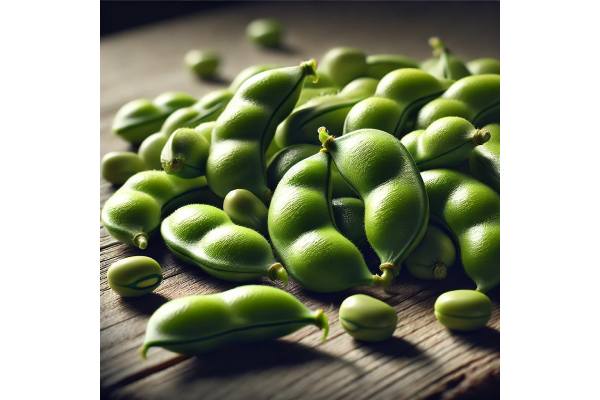
Fava beans—also called broad beans—have nourished people for millennia from the Mediterranean to East Asia. Their appeal is simple: tender green pods in spring,...
Flageolet beans protein, fiber, vitamins, and how to cook for best results
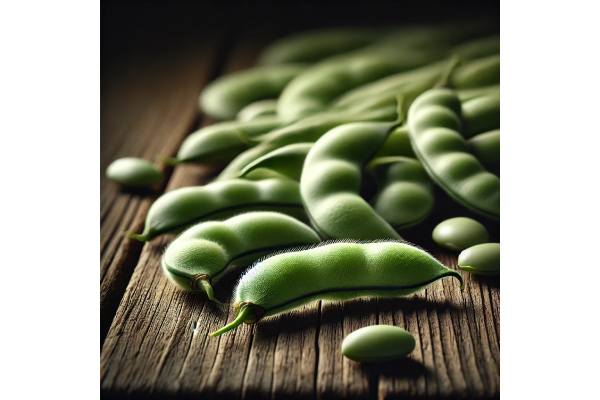
Flageolet beans are small, pale green beans prized in French cooking for their delicate, buttery texture and mild, nutty flavor. A type of common...
Great Northern beans nutrition benefits, low glycemic impact, cooking uses, and safety
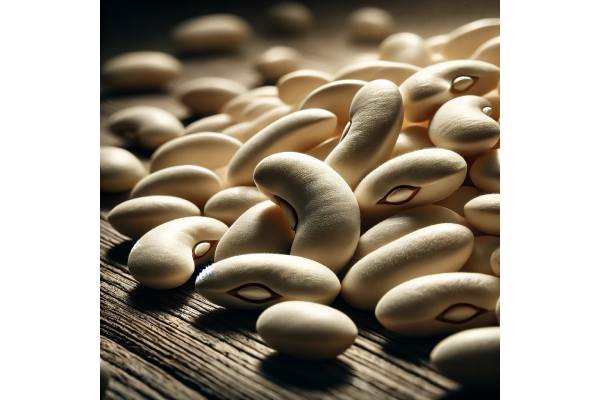
Great Northern beans are mild, creamy white beans prized for their ability to take on flavors and deliver steady, plant-based nutrition. They’re part of...
Green beans nutrition facts per 100 g, health benefits, recipes, and preparation tips
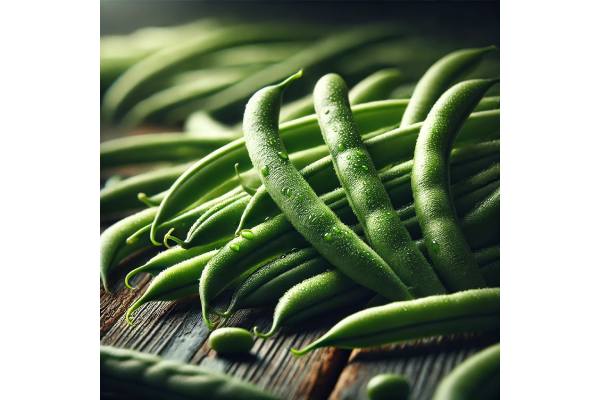
Crisp, tender, and quick to cook, green beans (also called snap beans or string beans) deliver bright flavor with everyday nutrition. Unlike mature dry...
Hyacinth bean nutrition facts and health benefits with safe cooking and preparation tips

Hyacinth bean (Lablab purpureus) is a hardy, climbing legume grown across Asia and Africa, known for edible young pods and protein-dense mature seeds. In...