
Kidney beans for heart health and blood sugar: fiber, protein, LDL cholesterol, and low glycemic recipes
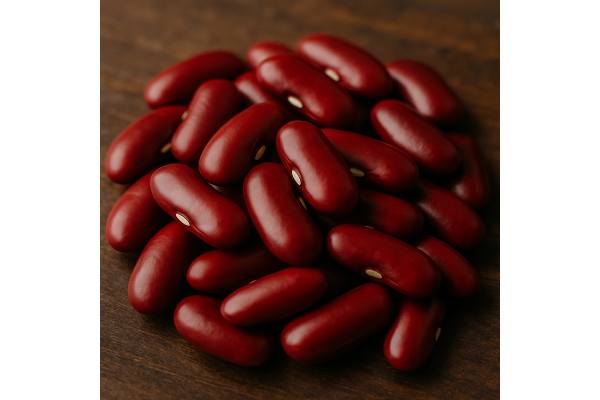
Kidney beans are a pantry workhorse that deliver dependable nutrition, steady energy, and satisfying texture at a budget-friendly price. Their meaty bite holds up...
Lentils nutrition and health benefits: calories, protein, fiber, glycemic impact, and safe cooking
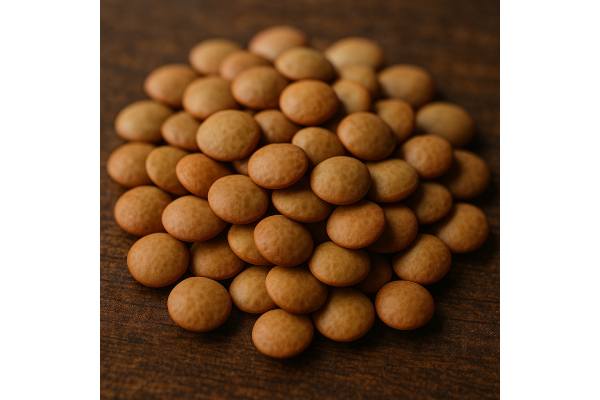
Lentils are one of the easiest ways to put affordable, nourishing protein on the table. These small, lens-shaped pulses cook quickly, hold up in...
Lima beans nutrition facts and health benefits: protein, fiber, vitamins, potassium
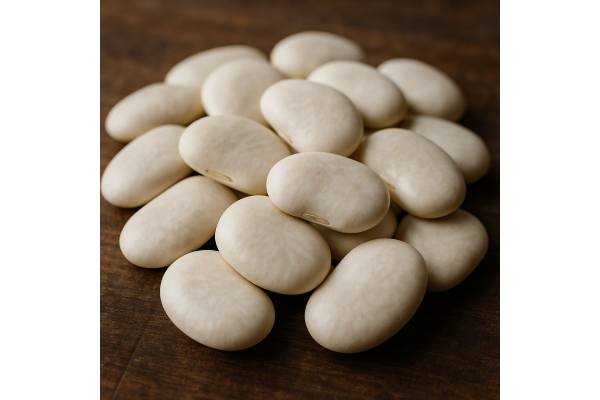
Lima beans—also called butter beans—are a hearty, budget-friendly legume with a mild, creamy flavor that works in everything from stews and succotash to salads...
Lupini beans nutrition facts per 100 g: calories, macros, vitamins and minerals, plus practical uses
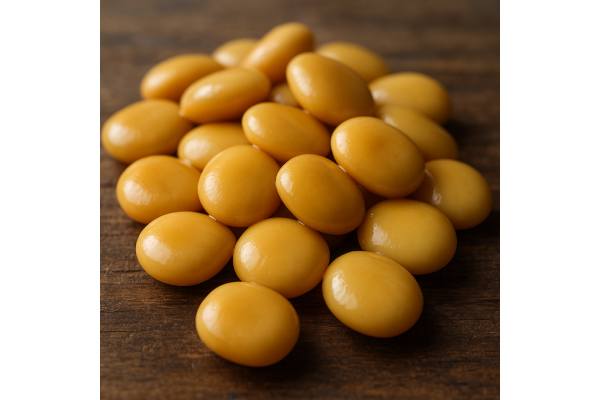
Lupini beans—also called lupin or lupine beans—are a Mediterranean and Latin American favorite with an unusually high protein-to-calorie ratio, a pleasantly firm bite, and...
Moth bean nutrition and health benefits: protein, iron, folate, how to cook, and safety
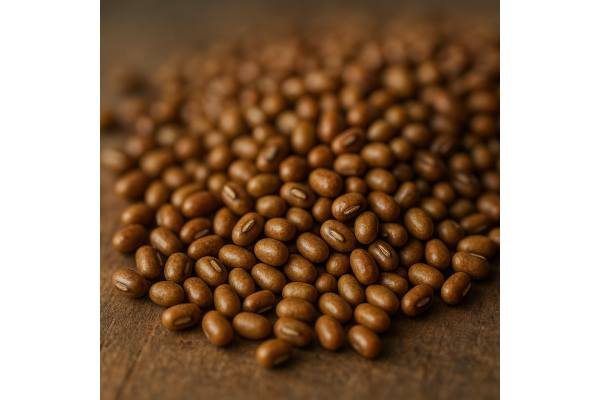
Moth bean (Vigna aconitifolia) is a small, drought-tolerant pulse that punches far above its size. Native to the Indian subcontinent and adapted to harsh,...
Mung beans nutrition facts per 100 g and cooked serving with tables, daily values, and meal ideas

Mung beans (Vigna radiata)—also called green gram or moong—are small, quick-cooking legumes prized across Asia for their mild, slightly sweet flavor and remarkable versatility....
Navy beans nutrition benefits, macros and vitamins explained for heart health, blood sugar and weight management
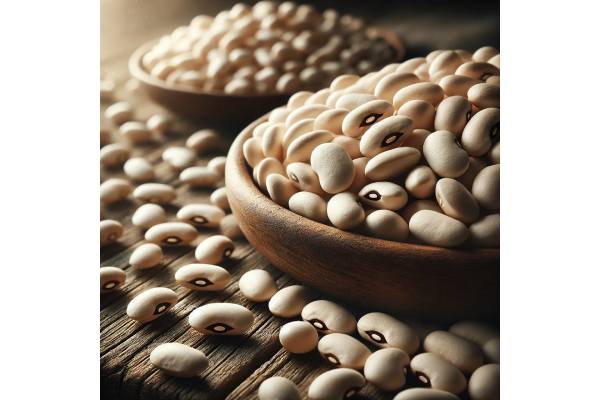
Navy beans—also called small white or pea beans—are mild, creamy legumes prized for their versatility, budget-friendliness, and dense nutrition. A half-cup (about 90 g)...
Peanuts benefits and side effects, complete nutrition profile, allergy prevention, and storage guide

Peanuts are one of the world’s most affordable, nutrient-dense foods. Though botanically a legume, they deliver a “nut-like” package of plant protein, fiber, and...
Peas for vegetarians and vegans: folate, vitamin K, magnesium, complete protein pairing, and meals

Peas bring bright color, soft sweetness, and reliable nutrition to everyday meals. Whether you toss frozen green peas into a weeknight pasta, simmer split...
Pigeon peas nutrition and health benefits explained with calories, protein, fiber, vitamins, minerals, and safety
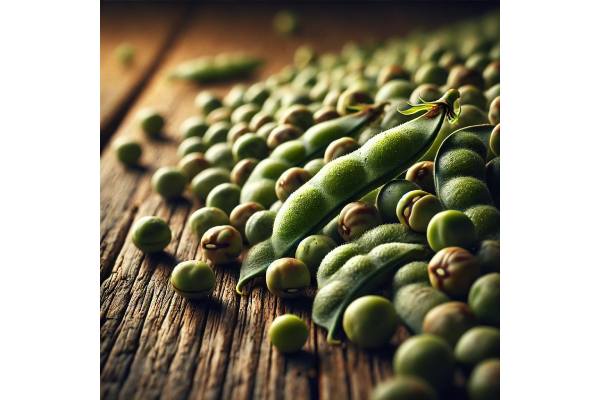
Pigeon peas—also called toor dal, arhar, gandules, or Congo peas—are small, nutty legumes that punch above their weight in everyday cooking. They deliver steady...
Pinto beans benefits and side effects explained, protein and fiber, vitamins and minerals, cooking methods
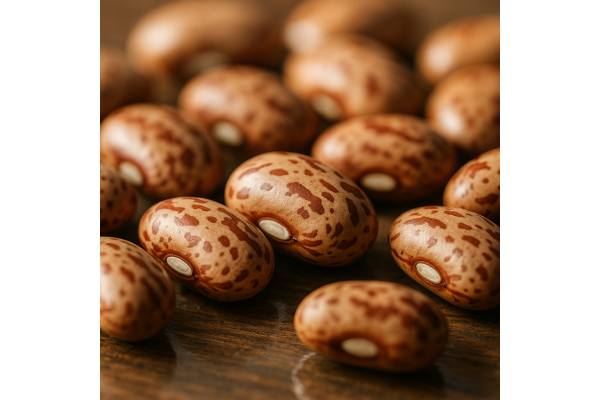
Pinto beans are one of the most versatile pantry staples: affordable, filling, and at home in everything from burritos to brothy soups. They deliver...
Runner beans nutrition facts and uses: vitamins, minerals, fiber, and how to prepare
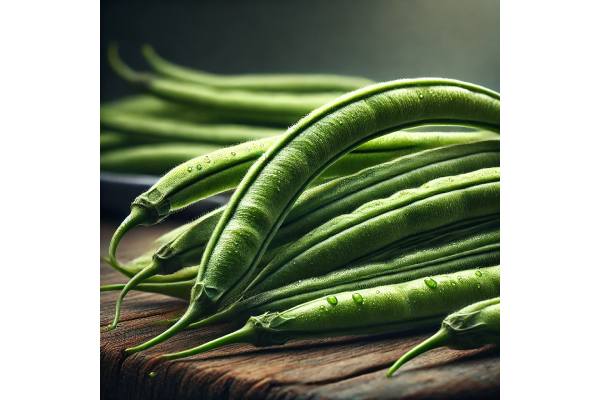
Runner beans (Phaseolus coccineus) are the showstoppers of the bean world—vigorous vines with scarlet or white blossoms and long, flat pods that cook up...
Snow peas health benefits and nutrition facts plus the best ways to cook and store

Snow peas—also called mangetout—are the thin, flat, edible pods of Pisum sativum harvested while still tender. They bring a crisp snap, a faint sweetness,...
Soybeans nutrition, benefits, side effects, and cooking tips explained
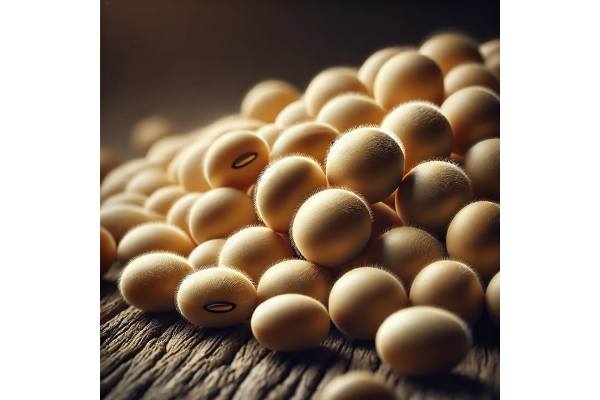
Soybeans are one of the world’s most versatile foods: a high-protein legume that works as a whole food (like boiled soybeans or edamame), a...
Stink beans nutrition facts, health benefits, uses, and safety guide
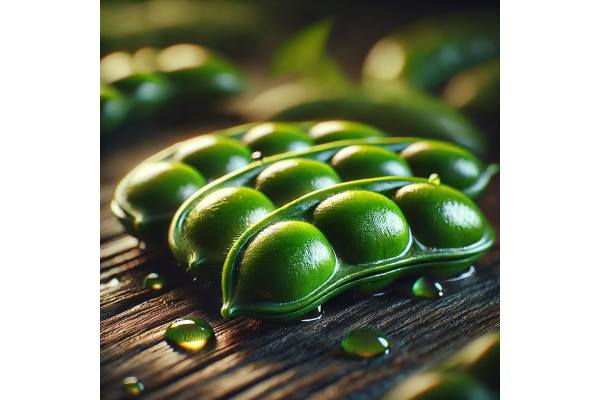
Stink beans—better known across Southeast Asia as petai, sataw, or twisted cluster beans—are the bold, sulfur-scented seeds of Parkia speciosa. They divide opinion at...
Sugar snap peas benefits and nutrition facts for health, weight, and blood sugar
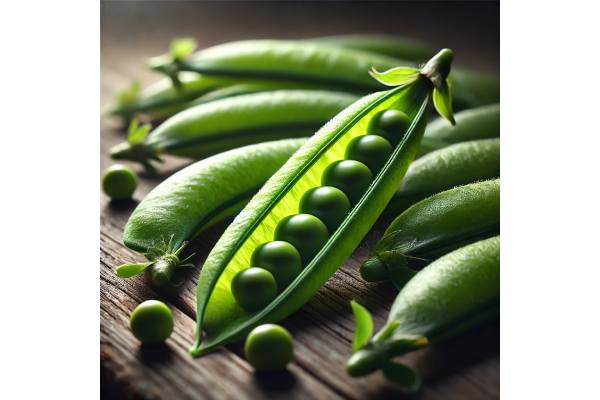
Sugar snap peas bring together the best of two worlds: the edible pod of snow peas and the sweet, crisp bite of garden peas....