
Sea Spaghetti benefits and risks explained: calories per 100 g, minerals and polyphenols, and smart portions

Sea spaghetti (Himanthalia elongata) is a naturally long, ribbon-like brown seaweed gathered from clean Atlantic coasts. After soaking or brief blanching, its strands look...
Sea Squirt nutrition facts and health benefits with iodine, omega-3, and safety tips

Sea squirt—sold as sea pineapple, ascidian, or by species names like Halocynthia roretzi—is a briny, bright-orange delicacy with a surprising nutrition profile. Eaten raw...
Sea Grapes benefits and side effects explained, nutrition facts and risks
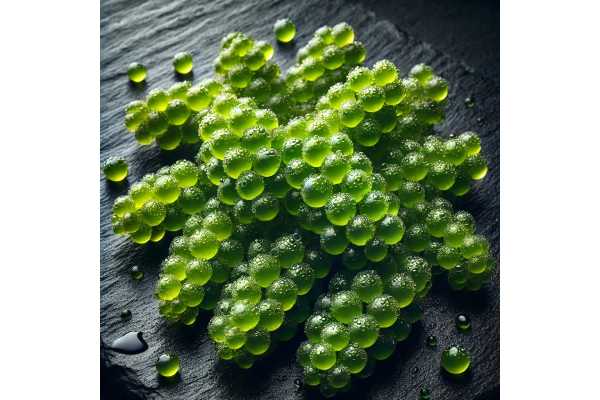
Sea grapes—also called “green caviar” and known to scientists as Caulerpa lentillifera—are a crisp, bead-like green seaweed prized across Okinawa, the Philippines, Indonesia, and...
Sea Kale nutrition facts and health benefits, how to cook, storage tips
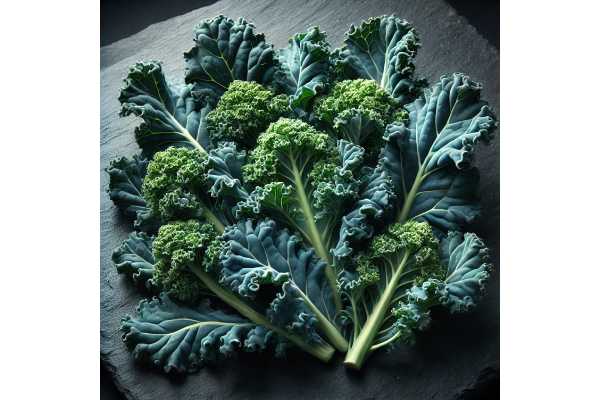
Sea kale (Crambe maritima) is a hardy coastal vegetable with a long culinary history along the Atlantic shores of Europe. Its pale spring shoots,...
Sea Lettuce benefits and nutrition facts, uses, and safety explained
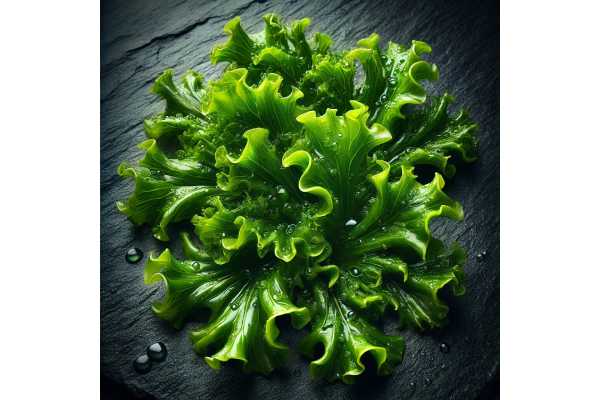
Sea lettuce (Ulva spp.) is a bright-green, paper-thin sea vegetable with a clean, briny taste and a tender bite. It grows along temperate and...
Sea Palm nutrition facts and iodine content, risks and safe servings with preparation tips

Sea palm (Postelsia palmaeformis) is a distinctive brown seaweed native to the wave-swept Pacific coast of North America. Chefs prize its subtly briny, sweet-umami...
Sea Purslane for healthy meals: nutrients, evidence-based benefits and who should avoid
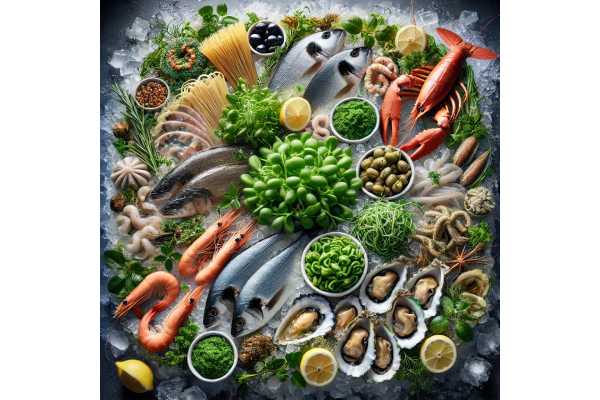
Sea purslane is a salt-loving coastal plant with a bright, briny bite and surprising nutrition. Eaten raw in salads or quickly sautéed like spinach,...
Sea Urchin nutrition facts and health benefits with iodine, omega-3, and safety guidance
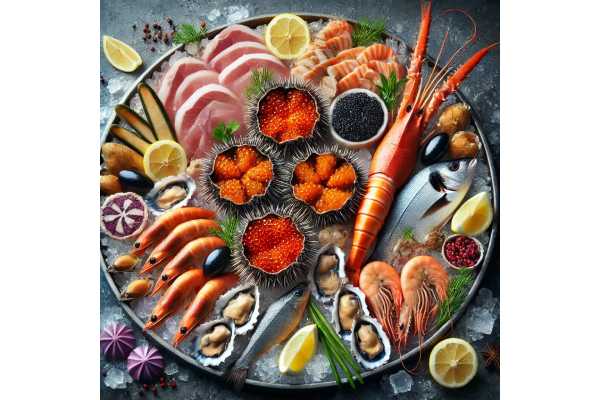
Sea urchin (often labeled “uni” in Japanese cuisine) is the edible gonad of a spiny echinoderm prized for its custard-like texture and briny-sweet flavor....
Shark benefits and risks explained: protein, vitamins and minerals, mercury exposure, and safe cooking
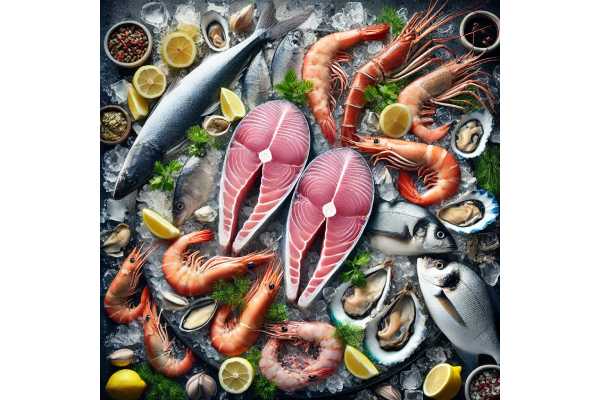
Shark meat appears on menus under names like dogfish, rock salmon, flake, school shark, or mako. It is a firm, mildly flavored seafood that...
Sheepshead nutrition facts and health benefits with protein, selenium, and safety guidance

Sheepshead is a mild, firm, white fish popular along the Atlantic and Gulf coasts. Known for its shell-crushing teeth and sweet, crustacean-fed flavor, it...
Shrimp nutrition facts, health benefits, risks, and cooking tips explained

Shrimp are small in size but big in value: lean, fast-cooking, and widely available in fresh and frozen forms. A 100 g cooked portion...
Skate nutrition facts, health benefits, cooking tips and safety guide
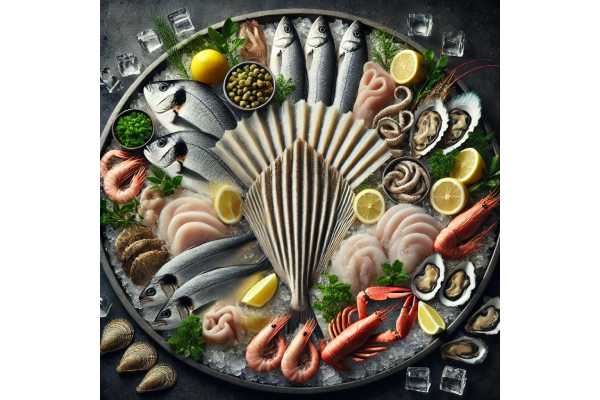
Skate—most often sold as delicate “wings”—is a mild, lean seafood with a firm, slightly striated texture and a subtle sweetness often compared to scallops....
Smelt nutrition and health benefits, mercury levels, and safe cooking
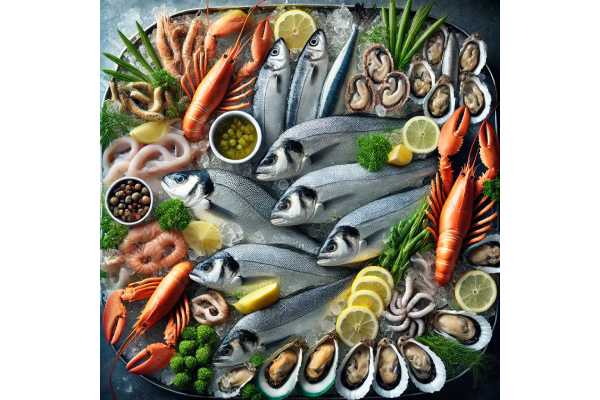
Smelt—small, silvery, and richly flavored—are a versatile family of cold-water fish enjoyed fried, grilled, smoked, or pickled across northern cuisines. Because smelt are often...
Snakehead fish nutrition facts and evidence-based benefits with cooking tips and storage
Snakehead is a common name for several freshwater species in the Channidae family, most notably the striped snakehead (Channa striata) and the northern snakehead...
Snapper nutrition facts per 100 g with vitamin B12, selenium, and serving guidance

Snapper is a family-friendly white fish prized for its sweet, clean flavor and firm, moist flakes that hold together on the grill, in a...
Sole protein and omega-3 guide: vitamins, minerals, portions, and who should avoid

Sole is the weeknight-friendly white fish chefs reach for when they want delicacy without fuss. Its flesh is thin, sweet, and fine-flaked, cooking through...