
Weakfish complete guide: nutrition profile, evidence-based benefits, allergies and safety, and storage
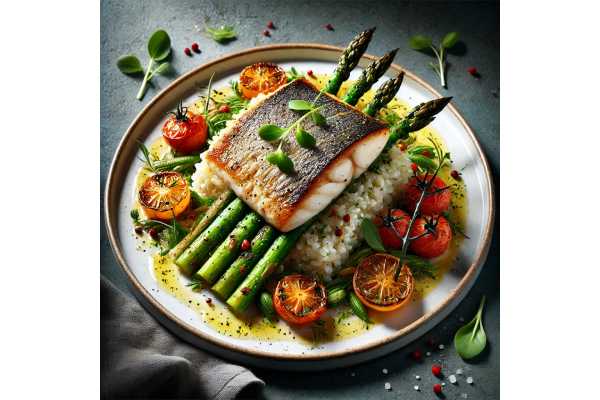
Weakfish (Cynoscion regalis), also called squeteague or gray seatrout, is a lean, mild-tasting coastal fish found along the U.S. Atlantic seaboard. In the kitchen,...
Whelk explained: nutrients, benefits, contaminants and best ways to cook
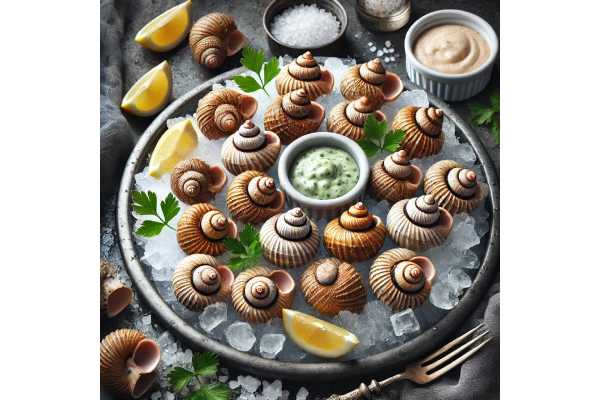
Whelk—an umbrella term for several edible sea snails, including the common waved whelk (Buccinum undatum) and the rapa whelk (Rapana venosa)—is a lean, briny-sweet...
Whiting fish nutrition facts: per-100 g tables, vitamins and minerals, and practical meal ideas
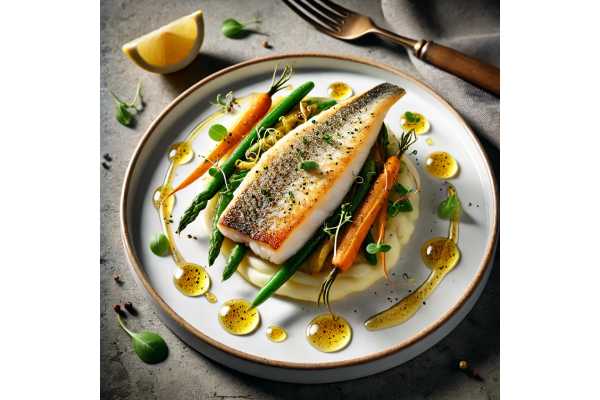
Whiting is the everyday name for several lean, mild-tasting white fish sold worldwide—most commonly European whiting (Merlangius merlangus) and Pacific whiting (often labeled hake,...
Yellowtail nutrition and health benefits: calories per 100 g, omega-3s, protein, and safe portions
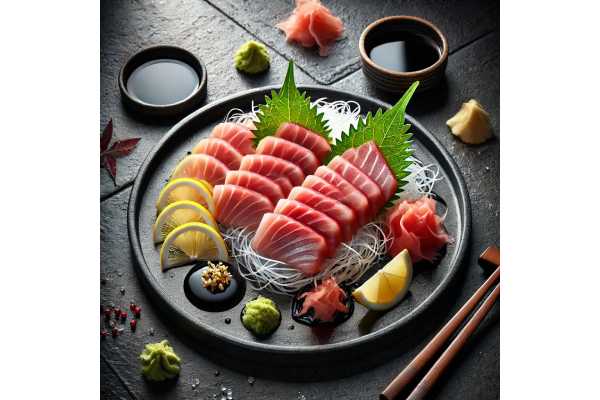
Yellowtail (most often Japanese amberjack, Seriola quinqueradiata, and its close cousins in the Seriola family) is a prized sushi and sashimi fish with rich,...
Zander nutrition facts and health benefits: protein, vitamins, calories, mercury safety, and cooking tips
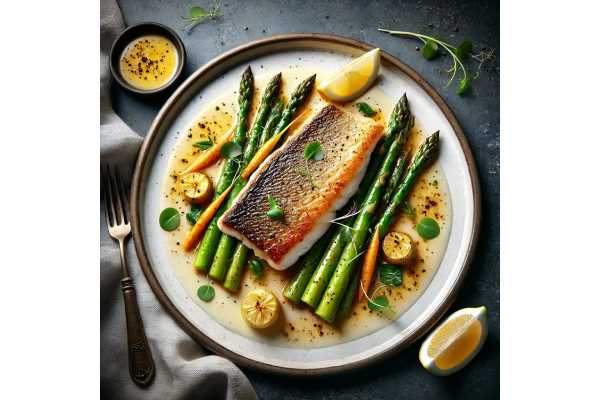
Zander (Sander lucioperca), also called pike-perch, is a lean, mild-tasting freshwater fish prized across Central and Northern Europe. Its delicate white flesh cooks quickly,...
Ajwain seeds digestion support, calories per 100 g, minerals, and safe daily amounts

Ajwain seeds—also called carom or bishop’s weed—pack concentrated aroma, sharp warmth, and a tradition of digestive support into tiny ribbed fruits. Used across South...
Almonds nutrition per 100 g, lipid effects, weight management, and cooking tips
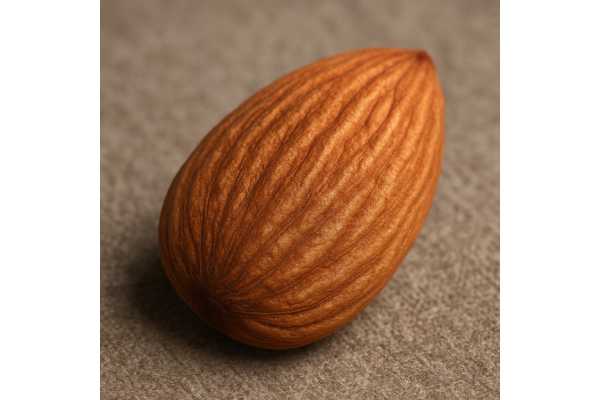
Crunchy, rich, and ready for almost any meal, almonds deliver a trio of nutrients many diets lack: heart-friendly monounsaturated fats, plant protein, and fiber....
Anise seeds benefits, nutrition facts, uses, and safety explained

Sweetly aromatic and unmistakably licorice-like, anise seeds add warmth to breads, cookies, and liqueurs—and a gentle lift to savory dishes, teas, and spice blends....
Basil seeds benefits and nutrition: fiber gel, omega-3 ALA, uses and safety

Mildly nutty with a pleasant crunch, basil seeds—also called sabja or tukmaria—turn silky when soaked, forming a cooling gel popular in falooda, lemonades, and...
Beechnuts nutrition and benefits: calories, fatty acids, vitamin E and safe preparation
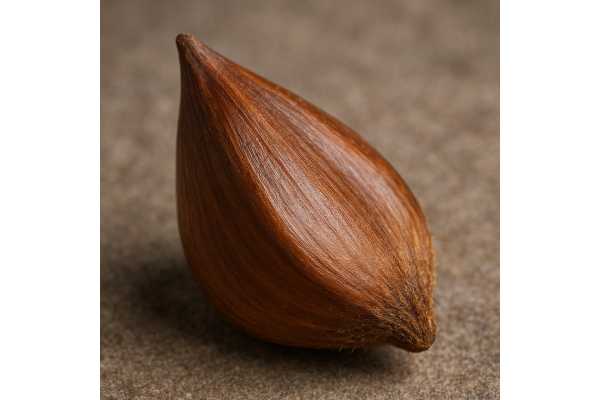
Small, triangular, and tucked in spiky husks, beechnuts are the lipid-rich seeds of beech trees (Fagus spp.). In good mast years they carpet forest...
Black mustard seed nutrition and benefits: glucosinolates, culinary uses and safety
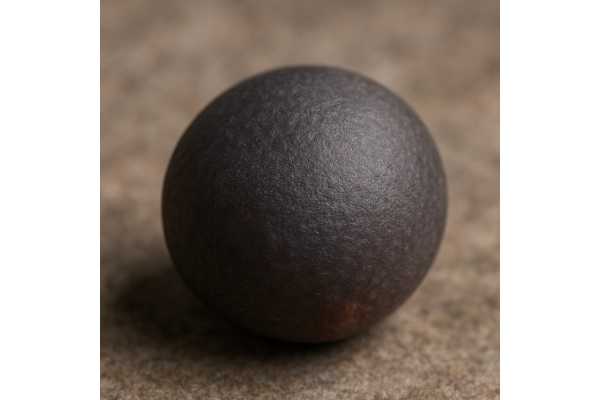
Peppery, aromatic, and packed with volatile bite, black mustard seed (Brassica nigra) is the small spice that powers crackling oil tempering, robust pickles, and...
Black sesame seed explained: calories per 100 g, fatty acids, minerals and uses
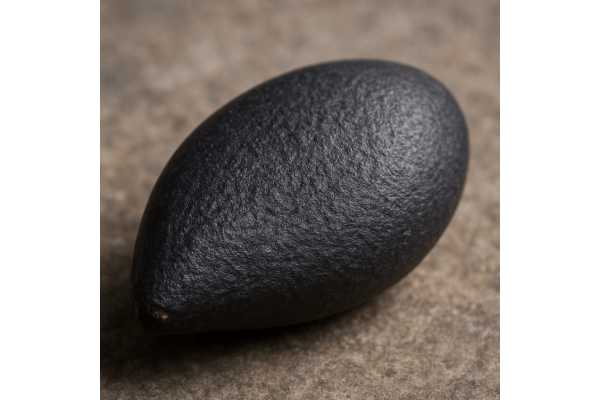
Glossy and aromatic, black sesame seeds deliver far more than crunch. Their jet-dark hulls hold concentrated minerals and polyphenols, while the kernel provides flavorful...
Brazil nuts: Evidence-Based Benefits, Per-100-g Nutrition Tables, and Safety Tips
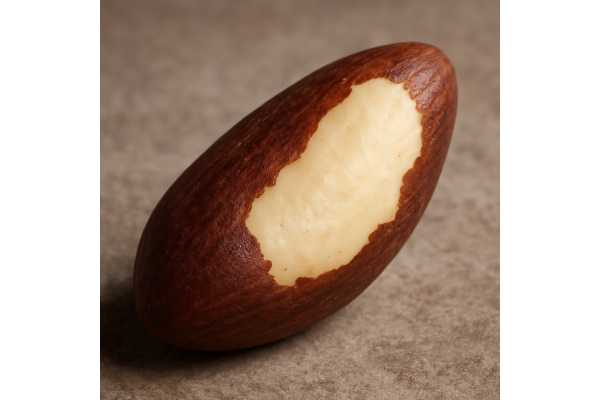
Brazil nuts offer a rare combination of creamy flavor, satisfying crunch, and uniquely high selenium—an essential trace mineral that supports thyroid function, antioxidant defenses,...
Brown Mustard Seed: How to Use, Nutrition Facts, Potential Benefits, and Side Effects
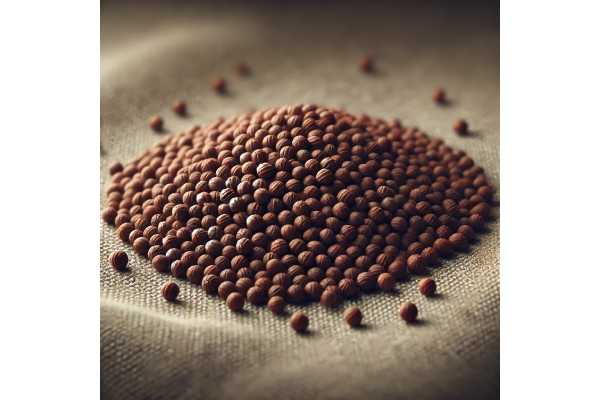
Brown mustard seed (from Brassica juncea) is a small spice with big character. Crack a few seeds in a hot pan and you release...
Candlenuts: Nutrition per 100 g, Benefits, Culinary Uses, and Safety Guide

Candlenuts (Aleurites moluccanus) are rich, creamy seeds prized across Southeast Asia and the Pacific—best known as kemiri in Indonesian and kukui in Hawai‘i. Lightly...
Caraway seeds: Benefits, Nutrition per 100 g, Uses, and Safety Guide

Caraway seeds (from Carum carvi) are small, crescent-shaped fruits with a big culinary personality. Their warm, sweet-earthy flavor with hints of anise and citrus...