
Cucumber nutrition guide: benefits, bioactives, vitamin K, and how to select and store

Fresh, crisp, and more versatile than it looks, cucumber brings cool crunch to salads, sandwiches, juices, and pickles while quietly supporting hydration. This heat-loving...
Currant benefits and nutrition: vitamin C, anthocyanins, uses, and safety explained

Tart, jewel-toned, and packed with plant compounds, currants are small berries with a big story. In most produce aisles you will see black currants...
Custard apple benefits and risks for health, calories, vitamins and how to use
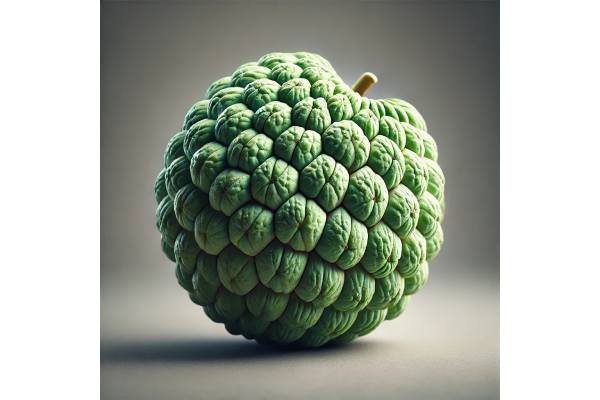
Custard apple is the umbrella name many shoppers use for a small group of creamy, perfumed fruits in the Annona family—most often sugar apple...
Date nutrition and health benefits explained: calories, carbs, fiber, and glycemic impact

Sweet, chewy, and surprisingly versatile, dates have nourished desert cultures for millennia—and they still earn a spot in modern kitchens. Beyond their natural caramel...
Dragon fruit health benefits and side effects, nutrition facts per 100 g, uses and storage

Dragon fruit—also called pitaya or pitahaya—looks exotic, but its appeal goes beyond color. This cactus fruit is mostly water, naturally low in calories, and...
Durian nutrition, benefits, and how to eat it safely

Durian divides opinion, but its nutrition profile and culinary range make it worth a closer look. Beneath the thorny husk sits a custard-like flesh...
Fig benefits and risks explained: nutrition facts, digestion support, and allergy notes
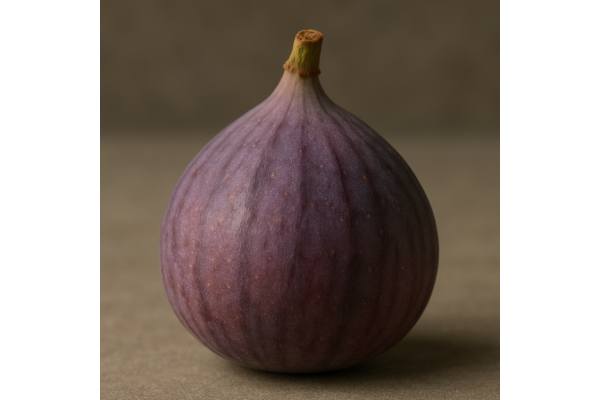
Fresh figs (Ficus carica) are soft, fragrant, and honeyed—one of the few fruits eaten at full botanical ripeness. Beneath their delicate skin, figs offer...
Goji berry nutrition profile, zeaxanthin benefits, preparation and storage guide

Goji berries—also called wolfberries—are small, bright red fruits from the Lycium shrub that have been enjoyed for centuries in parts of Asia and, more...
Gooseberry nutrition and health benefits explained: calories, carbs, vitamin C, fiber, and antioxidants

Gooseberries are the tart, jewel-like fruits of the Ribes genus, prized in Northern Europe and parts of North America for their bright flavor and...
Grape nutrition and health benefits with serving sizes and safety tips

Grapes are one of the world’s most versatile fruits—snackable out of hand, beautiful on a cheese board, and foundational to juices, jellies, and wine....
Grapefruit benefits and risks: medication interactions, preparation ideas, and nutrition facts

Grapefruit brings a clean, citrusy snap to breakfasts, salads, and desserts—bright enough to wake up savory dishes too. Under its thick peel is a...
Guava complete guide: detailed overview, nutrition profile, evidence-based benefits and FAQs

Guava is a humble tropical fruit with impressive range. Crisp or melting-soft depending on variety and ripeness, it delivers a sweet–floral flavor with hints...
Honeydew melon benefits, nutrition facts, potassium, vitamin C, and hydration explained

Honeydew melon brings a clean, floral sweetness and plenty of refreshment to warm-weather tables, yet its appeal goes far beyond taste. This pale-green melon...
Jackfruit nutrition: benefits, calories, carbs, potassium, vitamin C, and safety

Jackfruit is the world’s largest tree-borne fruit, yet its everyday strengths are surprisingly down-to-earth: a mellow sweetness, a meaty texture when young, and a...
Jujube nutrition and benefits: per-100-gram facts, vitamin C, potassium, and smart uses

Jujube—often called Chinese date—pairs a crisp, apple-like snap when fresh with a chewy, caramel-like sweetness when dried. Behind that appealing range of textures is...
Kiwifruit nutrition and benefits: vitamin C, potassium, fiber, digestion support, and safe use

Kiwifruit delivers far more than a bright, tangy bite. One small fruit supplies more vitamin C than an orange serving by weight, along with...