
Flaxseed lignans: Benefits, Properties, How It Works, Uses, Dosage, and Safety Explained
Flaxseed lignans are natural plant compounds concentrated in the seed’s hull that your gut bacteria convert into “enterolignans,” molecules with weak estrogen-like and antioxidant...
Flaxseed oil: Heart Health Benefits, Best Uses, Recommended Dosage, and Safety
Flaxseed oil is a concentrated, plant-based source of the omega-3 fatty acid alpha-linolenic acid (ALA). It offers a practical way to raise ALA intake...
Fleabane extract: Benefits for brain and circulation, how to use it, dosage guidance, and safety
Fleabane extract comes from several plants in the daisy family—most often Erigeron breviscapus (used in Chinese medicine as Dengzhanxixin) and Erigeron/Conyza canadensis (Canadian fleabane)....
Fluoride: Water Levels, Toothpaste Strengths, Dosing by Age, and Safety Explained
Fluoride is a naturally occurring mineral that strengthens tooth enamel and helps prevent cavities across the lifespan. You’ll find it in fluoridated drinking water,...
Fly Agaric Mushroom: Complete Guide to Effects, Uses, Dosage Warnings, and Toxicity
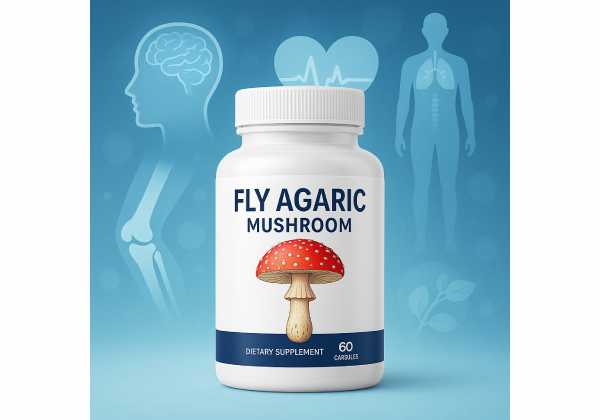
Fly agaric (Amanita muscaria) is one of the world’s most recognizable mushrooms—bright red with white spots—and one of the most misunderstood. Unlike “magic” mushrooms...
Folacin: What It Is, Food Sources versus Supplements, Optimal Dose, and Who Should Avoid High Doses
“Folacin” is an older name for vitamin B9—the family of folate compounds your body uses for DNA synthesis, cell division, and methylation. In foods,...
Folate: Uses for Pregnancy and General Health, Recommended Dose, and Safety
Folate is an essential B vitamin involved in DNA synthesis, cell division, and methylation—processes your body relies on for healthy growth, blood formation, and...
Folic acid for neural tube defect prevention: how it works, recommended doses, and who needs more
Folic acid—also called pteroylmonoglutamic acid—is the synthetic, stable form of folate (vitamin B9) used in supplements and food fortification. Your body converts folic acid...
Folinic acid for methotrexate rescue and 5-FU therapy: how it works, proper dosage, and side effects
Folinic acid—also called leucovorin or levofolinic acid (the active l-isomer)—is a medically important form of folate used for two very different reasons: to “rescue”...
Forget-Me-Not benefits and uses explained, safe dosage, side effects, and better alternatives
Forget-me-not (Myosotis spp.) is a small, blue-flowered plant in the borage family that appears far more often in poetry than in peer-reviewed medicine. You...
Formononetin benefits for menopause relief, dosing guidance, safety, and interactions explained
Formononetin is a plant-derived isoflavone most abundant in red clover and Astragalus. As a phytoestrogen, it can weakly bind estrogen receptors and influence inflammatory...
Forskolin: Metabolism Support, Glaucoma Applications, Dosing Guidelines, and Precautions
Forskolin is a plant-derived compound from the roots of Coleus forskohlii that directly activates adenylyl cyclase—the enzyme that drives cyclic AMP (cAMP) production inside...
Forsythia extract: Benefits for Colds and Throat Health, How to Use It, Proper Dosage, and Side Effects
Forsythia (Forsythia suspensa) is best known in traditional East Asian medicine as the dried fruit “Lianqiao,” widely used alongside honeysuckle for early-stage colds, throat...
Frangipani extract: Skin Benefits, Proper Use, Dosage Guidance, and Side Effects
Frangipani extract—most often obtained from the flowers of Plumeria species such as P. rubra and P. alba—is prized for its complex, tropical fragrance and...
Frangula bark: What It Is, How It Works, Benefits, and Side Effects
Frangula bark—also known as alder buckthorn bark (from Frangula alnus Mill., historically Rhamnus frangula)—is a traditional herbal laxative used for short-term relief of occasional...
French maritime pine bark extract: Evidence-Backed Benefits, Daily Dosage, Uses, and Safety
French maritime pine bark extract—best known by the branded form Pycnogenol—comes from the bark of Pinus pinaster. It is rich in procyanidins (oligomeric flavanols)...