
Acute Heart Failure: Overview, Warning Signs, and Effective Management
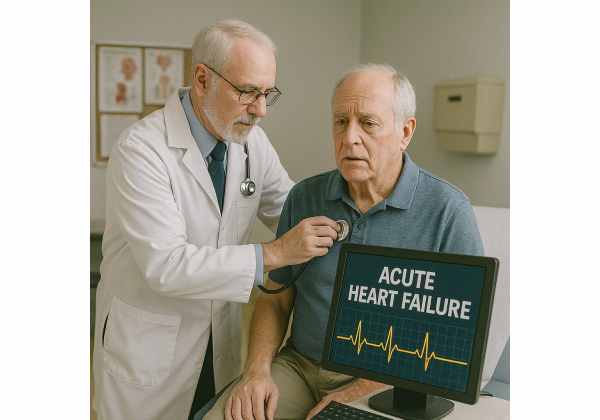
Acute heart failure is a sudden and life-threatening decline in the heart’s ability to pump blood, resulting in the rapid onset of severe symptoms...
Acute Ischemic Stroke: Comprehensive Overview, Symptoms, and Best Recovery Strategies

Acute ischemic stroke is a sudden, life-altering medical emergency in which blood flow to a part of the brain is blocked by a clot,...
Acute Limb Ischemia: Early Symptoms, Management, and Long-Term Outcomes

Acute limb ischemia is a critical, time-sensitive vascular emergency in which blood flow to an arm or leg is suddenly blocked, threatening tissue survival...
Acute Myocardial Infarction: Comprehensive Overview, Symptoms, Risk Factors, and Modern Therapies

Acute myocardial infarction—commonly known as a heart attack—remains one of the most urgent and life-altering medical emergencies worldwide. This condition occurs when blood flow...
Acute Pericarditis: Causes, Symptoms, Diagnosis, and Effective Treatments

Acute pericarditis is a condition marked by sudden inflammation of the pericardium, the thin sac surrounding the heart. This disorder can cause sharp chest...
Acute Pulmonary Embolism: Causes, Symptoms, Diagnosis, and Best Treatments
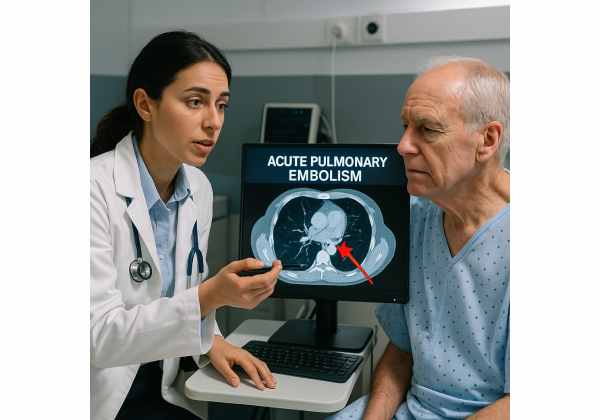
Acute pulmonary embolism (PE) is a sudden blockage of an artery in the lungs, most often caused by a blood clot that travels from...
Acyanotic Heart Defect: Overview, Warning Signs, and Modern Management

Acyanotic heart defects represent a group of congenital heart conditions in which blood is abnormally shunted through the heart without causing significant oxygen deprivation,...
Adams Stokes Syndrome: Overview, Risk Factors, and Management Strategies

Adams Stokes Syndrome, sometimes referred to as Stokes-Adams attacks, describes sudden, recurrent episodes of fainting caused by abrupt, temporary disturbances in the heart’s rhythm....
Adenosine Sensitive Atrial Tachycardia: Overview, Signs, Risk Factors, and Effective Management

Adenosine Sensitive Atrial Tachycardia (ASAT) is a specific form of supraventricular tachycardia—a rapid heartbeat that originates in the upper chambers (atria) of the heart...
Adhesive Pericarditis: Guide to Causes, Symptoms, Diagnosis, and Therapies

Adhesive pericarditis is a rare yet serious form of chronic pericardial disease in which the pericardial layers (the fibrous sac around the heart) become...
Adult Congenital Heart Disease: Diagnosis, Risk Factors, Symptoms, and Effective Management

Adult Congenital Heart Disease (ACHD) is an umbrella term for a diverse group of heart defects present from birth that persist into or are...
Adventitial Cystic Disease: Causes, Signs, Risk Factors, and Modern Management

Adventitial cystic disease (ACD) is a rare vascular disorder characterized by the development of mucinous cysts within the outer layer (adventitia) of blood vessels,...
Alcoholic Cardiomyopathy: Symptoms, Diagnosis, Causes, and Advanced Treatment
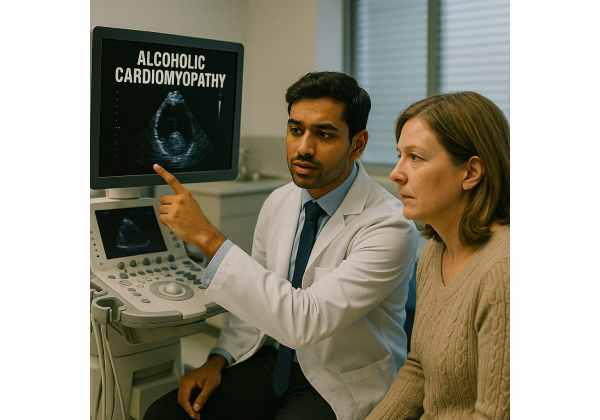
Alcoholic cardiomyopathy is a serious heart condition resulting from long-term, excessive alcohol consumption. It weakens and thins the heart muscle, leading to reduced heart...
Amyloid Cardiomyopathy: Understanding Risks, Early Signs, and Effective Management
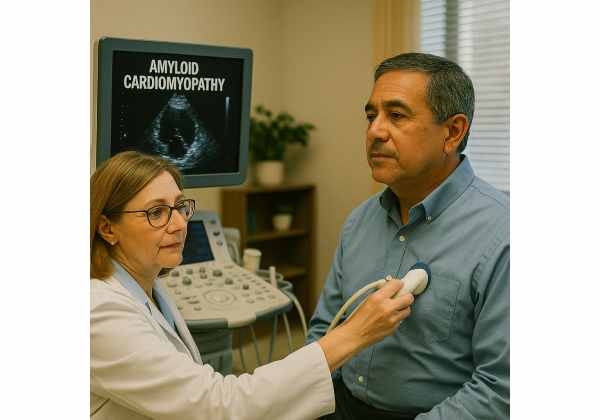
Amyloid cardiomyopathy is a complex, progressive heart disease caused by abnormal protein deposits called amyloid in the heart muscle, leading to stiffening, heart failure,...
Amyloid Heart Disease: Causes, Diagnosis, Symptoms, and Modern Treatment Options

Amyloid heart disease, also known as cardiac amyloidosis, is a progressive and often underdiagnosed condition where abnormal protein deposits called amyloid accumulate in the...
Andersen Tawil Syndrome: Early Detection, Symptom Recognition, and Best Treatments
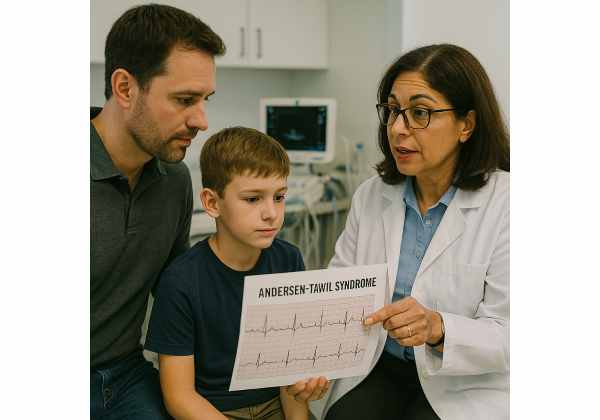
Andersen Tawil Syndrome is a rare genetic disorder characterized by episodes of muscle weakness, cardiac arrhythmias, and distinct physical features. It can present at...