
Anemic Infarct: Causes, Diagnosis, Key Symptoms, and Best Treatments

Anemic infarct is a specific type of tissue death resulting from a sudden reduction or complete interruption of blood supply to an organ, most...
Aneurysm: Overview, Causes, Diagnosis, Symptoms, and Best Treatments
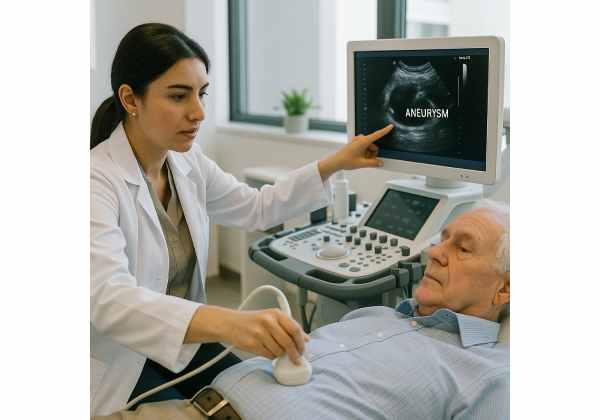
Aneurysm refers to an abnormal bulging or ballooning in the wall of a blood vessel, most commonly an artery. This condition can occur anywhere...
Aneurysmal Coronary Artery Disease: Overview, Causes, Diagnosis, Symptoms, and Best Treatments
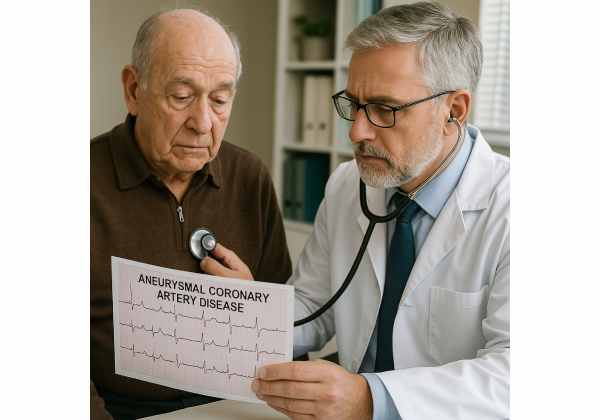
Aneurysmal coronary artery disease (ACAD) is a rare but increasingly recognized condition involving abnormal, localized dilations of the coronary arteries—the blood vessels that supply...
Angina Pectoris: Signs, Risk Factors, Diagnosis, and Management Strategies

Angina pectoris is a clinical syndrome characterized by chest discomfort or pain resulting from insufficient blood flow to the heart muscle. It serves as...
Angiodysplasia: Signs, Risk Factors, Diagnosis, and Modern Management
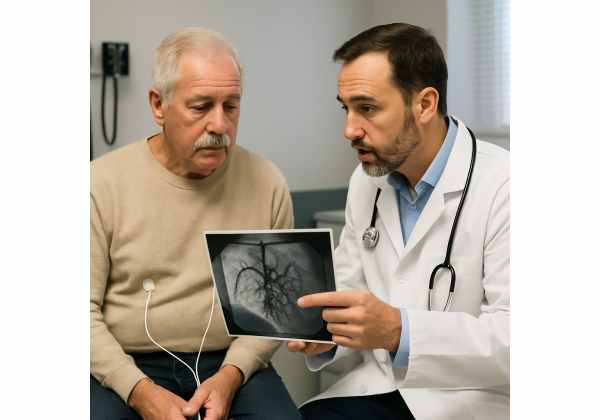
Angiodysplasia is a vascular abnormality often found in the gastrointestinal (GI) tract, characterized by fragile, dilated blood vessels prone to bleeding. While it most...
Angiopathy: Overview, Causes, Diagnosis, Symptoms, and Advanced Treatment Options

Angiopathy describes a range of diseases affecting blood vessels, especially the small arteries, capillaries, and veins. It can lead to serious health problems, including...
Annuloaortic Ectasia: Causes, Risk Factors, Clinical Presentation, and Modern Management

Annuloaortic ectasia is a condition characterized by the dilation of the aortic root and the aortic valve annulus, which can lead to progressive aortic...
Anomalous Coronary Arteries Fistulas: Causes, Risk Factors, Clinical Signs, and Management

Anomalous coronary arteries fistulas (CAF) are rare cardiovascular conditions where abnormal connections form between one or more coronary arteries and a heart chamber or...
Anomalous Coronary Artery: Causes, Risk Factors, Signs, and Modern Management

An anomalous coronary artery is a rare but significant congenital heart defect where one or more of the heart’s arteries arise from an abnormal...
Anomalous Pulmonary Venous Return: Causes, Signs, and Best Management Practices

Anomalous pulmonary venous return (APVR) is a rare congenital heart defect in which one or more pulmonary veins connect abnormally to the right side...
Anomalous Right Coronary Artery: Overview, Diagnosis, Symptoms, and Current Treatments

An anomalous right coronary artery (ARCA) is a rare congenital heart defect in which the right coronary artery arises from an abnormal location, most...
Aortic Aneurysm: Early Warning Signs, Clinical Features, and Surgical Management

Aortic aneurysm is a life-threatening condition in which the aorta, the largest blood vessel in the body, becomes abnormally weakened and bulges outward. While...
Aortic Arch Syndrome: Causes, Risk Factors, Warning Signs, and Latest Therapies

Aortic Arch Syndrome is a complex vascular condition involving narrowing or blockage of the aortic arch and its main branches. This rare but significant...
Aortic Atresia: Early Signs, Diagnostic Steps, and Best Treatment Options

Aortic atresia is a rare and severe congenital heart defect where the aortic valve fails to develop, blocking blood flow from the heart’s left...
Aortic Coarctation: Causes, Symptoms, Diagnosis, and Surgical Treatment

Aortic coarctation is a congenital heart condition characterized by a narrowing of the aorta, the major artery carrying blood from the heart to the...
Aortic Dissection: Risk Factors, Critical Symptoms, and Modern Management

Aortic dissection is a life-threatening medical emergency that occurs when a tear develops in the inner layer of the aorta, the body’s main artery....