
Oil Plant (Ricinus communis) Uses, Health Benefits, Active Compounds, and Safety Tips
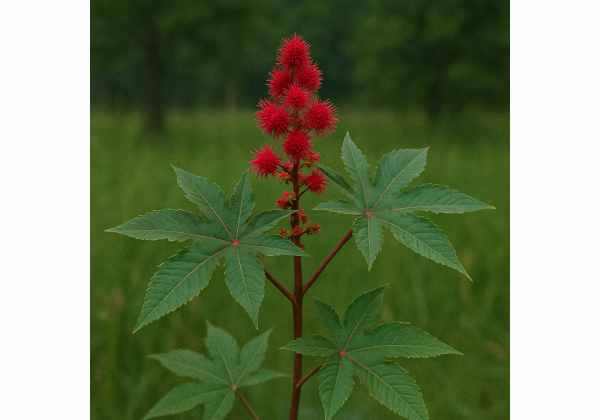
Oil Plant, better known botanically as Ricinus communis, is the source of castor oil, one of the oldest plant-derived remedies still used today. In...
Oca Benefits, Nutrition, Medicinal Uses, Dosage, and Safety Guide
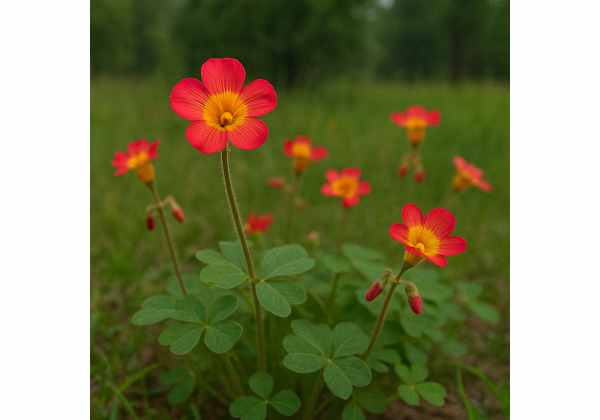
Oca, also called Oxalis tuberosa and sometimes “New Zealand yam,” is a brightly colored Andean tuber with a long history as both a staple...
Obedient Plant Evidence, Benefits, Medicinal Properties, Dosage, and Safety Overview
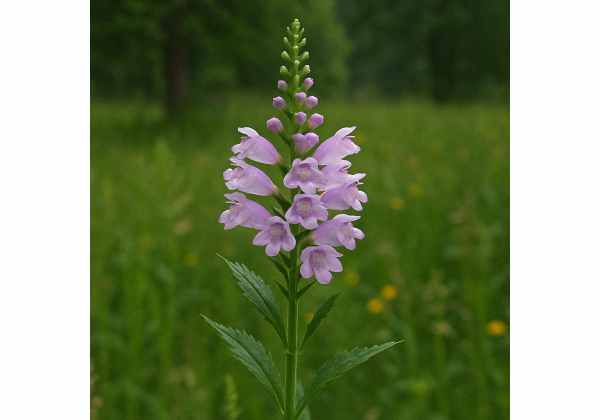
Obedient plant, also called false dragonhead, is a North American member of the mint family best known for its upright spikes of pink, lavender,...
Oat Straw for Stress Relief, Sleep Support, Cognitive Function, Dosage, and Safety
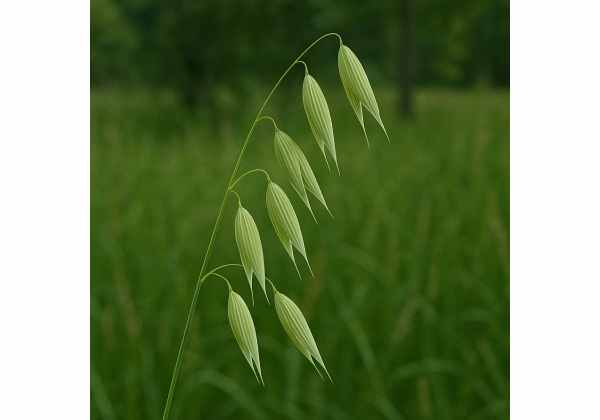
Oat straw is the green, above-ground part of the oat plant, usually gathered before the plant fully matures into grain. In herbal practice, it...
Oak Bark for Diarrhea, Skin Care, Hemorrhoids, Dosage, and Precautions
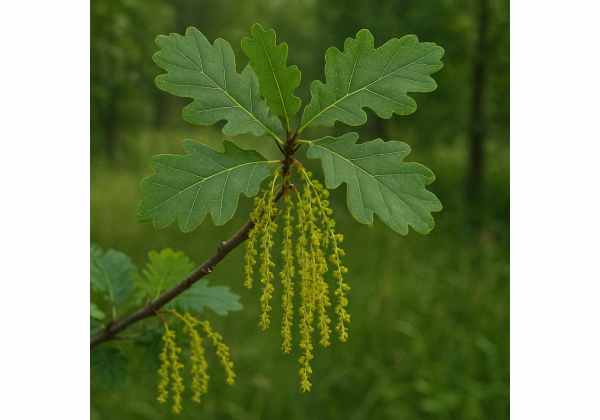
Oak bark is one of the classic European herbal remedies for irritated, overactive, or “too moist” tissues. Sourced mainly from Quercus robur and closely...
Nymphoides Uses, Health Effects, Active Constituents, and Safe Practice
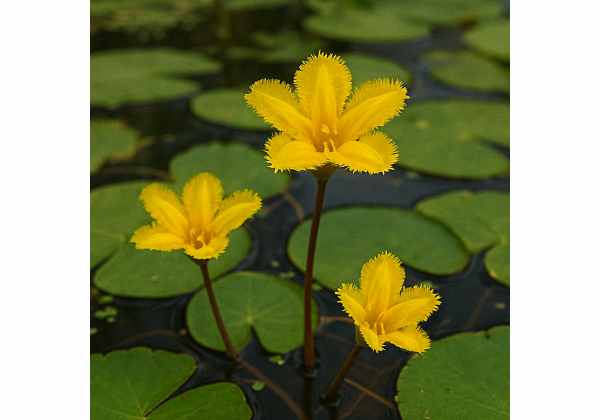
Nymphoides, usually referring here to Nymphoides peltata and often called yellow floating heart, is an aquatic medicinal plant with a very different profile from...
Nyatoh Puteh Medicinal Properties, Dental Material Uses, and Safety
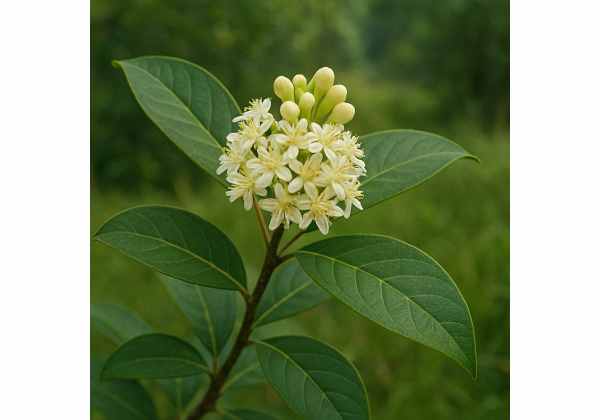
Nyatoh Puteh, botanically known as Palaquium oxleyanum, is not a typical medicinal herb. It is a tropical Southeast Asian tree in the Sapotaceae family,...
Nutmeg Myrtle (Backhousia myrtifolia) Medicinal Properties, Bushfood Uses, Dosage, and Side Effects
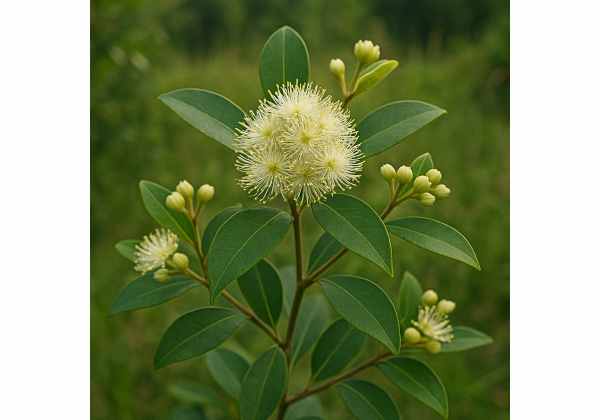
Nutmeg myrtle, botanically Backhousia myrtifolia, is an aromatic Australian rainforest tree whose leaves carry a warm, spice-like scent that can suggest cinnamon, nutmeg, clove,...
Nutmeg Laurel Benefits, Traditional Uses, Medicinal Properties, and Safety Facts
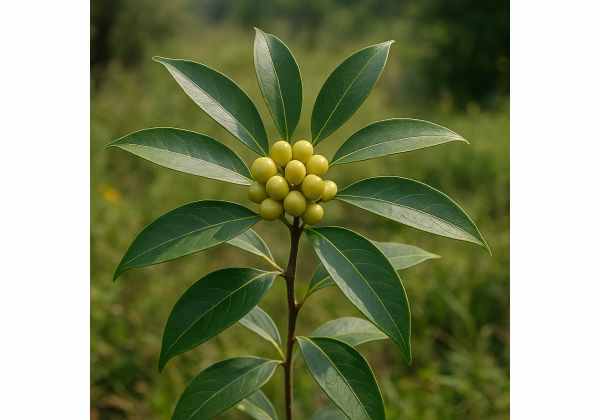
Nutmeg Laurel, Litsea myristicifolia, is an aromatic Southeast Asian tree in the laurel family, not a true nutmeg. Its name reflects the resemblance of...
Nutmeg digestive benefits, active compounds, precautions, and best uses
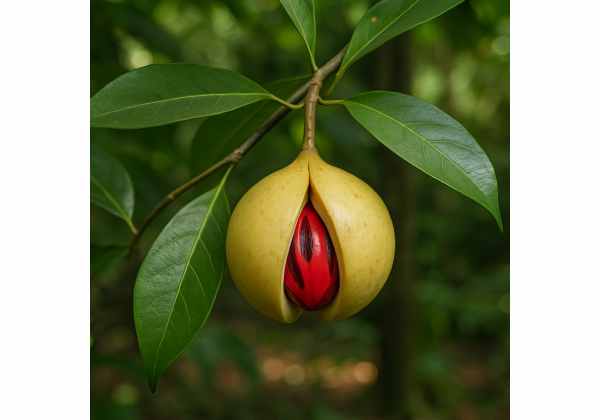
Nutmeg, the dried seed kernel of Myristica fragrans, is one of the world’s most familiar warming spices, yet it is far more than a...
Nutgrass Medicinal Properties, Digestive and Menstrual Uses, and Safety
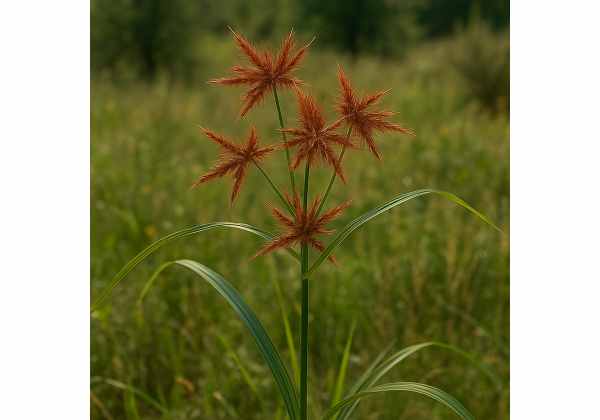
Nutgrass, better known botanically as Cyperus rotundus, is a hardy sedge whose underground rhizomes and tubers have been used for centuries in Ayurveda, Traditional...
Nut Sage Phytochemistry, Potential Benefits, and Why Dosage Is Unclear
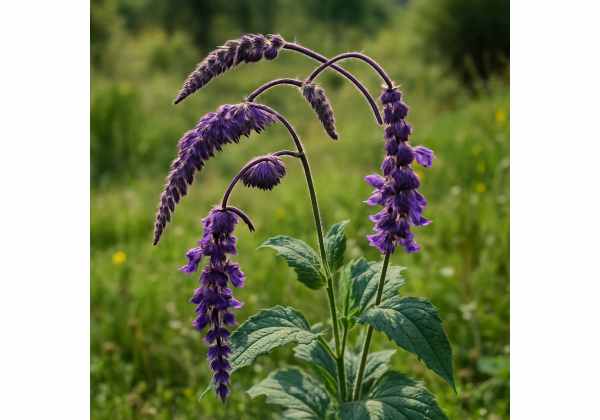
Nut Sage, Salvia nutans, is a lesser-known sage species best known botanically as nodding sage, a dry-grassland perennial with drooping violet-blue flower clusters and...
Nut Pine for heart health, satiety support, dosage, and safety
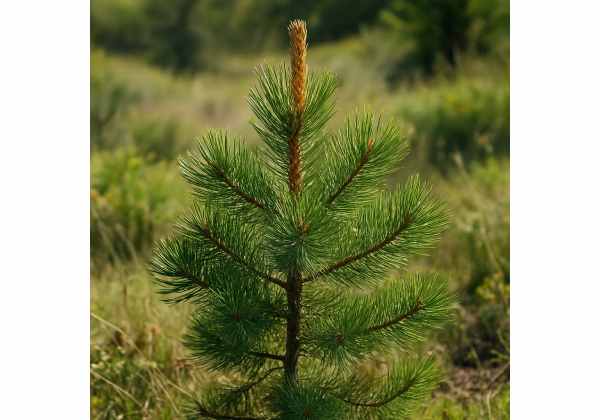
Nut pine is a practical term for the edible-seeded pines within the genus Pinus—the trees that produce pine nuts. Rather than referring to one...
Nuphar Medicinal Properties, Anti-Inflammatory Potential, Dosage, and Risks
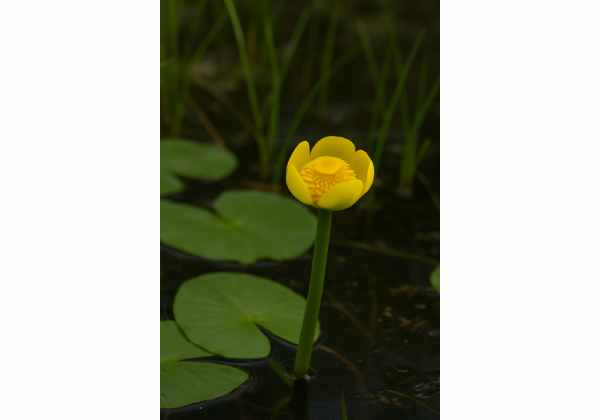
Nuphar, usually identified as Nuphar lutea and often called yellow water-lily or yellow pond lily, is an aquatic medicinal plant with a long but...
Noni Uses, Health Effects, Key Compounds, and Safety Explained
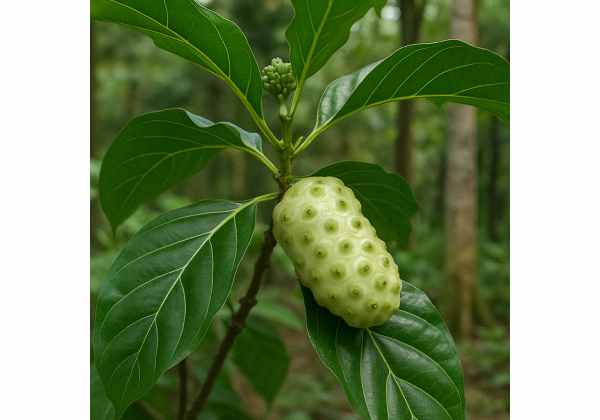
Noni, or Morinda citrifolia, is a tropical fruiting plant long used across Polynesia, Southeast Asia, and parts of the Caribbean as both food and...
Nodding Onion Uses, Health Benefits, Key Ingridients, Dosage, and Safety
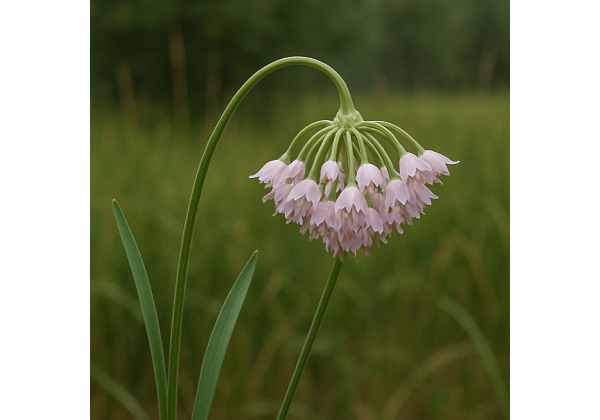
Nodding onion is a native North American allium with graceful pink-to-lavender flower heads, slender leaves, and the unmistakable aroma of an onion when crushed....