
Mullein for Dry Cough, Throat Comfort, Herbal Uses, and Dosage Facts
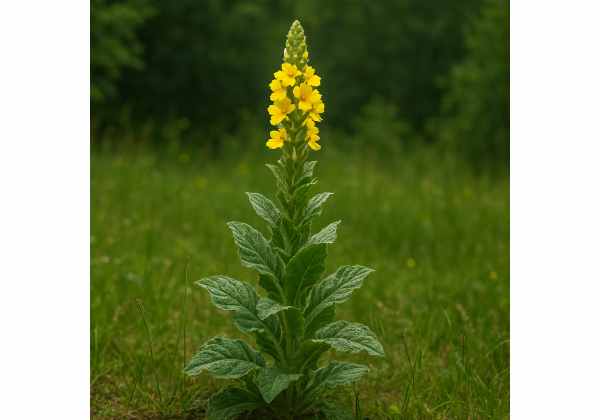
Mullein is one of the most recognizable traditional respiratory herbs in Western herbal practice. With its tall flower spike, soft velvety leaves, and bright...
Mulberry for Post-Meal Blood Sugar, Metabolic Health, and Dosage
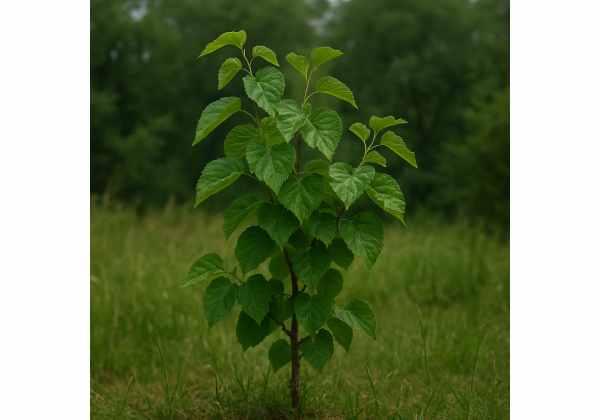
Mulberry, especially white mulberry or Morus alba, is a tree with a long history as both a food plant and a traditional remedy. Its...
Muira Puama (Ptychopetalum olacoides): Benefits for Libido, Energy, and Cognitive Vitality
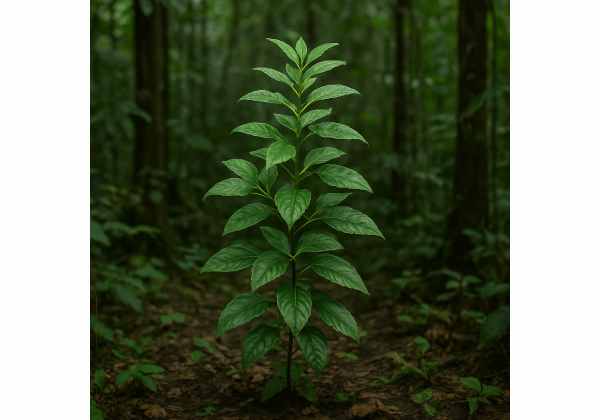
Muira puama, usually identified as Ptychopetalum olacoides, is a traditional Amazonian herb best known as a “nerve tonic” and vitality plant. It has long...
Mugwort (Artemisia vulgaris): Traditional Uses, Active Compounds, Dosage, and Side Effects
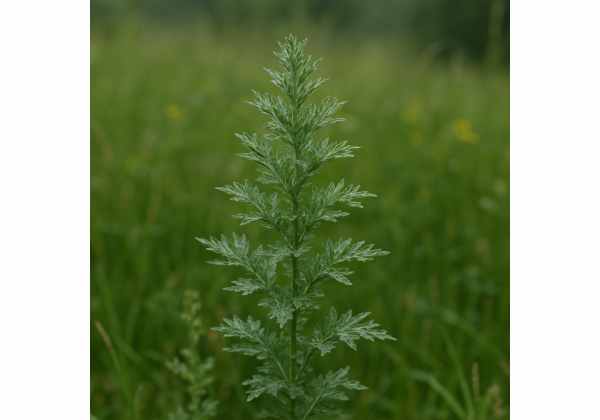
Mugwort, or Artemisia vulgaris, is a strongly aromatic herb with a long and sometimes complicated history in European and Asian herbal traditions. It has...
Mouse-ear Chickweed Key Ingredients, Herbal Benefits, and Safety Considerations
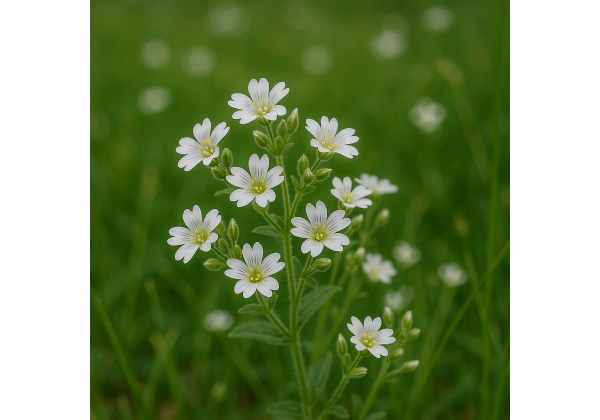
Mouse-ear chickweed, Cerastium fontanum, is a low-growing, softly hairy plant in the pink family that often appears in meadows, lawns, roadside edges, and mountain...
Mountain Tea (Sideritis syriaca) Cough Relief, Digestive Benefits, and Safety Guide
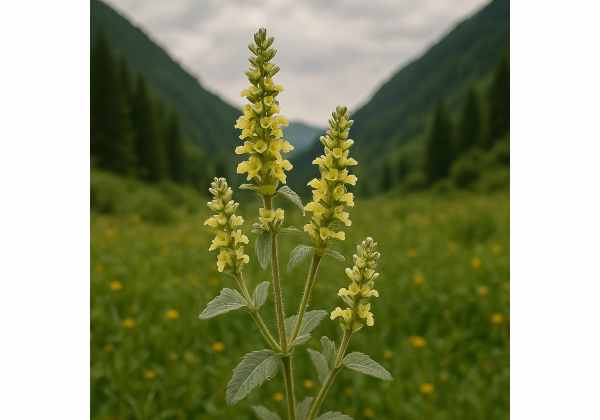
Mountain tea, known botanically as Sideritis syriaca and traditionally called malotira in Crete, is one of the Mediterranean’s most quietly respected herbal infusions. Its...
Mountain Sorrel Uses, Health Benefits, Serving Size, and Who Should Avoid It
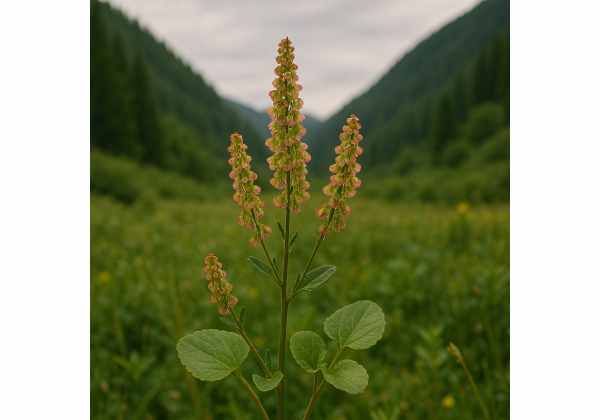
Mountain sorrel, or Oxyria digyna, is a tart, tender alpine plant that grows in cold northern and high-elevation landscapes where edible greens are often...
Mountain Savory Benefits for Digestion, Antimicrobial Support, and Safe Use
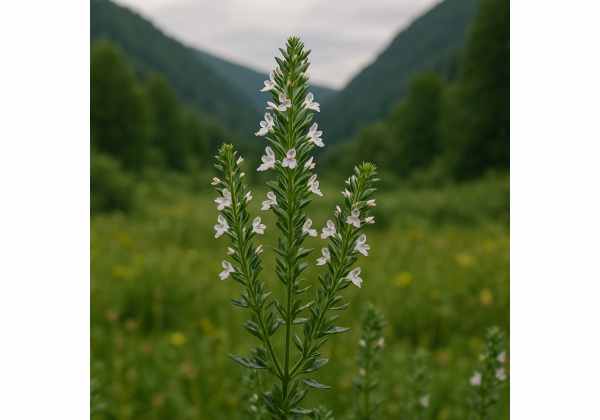
Mountain savory, also called winter savory, is a woody Mediterranean herb valued as both a kitchen spice and a traditional remedy. Its sharp, peppery...
Mountain Rue for Antimicrobial Support, Traditional Herbal Uses, and Risks
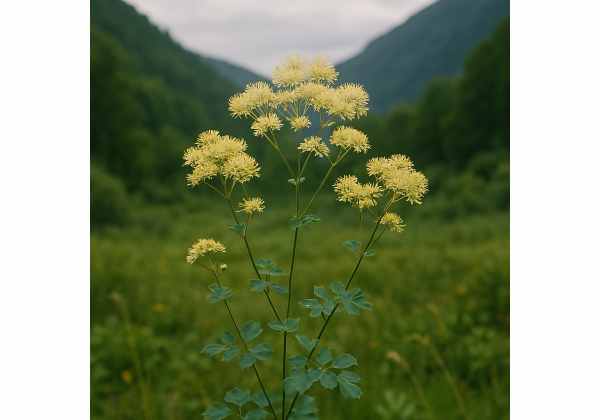
Mountain rue is a tricky herb to write about well because the name does not refer to one neatly standardized plant. It usually points...
Mountain Pepper Medicinal Properties, Research, Uses, and Precautions
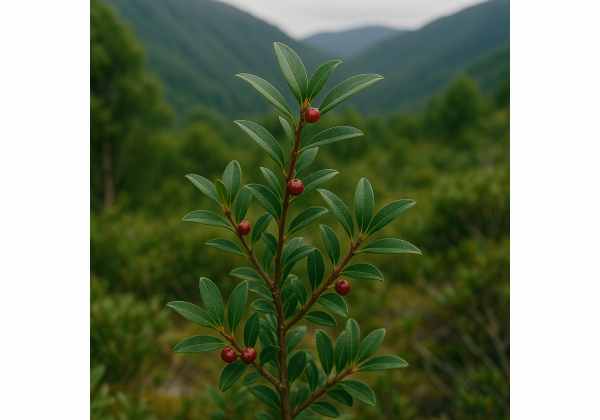
Mountain pepper, usually known as Tasmanian pepperberry or mountain pepper leaf, comes from Tasmannia lanceolata, an aromatic shrub native to southeastern Australia. It has...
Mountain Pennyroyal (Hedeoma drummondii): Traditional Uses, Herbal Tea Benefits, and Risks
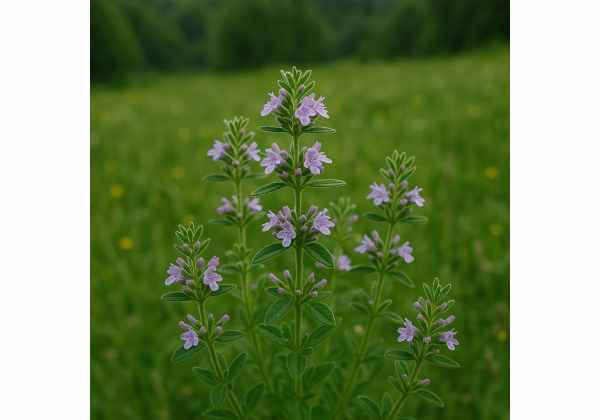
Mountain pennyroyal, botanically known as Hedeoma drummondii, is a strongly aromatic mint-family herb native to parts of the southern United States and northern Mexico....
Mountain Lovage (Ligusticum mutellina): Digestive Benefits, Active Compounds, and Safety Guide
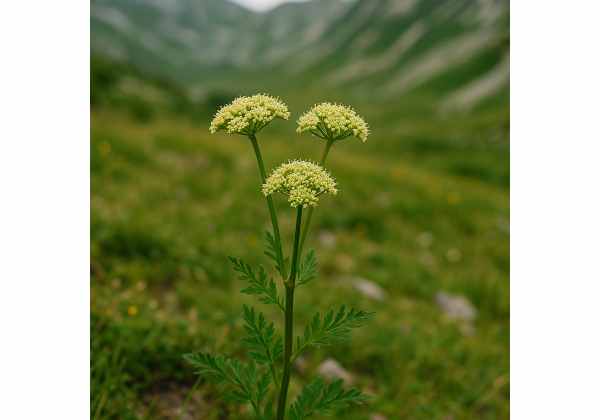
Mountain lovage, botanically known as Ligusticum mutellina, is a fragrant alpine herb from the parsley family that has long occupied a quiet place between...
Mountain Horopito Medicinal Properties, Traditional Uses, and Dosage Explained
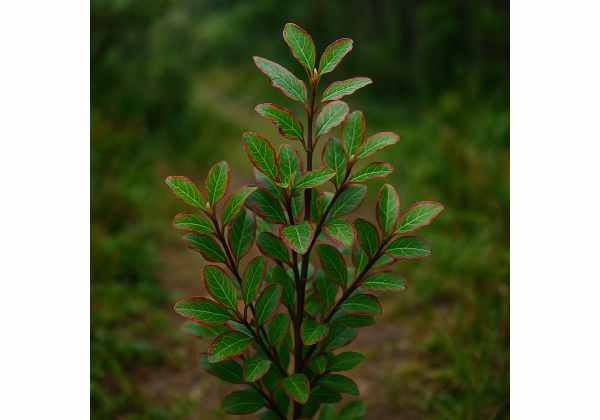
Mountain horopito, Pseudowintera colorata, is a distinctive New Zealand shrub known for its peppery bite, red-flecked leaves, and long place in traditional Māori plant...
Mountain Goldenrod (Solidago virgaurea) Urinary Support Benefits, Traditional Uses, and Safety Guide
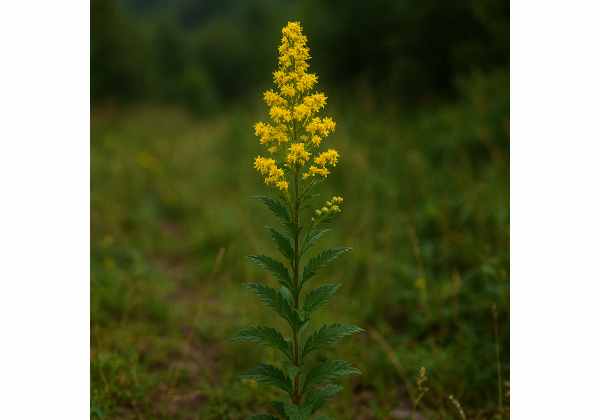
Mountain goldenrod, also known as European goldenrod, is a bright yellow flowering herb with a long history in traditional European herbal medicine. Unlike ornamental...
Mountain Avens Benefits for Digestion, Traditional Tea Use, and Safe Herbal Practice
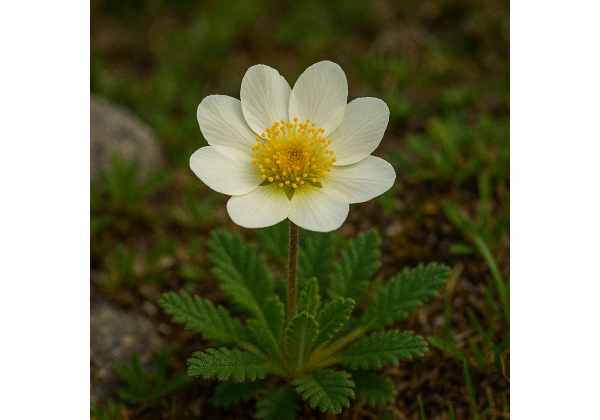
Mountain avens, botanically known as Dryas octopetala, is a small evergreen alpine plant with white flowers, leathery leaves, and a long history of cultural...
Mountain Ash for Antioxidant Support, Traditional Remedies, and Safe Use
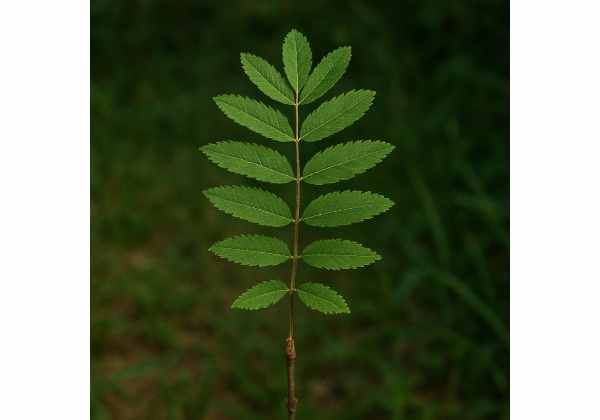
Mountain ash, better known botanically as Sorbus aucuparia and often called rowan, is a small tree with bright orange-red berries and a long place...