
Milkwort (Polygala vulgaris): Uses, Medicinal Properties, Respiratory Support, and Side Effects
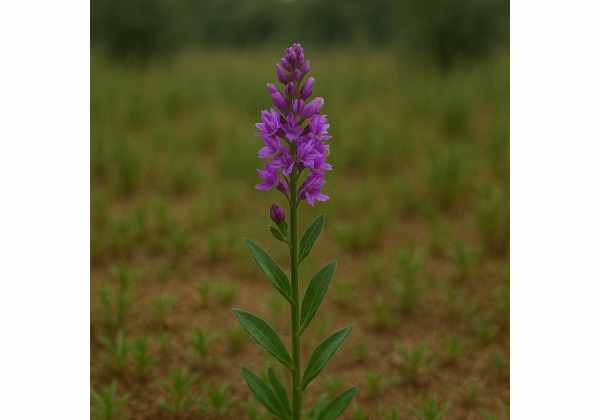
Milkwort, usually identified botanically as Polygala vulgaris, is a small European meadow herb with a surprisingly long medicinal history. Traditional herbal systems valued it...
Milkweed (Asclepias syriaca): Medicinal Properties, Health Benefits, Uses, Preparation, and Safety
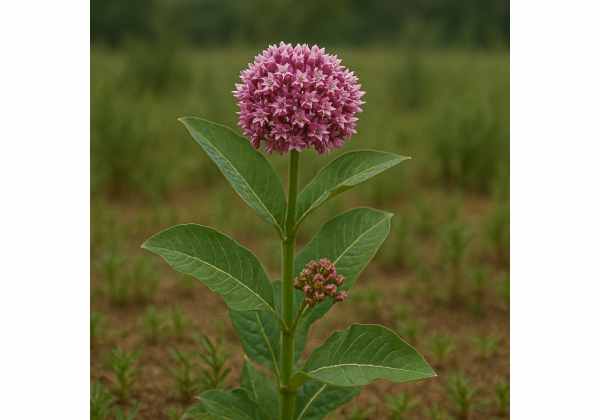
Milkweed, especially common milkweed (Asclepias syriaca), is a striking North American plant with a long history of traditional use and a much more complicated...
Milk Thistle for Liver Health, Key Compounds, Dosage, and Side Effects
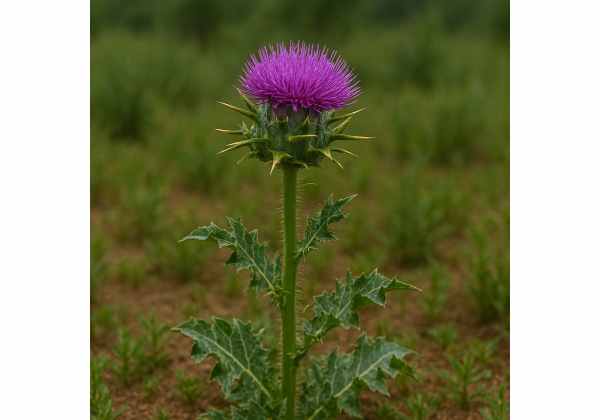
Milk thistle, or Silybum marianum, is a spiny purple-flowered plant best known for one reason: its long history as a liver-focused herb. Modern interest...
Melissa Benefits for Stress Relief, Better Sleep, Digestion, and Safe Use
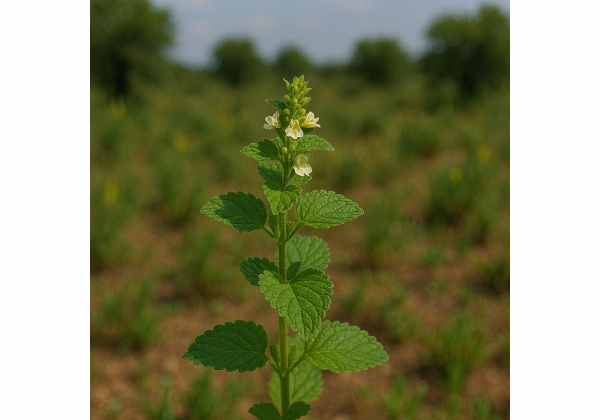
Melissa, better known as lemon balm, is one of those herbs that feels easy to like because its uses are practical, familiar, and surprisingly...
Melilot Uses for Circulation Support, Medicinal Properties, Dosage, and Side Effects
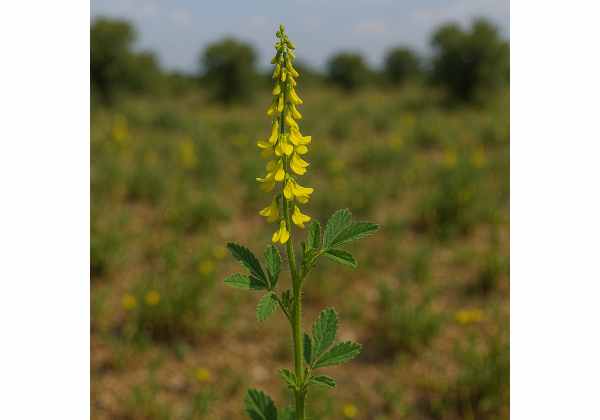
Melilot, also called yellow sweet clover, is a fragrant flowering herb with a long history in European herbal medicine. The dried aerial parts of...
Mediterranean Thyme: Antimicrobial Benefits, Traditional Uses, and Safety Guide
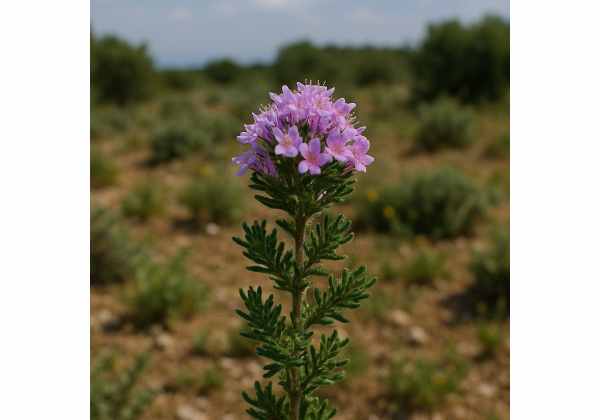
Mediterranean thyme, most often identified botanically as Thymbra capitata, is a strongly aromatic shrub from the mint family that grows across dry, sunny parts...
Mediterranean Hartwort Benefits, Key Ingredients, Dosage, and Precautions
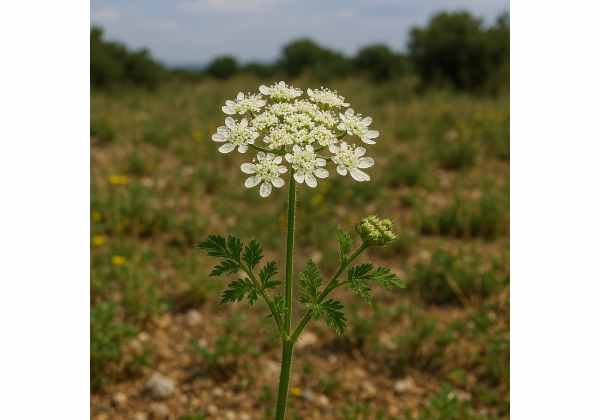
Mediterranean hartwort, Tordylium apulum, is a wild Apiaceae plant native to the Mediterranean basin, where it has long been gathered more as a seasonal...
Meadowsweet for Digestion, Minor Aches, and Common Cold Support
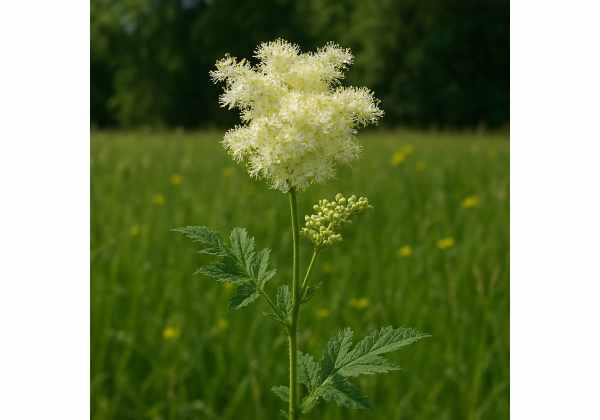
Meadowsweet is one of those herbs that seems to bridge two worlds at once. On one side, it is a graceful meadow plant with...
Meadow Thistle (Cirsium dissectum) Plant Chemistry, Potential Benefits, and Practical Guidance
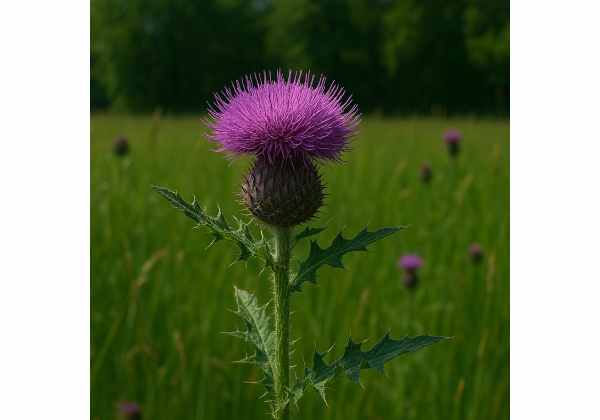
Meadow thistle, or Cirsium dissectum, is a striking wet-meadow plant from northwestern Europe, recognized more often by botanists and conservationists than by herbal practitioners....
Meadow Sage for Antioxidant Support, Folk Tea Use, Dosage, and Precautions
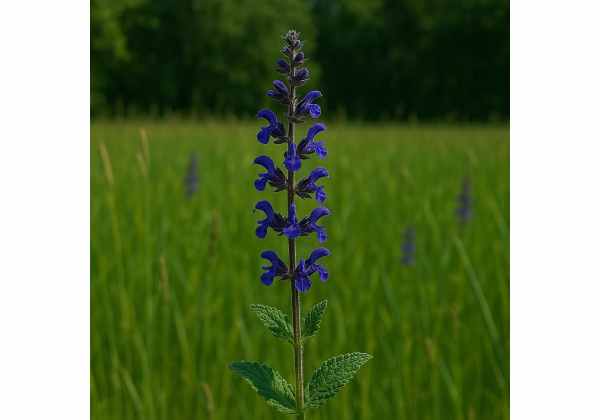
Meadow sage is a vivid blue-violet wildflower from the mint family that attracts gardeners, pollinators, and increasingly, herbal curiosity. Botanically, it is Salvia pratensis,...
Meadow Rue (Thalictrum flavum) uses, active compounds, and interaction cautions
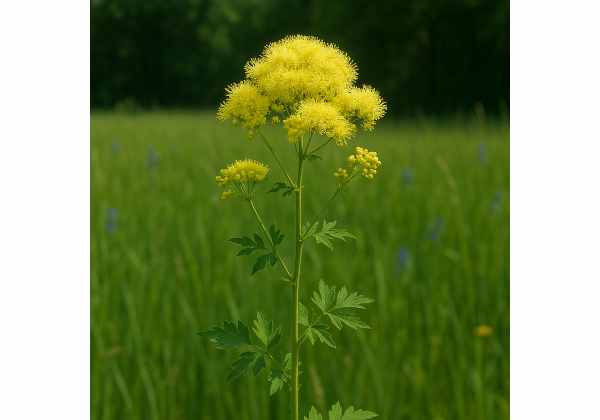
Meadow Rue, botanically known as Thalictrum flavum, is a striking wetland and meadow plant with airy yellow flowers and a long but uneven history...
Meadow Larkspur: Delphinium exaltatum Properties, Uses, and Safety Warnings
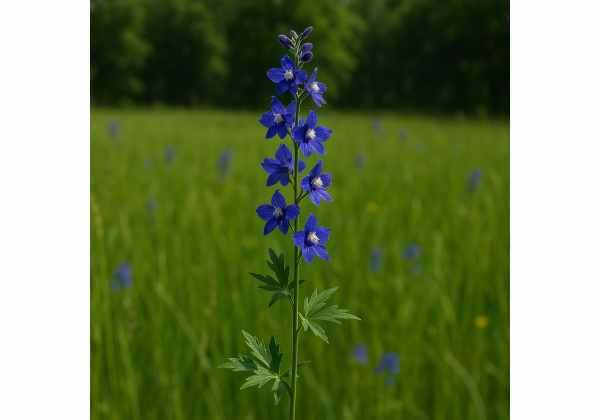
Meadow larkspur, identified botanically here as Delphinium exaltatum, is a striking North American wildflower with tall blue-violet flower spikes and a long history of...
Meadow Foxtail Key Ingredients, Traditional Uses, and Side Effects
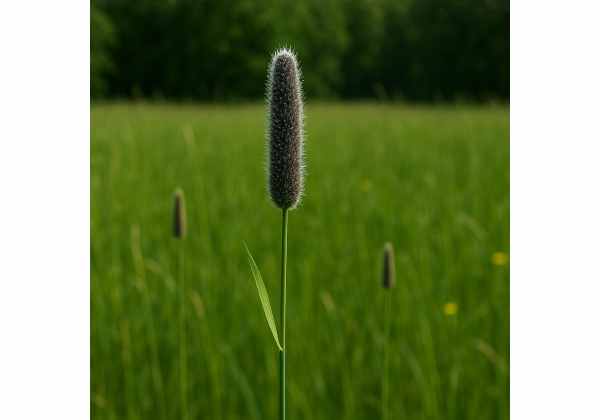
Meadow foxtail, Alopecurus pratensis, is an early-flowering perennial grass best known from meadows, pastures, hay fields, and river valleys across temperate regions. It is...
Meadow Fescue (Festuca pratensis) Medicinal Properties, Limitations, and Allergy Concerns
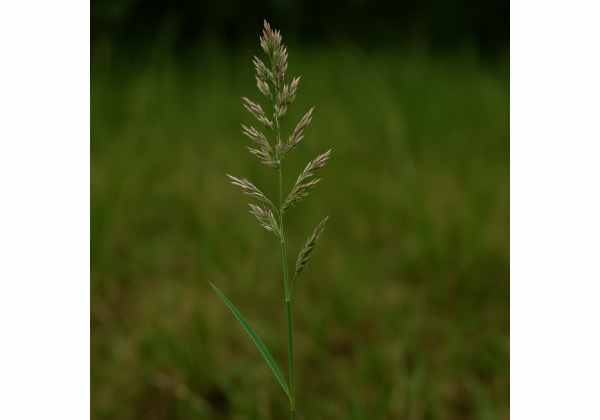
Meadow fescue, or Festuca pratensis, is a cool-season grass best known as a pasture and forage plant rather than a classic medicinal herb. That...
Meadow Crane’s-Bill for Mouth Irritation, Gut Support, Dosage, and Precautions
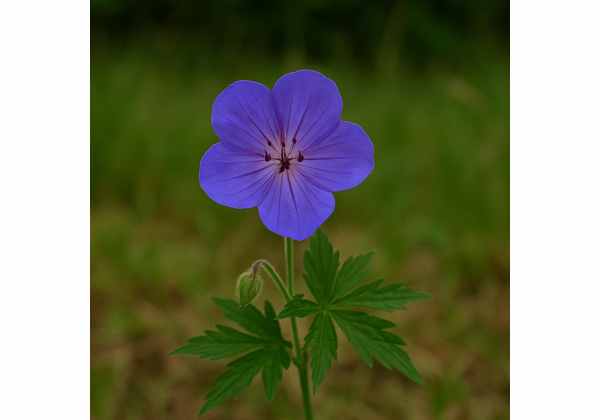
Meadow crane’s-bill is a striking blue-flowered meadow plant with a longer medicinal history than most gardeners realize. Botanically known as Geranium pratense, it belongs...
Meadow Bistort for Diarrhea, Mouth Irritation, and Proper Herbal Use
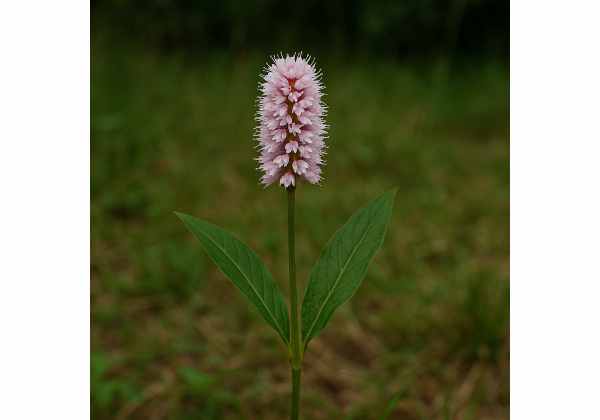
Meadow bistort, also known as common bistort, adderwort, or snakeweed, is a perennial herb best known for its dense pink flower spikes and its...