
Java Cardamom (Elettaria cardamomum) digestive health, metabolism, and antioxidant effects
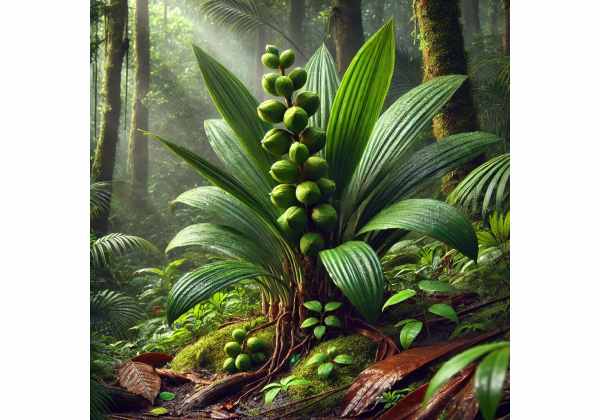
Java cardamom (Elettaria cardamomum), often called “Queen of Spices,” is a fragrant spice native to the forests of southern India and cultivated extensively in...
Java Apple Uses, Key Nutrients, Therapeutic Properties, and Safety

Java Apple, scientifically known as Syzygium samarangense, is a tropical fruit native to Southeast Asia and widely cultivated for its crisp texture, juicy flesh,...
Jatamansi Uses for Sleep, Stress Relief, and Safety

Jatamansi, Nardostachys jatamansi, is a high-altitude Himalayan herb best known for its fragrant rhizome and root, which have been used for centuries in Ayurveda,...
Jasmine (Jasminum officinale) Key Ingredients, Health Benefits, and Precautions
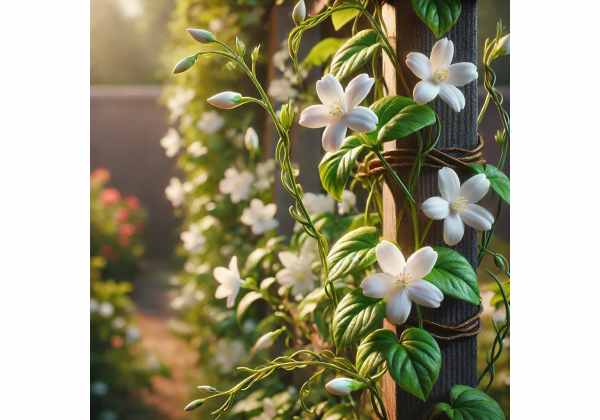
Jasmine is one of the world’s most admired aromatic plants, prized not only for its elegant white flowers but also for its long history...
Japanese Sweet Flag for Digestion, Memory Support, Dosage, and Safety
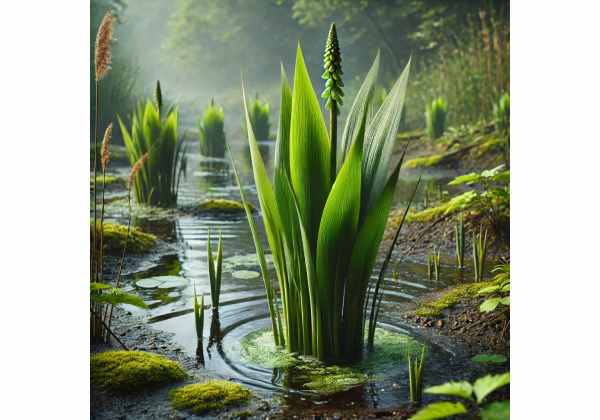
Japanese sweet flag, identified here as Acorus calamus, is an aromatic wetland herb whose rhizome has been used for centuries in traditional medicine. It...
Japanese Spikenard (Aralia cordata) medicinal properties, active compounds, and precautions

Japanese spikenard (Aralia cordata) is a perennial herb native to East Asia, long valued for its edible shoots, medicinal roots, and traditional use in...
Japanese Pepper for Digestion, Circulation, and Antioxidant Support
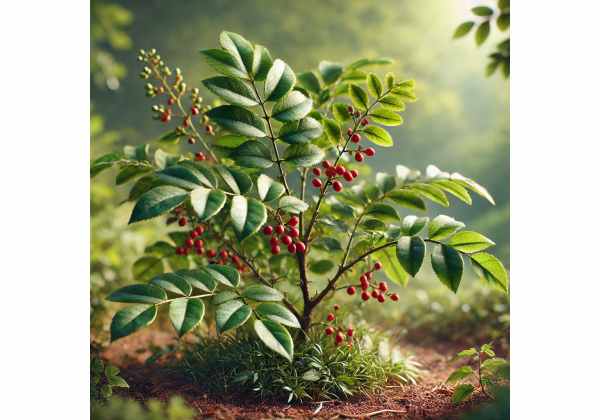
Japanese pepper, scientifically known as Zanthoxylum piperitum, is a small deciduous shrub native to East Asia, highly valued in both culinary and traditional medicinal...
Japanese Parsley Uses, Key Compounds, Dosage, and Safety Guide
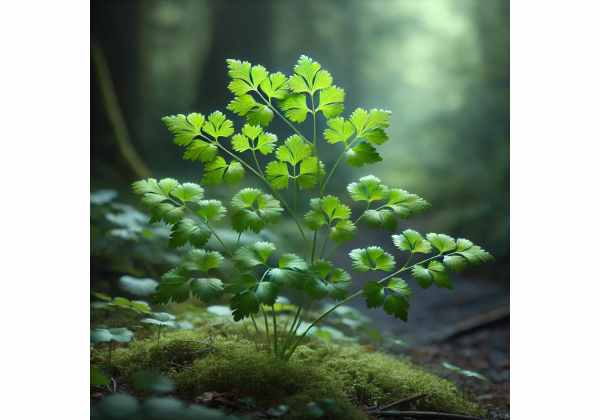
Japanese parsley, better known as mitsuba, is a delicate leafy herb from East Asia that sits somewhere between a culinary garnish and a traditional...
Japanese Mugwort Medicinal Properties, Uses, and Dosage Facts
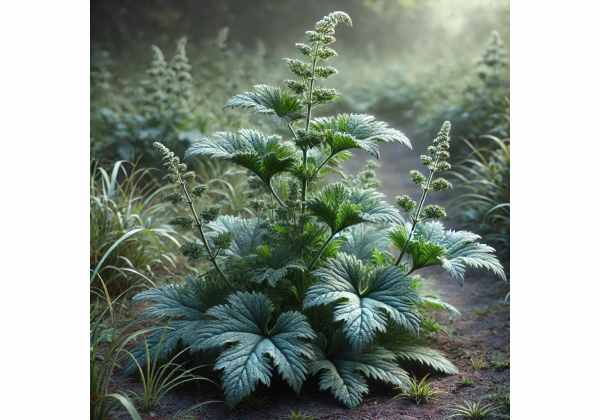
Japanese mugwort, Artemisia princeps, is an aromatic East Asian herb that lives at the crossroads of food, folk medicine, and formal herbal practice. In...
Japanese Knotweed for Inflammation, Circulation, Dosage, and Safety
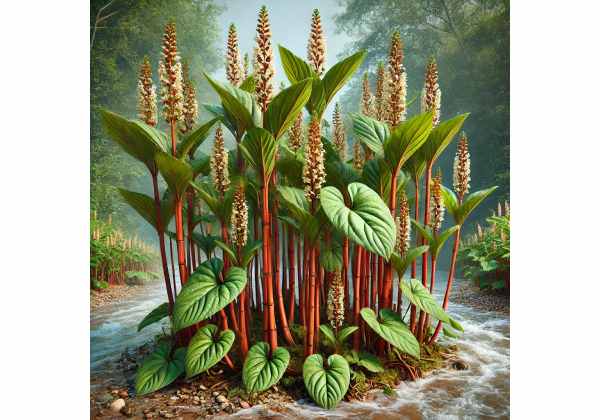
Japanese knotweed, botanically known as Reynoutria japonica, is one of those plants that carries two very different reputations at once. In many countries it...
Japanese Horseradish (Wasabia japonica) anti-inflammatory benefits, uses, and safety

Japanese horseradish, better known worldwide as wasabi, is one of those plants that people think they know until they meet the real thing. The...
Japanese Honeysuckle Benefits for Sore Throat, Inflammation, and Herbal Use

Japanese honeysuckle, or Lonicera japonica, is a fragrant climbing vine best known in herbal medicine for its flower buds and newly opened flowers. In...
Japanese Ginger Benefits for Digestion, Antioxidant Support, and Metabolic Health
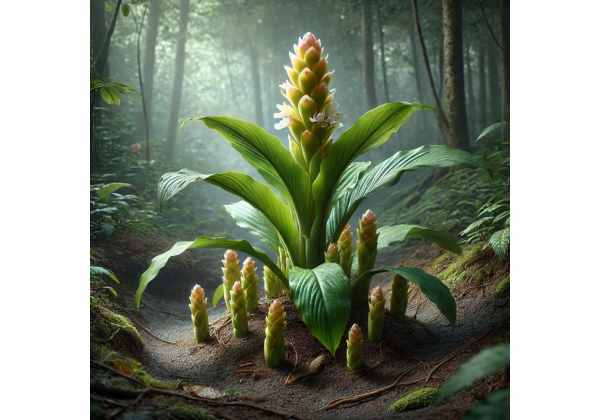
Japanese ginger, better known in Japan as myoga, is a distinctive member of the ginger family grown mainly for its unopened flower buds and...
Japanese Cornel for Kidney Support, Aging, and Safe Use

Japanese cornel, Cornus officinalis, is the dried ripe fruit of an East Asian dogwood long used in traditional Chinese, Korean, and Japanese medicine. In...
Japanese Barberry (Berberis thunbergii) Key Ingredients, Health Uses, and Dosage Guide

Japanese barberry is a thorny deciduous shrub best known as an ornamental plant, but its story is more complex than its landscaping role suggests....
Japanese Angelica Tree Dosage, Benefits, Traditional Uses, and Safety Guide

Japanese angelica tree, known botanically as Aralia elata, is an East Asian medicinal and edible plant with a surprisingly broad reputation. Its young spring...