
Corneal Neurotization Surgery for Neurotrophic Keratopathy: Restoring Corneal Sensation

Neurotrophic keratopathy is a debilitating eye condition characterized by impaired corneal sensation, leading to corneal ulcers, scarring, and potential vision loss. Traditional treatments focus...
Corneal Cross-Linking: How This Breakthrough Treatment is Changing the Landscape for Keratoconus Management

Keratoconus is a progressive eye disorder that weakens the cornea, leading to significant vision impairment and, in severe cases, blindness. Traditional treatments, such as...
Corneal Cross-Linking for Corneal Ectasia: How This FDA-Approved Treatment Helps Stabilize Vision

Corneal ectasia, a progressive eye condition characterized by the thinning and bulging of the cornea, poses significant challenges to individuals affected by it. This...
Cooling Therapy for Retinal Ischemia: How Therapeutic Hypothermia Supports Vision Recovery

Retinal ischemia, a condition characterized by insufficient blood flow to the retina, poses a significant threat to vision, often leading to irreversible damage and...
Combining Bifidobacterium and Lactobacillus Strains for Vision Preservation in Retinitis Pigmentosa

Retinitis Pigmentosa (RP) is a group of inherited disorders that cause progressive peripheral vision loss and can ultimately lead to blindness. As research into...
Cinquefoil benefits, medicinal uses, dosage, and side effects

Cinquefoil (Potentilla reptans), often called creeping cinquefoil, is a low-growing Rosaceae plant with five-fingered leaves and small yellow flowers. While it can look like...
Cinnamon Basil (Ocimum basilicum ‘Cinnamon’) Benefits for Digestion, Tea Uses, Safety, and Dosage Explained

Cinnamon basil (Ocimum basilicum ‘Cinnamon’) is a fragrant basil cultivar that bridges two familiar worlds: the bright, green sweetness of basil and the warm,...
Cinnamon Ceylon vs cassia, coumarin safety, uses, and daily dosing guide

Cinnamon (Cinnamomum verum), often called Ceylon cinnamon or “true cinnamon,” is the sweet, aromatic inner bark of an evergreen tree traditionally grown in Sri...
Cilantro for digestion support, metabolic health, dosage, and precautions
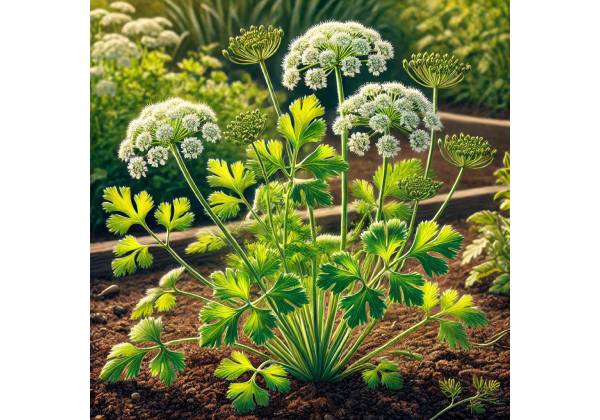
Cilantro is one of those everyday herbs that quietly does a lot. The fresh leaves and tender stems of Coriandrum sativum bring a bright,...
Chrysanthemum tea benefits, medicinal uses, dosage, and side effects

Chrysanthemum (Chrysanthemum morifolium) is more than an ornamental flower. In many East Asian traditions, the dried flower head—often called ju hua—is brewed into a...
Christmas Bush health benefits, medicinal properties, preparation methods, and precautions

Christmas bush (Alchornea floribunda) is a forest shrub or small tree native to tropical Africa, traditionally valued both as a practical household remedy and...
Chocolate Vine (Akebia quinata) urinary support, diuretic properties, how to use it, and safety

Chocolate vine (Akebia quinata) is a twining woodland vine native to East Asia, prized for its unusual “chocolate-scented” flowers and its purple, pod-like fruit....
Chocolate Mint benefits, menthol compounds, medicinal uses, dosage, and side effects

Chocolate mint (Mentha x piperita ‘Chocolate’) is a fragrant peppermint cultivar loved for its dessert-like aroma and its familiar cooling “mint” feel. In the...
Chives health benefits, key nutrients, medicinal properties, and precautions
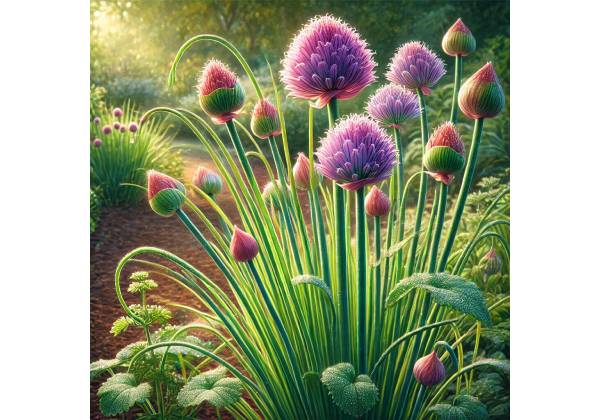
Chives (Allium schoenoprasum) are the quiet achievers of the herb world: mild, oniony, and easy to add to nearly any meal, yet surprisingly nutrient-dense...
Chinese Yam benefits, gut health support, key ingredients, dosage, and side effects

Chinese yam is a starchy, mildly sweet tuber used both as food and as a traditional medicinal ingredient in East Asia. Botanically known as...
Chinese Wolfberry for eye health, antioxidants, dosage, and safety

Chinese wolfberry, also known as goji berry or gou qi zi, is the bright red dried fruit of Lycium barbarum, a plant long used...