
Why Am I Always Bloated? Daily Triggers and When to Get Checked

Daily bloating can feel like a mystery: you wake up fine, then by afternoon your abdomen feels tight, full, or visibly larger—sometimes after foods...
Yellow Poop: Fat Digestion, Diet Causes, and When It’s a Red Flag

Seeing yellow stool can be unsettling, especially when it happens more than once. The good news is that stool color is naturally variable, and...
Zinc L-Carnosine for Gastritis: Benefits, Dosing, and Safety
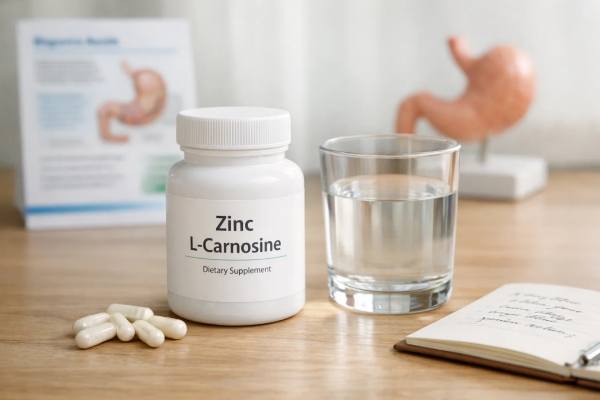
Gastritis can feel deceptively simple—burning, nausea, early fullness—yet it often has several overlapping drivers, from irritation after an NSAID to chronic inflammation linked to...
“Can’t Take a Deep Breath” with a Cold: Congestion vs Anxiety vs Asthma vs Something Urgent

A cold can make breathing feel strangely “off” even when your lungs are working well. Swollen nasal passages force you to mouth-breathe, thick mucus...
2025–2026 COVID Vaccine Guidance: Who Should Get It Under Shared Decision-Making

When COVID-19 vaccine guidance is framed as shared decision-making, the goal is not to make vaccination “uncertain.” The goal is to make it intentional—matching...
2025–2026 Flu Vaccine: Why It’s Trivalent Now and What That Means for Protection

If you have noticed that the 2025–2026 flu shot is described as trivalent, you are not imagining a shift. For years, many seasonal flu...
Acetaminophen and Alcohol: Liver Risk When You’re Sick and How to Dose Safely

When you are sick, acetaminophen (also called paracetamol) can feel like the most reliable tool you have: it lowers fever, eases aches, and is...
Acetaminophen vs Ibuprofen for Fever and Body Aches: Which to Choose?

When you feel sick, fever and body aches can turn even simple tasks into work. Acetaminophen (Tylenol) and ibuprofen (Advil, Motrin) are the two...
Acute Bronchitis: How Long It Lasts and Best Home Treatments

Acute bronchitis can feel dramatic: a relentless cough, a heavy chest, and the sense that your lungs are “irritated” with every breath. The good...
Adenovirus: Sore Throat, Pink Eye, and How Long You’re Contagious

Adenovirus is one of those infections that can feel like two illnesses at once: a harsh sore throat and a stubborn “pink eye” that...
Air Purifiers for Allergies and Colds: What Helps and What Doesn’t

If you are sneezing through spring pollen or dragging yourself through a cold, an air purifier can feel like a simple, practical upgrade: plug...
Air Quality and Cough: When Pollution Triggers Respiratory Symptoms
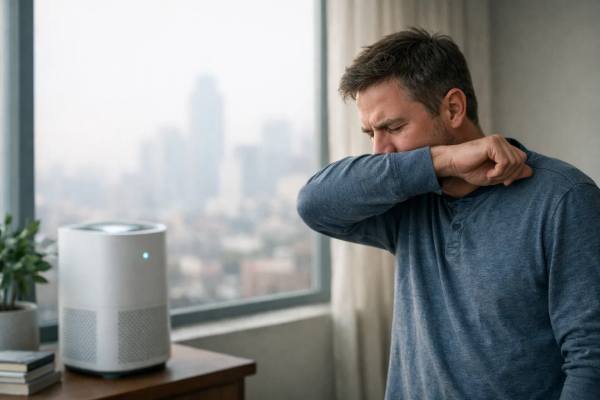
A cough is often blamed on a cold, but air quality can be the hidden driver—especially during wildfire smoke, high-traffic smog, dusty winds, or...
Albuterol for Cough: Who Benefits and When to Avoid It
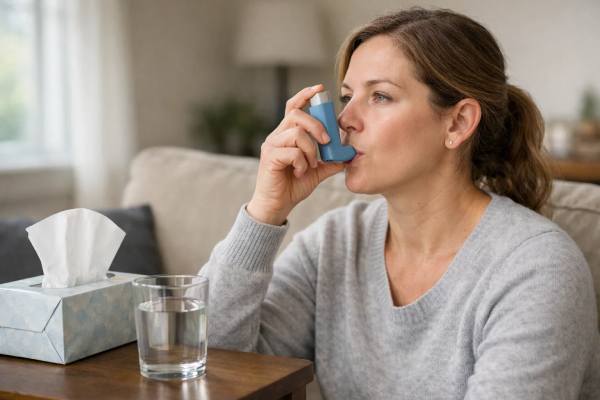
A stubborn cough can make people reach for whatever might “open the lungs,” and albuterol is often the first medication that comes to mind....
Alcohol and the Immune System: Does Drinking Increase Your Risk of Catching Colds or Flu?

Most people think about alcohol in terms of mood, sleep, or the next-day headache. Fewer think about what it does to the immune system—especially...
Allergies vs Cold: Runny Nose, Sneezing, and What’s Different

A runny nose can feel deceptively simple—until you have to decide whether you are contagious, whether you should cancel plans, and which medicine actually...
Antibiotics After a Viral Illness: When a “Secondary Infection” Is Real (Sinus, Ear, Pneumonia)

A lingering cough after a cold can feel like your body is “stuck,” and it is easy to assume bacteria have moved in and...