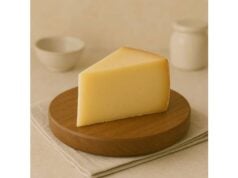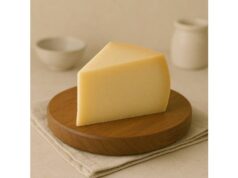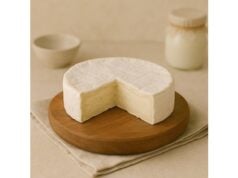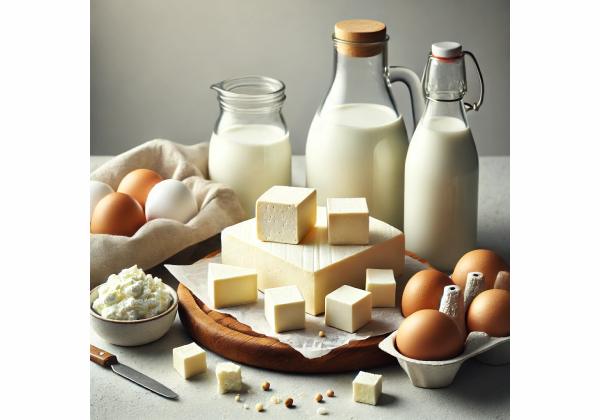
Paneer cheese—India’s beloved fresh, non-melting cheese—brings a rare mix of versatility, mild flavor, and sturdy texture to everyday cooking. Made by curdling hot milk with an acid (like lemon juice), paneer sets into a tender block that can be sliced, cubed, crumbled, or blended. In home kitchens and restaurants alike, it stands up to sautéing, grilling, and simmering in sauces without dissolving, so you get creamy bites that hold their shape. Nutritionally, paneer is rich in complete dairy protein, calcium, and phosphorus with very few carbohydrates, making it easy to fit into higher-protein or lower-carb meal patterns. It’s also naturally free of rennet and eggs, so it’s widely used by lacto-vegetarians. As with all cheeses, portion size and preparation matter: choose pasteurized milk sources, pay attention to salt levels in packaged options, and balance your plate with vegetables, legumes, and whole grains. Below, you’ll find a practical, evidence-informed guide to paneer’s nutrition, health effects, risks, selection, storage, cooking, and smart portions.
Top Highlights
- High-protein, low-carb cheese for satisfying meals; about 21 g protein per 100 g.
- Rich in calcium (≈700 mg per 100 g) supporting bones and teeth; watch saturated fat.
- Typical serving: 50 g (about ⅓ cup cubes), up to several times weekly within your calorie goals.
- Safety: choose pasteurized products; those with milk allergy should avoid; people on levothyroxine or certain antibiotics should separate paneer from doses.
Table of Contents
- Paneer Cheese at a Glance
- Paneer Nutrition Profile (per 100 g)
- Evidence-Based Health Benefits
- Risks, Allergies and Interactions
- Selecting, Quality, Sustainability and Storage
- Preparation, Cooking and Nutrient Retention
- Portions, Comparisons and FAQs
Paneer Cheese at a Glance
Paneer is a fresh, acid-set dairy cheese with roots across the Indian subcontinent. Unlike aged rennet-set cheeses, paneer is produced by heating milk to near-boiling, then adding an acid (commonly lemon juice, vinegar, or citric acid). The casein proteins coagulate and entrap fat and minerals; the curds are then drained and pressed. This simple technique yields a clean, milky flavor and a firm, springy bite. Because paneer is not aged or ripened, it does not develop tangy or funky notes; instead, it happily absorbs spices, aromatics, and sauces.
What makes paneer so useful in the kitchen is its non-melting character. It browns on the surface yet remains tender inside, so it’s equally at home in simmered curries (paneer makhani), dry sautés (paneer bhurji), smoky tandoor-style kebabs, and salads. Cubes can be marinated and skewered, tossed into stir-fries, folded into wraps, or pan-seared as a quick protein side. It also crumbles well, serving as a vegetarian stand-in for scrambled eggs or ricotta in stuffed vegetables.
Nutritionally, paneer typically provides substantial protein with minimal carbohydrate and notable calcium and phosphorus. Sodium content varies widely: unsalted homemade paneer is naturally low in sodium, while packaged or brined versions can be much higher. Fat is predominantly saturated, as in most dairy cheeses, so portions and overall dietary pattern are important. For people who avoid rennet for religious or personal reasons, paneer is rennet-free when made traditionally with acid alone.
Key variables that influence nutrition and texture include the milk source (cow, buffalo, or mixed), fat level (full-fat vs. reduced-fat milk), acid type, pressing time, and added salt. Freshness matters, too: paneer is a ready-to-eat cheese with a short refrigerated shelf life—best texture within a few days. When you buy, prioritize pasteurized milk sources and clear labeling; when you make it at home, clean equipment and rapid cooling are the foundations of food safety.
Finally, paneer is not synonymous with “cottage cheese” despite occasional translations. It is closer to pressed farmer’s cheese: sliceable, sauté-ready, and designed to keep its shape in hot dishes—an attribute that makes it a staple protein in many vegetarian households.
Paneer Nutrition Profile (per 100 g)
Below are typical values for unsalted, full-fat paneer made from pasteurized whole milk. Actual numbers vary by milk type (cow vs. buffalo), fat standardization, pressing, and whether salt is added. Use the % Daily Value (%DV) as a guide (U.S. FDA DVs).
Macros and Electrolytes (per 100 g)
| Nutrient | Amount | %DV |
|---|---|---|
| Energy | 318 kcal | — |
| Protein | 21.2 g | 42% |
| Total fat | 25.0 g | 32% |
| Saturated fat | 16.0 g | 80% |
| Trans fat | 0 g | — |
| Total carbohydrate | 3.5 g | 1% |
| Total sugars | 2.8 g | — |
| Dietary fiber | 0 g | 0% |
| Sodium* | 18 mg | 1% |
| Potassium | 100 mg | 2% |
Fats and Fatty Acids
| Component | Amount | %DV |
|---|---|---|
| Total fat | 25.0 g | 32% |
| Saturated fatty acids | 16.0 g | 80% |
| Monounsaturated fatty acids | 3.3 g | — |
| Polyunsaturated fatty acids | 0.5 g | — |
| Omega-3 fatty acids | 0.08 g | — |
| Omega-6 fatty acids | 0.58 g | — |
Vitamins
| Vitamin | Amount | %DV |
|---|---|---|
| Vitamin A (RAE) | 212 µg | 24% |
| Vitamin B12 | 0.28 µg | 12% |
| Vitamin D | Trace (non-fortified) | — |
Minerals
| Mineral | Amount | %DV |
|---|---|---|
| Calcium | 700 mg | 54% |
| Phosphorus | 350 mg | 28% |
| Zinc | 2.7 mg | 25% |
| Magnesium | 25 mg | 6% |
Glycemic and Acid–Base Notes
- Carbohydrates are very low; glycemic impact is minimal in typical portions.
- As a dairy protein food, paneer contributes dietary acid load; pair with vegetables and legumes to balance overall meal alkalinity.
Allergens & Intolerance Markers
- Contains milk proteins (casein, whey) and lactose (reduced compared with milk but not zero). Tolerance varies by individual.
Additives & Fortification
- Traditional paneer has no additives beyond acid and salt. Packaged versions may include acidity regulators or stabilizers; read labels. Vitamin D fortification is uncommon.
Footnotes:
- Sodium can be substantially higher in brined or salted products. Values shown reflect unsalted, full-fat paneer.
- %DV uses current FDA Daily Values: e.g., calcium 1300 mg, total fat 78 g, saturated fat 20 g, sodium 2300 mg, protein 50 g.
Evidence-Based Health Benefits
1) High-quality protein for muscle and satiety
Paneer provides complete dairy protein (rich in casein), delivering around 21 g per 100 g. Casein digests slowly, supplying a sustained amino acid stream that can support muscle maintenance, especially when meals are spaced several hours apart. In practical terms, adding 50 g paneer (≈10–11 g protein) to a vegetable-heavy lunch helps move a meal toward a target of ~20–30 g protein—often used in research as a threshold for muscle protein synthesis in adults.
2) Bone and dental support from calcium and phosphorus
At roughly 700 mg calcium per 100 g with complementary phosphorus, paneer is a dense source of skeletal minerals. Consistent calcium intake—within overall calorie goals—supports bone mineral density over the long run, especially when paired with vitamin D and resistance activity. For people who consume little meat or fish, paneer offers an accessible, culinary-friendly way to meet a large fraction of daily calcium in small portions.
3) Blood-sugar friendly profile
With very low carbohydrate and zero fiber, paneer on its own has minimal glycemic impact. In mixed meals, swapping refined-carb volume for paneer can lower the meal’s glycemic load and may improve fullness. The best results come when paneer is combined with non-starchy vegetables, legumes, or whole grains to bring fiber and micronutrients into the same plate.
4) Cardiovascular risk: overall neutral to modestly favorable in typical intakes
Current large-scale evidence suggests that moderate dairy consumption (including cheese) is not associated with higher cardiovascular disease (CVD) risk and may be linked to a small reduction in CVD and stroke incidence—especially for cheese and low-fat dairy within balanced diets. The net effect depends on context: your whole diet pattern, energy balance, and how paneer is prepared (e.g., fried vs. grilled). If saturated fat is a concern, keep portions modest and emphasize vegetables, pulses, and unsaturated fats elsewhere in the day.
5) Practical benefits for vegetarians
Paneer is rennet-free and egg-free, aligning with lacto-vegetarian traditions. It offers culinary structure—cubes that brown, crumble that binds patties, and slices that layer sandwiches—so it can stand in for meat in formats where tofu might be too delicate or halloumi too salty.
6) Digestive tolerance for some with lactose sensitivity
Because paneer is made by curdling and draining whey, it typically contains less lactose than milk. Many people with lactose intolerance find small portions of cheese more tolerable, especially when eaten with a mixed meal. Tolerance is highly individual—start small and assess.
Bottom line: In realistic, balanced portions, paneer is a handy protein-and-calcium vehicle that fits into higher-protein or lower-carb patterns and can be part of heart-smart diets—provided saturated fat and sodium are managed and plates are built around vegetables, pulses, and whole grains.
Risks, Allergies and Interactions
Allergy and intolerance
- Milk allergy: Paneer contains casein and whey; those with confirmed milk allergy must avoid it entirely.
- Lactose intolerance: Lactose is reduced compared with milk but not absent. Many can tolerate small servings with meals. Introduce gradually and monitor symptoms.
Food safety
- Pasteurization matters. Fresh, high-moisture cheeses made from unpasteurized (raw) milk have a higher risk of harboring Listeria monocytogenes, a bacterium that can cause severe illness, particularly in pregnancy, older adults, and immunocompromised people. Always choose pasteurized sources. If you’re in a high-risk group and you still wish to enjoy soft or fresh cheeses, use thoroughly cooked dishes (e.g., simmered paneer in a hot curry) served steaming hot.
- Refrigeration and handling: Keep paneer at ≤4 °C (≤40 °F), minimize time at room temperature, and consume opened packages within 3–4 days.
Nutrients to watch
- Saturated fat: About 16 g per 100 g is a large fraction of the daily limit. Manage portion sizes and the rest of the day’s saturated fat (e.g., choose leaner proteins and plant oils elsewhere).
- Sodium: Unsalted paneer is naturally low in sodium, but brined/salted brands can be much higher. Read labels.
Medication interactions (timing guidance)
Calcium in dairy can bind certain medicines in the gut and reduce absorption. If you take any of the following, separate paneer (and other calcium-rich foods) from doses as advised by your prescriber or label:
- Levothyroxine: Take on an empty stomach; keep at least 4 hours before/after calcium-rich foods or supplements.
- Tetracycline-class antibiotics (e.g., doxycycline): Avoid taking with dairy; separate by several hours per your prescription label.
- Certain fluoroquinolones and other mineral-binding drugs: Follow timing instructions on the label or from your clinician.
Who should limit or avoid paneer?
- People with milk allergy (avoid).
- Those with lactose intolerance who do not tolerate small cheese portions (limit or avoid).
- Individuals advised to restrict sodium or saturated fat (choose unsalted or reduced-fat paneer; keep portions small).
- Anyone on medications affected by calcium–drug interactions (use careful timing).
Environmental sensitivities and histamine
Fresh cheeses are generally lower in histamine than long-aged cheeses, but sensitivity varies. If histamine intolerance is suspected, trial small amounts and track symptoms.
Selecting, Quality, Sustainability and Storage
How to choose paneer
- Pasteurized only: Confirm “pasteurized milk” on the label.
- Texture: Look for a uniform, cohesive block that feels firm yet springy when pressed; avoid sour or yeasty smells.
- Ingredients: Short lists are best—milk, acid (lemon juice/citric acid), optional salt. Some brands add stabilizers; not essential, but not harmful when used appropriately.
- Fat level: Full-fat paneer browns more readily and tastes richer; reduced-fat is leaner but can be drier. Choose based on your needs.
- Sodium: If you monitor sodium, prefer unsalted or “low-sodium” versions or make paneer at home.
Sustainability tips
- Right-size purchases: Paneer has a short shelf life; buy what you’ll finish in a few days.
- Local sourcing: Choosing local dairies can lower transport emissions and improve freshness.
- Plant-forward meals: Build plates around vegetables, legumes, and whole grains; use paneer as the protein accent rather than the centerpiece.
- Packaging: Favor minimal packaging or recyclable materials; drain brine responsibly.
Storage and shelf life
- Refrigerator (unopened): Use by the “best before” date.
- Refrigerator (opened): 3–4 days tightly wrapped, submerged in fresh, clean water for moist varieties if recommended by the brand (change water daily).
- Freezer: Paneer freezes fairly well; portion in cubes, wrap tightly, and freeze for up to 2–3 months. Texture may become slightly crumbly; best for cooked dishes.
Quality troubleshooting
- Crumbly paneer: Insufficient pressing or low fat; press longer and use whole milk next time.
- Rubbery texture: Over-pressing or high heat for too long; reduce pressing time and cook more gently.
- Sour notes: Over-acidification or aging too long in the fridge; use just enough acid to separate curds and consume fresh.
Preparation, Cooking and Nutrient Retention
Homemade paneer (step-by-step)
- Heat the milk: Bring 2 liters of whole milk just to a gentle boil, stirring to avoid scorching.
- Acidify: Reduce heat; drizzle 3–4 tbsp lemon juice (or 1–1½ tsp citric acid dissolved in water), stirring until curds separate and whey turns translucent.
- Drain: Pour through a clean, fine cheesecloth in a colander; rinse curds briefly with warm water to remove residual acid.
- Press: Gather cloth, twist gently, then press under a flat weight (≈1–2 kg) for 20–40 minutes. Longer pressing = firmer paneer.
- Chill: Unwrap and refrigerate the block at least 30 minutes before cutting.
Cooking methods that keep nutrients and texture
- Quick sear: Pan-sear cubes in a thin film of oil until golden; this browns the surface for flavor while limiting oil uptake.
- Simmer gently: Add browned or fresh cubes to hot sauces and simmer briefly to avoid toughening.
- Grill/broil: Marinate (yogurt + spices + lemon + a little oil) 20–30 minutes; cook over high heat just to color.
- Crumble: Fold into scrambled eggs or sautéed vegetables to boost protein without deep-frying.
- Air-fry or oven-roast: Lightly oiled cubes at high heat create crisp edges with minimal added fat.
Marinades and flavor pairing
- Acids (lemon, yogurt) plus salt and spices penetrate the porous surface; 20–30 minutes is usually enough.
- Pair with tomatoes, spinach, bell peppers, peas, onions, cilantro, cumin, coriander, garam masala, ginger, and garlic.
- For global flavors, try chimichurri, harissa, or za’atar with a drizzle of olive oil.
Reducing saturated fat and sodium
- Use smaller portions (e.g., 50–75 g) and load the dish with vegetables and legumes.
- Prefer dry sautés, grilling, roasting, and yogurt-based sauces over deep-frying or butter-heavy gravies.
- Choose unsalted paneer and season the dish with herbs, spices, citrus, and toasted nuts.
Retaining micronutrients
- Calcium remains largely within the curd; avoid excessive boiling after adding paneer to sauces.
- If you make paneer at home, consider repurposing whey in flatbreads, broths, or smoothies to capture soluble nutrients (notably some B vitamins).
Food safety in the kitchen
- Sanitize equipment, wash hands, and cool cooked dishes quickly.
- Keep hot foods hot (>60 °C / 140 °F) and cold foods cold (≤4 °C / 40 °F).
- Reheat leftovers to steaming throughout before serving.
Portions, Comparisons and FAQs
Smart portions and frequency
- Typical serving: 50 g (about ⅓ cup cubes). That’s ~160 kcal, ~10–11 g protein, ~12–13 g fat, ~2 g carbs.
- How often? Several times per week can fit well for many people when overall calories, saturated fat, and sodium are balanced across the day. If you have cardiometabolic goals, combine smaller portions with fiber-rich sides and unsaturated fats (e.g., olive oil, nuts).
How paneer compares
- Paneer vs. tofu: Paneer is higher in saturated fat and calcium (if tofu is not calcium-set), with similar or slightly lower protein per 100 g compared with extra-firm tofu. Tofu is lower in calories and saturated fat and is dairy-free.
- Paneer vs. halloumi: Halloumi is typically saltier and sometimes higher in total fat; paneer is less salty (unless brined) and non-melting without squeak.
- Paneer vs. ricotta: Ricotta is wetter and lower in fat; it won’t fry or grill into cubes. Paneer is sliceable and suitable for high-heat cooking.
- Paneer vs. feta: Feta is brined, tangy, and much higher in sodium; paneer is mild and versatile.
FAQs
Is paneer low in lactose?
Lower than milk, but not zero. Many with lactose intolerance tolerate small amounts, especially within meals. Tolerance differs—start with 30–50 g and assess.
Is raw-milk paneer safe?
Fresh cheeses made from unpasteurized milk carry higher Listeria risk. Select pasteurized milk sources, particularly for pregnancy, older adults, and immunocompromised people. Well-cooked dishes reduce risk further.
Can I eat paneer while managing cholesterol or heart risk?
Yes—within a balanced pattern that limits saturated fat, prioritizes vegetables, legumes, whole grains, and incorporates unsaturated fats. Keep portions modest and preparation light.
What about weight management?
Paneer’s protein supports satiety. Pair 50–75 g with a large volume of vegetables and pulses to create high-satiety, moderate-calorie meals.
Medication timing—quick reminder
Separate paneer (and other calcium-rich foods) from levothyroxine by ~4 hours and from doxycycline by several hours (per your prescription label). When in doubt, ask your clinician or pharmacist.
References
- Daily Value on the Nutrition and Supplement Facts Labels | FDA (2024)
- How Listeria Spread: Soft Cheeses and Raw Milk | Listeria Infection | CDC (2025)
- A global analysis of dairy consumption and incident cardiovascular disease – PubMed (2025) (Meta-analysis)
- Eating, Diet, & Nutrition for Lactose Intolerance – NIDDK (2018)
- Indian Food Composition Tables, 2017 (2017)
Disclaimer
This article provides general nutrition and health information about paneer cheese and is not a substitute for professional medical advice, diagnosis, or treatment. Always seek the personalized guidance of your physician or a registered dietitian—especially if you have allergies, lactose intolerance, cardiovascular risk factors, or take medications affected by calcium.
If you found this guide useful, please consider sharing it on Facebook, X (formerly Twitter), or your favorite platform. Your support helps us keep producing clear, practical nutrition content. Thank you.