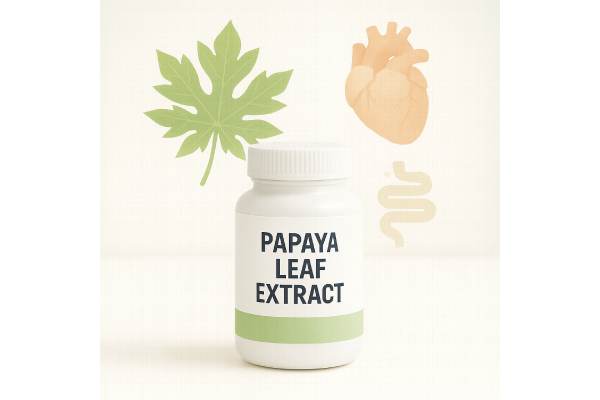
Papaya leaf extract has moved from traditional medicine into modern clinics and supplement aisles, especially in regions where dengue fever and low platelet counts are common. Made from the leaves of the Carica papaya tree, this extract is rich in plant compounds such as flavonoids, phenolic acids, and the enzymes that also make the fruit famous. These components are being studied for their potential to support platelet production, modulate the immune system, and reduce oxidative stress.
Today, papaya leaf is available as fresh juice, teas, capsules, tablets, and liquid extracts. Many people are interested in it as a supportive option for dengue-related thrombocytopenia, chemotherapy-induced low platelets, or general immune support. At the same time, questions remain about how well it works, how much to take, and who should avoid it. This guide walks through the evidence, typical dosages, safety profile, and practical ways to use papaya leaf extract in consultation with a healthcare professional.
Key Insights for Papaya Leaf Extract
- Papaya leaf extract is mainly used as an adjunct to support platelet counts and immune function, especially in dengue and other infections.
- Experimental and clinical data suggest antioxidant, anti-inflammatory, and immunomodulatory effects that may help recovery in selected conditions.
- Common study doses range from about 500–1100 mg standardized extract three times daily or 10–30 mL fresh juice three times daily for up to 5–7 days.
- Papaya leaf extract is not a replacement for standard medical treatment and should be avoided or used only under supervision in pregnancy, liver disease, bleeding disorders, and significant chronic illness.
Table of Contents
- What is papaya leaf extract and how does it work?
- Evidence based benefits of papaya leaf extract
- How to use papaya leaf extract in practice
- Papaya leaf extract dosage guidelines
- Side effects, interactions, and who should avoid it
- What the research really says about papaya leaf extract
What is papaya leaf extract and how does it work?
Papaya leaf extract is a concentrated preparation made from the leaves of the Carica papaya tree, a tropical plant widely grown in Asia, Central and South America, and Africa. Traditionally, the leaves have been used as teas, decoctions, or juices for fever, digestive discomfort, menstrual problems, and infections. Modern preparations often standardize the extract into capsules, tablets, or syrups to provide more consistent dosing.
Chemically, papaya leaves contain a complex mix of bioactive compounds. These include flavonoids (such as quercetin and kaempferol), alkaloids (like carpaine), tannins, saponins, and phenolic acids. The leaves also hold proteolytic enzymes similar to papain and chymopapain found in the fruit and latex. Together, these components are thought to contribute to antioxidant, anti-inflammatory, antibacterial, and immunomodulatory actions.
The most widely discussed mechanism relates to platelet production. Experimental work suggests that papaya leaf extract can influence genes involved in megakaryopoiesis, the process by which bone marrow cells produce platelets. Upregulation of enzymes such as arachidonate 12-lipoxygenase (ALOX-12) and receptors linked to platelet activation has been reported in preclinical models. This may help increase platelet formation and support recovery from thrombocytopenia.
Papaya leaf extract may also affect viral infections indirectly. Laboratory studies have shown that certain leaf compounds can interfere with viral proteases and reduce inflammatory signaling. In the context of dengue, this could mean less immune-driven damage and a milder drop in platelets, although this effect remains under active investigation and is not yet a standalone treatment.
Finally, its antioxidant properties help neutralize reactive oxygen species, which are elevated during infections and inflammation. By lowering oxidative stress and modulating cytokines, papaya leaf extract may support overall immune resilience. However, these effects can vary depending on the exact preparation, dose, and the person’s underlying health.
Evidence based benefits of papaya leaf extract
Most interest in papaya leaf extract centers on its potential to support platelet recovery in dengue fever and other forms of thrombocytopenia. Multiple clinical studies, including randomized controlled trials, have evaluated standardized tablets or capsules alongside standard care for dengue. In many of these studies, patients taking papaya leaf extract showed faster rises in platelet counts over three to five days, fewer bleeding symptoms, and sometimes shorter hospital stays compared with those receiving placebo or supportive care alone.
Beyond dengue, papaya leaf extract has been explored as a supportive option for thrombocytopenia related to chemotherapy and other infections. Early evidence suggests it may help stabilize or improve platelet counts in some patients, allowing planned treatment schedules to continue with fewer dose reductions or transfusions. These findings are promising but still limited to relatively small studies, so they should be seen as preliminary rather than definitive.
Papaya leaf extract also appears to have broader effects on the immune and inflammatory response. Reviews of experimental research describe antioxidant activity, reduced oxidative stress markers, and modulation of pro-inflammatory cytokines such as tumor necrosis factor alpha and interleukin-6. In animal models of infection and inflammation, these changes have been linked to less tissue damage and improved clinical outcomes.
Another emerging area of interest is antiviral potential. In vitro studies have reported that papaya leaf extracts and isolated compounds can inhibit viral proteases and replication steps for dengue and certain other viruses. This does not mean the extract functions as an antiviral drug in humans, but it provides a mechanistic basis for its supportive use during infections and suggests directions for future drug development.
There are also smaller lines of evidence for benefits in digestion and metabolic health. Traditional use of papaya leaves for digestive discomfort aligns with the presence of proteolytic enzymes and bitter phytochemicals that may stimulate gastric function. Some early work investigates possible effects on blood glucose and lipid levels, though the evidence here is much weaker than for platelet support and should be interpreted cautiously.
Overall, the most credible and clinically relevant benefit at present is as an adjunctive therapy for thrombocytopenia, especially in dengue, not as a replacement for standard medical care. Other potential benefits remain interesting but require more rigorous human research.
How to use papaya leaf extract in practice
Papaya leaf extract can be taken in several forms, each with its own advantages and limitations. The most common in clinical studies is standardized tablets or capsules, which deliver a defined amount of dried leaf extract per dose. These products are typically used under medical supervision for short periods, such as five to seven days during acute illness.
Fresh preparations are also popular, especially in regions where papaya grows easily. Traditional methods include pounding or blending the leaves and squeezing out juice, then consuming it directly or mixed with water or fruit juice. This approach is inexpensive and accessible but leads to variable potency, as the concentration of active compounds depends on leaf maturity, preparation method, and storage conditions.
Other commercial options include syrups, tinctures, and teas. Syrups are often used in children, with doses scaled by age or body weight. Alcohol-based tinctures and glycerites are more common in herbal practice and may offer longer shelf life, but they have not been studied as extensively in clinical trials as tablets and fresh juice. Teas and infusions are gentler and may contain lower concentrations of active compounds, which might be suitable for general wellness rather than targeted platelet support.
When using papaya leaf extract, context matters. In dengue or other causes of low platelets, it should always be an adjunct to standard medical treatment, not a substitute. People with fever, bleeding, or signs of severe illness need prompt evaluation in a clinical setting, including blood tests and supportive therapy. Self-treating serious infections with herbs alone can delay life-saving care.
For general immune support or antioxidant purposes, some practitioners may recommend lower daily doses for limited periods, such as during seasonal infections. Even in these cases, it is important to discuss use with a healthcare professional, especially if you take prescription medicines, are pregnant, or have chronic conditions such as diabetes, liver disease, kidney disease, or autoimmune disorders.
Finally, quality control is crucial. Choose products from reputable manufacturers that provide clear labeling, ingredients, and contact information. If available, look for standardized extracts with batch testing for heavy metals, microbial contamination, and pesticide residues. For home preparations, use clean equipment, discard any material that looks moldy or damaged, and avoid storing fresh juice for long periods at room temperature.
Papaya leaf extract dosage guidelines
There is no single universally accepted dosage for papaya leaf extract, but several clinical studies and traditional practices provide useful reference ranges. In many adult dengue trials, standardized tablets supplying about 500–1100 mg of papaya leaf extract were given three times daily for five days. This corresponds to a total daily dose of roughly 1500–3300 mg of standardized extract, always on top of standard supportive care.
Fresh juice regimens are typically expressed in milliliters rather than milligrams. Common protocols in studies use around 10–30 mL of fresh leaf juice taken three times per day, again for about five days. The actual equivalent in milligrams of dry extract is hard to calculate because it depends on how the juice is prepared and concentrated.
Pediatric dosing is usually adjusted by age or weight. Some syrup formulations have provided around 275–550 mg of extract three times per day across different pediatric age bands, while others scale the dose more precisely by body weight, for example in the range of about 5–20 mg per kilogram per day divided into multiple doses. These regimens have been studied only under medical supervision and should not be copied without professional guidance.
For uses outside acute thrombocytopenia, such as general immune or antioxidant support, lower doses are often employed. Some practitioners might suggest around 500–1000 mg of extract once or twice daily for short periods, for example during recovery from an illness. Because long-term human safety data are still limited compared with short-term use, extended daily intake over many months should be approached cautiously and preferably monitored by a clinician.
Several practical rules can improve safety:
- Follow the instructions on the specific product label, as extracts can differ in strength.
- Start at the lower end of the recommended range, especially if you are sensitive to herbs or have multiple health conditions.
- Use for the shortest duration needed to meet the therapeutic goal, unless a clinician advises otherwise.
- Do not exceed doses used in published human trials without specialist guidance.
People with kidney, liver, or hematological disease should not self-adjust doses and should only use papaya leaf extract if their specialist agrees. Because interactions with some medications are possible, individuals taking blood thinners, antiplatelet drugs, oral hypoglycemic agents, or drugs that rely on certain transporters should seek personalized advice before using papaya leaf products.
Side effects, interactions, and who should avoid it
In human studies and traditional use, papaya leaf extract has generally been well tolerated when taken orally for short periods. The most commonly reported side effects are mild and include nausea, stomach discomfort, heartburn, or a bitter aftertaste. These usually resolve when the product is taken with a small amount of food or discontinued.
Allergic reactions are possible, particularly in people who are sensitive to papaya fruit, latex, or related plants. Symptoms can include itching, rash, swelling, or difficulty breathing. Anyone who experiences signs of allergy after taking papaya leaf extract should stop immediately and seek medical care. Because allergy risk is unpredictable, first doses should be modest, and people with a history of severe food or latex allergies should be especially cautious.
Several safety reviews have examined toxicity in animals and humans. High single doses and subchronic administration in animal models have generally not produced serious organ damage at exposure levels far above those used in human supplements. However, animal data do not guarantee safety for every human, particularly over the long term or in vulnerable groups.
Important cautions include pregnancy and breastfeeding. Out of an abundance of caution, many clinical and regulatory sources advise avoiding papaya leaf extract during pregnancy, as there are concerns about potential uterine effects and insufficient human safety data. Breastfeeding safety has not been established. People with liver disease may also need to avoid or strictly limit use, as some reports suggest caution where hepatic impairment is present.
Drug interactions are another key consideration. Papaya leaf components may influence blood sugar control and could potentially enhance the effects of oral hypoglycemic medications, increasing the risk of low blood glucose. There are also theoretical or emerging concerns about interactions with drugs that depend on certain transporters or that can chelate with plant constituents, as well as with antiplatelet or anticoagulant therapy where platelet function and bleeding risk are already critical.
Groups that should generally avoid papaya leaf extract or use it only with specialist supervision include:
- Pregnant or breastfeeding individuals
- People with significant liver disease or unexplained elevations in liver enzymes
- Those with known papaya or latex allergy
- Individuals with bleeding disorders or on strong blood thinners
- Patients with complicated chronic illnesses already on multiple interacting medications
For everyone else, the key is to treat papaya leaf extract as a potentially helpful but still evolving therapeutic tool. A pre-use conversation with a knowledgeable healthcare professional can clarify whether the expected benefits outweigh the risks in your specific situation.
What the research really says about papaya leaf extract
The scientific story of papaya leaf extract is growing rapidly, but it is not uniform in quality. On the positive side, there are now multiple randomized and controlled trials examining papaya leaf extract or juice in dengue-related thrombocytopenia. Many of these studies report faster rises in platelet counts, earlier achievement of safer platelet thresholds, and sometimes shorter hospital stays or fewer bleeding complications in patients receiving the extract alongside standard care compared with controls.
Meta-analyses and scoping reviews have pooled these trials and generally support a beneficial effect on platelet counts, especially from days three to five after starting treatment. They also emphasize that most trials are relatively small, use different preparations and dosages, and sometimes have design limitations such as open-label methods or incomplete blinding. As a result, while the trend is encouraging, the overall certainty of evidence is moderate rather than high.
Beyond dengue, other lines of research include thrombocytopenia from chemotherapy and various infections. Early clinical data suggest potential benefits in maintaining or improving platelet counts, but the number of high-quality trials is still limited. Larger, well-controlled studies are needed before papaya leaf extract can be firmly recommended for general thrombocytopenia outside dengue.
Mechanistic and preclinical work has helped explain how papaya leaf extract might act. Studies have identified phytochemicals that upregulate genes involved in platelet production, support antioxidant defenses, and modulate inflammatory signaling. Some investigations show direct effects on viral proteases and replication in cell models, which may help reduce viral burden and downstream immune overactivation. These mechanistic findings are consistent with the clinical pattern of improved platelet recovery and reduced inflammatory markers.
Safety research includes both animal toxicity studies and human observational data. Animal work with high doses over weeks to months has generally found no major adverse organ effects. Human reviews conclude that short-term oral use in adults is usually well tolerated, though they stress caution in pregnancy, liver disease, and in people taking interacting medications. Long-term daily use at higher doses has been much less studied, so the risk–benefit profile in that context remains uncertain.
In summary, the most evidence-supported use of papaya leaf extract today is as a short-course adjunct in dengue-related thrombocytopenia under medical supervision. Other potential applications are scientifically interesting but still experimental. Anyone considering papaya leaf extract should see it as an add-on to standard care rather than a stand-alone cure, and decisions should be made in partnership with qualified health professionals.
References
- Carica papaya L. Leaf: A Systematic Scoping Review on Biological Safety and Herb-Drug Interactions 2021 (Systematic Review)
- Efficacy & safety of Carica papaya leaf extract (CPLE) in severe thrombocytopenia (≤30,000/μl) in adult dengue ─ Results of a pilot study 2020 (RCT)
- Delving into the Therapeutic Potential of Carica papaya Leaf against Thrombocytopenia 2022 (Review)
- Carica papaya L. Leaves: Deciphering Its Antioxidant and Therapeutic Potential 2022 (Review)
- Carica papaya Leaf Juice for Dengue: A Scoping Review 2022 (Scoping Review)
Disclaimer
The information in this article is for general educational purposes only and does not constitute medical advice, diagnosis, or treatment. Papaya leaf extract is a biologically active preparation that may interact with medications or underlying health conditions. It should not be used as a substitute for professional medical care, particularly in serious illnesses such as dengue fever, cancer, or bleeding disorders. Always consult a qualified healthcare professional before starting, stopping, or changing any supplement, medication, or treatment plan, and seek urgent medical attention for symptoms such as high fever, severe pain, uncontrolled bleeding, or breathing difficulty.
If you found this guide helpful, you are warmly invited to share it on Facebook, X (formerly Twitter), or any platform you prefer, and to follow our work on social media. Your support in sharing our articles helps our team continue to research, write, and update high-quality health content for readers worldwide.