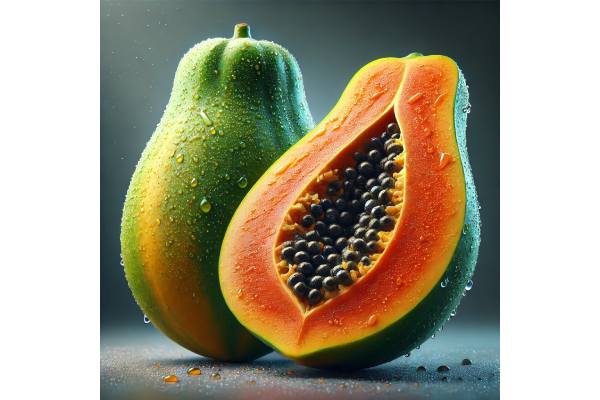
Papaya brings tropical sweetness with practical nutrition. The ripe fruit is juicy, lightly floral, and easy to digest; the green (unripe) fruit is prized in savory dishes for its crisp texture and natural tenderizing enzymes. Per 100 grams, papaya is low in calories yet rich in vitamin C, water, and useful carotenoids like lycopene and beta-cryptoxanthin. It fits a wide range of eating patterns, from quick breakfasts and smoothies to salads, salsas, and curries. Beyond taste, papaya’s high hydration and modest fiber help everyday regularity, while its potassium supports a balanced diet. For some people with latex allergy, papaya may trigger cross-reactions—so informed choices matter. This guide explains what’s inside papaya, how it may support health, who should take care, and the best ways to buy, store, and cook it for maximum flavor and nutrient retention. You’ll also learn realistic portion sizes and how papaya compares to other fruits, so you can make confident, enjoyable choices.
Quick Overview
- One 100 g serving provides ~61 mg vitamin C (≈68% DV) plus carotenoids like lycopene.
- Choose ripe papaya for eating; unripe fruit is best cooked and may contain active proteolytic enzymes.
- Typical serving: 1 cup cubes (145 g), 1–2 times per day within overall fruit goals.
- People with latex allergy or papaya/papain sensitivity should limit or avoid papaya and papaya-enzyme products.
Table of Contents
- Papaya at a Glance: Detailed Overview
- Papaya Nutrition Profile (per 100 g)
- Evidence-Based Health Benefits
- Risks, Allergies and Interactions
- Selecting, Quality, Sustainability and Storage
- Preparation, Cooking and Nutrient Retention
- Portions, Comparisons and FAQs
Papaya at a Glance: Detailed Overview
Papaya (Carica papaya) is a tender, fast-growing tropical fruit originally domesticated in Mesoamerica and now cultivated across warm regions worldwide. Its flavor and texture shift as it ripens. Green papaya is firm, neutral, and mildly peppery; it holds up in stir-fries, salads, and stews. Ripe papaya turns sunset-orange, with soft flesh and melon-like sweetness, perfect for fresh eating. Inside are glossy black seeds with a peppery bite—culinarily edible in small amounts and often used like cracked pepper as a garnish.
From a nutrition standpoint, papaya is notable for its high vitamin C density, modest folate, and meaningful carotenoid content (including lycopene), all with very few calories. Hydration is another advantage: roughly 88% water per 100 g. Its fiber is gentle rather than bulky, making papaya a comfortable choice for many people with sensitive digestion who still want a fruit serving that supports regularity.
Enzymes add a practical twist. Unripe papaya contains proteolytic enzymes (such as papain) used to tenderize meat. These enzymes are inactivated by sufficient heat and are largely absent in fully ripe raw fruit. That’s why green papaya can double as a functional ingredient in marinades and stews, while ripe papaya behaves like a standard fresh fruit.
Culinarily, papaya is versatile: toss cubes with lime and chili for a quick snack; blitz into smoothies; pair with seafood ceviche; fold into yogurt bowls; or shred the green fruit for Thai-style salads. It plays well with citrus, ginger, mint, coconut, and salty cheeses. Because ripe papaya is delicate, simple handling—chill, cut, and serve—preserves both texture and vitamin C.
Finally, if you live with latex allergy or have reacted to papaya or papain products before, consider alternatives or seek tailored guidance. Everyone else can enjoy papaya as part of daily fruit goals, balancing taste with nutrient value.
Papaya Nutrition Profile (per 100 g)
Below are values for raw papaya per 100 g, with approximate % Daily Values (%DV) based on common labeling DVs for adults (2,000 kcal diet). Use these figures as practical guidance when planning meals.
Macros and Key Electrolytes
| Nutrient (per 100 g) | Amount | %DV |
|---|---|---|
| Energy | 43 kcal | — |
| Water | 88.4 g | — |
| Protein | 0.5 g | 1% |
| Total fat | 0.3 g | 0% |
| Carbohydrate | 10.8 g | 4% |
| Dietary fiber | 1.7 g | 6% |
| Total sugars | ~7.8 g | — |
| Sodium | ~8 mg | 0% |
| Potassium | ~182 mg | 4% |
Vitamins
| Vitamin (per 100 g) | Amount | %DV |
|---|---|---|
| Vitamin C (ascorbic acid) | ~61 mg | 68% |
| Vitamin A (RAE) | ~47 µg | 5% |
| Folate (DFE) | ~37 µg | 9% |
| Vitamin E (alpha-tocopherol) | ~0.3 mg | 2% |
| Vitamin K | ~2.6 µg | 2% |
| Thiamin (B1) | ~0.02 mg | 2% |
| Riboflavin (B2) | ~0.03 mg | 2% |
| Niacin (B3) | ~0.36 mg | 2% |
| Vitamin B6 | ~0.04 mg | 2% |
| Pantothenic acid (B5) | ~0.19 mg | 4% |
Minerals
| Mineral (per 100 g) | Amount | %DV |
|---|---|---|
| Calcium | ~20 mg | 2% |
| Iron | ~0.25 mg | 1% |
| Magnesium | ~21 mg | 5% |
| Phosphorus | ~10 mg | 1% |
| Zinc | ~0.08 mg | 1% |
| Selenium | ~0.6 µg | 1% |
Fats and Fatty Acids (for completeness)
| Fatty acids (per 100 g) | Amount |
|---|---|
| Saturated fat | ~0.1 g |
| Monounsaturated fat | ~0.1 g |
| Polyunsaturated fat | ~0.08 g |
Bioactives / Phytonutrients
| Compound (per 100 g) | Typical presence |
|---|---|
| Lycopene | Present (meaningful) |
| Beta-cryptoxanthin | Present |
| Lutein + Zeaxanthin | Present |
Notes: Values reflect raw, ripe papaya. Carotenoid levels vary by cultivar and ripeness. Dried or candied papaya products often contain added sugar and sometimes sulfites; their nutrition and ingredients differ substantially from fresh fruit.
Glycemic and Acid–Base Context
- Papaya’s glycemic impact is generally modest for typical portions because it is high in water and contains fiber.
- The fruit has an alkaline-forming potential in many scoring systems, which may interest readers managing dietary acid load; this does not replace medical guidance for kidney or metabolic conditions.
Evidence-Based Health Benefits
High vitamin C density supports everyday immunity and collagen
Per 100 g, papaya delivers roughly two-thirds of the daily value for vitamin C, a nutrient required for collagen formation (skin, cartilage, blood vessels) and normal immune function. Getting vitamin C from whole foods also helps with non-heme iron absorption from plant foods when meals pair fruit with legumes or grains. Since vitamin C is water-soluble and not stored in large amounts, frequent intake through fruits like papaya is practical.
Hydration and gentle fiber for digestive comfort
Papaya’s 88% water content and modest fiber make it naturally hydrating and easy on the stomach. Many people tolerate papaya well compared with very fibrous fruits. Green (unripe) papaya contains proteolytic enzymes used in cooking to tenderize meat; while these enzymes are not a medical treatment, dishes that include them can feel lighter because proteins soften during preparation.
Carotenoids that contribute to a colorful diet
The orange hue signals carotenoids, notably lycopene and beta-cryptoxanthin. These compounds contribute to overall antioxidant capacity in the diet. Diverse carotenoid intake—think papaya alongside tomatoes, citrus, and leafy greens—supports a balanced mix of phytochemicals across the week.
Cardiometabolic fit within healthy patterns
As a low-energy fruit with potassium and virtually no sodium or saturated fat, papaya fits well in heart-smart eating patterns. Swapping sugary desserts for a bowl of ripe papaya with lime reduces added sugars and increases nutrient density. Because it is sweet yet moderate in sugars per 100 g, papaya can help satisfy cravings while staying aligned with overall goals.
Practical benefits: convenience, versatility, and cost control
A small papaya can yield several servings, and the fruit keeps for a few days once ripe (refrigerated). You can cube and freeze ripe papaya for smoothies, limiting waste. Green papaya stretches protein by tenderizing tougher cuts, enabling budget-friendly meals without sacrificing texture.
Balanced view: Health effects come from overall patterns. Enjoy papaya as part of varied fruit and vegetable intake, sufficient protein, whole grains, and healthy fats. No single fruit prevents or treats disease on its own.
Risks, Allergies and Interactions
Latex–fruit cross-reactivity
Papaya is among fruits linked with latex–fruit syndrome. In people with latex allergy, immune cross-reactivity can trigger oral itching, swelling, hives, or more severe reactions after eating certain fruits. If you have a known latex allergy—or have reacted to banana, kiwi, or avocado—speak with an allergist before adding papaya, and consider trying a small amount under guidance or choosing alternatives.
Papaya, papain, and sensitivity
Unripe papaya and the plant’s latex contain proteolytic enzymes (e.g., papain). Some individuals are sensitized to papaya or papain and may experience allergic reactions ranging from mild oral symptoms to anaphylaxis. Ripe papaya contains far less active enzyme than the unripe fruit, but anyone with a history of reactions to papaya, papain, or related enzyme products should avoid exposure and carry prescribed emergency medications as directed by their clinician.
Pregnancy and lactation considerations
Because unripe papaya and the latex contain active enzymes, many clinicians advise pregnant people to avoid unripe papaya and enzyme supplements. Fully ripe papaya, consumed as a food, is generally considered acceptable for most people who are not allergic; if pregnant or nursing, choose ripe fruit, limit highly concentrated enzyme products, and consult your healthcare professional if unsure.
Medication cautions (supplements vs. food)
Papaya-enzyme supplements (papain tablets/powders) may interact with certain medications (for example, blood thinners) and increase bleeding risk in sensitive individuals. These concerns relate to concentrated enzyme products, not typical food portions of ripe papaya. Always review supplements with your pharmacist or clinician.
Seeds and processed products
Papaya seeds have a peppery flavor and are occasionally used as a garnish. Culinary pinches are generally considered safe for most adults, but large amounts or extracts are not well studied and may cause gastrointestinal upset. Dried or candied papaya often includes added sugars (and sometimes sulfites), which changes nutrition and may not be appropriate for people limiting added sugars or sensitive to sulfites. Read labels if choosing packaged products.
If you experience itching, swelling, trouble breathing, or gastrointestinal distress after eating papaya, stop and seek medical attention.
Selecting, Quality, Sustainability and Storage
How to choose
- Ripe papaya: Skin shows golden or sunset hues with a little give at the stem end and a sweet, floral scent. Small surface freckles are fine; avoid deep soft spots or mold around the stem.
- Green papaya: Uniformly green and firm with no yellowing—ideal for shredding, simmering, or pickling.
Common market types include Maradol (large, sweet, orange flesh), Solo/Sunrise (smaller, aromatic), and Formosa (elongate). Flavor intensity and carotenoid profiles vary—buy, taste, and note your preferences.
Storing for best quality
- Ripen at room temperature: If the fruit is mostly green, leave it on the counter for 1–3 days; place in a paper bag to speed ripening.
- Once ripe: Refrigerate whole or cut fruit. Whole ripe papaya keeps ~3–4 days; cut papaya keeps ~2–3 days in an airtight container.
- Freezing: Cube ripe papaya, freeze on a tray, then store in a freezer bag for smoothies (best within 2–3 months).
Smart prep to reduce waste
- Trim away only a thin layer of peel to preserve flesh.
- Save extra cubes for salsa, yogurt bowls, or quick chutneys.
- Blitz soft, very ripe papaya into sorbet with lime and a pinch of salt.
Sustainability pointers
- Season and origin: Choosing fruit in season from closer sources can reduce transport emissions and improve flavor.
- Storage efficiency: Refrigeration after ripening minimizes spoilage; freezing extends usefulness.
- Edible seeds (optional): Dry and crush a few seeds as a peppery garnish in place of imported peppercorns; use sparingly.
Food safety
- Wash the whole fruit before cutting.
- Use clean knives and cutting boards, especially if preparing green papaya and raw proteins in the same meal.
- Refrigerate cut fruit promptly.
Preparation, Cooking and Nutrient Retention
Maximizing vitamin C and carotenoids
Vitamin C is water-soluble and sensitive to heat and prolonged storage. For the highest vitamin C yield, eat ripe papaya fresh, added late to cold dishes, or stirred into warm dishes off heat. Carotenoids are fat-soluble; pairing papaya with a small amount of healthy fat (e.g., yogurt, nuts, avocado, olive oil) can enhance absorption.
Green vs. ripe: how to use each
- Green papaya (savory): Shred for salads (with lime, fish sauce, herbs, and chili); simmer in curries and soups; pickle in brine. It tolerates heat and maintains texture.
- Ripe papaya (sweet): Serve with citrus and mint; blend into smoothies; fold into cottage cheese or Greek yogurt; spoon over oatmeal with toasted coconut and pumpkin seeds.
Practical techniques
- Cutting: Trim ends, halve lengthwise, scoop seeds, peel with a sharp knife or Y-peeler, then cube or slice.
- Tenderizing with green papaya: For tougher cuts of meat, marinate with grated green papaya or a little mashed green papaya for 15–30 minutes, then cook. Over-marinating can turn surfaces mushy.
- Heat and enzymes: Sufficient heat inactivates proteolytic enzymes. If you need gelatin to set (e.g., panna cotta), avoid adding raw green papaya; use cooked fruit or ripe papaya instead.
- Freezing: Freeze ripe cubes on a tray to avoid clumping. Blend from frozen or thaw gently in the fridge.
Flavor builders and pairings
- Bright and zesty: Lime or yuzu, fresh ginger, mint, basil.
- Savory balance: Fish sauce, soy sauce, roasted peanuts, chilies, garlic.
- Creamy contrasts: Coconut milk, strained yogurt, ricotta.
- Crunch and texture: Toasted seeds, granola, crispy shallots for green-papaya salads.
Simple ideas to try
- Breakfast bowl: Ripe papaya cubes with Greek yogurt, lime zest, and toasted coconut.
- Quick salsa: Papaya, red onion, jalapeño, cilantro, and lime for fish or tacos.
- Weeknight curry: Green papaya chunks simmered with red curry paste, coconut milk, and snap peas.
- No-waste sorbet: Purée overripe papaya with lime and a pinch of salt; freeze and scrape.
Portions, Comparisons and FAQs
How much is a serving?
A practical serving is 1 cup cubes (145 g) or ½ of a small papaya, which provides about 62 kcal and roughly 98% DV for vitamin C at this portion size. Most adults can enjoy 1–2 fruit servings per day as part of overall goals; adjust for energy needs, blood glucose targets, and personal tolerances.
Papaya vs. other fruits
| Fruit (100 g) | Calories | Vitamin C | Fiber | Notes |
|---|---|---|---|---|
| Papaya | 43 kcal | ~61 mg | ~1.7 g | Carotenoids (lycopene, beta-cryptoxanthin); very hydrating |
| Orange | ~47 kcal | ~53 mg | ~2.4 g | Higher natural acidity, classic citrus profile |
| Mango | ~60 kcal | ~36 mg | ~1.6 g | More sugars, strong beta-carotene |
| Pineapple | ~50 kcal | ~48 mg | ~1.4 g | Higher acidity; bromelain enzymes |
| Cantaloupe | ~34 kcal | ~37 mg | ~0.9 g | Very high water; mellow flavor |
Values are typical ranges; actual amounts vary by cultivar and ripeness.
Is papaya good for digestion?
Many people find ripe papaya comfortable to digest due to its water content and gentle fiber. Green papaya enzymes can soften proteins during cooking; this is a culinary effect rather than a medical therapy.
Is papaya suitable for people managing blood sugar?
Papaya can fit into blood-glucose-friendly eating patterns in appropriate portions, thanks to its water content and fiber. Pair papaya with protein or fat (e.g., yogurt or nuts) to slow absorption, and distribute fruit servings through the day. Personalized advice from a healthcare professional or dietitian is best.
Can I eat the seeds?
Yes, in small culinary amounts. They have a peppery bite. Large intakes or concentrated extracts are not well studied and may upset the stomach—use sparingly.
What about pregnancy?
Choose ripe papaya as a food and avoid unripe papaya and enzyme supplements unless your clinician advises otherwise, especially if you have a history of allergies or sensitivities.
How do I make papaya taste its best?
Chill, cube, and finish with fresh lime and a pinch of salt. For savory dishes, balance with acid (lime or rice vinegar), chili, and herbs.
References
- Nutrition Facts for Papaya 2025.
- Vitamin C – Health Professional Fact Sheet 2025.
- Revisiting Latex-Fruit Syndrome after 30 Years of Research 2024 (Systematic Review).
- Newly Updated! Latex Allergy Diagnosis and Management 2022 (Guideline).
- Dietary Guidelines for Americans, 2020–2025 2020 (Guideline).
Disclaimer
This article provides general nutrition and health information about papaya and is not a substitute for personalized medical advice, diagnosis, or treatment. Always consult your healthcare professional about food allergies, pregnancy and lactation questions, medication interactions (particularly if you use enzyme supplements), and any specific health conditions. If you experience signs of an allergic reaction after eating papaya, seek medical care promptly.
If you found this guide useful, please consider sharing it with friends or colleagues on Facebook, X (formerly Twitter), or any platform you prefer. Your support helps us continue creating helpful, evidence-based resources.