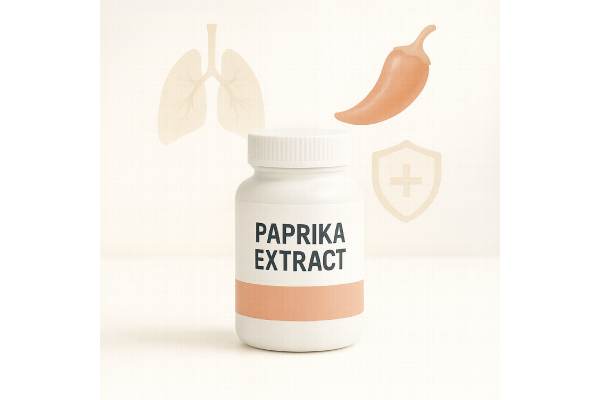
Paprika extract is more than a bright red food color. It is a concentrated ingredient made from sweet red peppers (usually Capsicum annuum) and standardized for carotenoids such as capsanthin, capsorubin, beta-carotene, lutein, and zeaxanthin. These pigments act as fat-soluble antioxidants and are widely used in foods, supplements, and even animal nutrition. In recent years, paprika extract has gained attention as a natural option to support eye health, skin hydration, bone metabolism, and exercise performance, although the research base is still developing. Unlike hot chili extracts, paprika extract is typically low in capsaicin, so it does not usually cause intense burning or heat. This guide walks you through what paprika extract is, how it works, realistic benefits and limitations, how to use it in diet and supplements, practical dosage ranges, safety considerations, and how to choose a trustworthy product.
Quick Summary for Paprika Extract
- Paprika extract provides carotenoids like capsanthin and zeaxanthin that support antioxidant defense, eye health, circulation, and skin hydration.
- Typical supplemental intakes range from about 4–20 mg of paprika carotenoids or xanthophylls per day, taken with a meal containing some fat.
- Most healthy adults tolerate paprika extract well at common doses, but mild digestive upset, flushing, or headache can occasionally occur.
- People with pepper or Capsicum allergies, those who are pregnant or breastfeeding, children, and individuals on multiple heart or blood-thinning medications should avoid unsupervised use of concentrated paprika extract supplements.
Table of Contents
- What is paprika extract and how does it work?
- Paprika extract benefits for eyes, heart, skin, and metabolism
- How to use paprika extract in foods and supplements
- How much paprika extract per day is safe?
- Paprika extract side effects, interactions, and who should avoid it
- How to choose a quality paprika extract product
What is paprika extract and how does it work?
Paprika extract is a concentrated preparation obtained from the dried fruits of sweet red peppers. To make it, manufacturers typically grind ripe red peppers and use edible oils or food-grade solvents to pull out the fat-soluble pigments. The resulting oleoresin is rich in carotenoids, which are responsible for the red-to-orange color and most of the biological activity.
The dominant carotenoids in paprika extract include:
- Capsanthin and capsorubin (characteristic deep red pigments).
- Beta-carotene and beta-cryptoxanthin (some with provitamin A activity).
- Lutein and zeaxanthin (yellow xanthophylls associated with eye health).
You may encounter several forms:
- Paprika oleoresin / paprika extract (E160c): a red oil used primarily as a natural color in foods such as cheeses, snacks, soups, sauces, and cured meats.
- Saponified paprika extract: a more processed form where carotenoids are converted to more stable, easily dispersible forms, often used in animal feed and some nutraceutical ingredients.
- Standardized paprika carotenoid or xanthophyll complexes: supplement ingredients where the total carotenoids (or specific pigments like capsanthin) are declared per capsule or softgel.
Paprika extract acts mainly through its carotenoids. These compounds are fat-soluble, so they are best absorbed when taken with dietary fat. After digestion, they are incorporated into lipoproteins in the bloodstream and distributed to various tissues, including the skin, retina, and possibly bone. Over time, carotenoids can accumulate in cell membranes and lipoproteins, where they help to neutralize reactive oxygen species and protect lipids from oxidative damage.
In addition to their antioxidant role, paprika carotenoids may influence:
- Microcirculation and red blood cell fluidity, supporting oxygen delivery to muscles and the brain.
- Inflammatory signaling, with preclinical evidence suggesting modest modulation of certain pathways.
- Cell communication and gene expression related to skin barrier function and bone turnover, based on early human and experimental data.
Importantly, paprika extract is not the same as hot chili or capsaicin extract. Sweet paprika varieties used for colorants and carotenoid-rich supplements contain little capsaicin, so they usually do not cause the pronounced burning sensation associated with cayenne or chili pepper products. Most of the health-related interest focuses on the carotenoids rather than on pungent compounds.
Paprika extract benefits for eyes, heart, skin, and metabolism
Interest in paprika extract comes from both traditional use of colorful peppers in the diet and modern research into specific carotenoids. While the evidence base is still evolving, several areas of potential benefit stand out.
Eye and visual health
Paprika extract naturally contains xanthophylls such as zeaxanthin and beta-cryptoxanthin, which are closely related to lutein. These pigments can accumulate in ocular tissues, particularly in the macula of the retina. There, they act as blue-light filters and antioxidants, helping to protect delicate photoreceptor cells from oxidative stress.
Dietary patterns rich in carotenoid-containing vegetables are associated with better eye health over time. Paprika extract may therefore be used in some eye-health formulas as one of several carotenoid sources, alongside lutein, zeaxanthin, and sometimes beta-carotene. It is best viewed as a supportive component rather than a stand-alone solution for eye diseases.
Bone and joint support
Paprika carotenoid complexes have been studied in postmenopausal women, where supplemental doses were associated with reductions in biochemical markers of bone resorption (bone breakdown). This suggests a potential benefit in maintaining a healthier balance between bone formation and bone loss.
However, bone health is multifactorial. Adequate calcium, vitamin D, protein, vitamin K, and resistance exercise remain the foundation. Paprika extract may offer an additional, modest contribution to bone metabolism, especially as part of a broader nutrient strategy.
Skin, antioxidant defense, and appearance
Because carotenoids accumulate in the skin, they can help provide an internal antioxidant shield. Supplementation with certain paprika xanthophyll complexes has been linked to improvements in skin hydration and barrier function in dry conditions. People often notice benefits gradually, such as smoother or better-hydrated skin, rather than dramatic cosmetic changes.
Paprika extract should not be viewed as a replacement for sunscreen or physical sun protection, but it may complement topical routines by supporting the skin’s own resilience to oxidative stress.
Exercise performance, cognitive function, and metabolism
Some controlled studies in healthy adults suggest that paprika xanthophyll intake can improve exercise efficiency, as reflected by a lower heart rate or perceived exertion at a given workload. This may be related to enhanced red blood cell deformability and microcirculation, helping oxygen reach working muscles and brain tissue more effectively.
Reported benefits in this area include:
- Slightly improved endurance performance.
- Better preservation of cognitive performance after strenuous exercise.
- Reduced subjective fatigue in some participants.
Additionally, experimental work hints that certain paprika carotenoids may influence lipid metabolism and fat distribution. While this has generated interest in paprika extract for weight management, human data are still limited and do not support viewing it as a primary weight-loss aid.
In summary, paprika extract appears most promising as a supportive antioxidant and carotenoid source for:
- Eye and visual comfort.
- Bone turnover balance.
- Skin hydration and barrier resilience.
- Exercise endurance and cognitive sharpness under physical stress.
These benefits are generally modest and are best realized alongside a balanced diet and healthy lifestyle.
How to use paprika extract in foods and supplements
Paprika extract can be part of your routine through ordinary foods, culinary use, and dietary supplements. The right approach depends on your goals and how comfortable you are with concentrated ingredients.
Through food and cooking
For many people, focusing on diet first is the most sustainable strategy. Paprika extract and related carotenoids appear in:
- Processed foods that list paprika extract, paprika oleoresin, or E160c as a colorant (for example, cheeses, spreads, snacks, soups, sauces, and cured meats).
- Seasonings and spice blends containing sweet paprika powder.
- Fresh vegetables, especially red sweet peppers, which are naturally rich in carotenoids.
Although the exact carotenoid dose from foods varies, regularly eating colorful vegetables provides a broad spectrum of pigments and other phytonutrients that work together.
Practical ideas include:
- Adding sweet paprika to roasted vegetables, eggs, stews, and rubs.
- Using roasted red peppers in salads, dips, and sandwiches.
- Choosing products that use paprika extract instead of synthetic colorants when possible.
As a dietary supplement
Supplements provide more predictable amounts of paprika carotenoids. They typically appear as:
- Softgels or capsules with standardized paprika xanthophylls or carotenoids (for example, 4–10 mg per capsule).
- Combination formulas for eye health, skin support, or performance that list paprika extract alongside other ingredients.
When using supplements:
- Take them with a meal that includes fat. Carotenoids absorb better when eaten with oils, nuts, seeds, or other fat-containing foods.
- Avoid stacking many carotenoid products. If you already use a multivitamin with beta-carotene or a separate lutein supplement, adding a high-dose paprika extract on top may not be necessary.
- Match the formula to your priority.
- For eyes: look for combinations with lutein, zeaxanthin, and zinc.
- For skin: products may include collagen, vitamin C, and ceramides.
- For performance: formulas may add beetroot, nitric oxide boosters, or electrolytes.
Who might focus on food rather than supplements?
For many healthy adults with a balanced diet, extra carotenoid supplements may add little benefit. Food-first is especially suitable for:
- People who prefer a minimalist supplement routine.
- Individuals with mild, well-controlled health conditions who already eat plenty of colorful vegetables.
- Anyone concerned about potential interactions or long-term effects of concentrated extracts.
In such cases, paprika extract in food and spices may be enough, while supplements can be reserved for targeted situations under professional guidance.
How much paprika extract per day is safe?
There is no single universally accepted daily allowance for paprika extract, but several lines of evidence help shape practical dosage guidance: intakes used in human studies, regulatory evaluations of paprika-based colorants, and animal toxicology data.
Doses used in human studies
In controlled human research, paprika carotenoid or xanthophyll supplements have commonly been used in the following ranges:
- Around 9 mg per day of paprika xanthophylls in softgel form for several weeks in healthy young adults, usually in endurance or cognitive performance trials.
- Approximately 20 mg per day of a paprika carotenoid complex in postmenopausal women over several months, focusing on bone turnover markers.
- Moderate-dose xanthophyll complexes over 8–12 weeks in skin hydration and barrier function studies.
These doses have generally been well tolerated in the studied populations, with few adverse events reported.
Safety margins and regulatory perspectives
Paprika-based colorants and saponified paprika extract have undergone formal toxicology testing, including repeated-dose studies in animals at very high levels relative to typical human intakes. In those studies, the highest tested doses often did not produce toxic effects, supporting a wide margin of safety.
Regulatory bodies typically evaluate estimated daily intakes from foods and compare them with no-observed-adverse-effect levels from animal studies. For paprika carotenoids, the safety margin between realistic human exposure and the levels causing concern in animals is usually large. This has supported the acceptance of paprika extract as a safe food colorant when used within established use levels.
Practical dosage ranges for adults
For generally healthy adults considering paprika extract supplements, a conservative, practical range is:
- Typical daily supplemental intake: about 4–20 mg per day of total paprika carotenoids or xanthophylls, taken with a meal that includes some fat.
- Common research-level doses: up to 20 mg per day for several months under study conditions.
Within this range:
- Starting closer to the lower end (4–9 mg per day) allows you to assess tolerance.
- There is usually no need to exceed the amount listed on the product label.
- If you are combining several carotenoid supplements, the total carotenoid load should be considered, not just the paprika component.
Special populations and duration
Certain groups should aim for the lower end of the range or avoid supplemental paprika extract unless advised otherwise:
- Older adults with multiple medications, especially those affecting blood pressure, blood clotting, or lipid metabolism.
- People with chronic liver, kidney, or gallbladder disease, who may process fat-soluble compounds differently.
- Individuals with limited dietary fat intake, who may absorb fat-soluble carotenoids less efficiently and should seek tailored advice.
As a general principle, long-term continuous use beyond about six months should be reviewed periodically with a healthcare professional. In many cases, cycling supplements or relying more on diet after an initial period is reasonable, especially if your diet quality has improved.
Paprika extract side effects, interactions, and who should avoid it
Paprika as a seasoning is widely consumed worldwide and is considered safe in typical culinary amounts. Concentrated paprika extracts used in supplements also appear to be well tolerated in most studies, but side effects and interactions can still occur, particularly in sensitive individuals or at high doses.
Common and mild side effects
At usual supplemental doses, reported side effects are typically mild and infrequent. They may include:
- Digestive discomfort: feelings of fullness, nausea, or loose stools, especially if capsules are taken on an empty stomach.
- Flushing or warmth: a transient sensation of warmth or mild flushing, more likely in people who are sensitive to pepper-derived compounds.
- Headache or dizziness: occasionally reported; this can be difficult to separate from other factors like dehydration or low blood sugar.
These effects often improve by reducing the dose, taking the supplement with food, or discontinuing it if symptoms persist.
Allergic reactions and sensitivities
Although paprika extract is usually derived from sweet peppers, it still belongs to the Capsicum genus and the broader nightshade family. People who should be cautious or avoid it include:
- Individuals with known allergies to peppers or Capsicum species. Reactions might involve skin rashes, itching, swelling, digestive upset, or, in severe cases, difficulty breathing.
- Those with nightshade sensitivities involving tomatoes, eggplants, or potatoes, who may react to similar compounds.
- People who have previously reacted to natural colorants or extracts, such as other carotenoid-based food colors.
Any symptoms of severe allergy, including swelling of the face or throat, wheezing, chest tightness, or widespread hives, require immediate emergency care.
Potential interactions with medications and conditions
While paprika extract is not strongly pharmacologic, several theoretical or observed considerations are worth noting:
- Blood pressure and circulation: If paprika carotenoids modestly affect circulation or red blood cell behavior, they could theoretically influence how the body responds to blood pressure–lowering medications. People on such drugs should not add supplements without medical input.
- Blood clotting and cardiovascular drugs: Combining many antioxidant or carotenoid supplements with antiplatelet or anticoagulant therapy has not been extensively studied. Caution is prudent, and medical supervision is important.
- Fat-soluble nutrient balance: Very high intakes of carotenoids from multiple supplements may interact with vitamin A metabolism, although the typical doses of paprika carotenoids used in practice are far below levels historically associated with vitamin A toxicity.
Who should avoid paprika extract supplements?
In general, the following groups should avoid concentrated paprika extract supplements unless a qualified professional explicitly recommends and supervises their use:
- People with known allergies to peppers, Capsicum species, or nightshades.
- Pregnant or breastfeeding women, due to limited safety data on high-dose paprika carotenoids in these stages.
- Children and adolescents, whose carotenoid needs are usually best met through diet.
- Individuals with active peptic ulcers, severe reflux, or inflammatory bowel conditions, who may be sensitive to any Capsicum-derived ingredients.
- People taking multiple cardiovascular, blood-thinning, or other high-risk medications, where interactions and cumulative effects are harder to predict.
For these groups, emphasizing a varied, vegetable-rich diet is usually safer than relying on concentrated extracts.
How to choose a quality paprika extract product
If you decide that paprika extract supplements align with your goals and your healthcare professional agrees, choosing a high-quality product becomes the next crucial step. Carotenoids are sensitive to oxygen, light, and heat, so product quality directly affects both safety and effectiveness.
Check the label for clarity and transparency
A reputable paprika extract supplement should clearly state:
- The plant source and part, typically “Capsicum annuum fruit” or an equivalent standardized description.
- The type of extract, such as paprika oleoresin, saponified paprika extract, or paprika xanthophyll complex.
- Standardization details, including the amount of total carotenoids or xanthophylls per serving (for example, “provides 9 mg paprika xanthophylls per softgel”).
- Other ingredients, especially carrier oils, capsule materials, and any added antioxidants or stabilizers.
Avoid products that hide the active content behind only proprietary blend names without specifying how many milligrams of carotenoids you actually receive per dose.
Consider form, stability, and storage
Paprika carotenoids are best protected in forms that limit exposure to oxygen and light:
- Softgels in dark, opaque bottles generally provide better stability than transparent bottles or loosely packaged powders.
- Oil-based formulas often feature natural antioxidants such as mixed tocopherols to slow oxidation.
- The label should include clear storage instructions, such as keeping the product in a cool, dry place away from direct sunlight and heat.
If a product has a rancid smell, unusual taste, or visible clumping or discoloration, it is safer not to use it, even if it is within the labeled expiration date.
Look for quality assurance
While not a guarantee, certain quality indicators are reassuring:
- Good manufacturing practice (GMP) claims, ideally backed by third-party certification.
- Batch or lot numbers and clearly printed expiration or best-by dates.
- Optional third-party testing seals for identity, purity, and potency.
If you are unsure, pharmacists and dietitians can often help you interpret labels and compare products.
Decide between stand-alone and combination products
Paprika extract often appears in blends:
- Eye-health blends may contain lutein, zeaxanthin, zinc, and omega-3 fatty acids.
- Skin and “beauty from within” blends may combine paprika xanthophylls with collagen, hyaluronic acid, ceramides, and vitamin C.
- Performance formulas may include paprika extract alongside beetroot, citrulline, or caffeine.
Combination formulas are convenient but can make it harder to identify what is helping or causing side effects. If your main goal is to evaluate how paprika extract itself affects you, a stand-alone product or a simple formula where paprika is clearly the main active ingredient can make tracking responses more straightforward.
Finally, be skeptical of exaggerated marketing claims. Paprika extract is a promising natural ingredient, but it is not a cure-all. Look for products that present realistic benefits, encourage use alongside lifestyle changes, and clearly advise consulting a healthcare professional before use.
References
- Carotenoids of Capsicum Fruits: Pigment Profile and Health-Promoting Functional Attributes 2019 (Review)
- Effects of paprika carotenoid supplementation on bone turnover in postmenopausal women: a randomized, double-blind, placebo-controlled, parallel-group comparison study 2020 (RCT)
- Effects of Paprika Xanthophyll Intake on Endurance and Cognitive Function in College Students: A Crossover Randomized Controlled Trial 2025 (RCT)
- Ninety-day repeated oral toxicity study of saponified Capsicum annum fruit extract with 50% capsanthin in Sprague-Dawley Rats with a 28-day recovery period 2022 (Toxicology Study)
- Comprehensive Update on Carotenoid Colorants from Plants and Microalgae: Challenges and Advances from Research Laboratories to Industry 2023 (Review)
Disclaimer
The information provided in this article is for general educational purposes only and is not intended to replace individualized medical advice, diagnosis, or treatment. Paprika extract, like all dietary supplements, may not be appropriate for everyone and should not be used as a substitute for prescribed medications or professional care. Always consult a qualified healthcare professional before starting, stopping, or changing any supplement, especially if you are pregnant, breastfeeding, under 18 years of age, living with a chronic medical condition, or taking prescription or over-the-counter medications.
If you found this guide helpful, you are kindly invited to share it on Facebook, X (formerly Twitter), or any platform you prefer, and to follow our work on social media. Your thoughtful support through sharing helps our team continue to create balanced, evidence-informed content on nutrition and health.