Parsley is one of those ingredients that quietly shows up on the plate yet rarely gets full credit. Behind the garnish, this aromatic herb offers a concentrated package of vitamins, minerals, and protective plant compounds in a very small number of calories. A handful of leaves can brighten rich stews, lift grain salads, freshen sauces, and balance garlic or lemon in dressings and marinades.
Nutritionally, parsley is best known for its very high vitamin K content, generous vitamin C and vitamin A, and useful amounts of folate and iron. It also contains flavonoids and essential oils that have been investigated for antioxidant, anti inflammatory, and kidney supportive properties. At the same time, the herb is powerful enough that certain people do need to pay attention to dose and form, especially if they take blood thinning medication or are pregnant. This guide explores how parsley works in the body, how to use it in the kitchen, and where to be cautious.
Nutrition Snapshot for Parsley
- Two tablespoons (about 8 g) of fresh parsley provide more than a full day’s worth of vitamin K along with vitamin C and provitamin A.
- A typical culinary serving is 2–8 tablespoons (8–30 g) of fresh chopped parsley per day, used across meals or in a single dish.
- Parsley is generally safe as a food but concentrated supplements and essential oil can pose risks in pregnancy or at very high doses.
- People taking vitamin K sensitive anticoagulant medication should keep parsley intake consistent and review larger or more frequent portions with their clinician.
- Those with known allergy to celery, carrots, or other Apiaceae family plants should introduce parsley cautiously and watch for reactions.
Table of Contents
- Parsley history, varieties and roles
- Parsley nutrients and active compounds
- Clinically studied benefits of parsley
- Parsley safety, allergies and interactions
- Buying, quality and storing parsley
- Preparing parsley to preserve nutrients
- Parsley servings, comparisons and questions
Parsley history, varieties and roles
Parsley (Petroselinum crispum) is a member of the carrot family and has been used for centuries as both a culinary herb and a medicinal plant. It is thought to have originated in the Mediterranean region, where it grew wild on rocky hillsides before becoming a staple in Greek and Roman kitchens. Over time, selective cultivation produced the leafy types we recognize today, along with root parsley varieties that resemble parsnips and are more common in parts of Europe.
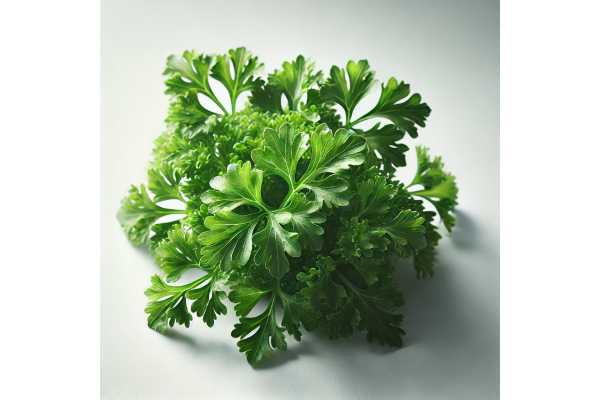
Two main types dominate modern cooking: curly leaf and flat leaf. Curly parsley has tightly frilled leaves and a milder, slightly grassy flavor. It is often used as a garnish but can also be chopped into salads or stuffings. Flat leaf, sometimes called Italian parsley, has broader, smoother leaves and a more pronounced, slightly peppery taste. Many cooks prefer flat leaf parsley in sauces, salads, and cooked dishes because its flavor holds up better when combined with other ingredients.
In the kitchen, parsley plays several distinct roles:
- As a fresh finishing herb, stirred into soups, stews, and braises at the end of cooking to add brightness and color.
- As a main ingredient in dishes like tabbouleh, gremolata, chimichurri, salsa verde, and some pestos where it provides structure, color, and flavor.
- As a supporting flavor in salads, grain bowls, marinades, and stuffings, where it balances bolder tastes like garlic, citrus, chili, or vinegar.
- As a visual garnish, lending a fresh green contrast to richer or beige foods.
Beyond cuisine, parsley has long been used in traditional practices as a breath freshener and digestive aid and in teas and tonics. These uses mirror its aromatic essential oils and diuretic reputation, which modern research is beginning to explore in more detail.
Parsley’s appeal lies not only in what it adds to a dish but also in how flexible it is. It fits into Mediterranean, Middle Eastern, European, and modern plant forward styles of cooking with ease. It can be used raw or lightly cooked, in large bunches or in tiny pinches, making it one of the most adaptable herbs in everyday cooking.
Parsley nutrients and active compounds
Parsley is unusually nutrient dense for an herb. A modest serving of fresh chopped leaves delivers a broad mix of vitamins, minerals, and phytochemicals while contributing very few calories. For example, around half a cup (about 30 g) of chopped fresh parsley provides only roughly 10–15 calories, yet offers meaningful amounts of vitamin C, provitamin A, folate, iron, and particularly vitamin K.
Vitamin K is the standout. Parsley is among the richest food sources of vitamin K1 (phylloquinone), which the body uses to support normal blood clotting and works in cooperation with vitamin D and other nutrients to maintain bone health. A couple of tablespoons of fresh parsley can exceed the typical daily requirement for vitamin K, so even small amounts make a difference to overall intake.
Vitamin C is another key nutrient. Parsley’s content rivals that of many citrus fruits on a gram for gram basis. Vitamin C supports immune defenses, aids collagen formation for skin and connective tissue, and enhances absorption of non heme iron from plant foods. Speaking of iron, parsley provides modest amounts that, while not enough to correct deficiency on their own, contribute to the broader mix of iron sources in a varied diet.
Parsley also contributes provitamin A in the form of carotenoids such as beta carotene. These compounds can be converted to vitamin A as needed and also act as antioxidants in their own right. Folate (vitamin B9), important for DNA synthesis and cell division, is present in helpful quantities, complementing folate from legumes, leafy greens, and fortified foods.
Beyond vitamins and minerals, parsley contains a diverse array of bioactive components:
- Flavonoids, especially apigenin, luteolin, and their glycosides, which have been studied for antioxidant, anti inflammatory, and potential anticancer effects in experimental models.
- Essential oils, including apiol and myristicin, largely concentrated in the seeds and to a lesser extent in the leaves. These contribute to parsley’s aroma and have been investigated for antimicrobial and diuretic actions.
- Volatile terpenes and other phenolic compounds that help shape the herb’s sensory profile and may interact with cellular signaling pathways.
- Chlorophyll and other green pigments, which add to the overall antioxidant load of the diet.
Nutrient content shifts with form and handling. Fresh parsley retains its vitamin C and delicate oils best when stored and used promptly. Dried parsley is more concentrated by weight and still provides vitamin K and some flavonoids but can lose much of its vitamin C during processing and storage. Root parsley, where available, has a different nutrient balance, closer to other root vegetables, though the leaves of the same plant are still as nutrient dense as those of leaf parsley.
Because parsley is almost always eaten together with other foods, its nutritional value is best viewed as part of a pattern. Even if each serving is small, frequent use adds up over time, contributing to vitamin sufficiency and providing a steady trickle of protective plant chemicals.
Clinically studied benefits of parsley
The health benefits of parsley arise from several overlapping mechanisms: antioxidant and anti inflammatory actions, effects on fluid balance and kidney function, and potential influences on blood lipids, blood sugar, and tissue repair. While human research remains limited compared with studies on more widely marketed herbs, the emerging evidence is consistent with the idea of parsley as a supportive, rather than miraculous, functional food.
One area of active interest is kidney and urinary tract health. Traditional uses have long described parsley as a mild diuretic, and experimental studies in animals show increased urine output and changes in some kidney related biomarkers when parsley extracts are used. More recent reviews have examined both animal and early human data suggesting that parsley preparations may help modulate oxidative stress in kidney tissue and support the handling of certain minerals and waste products. These effects appear linked to its flavonoids, vitamin C, and essential oil components. However, the doses used in extracts and teas often exceed typical culinary use, and firm conclusions for people with kidney disease require larger clinical trials.
Parsley’s antioxidant and anti inflammatory potential is another focus. Laboratory experiments demonstrate that parsley extracts can neutralize free radicals, reduce markers of lipid peroxidation, and influence signaling pathways that control inflammation. These effects are largely attributed to apigenin, luteolin, and other flavonoids, as well as vitamin C and carotenoids. In small human or animal studies, such properties have translated into protective signals in models of liver injury, metabolic syndrome, and skin conditions driven by oxidative stress. It is important to emphasize that these findings describe risk modifying effects, not cures.
The herb may also play a role in heart and metabolic health. Its high vitamin K content supports normal blood clotting while also participating in the regulation of proteins that control where calcium is deposited in the body, with potential implications for vascular health and bone density. Meanwhile, vitamin C, carotenoids, and flavonoids contribute to the reduction of oxidative stress, which underlies a wide range of cardiovascular and metabolic disorders. Some experimental work suggests that parsley extracts could help modulate blood lipids or blood sugar in models of high fat or high sugar diets, though robust human trials are still sparse.
Parsley’s use in supporting digestion and freshening breath is more practical but still relevant. The aromatic oils stimulate saliva and may gently promote digestive secretions, while the chlorophyll rich leaves help neutralize odors. This is one reason chopped parsley often appears alongside garlic and onion in recipes and as a finishing sprinkle after meals.
Overall, the most realistic way to view parsley is as a nutrient dense herb that can support healthy patterns. Used regularly with vegetables, whole grains, legumes, fish, or lean meats, it helps build a foundation of antioxidant, vitamin, and mineral intake. Any clinically meaningful benefits are likely to arise from this sustained pattern rather than from short term or extreme doses.
Parsley safety, allergies and interactions
Parsley is widely recognized as safe when used as food, yet certain circumstances call for caution. Understanding these helps you use the herb confidently while minimizing risk.
The first consideration is allergy and cross reactivity. Parsley belongs to the Apiaceae family, which also includes celery, carrots, fennel, and coriander. People who are allergic to one member of this family may occasionally react to others. Symptoms can include oral itching, swelling of lips or tongue, hives, or in more severe cases, difficulty breathing. While frank parsley allergy appears uncommon, anyone with a history of strong reactions to related plants should introduce parsley gradually and under appropriate medical guidance.
A more common issue in practice is vitamin K interaction with anticoagulant medication. Because parsley is extremely rich in vitamin K1, large or fluctuating intakes can interfere with medications that work by thinning the blood through vitamin K pathways. For individuals taking these drugs, the goal is not necessarily to avoid vitamin K containing foods entirely but to keep intake consistent so medication dosing can be adjusted accurately. Suddenly increasing parsley intake from occasional garnish to daily cups of chopped leaves without consulting a clinician is not advisable in this context.
There are also concerns related to concentrated parsley preparations, especially during pregnancy. Parsley seeds and essential oil contain higher levels of compounds such as apiol and myristicin. Historically, these have been used in attempts to stimulate menstrual flow or induce abortion, and modern toxicology work confirms that high doses can irritate the kidneys and nervous system in animals. For this reason, pregnant individuals are consistently advised to avoid medicinal doses of parsley seed or leaf extracts and essential oil, while normal culinary use of fresh leaves as a seasoning is generally regarded as acceptable.
People with kidney disease or a history of kidney stones should approach very large doses of parsley or strong teas cautiously. Parsley’s diuretic effect may be undesirable in advanced kidney disease, and its mineral content and essential oils may not be suitable for all kidney conditions. Moderation in food level amounts is usually fine, but using parsley based remedies or high dose supplements should only be done under medical supervision.
From a digestive standpoint, most people tolerate fresh parsley well, but very generous quantities may cause mild stomach upset in sensitive individuals, especially when raw. Dried parsley and blended spice mixes can sometimes contain traces of contaminants if not produced under good manufacturing practices, though reputable brands monitor for this. Washing fresh bunches thoroughly and storing both fresh and dried forms in clean, dry conditions helps reduce any microbial risks.
Overall, when parsley is treated as a flavorful herb rather than a self prescribed medicine, it is safe for the vast majority of people. Those on specific medications, with significant kidney disease, or who are pregnant should take a little extra care and seek personalized advice before significantly increasing intake or using concentrated products.
Buying, quality and storing parsley
Choosing good parsley and storing it well makes a noticeable difference to both flavor and nutritional value. Because the herb is usually eaten raw or only lightly cooked, freshness is especially important.
When buying fresh parsley, look for bunches with:
- Bright, rich green leaves without yellowing or browning.
- Firm stems that stand upright rather than drooping.
- Leaves that are free from slime, dark spots, or excessive wilting.
Curly parsley should have crisp, tightly curled fronds, while flat leaf parsley should have broad, smooth leaves that feel lively rather than limp. A quick sniff test can help: fresh parsley has a clean, slightly peppery, green aroma. A musty or overly earthy smell suggests age or poor storage.
You will often find parsley sold in plastic clamshells or loosely bundled with a twist tie. If possible, check that there is not excessive condensation inside packaging, as trapped moisture can accelerate spoilage. Organic options may appeal if you wish to reduce pesticide exposure, though washing and trimming are important regardless of farming method.
Storage at home aims to keep parsley hydrated yet not waterlogged. Two reliable methods are:
- Jar method: Trim the stem ends, stand the bunch in a jar or glass with a little water (like a bouquet), then loosely cover the leaves with a reusable bag and refrigerate. Change the water every couple of days.
- Towel method: Rinse and gently dry the parsley, then wrap it loosely in a slightly damp kitchen towel and place it in an open bag or container in the fridge.
Both approaches can keep parsley fresh for about a week, sometimes longer, while preserving much of its vitamin C and crisp texture. Avoid stuffing the herb into sealed bags when very wet, as this traps moisture and encourages sliminess.
For longer term storage, freezing works surprisingly well. You can chop parsley and freeze it:
- In small portions in ice cube trays, topped up with water, stock, or olive oil, then transfer the cubes to a freezer bag.
- Loosely spread on a tray to freeze before bagging, which keeps pieces more separate.
Frozen parsley loses some texture but retains color, aroma, and many nutrients, making it perfect for soups, stews, and sauces.
Dried parsley is another option but tends to be milder. When selecting dried parsley, choose a product that is vivid green rather than dull grayish green, and check the best before date. Store it in an airtight container in a cool, dark cupboard away from the stove. Even under ideal conditions, dried herbs gradually lose potency; replacing them every 6–12 months keeps flavors bright.
Thinking about sustainability, parsley is relatively low impact as crops go. It grows quickly, can thrive in small home gardens or containers, and often produces multiple harvests from the same plant. Growing a pot on a windowsill or balcony reduces packaging waste, transport emissions, and cost, and gives you instant access to just the amount you need.
Preparing parsley to preserve nutrients
Preparation can either protect or erode parsley’s nutritional value and flavor. Gentle handling and smart timing go a long way toward getting the most from each bunch.
Start by rinsing parsley under cool running water to remove soil and any traces of grit or debris. Swish it in a bowl of clean water if the bunch is especially sandy, then lift it out rather than pouring the gritty water over the leaves. Shake off excess water and dry the herb using a salad spinner or by patting with a clean towel. Keeping the leaves relatively dry helps them chop cleanly and avoids watering down food.
For chopping, hold the stems together and slice crosswise with a sharp knife. You can include tender upper stems for flavor and fiber, trimming away only the tough lower portions if desired. Chop finely for tabbouleh, sauces, and dressings, or more coarsely for rustic salads and roasted dishes. A sharp blade is essential to avoid crushing the leaves, which can darken them and cause quicker nutrient loss.
To preserve delicate compounds like vitamin C and aromatic oils, add parsley near the end of cooking or use it raw:
- Stir chopped parsley into soups, stews, and braises in the last few minutes of simmering.
- Sprinkle it over roasted vegetables or grilled meats just before serving.
- Fold it into warm grains or legumes after they come off the heat.
Prolonged boiling or high heat will not destroy all of parsley’s valuable components, but it does gradually reduce vitamin C and some flavor volatiles. In contrast, vitamin K is relatively stable to cooking, so modest heating does not eliminate its contribution.
Pairing parsley with a small amount of dietary fat helps your body absorb its fat soluble components, including carotenoids and vitamin K. Practical ways to do this include:
- Making a simple sauce with olive oil, garlic, lemon, and chopped parsley for drizzling over vegetables or fish.
- Blending parsley with nuts, seeds, or cheese and oil to make pesto style spreads.
- Adding parsley to dressings that already contain oil or avocado.
Parsley also shines in raw preparations where it can take center stage. Classic examples include herb heavy salads, green sauces, and toppings:
- Tabbouleh combines parsley with bulgur or quinoa, tomato, cucumber, lemon, and olive oil.
- Chimichurri mixes parsley with vinegar, garlic, chili, and oil, often served over grilled foods.
- Gremolata pairs parsley with lemon zest and garlic as a bright finishing sprinkle.
In all of these, the herb remains mostly uncooked, preserving both nutrients and distinctive flavor.
If you use dried parsley, remember that it is milder and benefits from a bit of moisture to wake up its aroma. Adding it early in the cooking process gives time for rehydration, but you may want to combine it with fresh parsley at the end for a fuller effect.
Parsley servings, comparisons and questions
Serving sizes for parsley are easy to underestimate because we are used to seeing it as a small garnish. Yet many traditional dishes use it by the handful. For general guidance, a typical individual serving is around 2 tablespoons (about 8 g) of fresh chopped parsley. In recipes that feature parsley more prominently, a person might comfortably consume ¼ to ½ cup (about 15–30 g) in a single meal.
For most healthy adults, using parsley in these ranges every day or several times per week is a reasonable goal. It provides meaningful amounts of vitamin K, vitamin C, and folate and helps diversify the sources of these nutrients across the diet. People aiming for higher intakes because they enjoy the taste can usually do so as long as they do not have specific medical reasons to restrict it.
Several common comparisons arise:
- Parsley vs. cilantro: Both are leafy herbs with bright flavors, but parsley is milder and more peppery, while cilantro has a citrusy, sometimes soapy note due to different aromatic compounds. Nutritionally, both are low calorie and vitamin rich; parsley stands out more for vitamin K and carotenoids.
- Parsley vs. basil: Basil tends to be used in larger leaves and more often in cooked tomato based dishes. Parsley is more neutral and versatile, fitting into a wider range of cuisines. Both bring antioxidant flavonoids, though their specific profiles differ.
- Parsley vs. leafy greens: Compared gram for gram, parsley’s vitamin K and vitamin C levels are comparable to or higher than many leafy vegetables. However, overall intake tends to be lower because it is used as a herb, not a main vegetable.
Frequently asked questions include:
- Is dried parsley as healthy as fresh? Dried parsley still provides vitamin K and some flavonoids but loses much of its vitamin C and delicate oils during drying and storage. It is best seen as a useful backup rather than a complete replacement for fresh.
- Can you eat parsley every day? Most people can safely eat moderate amounts of fresh parsley daily as part of meals. Those on vitamin K sensitive medication, with advanced kidney disease, or pregnant should review higher or more frequent intakes with their healthcare team.
- Is parsley good for weight management? Parsley alone will not drive weight loss, but it adds flavor and bulk with almost no calories, helping dishes feel more satisfying without relying on heavy sauces or extra fat.
- Is parsley safe for children? In normal food quantities, yes. Introduce it gradually, watch for any allergic symptoms, and avoid strong herbal preparations in very young children unless recommended by a professional.
In summary, parsley is a flexible ingredient that can reasonably appear on the plate every day, as long as individual health conditions and medications are taken into account. Its strongest contributions come not from any single serving but from its steady presence in a pattern of home cooked, plant rich meals.
References
- Parsley, raw, 1 cup: nutrition facts and nutrient breakdown 2024 (Database)
- Exploring the Therapeutic Efficacy of Parsley (Petroselinum crispum) as a Nutraceutical Agent for Muscular Health and Psoriasiform Dermatitis 2024 (Experimental and Review Study)
- Nutraceutical potential of parsley (Petroselinum crispum Mill.) 2025 (Systematic Review)
- Petroselinum crispum has antioxidant properties, protects against oxidative stress and can be developed into functional food 2015 (Experimental Study)
- What Is New about Parsley, a Potential Source of Bioactive Compounds 2024 (Review)
Disclaimer
The information in this article is intended for general education and should not be used as a substitute for individual medical advice, diagnosis, or treatment. Nutrient needs, food tolerances, and health risks vary from person to person. Always consult a qualified healthcare professional or registered dietitian before making substantial changes to your diet, especially if you have chronic medical conditions, take prescription medications, are pregnant or breastfeeding, or suspect a food allergy or intolerance. Never disregard or delay seeking professional guidance because of something you have read online.
If you found this explanation of parsley’s benefits, nutrition, and safety helpful, you are welcome to share it on Facebook, X (formerly Twitter), or any platform you prefer. Your considerate sharing supports our ability to continue creating clear, evidence informed nutrition content.