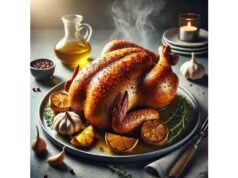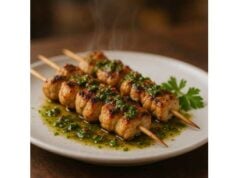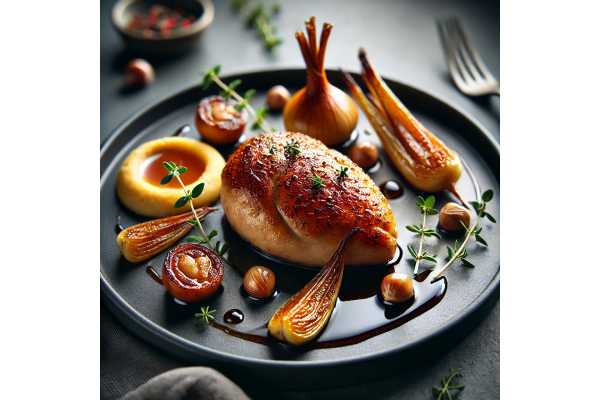
Partridge is a small game bird with a big culinary reputation. Lean, delicately flavored, and quick-cooking, it bridges the gap between everyday poultry and special-occasion fare. Whether you choose red-legged, grey, Barbary, or chukar partridge, you are getting compact portions of high-quality protein with minimal fat and virtually no carbohydrates. Farmed birds offer consistent size and mild taste; wild birds can be slightly gamier and more variable in leanness, which many cooks prize. In the kitchen, partridge is versatile: breasts take well to fast searing and pan sauces; legs reward slow braises or confit; whole birds roast beautifully in under 30 minutes. From a nutrition standpoint, partridge provides essential amino acids, useful amounts of iron and zinc, and naturally occurring bioactives like taurine and carnosine. Safety matters with any poultry or game, and partridge is no exception—proper handling, storage, and a verified internal temperature ensure a great meal. This guide distills the benefits, nutrition details, practical cooking tips, and safety notes to help you buy, cook, and enjoy partridge with confidence.
At a Glance
- Lean, high-protein meat (≈22–26 g protein per 100 g) with very low carbohydrates.
- Cook thoroughly to 74 °C (165 °F) internally; avoid pink or undercooked areas.
- Typical serving: 100–120 g cooked meat, 1–2 times per week for most adults.
- Frequent consumers of wild-shot game and pregnant people should prefer birds taken with non-lead ammunition or farmed sources.
Table of Contents
- Partridge at a Glance: Species, Flavor, and Uses
- Partridge Nutrition Profile (per 100 g)
- Evidence-Based Health Benefits
- Risks, Allergies and Interactions
- Selecting, Quality, Sustainability and Storage
- Preparation, Cooking and Nutrient Retention
- Portions, Comparisons and FAQs
Partridge at a Glance: Species, Flavor, and Uses
Partridge refers to several small pheasant-like game birds. In markets you’ll most often see:
- Red-legged partridge (Alectoris rufa): Common in Mediterranean and UK markets; farmed birds are widely available and consistent in size.
- Grey partridge (Perdix perdix): Traditional in northern Europe; often wild-shot, slightly stronger flavor.
- Chukar (Alectoris chukar) and Barbary partridge (Alectoris barbara): Regional specialties with similar culinary handling.
Flavor and texture. Compared with chicken, partridge is slightly richer and more aromatic, yet milder than pheasant. The flesh is fine-grained and tender when cooked properly. Because the birds are small (typically 300–500 g dressed weight), a whole partridge often serves one person.
Culinary applications.
- Quick-cook cuts: Skin-on breasts sauté or grill in minutes; rest briefly and slice across the grain.
- Slow-cook cuts: Legs and thighs shine in braises, stews, or confit, which melt connective tissue and keep meat moist.
- Whole roasting: High-heat roasting crisps the skin while preserving juiciness; aromatic stuffings (herbs, citrus, soft bread) add moisture without lengthening cook time.
- Global range: From French pan-roasts with jus and grapes to North African spice rubs and Italian polenta pairings, partridge adapts well to bright acids (lemon, vinegar), bitter greens, mushrooms, barley, and root vegetables.
Nutrition snapshot. Partridge is naturally high in protein and low in total fat and saturated fat. As with many game birds, the fat composition and micronutrients vary by species, sex, diet, and whether the bird is farmed or wild. Breasts are leaner than legs; skin and added fats during cooking increase energy density.
Why choose partridge?
- Portion control with satisfaction: A single small bird is visually generous yet calorically modest when cooked lean.
- Flavor without heaviness: Ideal for diners seeking variety beyond chicken but not the intensity of strongly gamey meats.
- Smart substitute: Using partridge in place of higher-fat red meats can reduce saturated fat intake without sacrificing protein quality.
Who it suits. Health-conscious cooks, athletes targeting protein with minimal carbs, and home chefs interested in seasonal or heritage ingredients. Those who are pregnant or cooking for young children should prioritize farmed birds or wild birds harvested with non-lead ammunition, and always cook to a safe internal temperature.
Partridge Nutrition Profile (per 100 g)
How to read this section. Values below represent typical, skinless, roasted meat-only partridge per 100 g. Exact figures vary with species, cut, wild vs. farmed origin, diet, and cooking method. Use these as practical benchmarks rather than fixed absolutes.
Macros & Electrolytes (per 100 g cooked, roasted meat-only)
| Nutrient | Amount | %DV* |
|---|---|---|
| Energy | 127 kcal | — |
| Protein | 22.0 g | 44% |
| Total Fat | 4.3 g | 6% |
| Saturated Fat | 1.1 g | 6% |
| Monounsaturated Fat | 2.0 g | — |
| Polyunsaturated Fat | 1.0 g | — |
| Carbohydrate | 0.0 g | 0% |
| Fiber | 0.0 g | 0% |
| Sodium | ~60–70 mg | 3% |
| Potassium | ~270–330 mg | 6–7% |
| Cholesterol† | ~40–55 mg | — |
*%DV uses adult Daily Values (2,000 kcal diet) where established.
†Cholesterol has no current FDA Daily Value; figure shown to support menu planning.
Protein & Amino Acids
- Complete protein with all essential amino acids.
- Rich in leucine, lysine, and valine—key for muscle protein synthesis and recovery.
- Naturally contains carnosine, taurine, and creatine, bioactives associated with buffering capacity and performance.
Fats & Fatty Acids
- Total fat is modest; dark meat (legs) is fattier than breast.
- Fatty acid profile is influenced by diet and rearing (wild vs. farmed). Breast meat is typically leaner with slightly lower total cholesterol than leg meat.
Vitamins & Minerals (typical ranges per 100 g cooked)
| Nutrient | Typical Range | %DV |
|---|---|---|
| Iron | ~0.6–1.2 mg | 3–7% |
| Zinc | ~1.0–2.0 mg | 9–18% |
| Vitamin B12 | ~0.3–0.8 µg | 13–33% |
| Niacin (B3) | ~4–7 mg | 25–44% |
| Phosphorus | ~180–230 mg | 14–18% |
| Selenium | ~15–25 µg | 27–45% |
Bioactives / Phytonutrients
- Carnosine and taurine naturally occur in game birds; levels vary by muscle type.
- No meaningful carbohydrate bioactives; glycemic impact is negligible.
Allergens & Intolerance Markers
- Partridge is poultry; rare individuals with poultry meat allergy or bird-egg syndrome may react.
- Contains purines (moderate), relevant for people with gout management plans.
Contaminants / Residues
- Wild-shot game may contain metal fragments or residual lead if harvested with lead ammunition. Trimming damaged tissue helps, but microscopic fragments can remain.
Footnote: Nutrient values reflect representative cooked, meat-only samples. Wild birds, skin-on portions, added fats, and marinades will alter results.
Evidence-Based Health Benefits
1) High-quality protein with efficient calories.
Partridge delivers roughly 22 g of complete protein per 100 g cooked serving, with very little carbohydrate and modest fat. For individuals seeking to build or maintain lean mass while controlling energy intake, this macro pattern is advantageous. The leucine-rich amino acid profile directly supports muscle protein synthesis after training. Compared with many cuts of red meat, a partridge portion provides similar protein with less saturated fat, which can help align day-to-day intake with heart-healthy targets.
2) Support for micronutrient gaps.
Partridge contributes iron, zinc, selenium, and B vitamins—particularly niacin and vitamin B12. These nutrients are central to oxygen transport, immune function, and energy metabolism. Rotating partridge with other lean proteins helps diversify micronutrient intake without relying on supplements. For those who limit red meat but still need bioavailable iron and B12, partridge is a practical compromise.
3) Favorable fat pattern for a game meat.
Although absolute fat is low, what fat you do get is primarily unsaturated. Farmed birds often have slightly more monounsaturated fats, while wild birds can show variable polyunsaturates depending on foraging. Replacing a higher-saturated-fat meat entrée with partridge modestly improves your meal’s overall fat quality. When cooked with olive oil and paired with vegetables, you can build a pattern consistent with Mediterranean-style eating.
4) Naturally occurring bioactives.
Carnosine and taurine in game birds act as intracellular buffers and may support exercise performance and recovery. These compounds occur in higher concentrations in dark muscle and are sensitive to prolonged high-heat cooking; gentle methods (poach, sous-vide followed by a high-heat finish, or quick sauté) help retain more.
5) Satiety and blood sugar control.
Because partridge is protein-dense and carb-free, it has negligible glycemic impact and tends to increase fullness. This makes it a strategic choice in meals for individuals managing post-meal glucose or pursuing weight management goals. Pairing with fiber-rich sides (lentils, brassicas, leafy greens) further extends satiety and adds prebiotic fibers.
6) Culinary variety supports adherence.
Enjoyment drives consistency. Rotating partridge with chicken, turkey, and plant proteins adds interest without compromising nutrition. Its quick cook time suits weeknights; its presentation suits dinner parties—both reduce friction in maintaining a healthier pattern.
Smart swap example: Replace a 150 g serving of fatty red meat with 150 g partridge twice weekly to lower saturated fat intake while maintaining protein, iron, and B12—especially when cooked with olive oil and paired with vitamin-C-rich vegetables to enhance non-heme iron absorption from the meal.
Risks, Allergies and Interactions
1) Foodborne pathogens (poultry risk).
As with other poultry, partridge can harbor bacteria. The critical control is cooking to 74 °C (165 °F) in the thickest part and verifying with a probe thermometer. Avoid any pink or translucent areas. Use separate boards for raw meat, wash hands and tools, and chill promptly.
2) Lead fragments in wild-shot birds.
When partridge is harvested with lead shot, pellets may fragment on impact, leaving microscopic metal shards dispersed through muscle. Even careful trimming cannot remove all particles, and frequent consumers of wild game may increase dietary lead exposure. Practical risk-reduction steps include: sourcing farmed partridge or birds taken with non-lead ammunition, discarding extensively damaged tissue, and serving wild game less frequently—especially for pregnant people and young children.
3) Parasites and thorough cooking.
Game birds can be exposed to parasites in the environment. Proper thermal kill (achieving the safe internal temperature) and avoiding undercooked meat are reliable controls. Freezing is not a substitute for thorough cooking for all organisms.
4) Allergic reactions.
True poultry meat allergy exists but is uncommon. A subtype called bird-egg syndrome involves sensitization to avian serum albumins with potential cross-reactivity to raw poultry and eggs. Reactions are more likely with raw handling than cooked consumption, but sensitive individuals should avoid exposure and consult an allergist.
Alpha-gal syndrome (tick-associated red-meat allergy) typically involves mammalian meats; poultry (including partridge) does not contain alpha-gal, but cross-contamination on shared grills or pans with mammalian meats can trigger reactions in susceptible individuals.
5) Medication and condition interactions.
- Gout / hyperuricemia: Like other meats, partridge contains purines; those under medical management should moderate portions and balance with low-purine foods.
- Sodium: Fresh meat is naturally low in sodium; brined, cured, or processed preparations add significant salt—read labels and season mindfully.
6) Bones and shot hazards.
Always check for pellets, bone chips, and feather quills in wild birds. Use caution when serving to children or anyone with swallowing difficulties.
Bottom line: Choose farmed or non-lead-harvested partridge when possible, handle like poultry, cook to 74 °C, and limit wild-shot servings for vulnerable groups.
Selecting, Quality, Sustainability and Storage
Selecting quality birds
- Source: Ask whether the bird is farmed or wild-shot and what ammunition was used. Prefer non-lead or farmed sources for routine consumption.
- Appearance: Skin should be clean and pale to golden without dark bruising; flesh should be moist but not slimy; aroma should be clean and neutral.
- Size matters: Smaller birds cook faster but dry more easily; choose slightly larger birds (400–500 g dressed) for roasting.
- Packaging: Vacuum-packed birds should have tight seals and minimal purge; avoid swollen or leaking packs.
Sustainability and ethics
- Wild populations: Seasons, quotas, and habitat stewardship govern sustainable harvest; buy from reputable game dealers who adhere to local regulations.
- Farmed production: Look for producers who emphasize welfare, forage access, and responsible feed. When available, certifications and transparent farm information are helpful signals.
- Lead-free advocacy: Supporting non-lead ammunition reduces lead dispersal in ecosystems and minimizes dietary lead in game meat.
Storage and handling
- Refrigeration: Store raw partridge at ≤4 °C and cook within 1–2 days of purchase.
- Freezing: Freeze promptly at −18 °C (0 °F) or colder. For best quality, whole birds keep up to 12 months; parts up to 9 months.
- Thawing: Thaw in the refrigerator (never on the counter). Allow 24 hours per small bird; keep in a drip-proof tray to avoid cross-contamination.
- Leftovers: Refrigerate cooked meat within 2 hours; consume within 3–4 days; reheat to steaming hot throughout.
Signs of spoilage
- Unpleasant sour or sulfur odor, sticky or tacky surface, greenish or iridescent patches, or gas-swollen packaging. When in doubt, discard.
Smart shopping checklist
- Non-lead harvested or farmed?
- Slaughter/harvest date visible?
- Size appropriate for your recipe?
- You have fridge/freezer space for safe storage?
- You own a reliable instant-read thermometer?
Preparation, Cooking and Nutrient Retention
Prep essentials
- Dry and season. Pat the bird dry; salt 30–60 minutes in advance (or dry-brine overnight, uncovered in the fridge) to improve moisture retention.
- Truss lightly for even roasting; tuck wing tips under to prevent scorching.
- Aromatics for moisture. Brief stuffings (herbs, a halved lemon, garlic) add aroma and humidity; avoid heavy bread stuffings that can impede heat flow in such a small bird.
- Separate the legs (optional). If roasting, removing legs to braise separately prevents overcooked breasts and underdone legs.
Cooking methods and target temperature
- Roast (whole): Preheat to 230 °C / 450 °F. Roast 15–20 minutes depending on size, then check. Continue until the thickest part of the breast reaches 74 °C (165 °F). Rest 5–10 minutes.
- Pan-sear breasts: Skin side down over medium-high until crisp; flip, spoon off excess fat, add a splash of stock or wine; finish until 74 °C.
- Braise or confit legs: Low and slow in stock, wine, or oil until tender; finish under a hot grill/broiler to crisp.
- Grill: Two-zone setup; sear over direct heat, then finish over indirect to 74 °C.
Nutrient-retention strategies
- Avoid overcooking. Pull at temperature to limit moisture and B-vitamin losses.
- Use pan juices. Deglaze with stock and acid (lemon, vinegar) to capture soluble nutrients and flavor.
- Gentle methods for dark meat. Braising preserves moisture and retains minerals in the sauce.
- Add vitamin C. Pair with citrus, peppers, or brassicas to enhance iron absorption from the meal.
Flavor boosters (without excess calories)
- Herb rubs (thyme, sage, juniper), citrus zests, and pepper blends.
- Marinades with yogurt or buttermilk tenderize while adding tang and browning.
- Finishing sauces: quick reductions with shallot, stock, and a knob of butter or olive oil.
Food safety reminders
- Sanitize boards/knives after raw handling.
- Keep raw juices away from ready-to-eat foods.
- Refrigerate leftovers promptly—do not “hold warm” for hours.
Portions, Comparisons and FAQs
Reasonable portions
- Cooked serving: 100–120 g meat (about one small breast and some leg meat), or half to one whole small bird depending on yield.
- Frequency: 1–2 times per week fits in most balanced diets, adjusting for total weekly poultry and seafood targets.
How does partridge compare?
- Partridge vs. chicken breast: Similar protein; partridge is often slightly richer in flavor with comparable or lower total fat depending on cut and cooking.
- Partridge vs. pheasant: Partridge is milder and more forgiving on cook time; pheasant often has a stronger game note.
- Partridge vs. red meat: Lower saturated fat per protein gram and negligible carbohydrates make partridge a useful swap when reducing red meat intake.
Common questions
- Can partridge be served pink? No. As poultry, it should reach 74 °C (165 °F) internally. Juices may appear slightly colored near bones, but the internal temperature is the safety standard.
- Is partridge suitable during pregnancy? Yes, when fully cooked. Prefer farmed birds or wild birds known to be harvested with non-lead ammunition; avoid pâtés made from undercooked livers.
- What about bones and pellets? Inspect wild birds carefully and slice around entry wounds. Use caution when serving to children.
- Is partridge halal or kosher? Acceptance varies by tradition and local certification. If these concerns apply, buy from certified suppliers and follow the relevant preparation rules.
- Can I meal-prep partridge? Yes—roast breasts for quick protein additions, and braise legs for reheatable stews. Cool rapidly and store portions in shallow containers.
Budget and availability tips
- Buy in season (autumn–winter in many regions) for better pricing.
- Farmed birds provide year-round access and uniform sizing.
- Ask butchers for multi-pack deals or slightly smaller birds for weeknight meals.
References
- Safe Minimum Internal Temperatures (2025).
- Cold Food Storage Charts (2025).
- Public health risks associated with food-borne parasites (2018) (Systematic Review).
- Implications for food safety of the size and location of fragments of lead shotgun pellets embedded in hunted carcasses of small game animals intended for human consumption (2022).
- Nutritional value of meat lipid fraction from red-legged partridge (Alectoris rufa) obtained from wild and farmed specimens (2019).
Disclaimer
This article provides general nutrition, culinary, and food-safety information for educational purposes and is not a substitute for personalized medical advice, diagnosis, or treatment. Always consult a qualified healthcare professional about specific dietary needs, allergies, or health conditions. Follow local food-safety guidance and use a thermometer to verify doneness.
If you found this guide useful, please consider sharing it on Facebook, X (formerly Twitter), or your preferred platform. Your support helps us keep producing helpful, evidence-informed articles. Thank you!