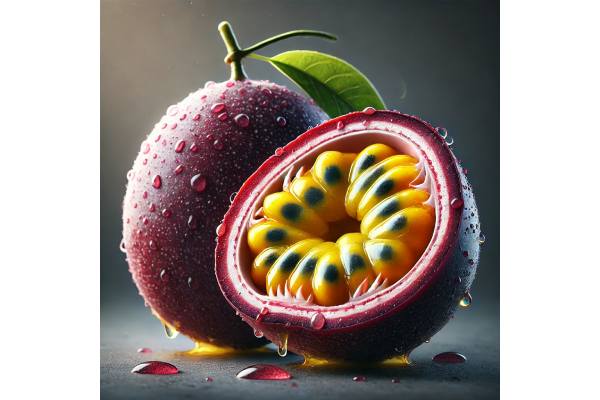
Passionfruit brings a bright, tart-sweet punch to breakfasts, desserts, and savory dishes alike. Inside its thick rind sits a jelly-like pulp filled with crunchy, edible seeds. That pulp is where the nutrition lives: notable vitamin C, useful B vitamins, minerals like potassium and magnesium, and exceptional fiber for a fruit. Beyond classic spoon-and-eat moments, passionfruit shines in smoothies, yogurt bowls, vinaigrettes, ceviches, cocktails, and sauces. You will also see passionfruit seed extracts in research and specialty products because the seeds naturally contain piceatannol, a polyphenol related to resveratrol. It is worth separating the everyday fruit you scoop at home from concentrated extracts studied in labs—their effects are not identical. If you are new to passionfruit, its wrinkles mean ripeness, and both purple and yellow types deliver fragrant, tropical flavor. This guide explains what you get nutritionally per 100 g, how passionfruit might support health, who should be cautious, and the best ways to select, store, and cook it so you keep its nutrients and its signature zing.
Quick Overview
- Per 100 g, passionfruit provides ~10 g fiber and ~30 mg vitamin C; the edible seeds contribute most of the fiber.
- Typical serving: 100 g pulp (≈ 5–6 fruits) up to 3–5 times per week fits most balanced diets.
- People with latex–fruit cross-reactivity, kidney issues requiring potassium restriction, or infants at choking risk should use caution.
- Avoid consuming peel or leaf preparations; stick to the edible pulp and seeds from ripe fruit.
Table of Contents
- Passionfruit Detailed Overview
- Passionfruit Nutrition Profile (per 100 g)
- Evidence-Based Health Benefits
- Risks, Allergies and Interactions
- Selecting, Quality, Sustainability and Storage
- Preparation, Cooking and Nutrient Retention
- Portions, Comparisons and FAQs
Passionfruit Detailed Overview
Passionfruit (Passiflora edulis) is a tropical vine fruit prized for its perfumed aroma and bracing, tart-sweet flavor. You will most often find two commercial types: purple (P. edulis f. edulis), which is smaller and intensely flavored, and yellow (P. edulis f. flavicarpa), which is larger and slightly more acidic. Both have a leathery rind that becomes wrinkled as the pulp ripens—an easy visual cue that flavor is peaking.
Culinarily, passionfruit is unusually versatile. The juicy pulp (technically arils surrounding edible seeds) spoons straight onto yogurt, oatmeal, chia pudding, or pancakes; whirls into smoothies and mocktails; and brightens desserts like pavlova, sorbet, and curd. In savory cooking, its acidity and aromatics lift dressings, glaze fish or chicken, balance ceviche, and pair with chiles and herbs in salsas. Because the seeds are edible and pleasantly crunchy, you can choose to strain them for a silken coulis or leave them in for texture and extra fiber.
Nutritionally, passionfruit stands out among fruits for three reasons:
- Fiber density: About 10 g fiber per 100 g—quite high for a fruit—largely from the seeds.
- Vitamin C: Around 30 mg per 100 g, contributing to immune and skin support and aiding iron absorption from plant foods.
- Phytonutrients: The fruit and especially the seeds contain polyphenols (notably piceatannol) and carotenoids that contribute to antioxidant capacity.
A practical note on terminology: research sometimes examines passionfruit seed extracts or isolated compounds (for example, piceatannol). These are more concentrated than whole fruit. When evidence in this article refers to extracts, we say so explicitly to set realistic expectations for the food you buy and eat.
If you have never prepared passionfruit at home, slice it crosswise, twist to open, then scoop the pulp with a spoon. For drinks or sauces, push the pulp through a fine sieve to remove seeds; for fiber and crunch, skip the straining. As a rule, eat only the pulp and seeds; the peel and leaves are not for casual home consumption.
Passionfruit Nutrition Profile (per 100 g)
Serving frame of reference: 100 g pulp (≈ 5–6 average fruits), edible seeds included.
Label note: % Daily Value (%DV) uses current U.S. labeling DVs (adults and children ≥4y). Energy is given in kcal.
Macros and Electrolytes (per 100 g)
| Nutrient | Amount | %DV |
|---|---|---|
| Energy | 97 kcal | — |
| Water | 72.9 g | — |
| Protein | 2.2 g | — |
| Total fat | 0.7 g | — |
| Carbohydrate | 23.4 g | — |
| Dietary fiber | 10.4 g | 37% |
| Total sugars | 11.2 g | — |
| Sodium | 28 mg | 1% |
| Potassium | 348 mg | 7% |
| Magnesium | 29 mg | 7% |
| Phosphorus | 68 mg | 5% |
| Calcium | 12 mg | 1% |
Carbohydrates (detail)
| Component | Amount |
|---|---|
| Starch | ~2–3 g |
| Soluble fiber (approx.) | modest |
| Insoluble fiber (approx.) | predominant |
| Net carbohydrates (carb − fiber) | ~13 g |
Fats and Fatty Acids
| Fatty Acid | Amount |
|---|---|
| Saturated fatty acids | ~0.06 g |
| Monounsaturated fatty acids | ~0.09 g |
| Polyunsaturated fatty acids | ~0.41 g |
| Notes | Seed oil is naturally rich in linoleic acid (omega-6); amounts shown reflect whole pulp with seeds, not extracted oil. |
Vitamins
| Vitamin | Amount | %DV |
|---|---|---|
| Vitamin C (ascorbic acid) | ~30 mg | 33% |
| Vitamin A (RAE) | ~64 µg | 7% |
| Riboflavin (B2) | ~0.13 mg | 10% |
| Niacin (B3) | ~1.5 mg | 9% |
| Vitamin B6 | ~0.1 mg | 6% |
| Folate | ~14 µg | 4% |
| Vitamin K | ~1.6 µg | 1% |
Minerals (more detail)
| Mineral | Amount | %DV |
|---|---|---|
| Iron | ~1.6 mg | 9% |
| Zinc | ~0.1 mg | 1% |
| Copper | ~0.09 mg | 10% |
| Manganese | trace | — |
Bioactives / Phytonutrients (qualitative)
- Polyphenols: Piceatannol (stilbene related to resveratrol) concentrated in seeds; additional flavonoids (e.g., quercetin glycosides), and anthocyanins (especially in purple varieties).
- Carotenoids: Beta-carotene and related compounds, contributing to color and antioxidant capacity.
Glycemic and Acid–Base Considerations
- The glycemic load of a typical 100 g serving is tempered by the high fiber content (~10 g), which slows carbohydrate absorption.
- Natural acidity is high; if you have sensitive enamel or reflux, pair passionfruit with yogurt, dairy alternatives, or nuts to buffer acidity.
Allergens and Anti-nutrients (relevance to eating the fruit)
- Latex–fruit cross-reactivity can occur in susceptible individuals (see Risks).
- The peel and leaves are not customary foods and may contain compounds (including cyanogenic glycosides in some Passiflora tissues) undesirable for casual consumption; eat the pulp and edible seeds only.
Footnote on values: Figures above reflect raw passionfruit pulp with edible seeds and can vary slightly by variety, ripeness, and growing region.
Evidence-Based Health Benefits
A quick orientation: The outcomes below distinguish between everyday fruit intake and concentrated seed extracts tested in research. Whole fruit supports health primarily through fiber, vitamin C, and bioactives at dietary levels; extracts may deliver targeted effects at higher doses.
1) Digestive support from fiber
With roughly 10 g of fiber per 100 g, passionfruit is one of the most fiber-dense fresh fruits. Its seeds contribute mostly insoluble fiber, which adds bulk and supports regularity, while the viscous pulp offers some soluble fiber that helps form soft, gel-like stools. Consistent fiber intake is associated with better stool frequency, improved satiety, and small but meaningful improvements in cholesterol and glycemic responses over time. Practically, adding 2–3 fruits to breakfast provides a flavorful way to close the daily fiber gap.
2) Vitamin C for immune and skin functions
About 30 mg vitamin C per 100 g supports normal immune function and collagen synthesis. Vitamin C also improves non-heme iron absorption when passionfruit is paired with legumes, grains, or leafy greens. In the kitchen, that makes passionfruit a smart topper for iron-rich salads or bean bowls.
3) Cardiometabolic markers: early signals from seed-derived piceatannol
Clinical research using piceatannol isolated from passionfruit seeds has shown targeted effects in specific populations. In a randomized, placebo-controlled trial, 20 mg/day piceatannol improved insulin sensitivity and resting blood pressure in overweight men, without similar changes in other groups studied. While these data are promising, they reflect a standardized extract dose—not whole fruit. In everyday eating, passionfruit can still play a cardiometabolic-friendly role by offering fiber (helpful for post-meal glucose responses) and naturally low sodium.
4) Skin hydration and barrier: small human trial with seed extract
A randomized, placebo-controlled trial in women found that passionfruit seed extract rich in piceatannol increased skin moisture over 4–8 weeks and reduced self-reported dryness symptoms compared with placebo. Again, this used a concentrated extract, but it aligns with the broader nutritional logic that vitamin C (from the fruit) and polyphenols (more concentrated in seeds/extracts) can support skin structure and antioxidant defenses.
5) Antioxidant and anti-inflammatory potential
Passionfruit contributes vitamin C plus a spectrum of polyphenols and carotenoids. The seeds in particular contain piceatannol, which laboratory and emerging clinical research link to cellular pathways involved in oxidative stress and metabolism. In everyday diets, this translates to a small, cumulative antioxidant contribution alongside other colorful fruits and vegetables.
6) Respiratory and other niche findings (extracts)
A small trial of purple passionfruit peel extract reported improvements in certain asthma symptoms over four weeks. Because this intervention used a specialized peel extract rather than edible pulp, it should not be generalized to typical at-home eating. Consider these early findings as hypothesis-generating rather than practice-changing.
Bottom line: Whole passionfruit is a nutrient-dense fruit—not a prescription. Expect steady benefits from fiber, vitamin C, and plant compounds as part of a varied diet. Effects seen with seed or peel extracts do not imply the same outcomes from ordinary servings of fruit.
Risks, Allergies and Interactions
- Allergy and latex–fruit cross-reactivity: People with natural rubber latex allergy can react to certain plant foods due to similar proteins. Passionfruit is sometimes implicated in latex–fruit syndrome. If you have latex allergy, discuss passionfruit with your allergist and consider supervised introduction or avoidance depending on your history and testing.
- Potassium management: Passionfruit provides ~348 mg potassium per 100 g. For most people, that is welcome. If you have chronic kidney disease or a condition requiring potassium restriction, work this fruit into your plan thoughtfully and measure portions.
- Acidic foods and reflux: The pulp is tart. If you experience acid reflux, small portions paired with yogurt, milk, or creamy plant foods may be more comfortable than straight juice or syrups.
- Infant and toddler safety: The seeds are edible but can pose a choking hazard for infants and very young toddlers. For babies, strain the pulp thoroughly and introduce according to pediatric guidance.
- Peel and leaves are not food: Avoid home use of peel or leaf preparations. Stick to ripe pulp and edible seeds. Commercial extracts (e.g., seed or peel) used in studies are prepared and dosed specifically; they are not the same as homemade infusions.
- Medication interactions: Eating the fruit in typical amounts is not known to interact with medicines. Do not confuse passionfruit with passionflower herbal supplements (a different plant part/species often taken for sleep or anxiety), which can interact with sedatives. If you take prescription medications, especially anticoagulants or sedatives, review supplement use with a clinician.
- Diabetes and blood glucose: Thanks to its high fiber and modest net carbs per 100 g, passionfruit can fit into carbohydrate-controlled patterns. Monitor your personal response and portion size (see Portions).
Emergency guidance: Any signs of systemic allergic reaction—hives, swelling, wheeze, throat tightness, dizziness—require immediate medical attention.
Selecting, Quality, Sustainability and Storage
How to choose
- Look for wrinkles: A gently wrinkled rind signals ripeness and concentrated flavor. Smooth, taut skins usually mean the fruit needs more time.
- Weight matters: Pick fruits that feel heavy for their size—more pulp inside.
- Color cues: Purple varieties deepen to rich purple-black with ripeness; yellow types turn golden. Minor scuffs are fine; avoid large soft spots, mold, or cracks.
Sustainability and seasonality
- Minimal waste: Eat the pulp and seeds; compost the rinds. If you juice or strain, consider using the thick pulp for dressings or marinades to preserve fiber and flavor.
- By-products: Food innovators increasingly upcycle passionfruit seeds for oils and extracts, reducing waste.
- Sourcing tips: Favor local or regional fruit when available to reduce transport impacts, or choose producers following fair labor and environmental standards. Frozen passionfruit pulp can reduce spoilage and offers a longer shelf life with minimal nutrient loss.
Storage
- Ripening: Keep firm, smooth fruits at room temperature until the rind wrinkles and the fruit feels aromatic and slightly soft.
- Short-term: Once ripe, refrigerate whole fruits in a breathable bag for 3–5 days.
- Prepared pulp: Scoop and refrigerate in an airtight container for up to 3 days.
- Freezing: Freeze pulp (with or without seeds) in ice cube trays or small containers. Label and use within 3–6 months for best quality. Thaw in the fridge.
Food safety
- Wash whole fruits under running water before cutting to avoid transferring surface microbes to the pulp. Use a clean knife and cutting board dedicated to produce.
Preparation, Cooking and Nutrient Retention
Basic prep (2 minutes):
- Wash and dry the fruit.
- Slice crosswise; twist to open.
- Scoop out pulp with a spoon.
- Eat as-is, strain for a smooth sauce, or blend into drinks.
Keep the good stuff—practical tips
- Preserve vitamin C: Heat, air, and time degrade vitamin C. Add passionfruit near serving time, and avoid prolonged simmering or standing at room temperature.
- Retain fiber: Juicing and straining remove most fiber. For smoothies or bowls, keep the seeds when texture allows.
- Balance acidity: Pair with yogurt, cottage cheese, coconut yogurt, or avocado; use small amounts of honey or dates if needed instead of refined sugar.
- Flavor boosters: Passionfruit loves citrus zest, ginger, mint, chile, and vanilla.
Ideas you can use tonight
- Yogurt swirl: Stir 2–3 fruits’ pulp into plain Greek yogurt, top with nuts and a drizzle of honey.
- Citrus-passion vinaigrette: Whisk strained pulp with olive oil, lemon juice, Dijon, and a pinch of salt; toss with greens and grilled shrimp.
- Quick pan sauce: Deglaze a fish or chicken pan with a splash of white wine, add strained pulp and a knob of butter, reduce briefly, and finish with herbs.
- Mocktail refresher: Combine passionfruit pulp, lime juice, sparkling water, and crushed ice; garnish with mint.
- Breakfast oats: Fold pulp into overnight oats with chia; keep seeds in for fiber and crunch.
When cooking is appropriate
- Short heating (e.g., quick pan sauce or baking curd) is fine for flavor, though it will reduce vitamin C. For nutrient retention, use fresh applications most often and heat for short durations when needed.
Portions, Comparisons and FAQs
What is a sensible portion and how often?
- A practical serving is 100 g pulp (≈ 5–6 fruits) or ½ cup. Most healthy adults can enjoy passionfruit 3–5 times per week within overall fruit allowances.
Is passionfruit low in sugar?
- Per 100 g, passionfruit has ~11 g natural sugars, yet the net carbs (~13 g) are moderated by ~10 g fiber. Compared to many tropical fruits, passionfruit delivers a higher fiber-to-sugar ratio.
Can I eat the seeds?
- Yes. The seeds are edible and are the main fiber source. They add a pleasant crunch. If you prefer a smooth texture, strain them out when making sauces or drinks.
Whole fruit vs juice vs extract—what is the difference?
- Whole fruit: Fiber, vitamin C, and a spectrum of bioactives at dietary levels.
- Juice or strained pulp: Less fiber; keep portions smaller if watching blood sugar.
- Seed or peel extracts: Concentrated preparations studied for specific outcomes (e.g., insulin sensitivity or skin moisture). These are not the same as eating the fruit; effects and safety depend on exact dose and product quality.
Is passionfruit okay for kids?
- For toddlers and older children, yes—introduce gradually and watch for reactions. For infants, strain the seeds thoroughly and follow age-appropriate texture guidance to reduce choking risk.
How does passionfruit compare to other fruits?
- Kiwi: Similar vitamin C per serving; passionfruit often provides more fiber.
- Mango: More total carbohydrate and less fiber than passionfruit, typically sweeter and less tart.
- Papaya: Milder flavor, less fiber per cup; some find passionfruit’s acidity more refreshing in small amounts.
Does it help with weight management?
- Passionfruit can support satiety thanks to fiber and bright flavor that enhances meals without heavy sauces. Weight change depends on overall patterns; there is no single weight-loss fruit.
Any special considerations for athletes?
- Post-workout, pairing passionfruit with yogurt or protein provides antioxidants and carbohydrates with some fiber to support recovery while keeping digestion comfortable.
References
- Nutrition Facts for Passion fruit, raw 2025
- The Effect of Piceatannol from Passion Fruit (Passiflora edulis) Seeds on Metabolic Health in Humans 2017 (RCT)
- Effect of Passion Fruit Seed Extract Rich in Piceatannol on the Skin of Women: A Randomized, Placebo-Controlled, Double-Blind Trial 2018 (RCT)
- Revisiting Latex-Fruit Syndrome after 30 Years of Research: A Comprehensive Literature Review and Description of Two Cases 2024 (Systematic Review)
- Constituent Characteristics and Functional Properties of Passiflora edulis Seeds 2021 (Review)
Disclaimer
This article provides general nutrition and health information for educational purposes. It is not a substitute for personalized medical advice, diagnosis, or treatment. Always consult a qualified healthcare professional about your specific health needs, allergies, and medications—especially before using concentrated extracts or making major dietary changes.
If you found this guide helpful, consider sharing it with a friend on Facebook, X (formerly Twitter), or your favorite platform. Your support helps us keep creating practical, evidence-informed nutrition content. Thank you.