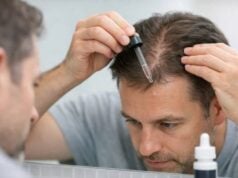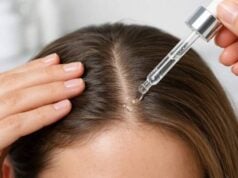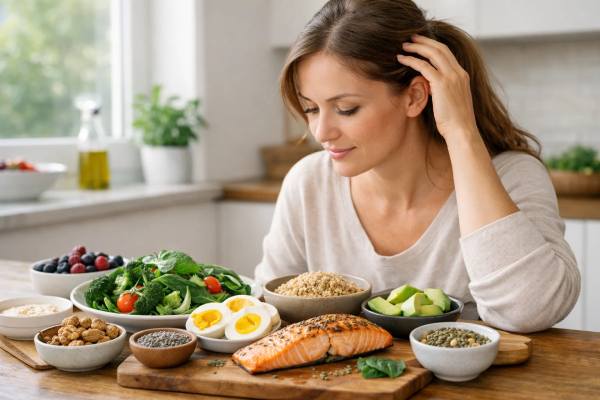
When hair thinning shows up with polycystic ovary syndrome, many people feel pulled between two unsatisfying messages: that diet can fix everything, or that it barely matters at all. The truth sits in the middle. Food does not switch off PCOS overnight, and it does not replace treatment when androgen-driven thinning is established. But it can change the metabolic terrain that often makes symptoms worse, especially insulin resistance, blood sugar swings, central weight gain, and low-grade inflammation.
That matters for hair. In PCOS, excess insulin can amplify androgen activity, and higher androgen signaling can make scalp follicles shrink over time. A well-built eating pattern can help reduce that pressure while also making energy, hunger, and routine easier to manage. The most useful approach is not an extreme cleanse or a fragile set of food rules. It is a repeatable structure: enough protein, more fiber, steadier carbohydrates, and meals that calm the day instead of creating another cycle of cravings, restriction, and shedding.
Quick Overview
- Protein-forward, fiber-rich meals can help steady appetite and support the insulin-sensitive eating pattern often recommended in PCOS.
- Lower-glycemic, minimally processed meals may improve metabolic markers that are closely tied to androgen excess and hair changes.
- Restrictive dieting, very low-calorie eating, and long gaps without food can backfire by increasing stress, undercutting nutrient intake, and worsening shedding.
- A practical starting point is to build breakfast and lunch around one solid protein source plus one high-fiber plant food.
- Diet can support better hair conditions over time, but it does not replace medical evaluation for rapid, severe, or clearly progressive thinning.
Table of Contents
- Why Food Patterns Matter for PCOS Hair Loss
- Protein for Fuller Meals and Less Shedding
- Fiber, Glycemic Control, and Lower Inflammation
- Foods to Prioritize and Foods to Scale Back
- Meal Ideas That Fit Real Life
- When Diet Helps Most and When It Is Not Enough
Why Food Patterns Matter for PCOS Hair Loss
PCOS-related hair thinning usually does not begin at the dinner table, but food can influence several pathways that shape how strongly symptoms show up. The most important one is insulin resistance. Many people with PCOS produce more insulin than they need after meals, especially after eating large portions of refined carbohydrates without much protein or fiber. Higher insulin can stimulate ovarian androgen production and lower sex hormone-binding globulin, which leaves more active androgens circulating. Over time, that hormonal environment can make scalp follicles smaller and hairs finer.
This is why nutrition advice for PCOS should be framed around patterns rather than single “good” or “bad” foods. One sugary coffee is not the problem. A routine of low-protein breakfasts, long gaps without eating, ultra-processed snacks in the afternoon, and takeout-heavy dinners can create repeated glucose and insulin swings that keep the body in a more reactive state. For some people, that also means more hunger, stronger cravings, poorer sleep, and harder weight management, all of which can make PCOS symptoms tougher to control.
Hair adds another layer. Hair follicles are metabolically active structures that respond slowly to change. They need energy, amino acids, iron, zinc, essential fatty acids, and an overall internal environment that is not constantly pushed by stress hormones and inflammatory signals. That does not mean every case of thinning is caused by a deficiency. It means a chaotic eating pattern can make recovery harder and can increase the chance of shedding from under-eating, rapid weight loss, or missed nutrients.
A useful PCOS hair loss diet is therefore less about chasing one miracle ingredient and more about removing the daily friction that keeps symptoms active. Better meals can improve satiety, reduce overeating later in the day, support muscle mass, and help lower the metabolic strain that often travels with PCOS. Even modest changes can matter. Many people notice that the first signs of progress are not on the scalp at all. They are steadier afternoon energy, fewer cravings, less post-meal sleepiness, and more predictable hunger.
That early shift is worth respecting. Hair grows slowly, but a calmer metabolic pattern makes it easier to stay consistent long enough for the scalp to benefit. The goal is not perfection. It is to make the hormonal environment less hair-hostile, one repeatable meal at a time.
Protein for Fuller Meals and Less Shedding
Protein deserves special attention in a PCOS hair loss diet because it works on more than one level at once. First, it improves meal staying power. A breakfast built around protein is more likely to hold you through the morning than toast or cereal alone. That matters in PCOS because steadier hunger often means fewer large blood sugar swings, less frantic snacking, and an easier time sticking to meals that support insulin sensitivity.
Second, protein helps preserve lean mass during weight loss or weight maintenance. That is important because muscle tissue is a major site of glucose disposal. In practical terms, more muscle means your body is usually better equipped to handle carbohydrates. That does not mean you need a bodybuilder diet. It means protein should show up consistently enough that your meals feel complete.
Third, hair itself is protein-rich tissue. A very low-protein pattern will not support healthy growth. Still, this point is often oversimplified. Eating huge amounts of protein does not force hair to grow faster, and protein powder is not automatically better than whole food. What matters most is regular intake across the day.
A practical way to think about it is to anchor each main meal with one meaningful protein source. For many adults, that looks like one of these:
- Greek yogurt, cottage cheese, kefir, or skyr
- Eggs or egg whites, often paired with another protein
- Chicken, turkey, lean beef, or fish
- Tofu, tempeh, edamame, or higher-protein soy milk
- Lentils, beans, and chickpeas, especially when paired with dairy, eggs, or grains
- Protein-rich leftovers used intentionally at breakfast or lunch
Breakfast is usually where protein intake falls apart. If the first meal is mostly refined starch, the rest of the day often becomes a correction exercise. Better options include eggs with vegetables and toast, Greek yogurt with chia and berries, or a smoothie built with soy milk, yogurt, and nut butter instead of fruit alone.
There is one caveat. More protein is not always better if it crowds out fiber-rich plants, worsens digestion, or turns meals into a cycle of grilled chicken and little else. The most helpful protein pattern in PCOS is balanced, not narrow. Pair protein with vegetables, legumes, fruit, or intact grains so the meal supports satiety and blood sugar at the same time.
If you are vegetarian or vegan, this remains very achievable. The key is combining foods with intention rather than grazing on low-protein snacks. Tofu stir-fries, lentil soups, edamame bowls, bean salads, and soy yogurt parfaits can all work well. The right protein plan should make your day feel steadier, not more restrictive.
Fiber, Glycemic Control, and Lower Inflammation
If protein gives a meal structure, fiber gives it stability. It slows gastric emptying, softens the blood sugar rise after eating, improves fullness, supports bowel regularity, and helps feed gut microbes that produce beneficial short-chain fatty acids. In PCOS, that combination is especially useful because lower-fiber eating patterns are common, while insulin resistance, abdominal fat gain, and inflammatory stress are also common.
Fiber is not one single substance. Soluble and viscous fibers, found in foods like oats, barley, beans, lentils, chia, flax, and many fruits, are especially helpful for slowing digestion and improving satiety. Insoluble fiber, found in vegetables, whole grains, nuts, seeds, and bran, adds bulk and supports regularity. Most people need both. In real life, a meal does not need to be labeled by fiber type. It just needs to contain plants that have not been stripped down to starch and sugar.
For PCOS, this often overlaps with glycemic control. Lower-glycemic eating does not require eliminating carbohydrates. It usually means choosing carbohydrates that arrive with more fiber, water, or intact structure. Compare a bowl of sweetened cereal with milk to plain oats topped with berries, seeds, and yogurt. Both contain carbohydrates. Only one tends to keep appetite and glucose response on a steadier track.
A good practical target is to include at least one high-fiber food at every meal and two at larger meals. Examples include:
- Oats, steel-cut oats, or barley
- Lentils, beans, and chickpeas
- Berries, apples, pears, kiwi, or citrus
- Leafy greens, broccoli, Brussels sprouts, peppers, and carrots
- Chia seeds, ground flaxseed, pumpkin seeds, or almonds
- Brown rice, quinoa, buckwheat, or other intact grains
A gradual increase matters. Jumping from a low-fiber pattern to a legume-heavy plan in two days can leave you bloated and convinced fiber is not for you. It is usually better to add about one extra fiber-rich food every few days, drink enough water, and cook beans or cruciferous vegetables in ways your digestion tolerates.
Fiber also helps lower the “silent” friction in eating. When meals contain more fiber, they are often more voluminous and less easy to overeat quickly. That can help people with PCOS feel less trapped between craving and restriction. For hair, the benefit is indirect but meaningful. A steadier, less inflammatory, less undernourished pattern gives follicles a better background in which to function. It is not dramatic. It is dependable, which is usually more valuable.
Foods to Prioritize and Foods to Scale Back
The most effective eating pattern for PCOS hair loss is usually not a named diet followed perfectly. It is a Mediterranean-leaning, lower-glycemic, higher-fiber pattern that you can maintain without feeling punished. That means meals centered on protein, vegetables, fruit, legumes, intact grains, nuts, seeds, olive oil, and fish or other minimally processed proteins. It also means paying attention to foods that push your appetite and glucose response in the wrong direction when they dominate the day.
Foods worth prioritizing often include:
- Beans, lentils, and chickpeas, because they bring fiber and plant protein together
- Eggs, fish, poultry, tofu, tempeh, yogurt, and kefir for reliable protein
- Oats, quinoa, brown rice, barley, or whole-grain wraps in moderate portions
- Berries, apples, citrus, and pears for fiber-rich fruit options
- Leafy greens and deeply colored vegetables for volume and micronutrient density
- Nuts, seeds, avocado, and olive oil for unsaturated fats
- Fatty fish such as salmon, sardines, or trout if you eat seafood
Just as important is what to scale back, especially if it crowds out more helpful foods. This includes sugar-sweetened drinks, coffee drinks that double as dessert, bakery-style breakfasts, large portions of refined white carbs without protein, and snack foods that combine starch, sugar, and fat in a very easy-to-overeat form. These foods do not need to disappear forever. The goal is to stop building your weekday routine around them.
It also helps to be careful with very low-calorie plans and extreme carbohydrate restriction. Some people do see short-term improvements in weight or glucose measures on aggressive diets, but the trade-off can be fatigue, constipation, social friction, rebound eating, and missed nutrients. For hair, crash dieting is a well-known setup for additional shedding. A slower, adequately fed approach is usually more scalp-friendly.
Budget matters too. You do not need specialty products to eat well for PCOS. Some of the most useful staples are inexpensive: canned beans, frozen vegetables, plain oats, eggs, canned fish, tofu, potatoes, Greek yogurt, peanut butter, and fruit bought in season or frozen. Convenience can also be built in deliberately. A grocery cart with rotisserie chicken, bagged salad, microwaveable grains, and frozen edamame may support your goals better than an aspirational cart full of ingredients you never cook.
The best food pattern is the one that improves your weeks, not just your intentions. If a plan leaves you hungry, obsessed with food, or cutting out whole categories without a clear reason, it is unlikely to last long enough to help your hair or your hormones.
Meal Ideas That Fit Real Life
Meal ideas are where good advice either becomes usable or stays theoretical. The easiest way to make a PCOS hair loss diet sustainable is to repeat a few meal templates instead of inventing a new plan every day. Think in combinations: protein plus fiber plus color plus enough healthy fat to keep the meal satisfying.
Here are practical breakfast ideas:
- Greek yogurt with berries, chia seeds, chopped walnuts, and a spoonful of oats
- Two eggs with sautéed spinach, tomatoes, and one slice of whole-grain toast
- A smoothie made with unsweetened soy milk, Greek yogurt or tofu, frozen berries, spinach, and nut butter
- Cottage cheese with sliced pear, cinnamon, and pumpkin seeds
- Overnight oats with chia, plain yogurt, and raspberries
For lunch, aim for meals that travel well and do not leave you ravenous by 3 p.m.:
- Lentil soup with a side salad and a boiled egg
- A grain bowl with chicken or tofu, quinoa, cucumber, tomatoes, greens, and olive-oil dressing
- Tuna or salmon mixed with yogurt or olive oil over chickpeas and chopped vegetables
- Turkey and hummus in a whole-grain wrap with carrots and fruit
- Leftover roasted vegetables and protein over brown rice or cauliflower rice
Dinner works best when it is simple enough to repeat:
- Salmon, roasted broccoli, and a small serving of potatoes
- Turkey meatballs with tomato sauce, white beans, and a large salad
- Tofu stir-fry with edamame and mixed vegetables over a modest portion of rice
- Chicken thighs with sheet-pan vegetables and a side of lentils
- Bean chili topped with plain Greek yogurt and avocado
Snack ideas should solve hunger, not create another glucose spike:
- Apple slices with peanut butter
- Edamame with sea salt
- Plain yogurt with flaxseed
- Roasted chickpeas and fruit
- Cheese with cucumber and whole-grain crackers
A helpful plate formula is this: start with protein, add at least two plant foods, then choose your carbohydrate source deliberately rather than automatically. That one change often improves meal quality without counting everything. Another useful strategy is to fix your weakest meal first. For many people, that is breakfast. If breakfast becomes more protein- and fiber-forward for two weeks, the rest of the day often improves with surprisingly little effort.
You can also rotate two or three versions of each meal type. Repetition is not failure. It is a way to make a therapeutic eating pattern easier to sustain during workweeks, travel, or low-energy days. When your meals become more automatic, consistency improves, and consistency matters far more than novelty for both PCOS and hair.
When Diet Helps Most and When It Is Not Enough
Diet helps most when the main problem is a daily pattern of under-fueling, highly refined eating, weight cycling, or insulin resistance that has never really been addressed in a structured way. In that setting, a better food routine can improve hunger, energy, waist measurements, lab trends, and sometimes androgen-related symptoms over the course of weeks to months. That can create a better environment for the scalp, but hair always moves on a slower clock than metabolism.
This is why timelines matter. You may notice more stable appetite or fewer afternoon crashes within two to four weeks. Weight and glucose-related markers often need longer. Hair changes usually require even more patience because follicles cycle slowly. Less shedding may appear before visible fullness. Regrowth, when it occurs, often takes several months to become obvious. Anyone promising dramatic reversal in a few weeks is usually selling urgency more than biology.
It is also important to know when diet is not enough. If hair thinning is clearly widening the part, exposing more scalp, or progressing despite thoughtful changes, medical treatment may still be needed. PCOS-related hair loss is often androgen-sensitive. Food can reduce some of the pressure on that system, but it may not fully reverse follicle miniaturization on its own. The same is true if you have sudden heavy shedding, patchy loss, scalp pain, scaling, or signs of another condition layered on top.
Clinician support matters even more if your eating pattern has become overly restrictive. Fear-driven diets can worsen stress, nutrient gaps, and body image strain, especially in people already dealing with acne, hirsutism, weight stigma, or fertility concerns. A better plan is one that is medically informed and emotionally sustainable.
It is worth asking for medical evaluation when hair loss is new, fast, severe, or confusing, or when periods are very irregular and symptoms seem to be escalating. In those cases, diet should be part of care, not the entire care plan. The strongest approach is usually combined: meals that improve insulin sensitivity and inflammation, movement that builds muscle, sleep that protects appetite regulation, and treatment chosen for your actual symptom pattern.
Food is powerful, but not because it acts like a drug. It is powerful because it changes what your body experiences every day. In PCOS, that daily influence can help move the scalp from a more hostile environment toward a steadier one. That is not a cure. It is a meaningful lever, and for many people it is one of the few that can be used at every meal without waiting for the next appointment.
References
- Recommendations from the 2023 international evidence-based guideline for the assessment and management of polycystic ovary syndrome 2023 (Guideline)
- Ranking the dietary interventions by their effectiveness in the management of polycystic ovary syndrome: a systematic review and network meta-analysis 2024 (Systematic Review)
- Effects of high-protein diets on the cardiometabolic factors and reproductive hormones of women with polycystic ovary syndrome: a systematic review and meta-analysis 2024 (Systematic Review)
- Lower Fiber Consumption in Women with Polycystic Ovary Syndrome: A Meta-Analysis of Observational Studies 2022 (Meta-Analysis)
- Effects of Dietary Glycemic Index and Glycemic Load on Cardiometabolic and Reproductive Profiles in Women with Polycystic Ovary Syndrome: A Systematic Review and Meta-analysis of Randomized Controlled Trials 2021 (Systematic Review)
Disclaimer
This article is for educational purposes only and does not replace medical advice, diagnosis, or treatment. PCOS-related hair loss can overlap with other causes of thinning and shedding, including nutritional deficiencies, thyroid disorders, medication effects, and inflammatory scalp disease. Dietary changes can support metabolic and hair health, but they are not a substitute for individualized care, especially if hair loss is rapid, severe, patchy, or progressing despite treatment.
If you found this article helpful, please share it on Facebook, X, or another platform you use so more people can find practical, evidence-based guidance on PCOS and hair health.